Can You Freeze Dry a Popsicles
Can you freeze dry a popsicle? Yes, you absolutely can, and the results are surprisingly good. It turns a melty summer treat into a crunchy, shelf-stable snack that stays good for years.
But not every popsicle comes out the same way. Some turn into light, airy bites, while others collapse into a sticky, foamy mess.
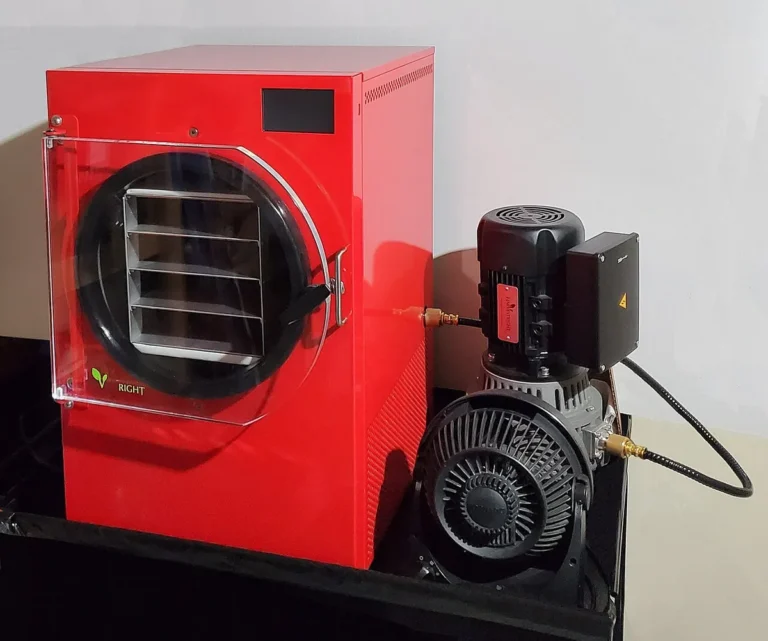
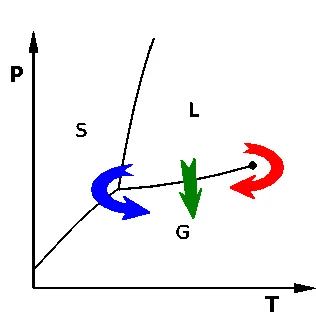
The difference comes down to what's inside your popsicle before it ever touches the tray. Freeze dryers work through sublimation, turning ice directly into vapor under vacuum. As of 2026, home freeze dryers typically run between -30°F and -40°F, with cycles lasting anywhere from 12 to 36 hours.
That range is exactly where popsicle chemistry gets interesting.
Can You Freeze Dry a Popsicle? The Short Answer
Yes, but only if you handle the sugar and moisture correctly. A freeze dryer removes nearly all the water from food under vacuum. What's left is a dry, brittle structure safe to store at room temperature.
For most fruit-juice popsicles, that process works beautifully. The natural fruit sugars dry into a crunchy, intensely flavored shell. Cream-based popsicles and chocolate-coated bars are a different story.
Their higher fat and milk solids take much longer to dry, and they often come out chewy or greasy instead of crisp.
The short version: water-based popsicles freeze dry well. Dairy-heavy ones are hit or miss. If you're testing your first batch, start with plain fruit juice and skip the fancy stuff until you see how your machine handles it.
If you're still deciding whether a home freeze dryer is worth the investment, our breakdown of freeze dryer vs jar vacuum sealer setups covers the practical differences.
What Actually Determines Success: Sugar, Water, and Cream Content
Not all popsicles are created equal in a freeze dryer. Three ingredients control whether your batch turns out perfect or becomes a puddle of pink foam.
Sugar is the biggest variable. High-sugar popsicles stay soft even when frozen, because sugar lowers the freezing point. Inside a vacuum chamber, that can make the syrup bubble and foam out of the tray.
Lower-sugar fruit bars behave far better.
Water content matters just as much. Popsicles made from mostly juice freeze dry in about half the time of dense, creamy ones. More water means more ice, and more ice means more vapor to pull out.
Fat is the last factor. Cream and coconut milk dry much slower than water. If you include them, plan on a longer cycle and a less crunchy texture.
The quick rule of thumb: if it's drippy, it'll dry great. If it's scoopable like ice cream, expect a fight.
The Best Popsicle Types for Freeze Drying (and the Ones to Skip)
The best popsicles for freeze drying share one trait: they're high in water and low in dairy. Think classic fruit juice bars, homemade smoothie pops made with mostly fruit, or plain ice pops with natural flavoring.
The ones to skip are the ultra-rich ones. Chocolate fudge bars, salted caramel pops, and anything with a creamy center tend to melt into a mess before the water sublimates. They won't go to waste, but they'll never be crunchy.
Here's a quick breakdown based on our research:
| Popsicle Type | How It Dries | Best Move |
|---|---|---|
| Fruit juice bars | Crisp, airy, intensely fruity | Perfect for freeze drying |
| Smoothie pops (fruit + yogurt) | Crumbly with a slight chew | Good, cut into pieces first |
| Cream-based pops | Greasy, soft, rarely crunchy | Skip or expect long cycles |
| Chocolate-coated bars | Coating cracks, center stays wet | Avoid for first attempts |
| Italian ice / water ice | Powder-like, very light | Excellent, but watch sugar |
The takeaway is simple. If your popsicle is mostly water and flavoring, it's a great candidate. If it's basically dessert ice cream on a stick, your freeze dryer will struggle.
Step-by-Step: How to Freeze Dry Popsicles at Home
Once you've picked a good popsicle, the process is straightforward. Plan for three stages: prep, freeze, and dry. The whole cycle takes 12 to 36 hours, depending on your machine and the popsicle's ingredients.
- Remove the sticks. This is easier before the popsicle thaws. If it sticks, run the mold under warm water for a few seconds.
- Cut into small, uniform pieces. Half-inch slices or cubes dry evenly. Whole popsicles dry too, but they take much longer and often leave a wet center.
- Pre-freeze everything. Place the pieces on a parchment-lined tray and freeze them solid, ideally below 0°F. This prevents melting inside the drum.
- Load the freeze dryer. Arrange the pieces in a single layer, leaving a little space between each one. No stacking.
- Run the cycle. Use the standard setting for fruit or vegetables. Most home units have a "fruit" or "candy" preset.
- Test for dryness. A fully freeze-dried piece should be brittle and snap cleanly. No cold spots. If it bends or feels chewy in the middle, run another hour.
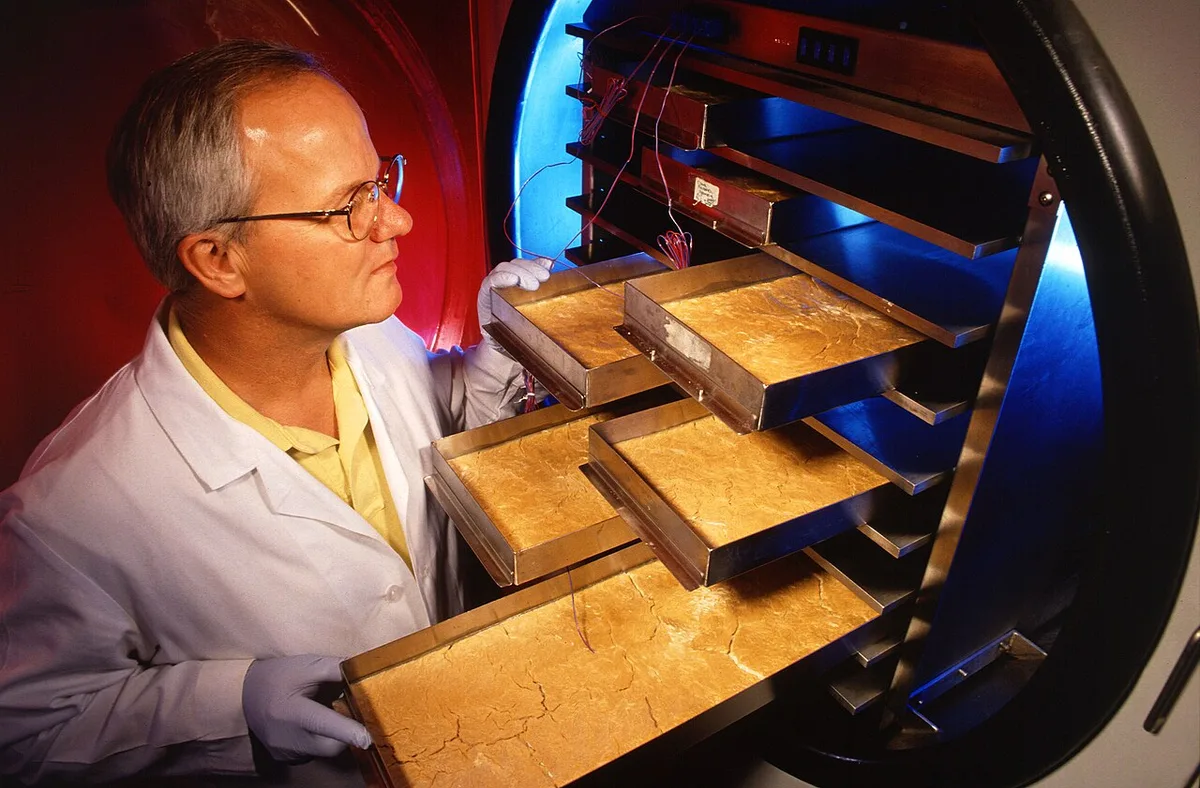
Image source: Wikimedia Commons / Wikimedia Commons contributor
One note: don't crowd the tray. The machine needs airflow around each piece to pull moisture out evenly. Overlapping chunks are the number one reason batches come out half-dry.
Common Mistakes That Wreck a Batch (and How to Avoid Them)
Most failed popsicle batches come down to a few predictable mistakes. Here's what to watch for, based on what home users report again and again.
- Using a melted popsicle as the starting point. If it's already a slushy puddle, the sugar has started separating. Start from fully frozen bars.
- Skipping the pre-freeze step. A popsicle that thaws before it goes in the drum will foam and spread, making a sticky mess across the tray.
- Choosing high-sugar or high-fat recipes. Both extend the drying cycle and make the end result soft or greasy. Stick to water-forward flavors for your first runs.
- Stacking pieces. Moisture can't escape from the middle of a pile. Keep everything in a single layer.
- Pulling the batch too early. A piece that looks dry on the outside can still hold ice inside. Test two or three pieces from the middle of the tray before calling it done.
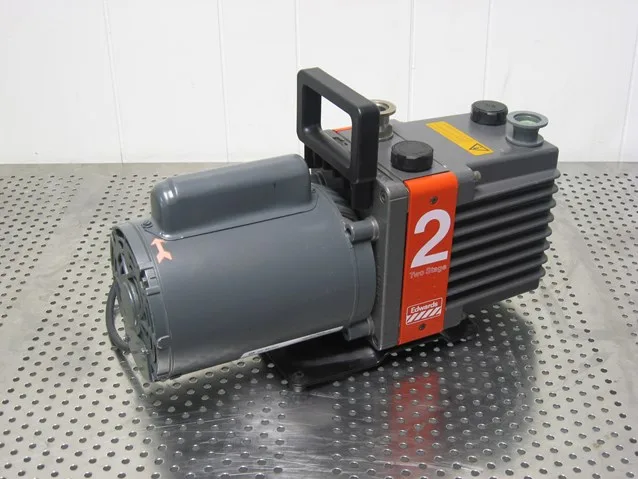
Another common miss: forgetting to clean the drain pan and chamber between runs. Sugar residue from a popsicle batch can build up and affect the vacuum pump's performance over time. Wipe everything down after each cycle, and you'll avoid most of the troubleshooting later.
One more thing to keep in mind is storage. Freeze-dried popsicles are extremely hygroscopic, which means they soak up moisture from the air. If you leave them sitting out, they'll turn soft and sticky within a couple of hours.
Pack them in Mylar bags with oxygen absorbers right after the cycle finishes, and they'll keep for years.
Storing Freeze-Dried Popsicles, Shelf Life, and How It Compares to Freezing or Dehydrating
Freeze-dried popsicles only stay crunchy if you seal them properly. The moment they hit moist air, they start absorbing water and turning soft. Pack them in Mylar bags with oxygen absorbers immediately after the cycle ends.
Shelf life depends entirely on your storage. Sealed properly, freeze-dried popsicles keep for one to three years at room temperature. That's a huge win compared to regular frozen popsicles, which develop freezer burn within a few months.
The comparison with standard freezing is straightforward. A regular freezer keeps popsicles edible for about two to three months before ice crystals ruin the texture. Freeze drying removes that problem entirely, at the cost of a 12 to 36 hour machine cycle.
What about dehydrating? It don't work for popsicles. A dehydrator uses gentle heat to evaporate moisture, but that heat melts the popsicle before any drying happens.
Freeze drying is the only practical way to turn a popsicle into a shelf-stable snack.
If you're weighing the setup cost, our freeze dryer vs jar vacuum sealer article covers which preservation method actually fits your kitchen routine.
How to Tell If Your Freeze-Dried Popsicle Is Fully Dry
Testing for doneness is simple. Take a piece from the middle of the tray, not the edge, and press it between your fingers.
A fully dry piece snaps like a cracker and has zero cold spots. It should also be feather-light. If any piece feels chewy, rubbery, or leaves a cold residue on your palm, the batch needs more time.
Warm the piece to room temperature before testing. A cold piece can feel firm even when moisture is still trapped inside. Give it five minutes on the counter, then check again.
Common Mistakes That Ruin the Final Texture
Most batches fail at the storage stage, not the drying stage. Leaving freeze-dried popsicles in an open bowl invites moisture back in within hours.
Another mistake is using oxygen absorbers when they aren't needed. For short-term storage under three months, oxygen absorbers are fine. For longer storage, they help prevent color fading and flavor loss.
Skipping the pre-freeze step also creates problems. Popsicles that go in slightly thawed foam and bubble, leaving airy gaps and an uneven crunch.
Frequently Asked Questions
Can you freeze dry ice cream popsicles?
Yes, but the results are softer and chewier than fruit-based popsicles. The fat and milk solids in ice cream slow down sublimation significantly. Expect longer cycle times and a less crisp final texture.
If you want a crunchy snack, fruit juice popsicles are the better choice.
Do you need to remove the popsicle sticks first?
Yes. Sticks get in the way on trays and can block airflow around the popsicle pieces. Removing them before cutting is much easier than pulling them out after drying.
Run the mold under warm water for a few seconds if a stick is stuck.
How long does it take to freeze dry a popsicle?
Most fruit-based popsicles take 12 to 20 hours in a home freeze dryer. Creamy popsicles can take 24 to 36 hours or longer. The exact time depends on sugar content, chunk size, and how much liquid the machine can pull per hour.
What happens if you freeze dry a melted popsicle?
It turns into a sticky mess. Melted popsicles have separated sugar and water, which bubbles and foams inside the vacuum chamber. Always start with fully frozen bars and keep them frozen until they go into the freeze dryer.
Can you rehydrate freeze-dried popsicles?
Technically yes, but there's no reason to. The whole point of freeze drying is a crunchy, shelf-stable snack. If you want a liquid popsicle again, just blend a freeze-dried piece with a little cold water or juice.
Final Verdict: Is It Worth the Effort?
Freeze drying popsicles is worth it if you already own a machine and have access to good fruit-based bars. The result is a crunchy, portable, intensely flavored snack that keeps for years without refrigeration.
If you're buying a freeze dryer just for this, reconsider. The machine costs real money and cycles use substantial electricity. There are easier ways to preserve summer fruit.
But if you have a freeze dryer running all year, popsicles are one of the best bang-for-your-buck batches. They're cheap, colorful, and make a great shelf-stable treat for camping, hiking, or emergency food supplies. Just stick to water-based recipes and store everything in sealed bags quickly.

Hayden is a passionate urban farmer dedicated to cultivating sustainable food sources. He specializes in growing tomatoes and basil, and his favorite moments are spent in his garden, basket in hand, harvesting the fruits of his labor.