Can You Freeze Dry Alcohol
So you've been wondering, can you freeze dry alcohol? It's a fair question, especially if you've seen freeze-dried fruit and started wondering what else the machine could tackle. The short answer isn't the clean "yes" you might hope for.
Our research into lyophilization and ethanol's physical properties shows why this gets complicated fast. Pure ethanol freezes at -114°C (-173°F), while most home freeze-dryers bottom out between -30°C and -50°C. That gap is where the trouble begins.
Quick Answer
Can you freeze dry alcohol? Not really, not in the way you'd expect. Pure alcohol won't freeze solid in a standard home freeze-dryer.
Water will freeze, but ethanol stays liquid and evaporates into the vacuum pump. That creates fire risk and damages equipment. The final product isn't dry alcohol powder.
It's a concentrated, sticky, alcohol-weakened mess. Don't attempt it with high-proof spirits.
Why This Question Isn't a Simple Yes or No
Ask five people about freeze-drying alcohol and you'll get five different answers. Some will say it's impossible because alcohol doesn't freeze. Others will insist they've seen wine powder for sale.
Both groups are partially right.
The truth depends on a few variables. The alcohol content matters a lot. The sugar content matters even more.
And your definition of "freeze-dry" matters most of all.
If you're imagining pouring a bottle of vodka into the tray and pulling out a dry powder two days later, that's not how physics works. Ethanol simply won't freeze at typical home freeze-dryer temperatures. It stays liquid, boils off under vacuum, and ends up in your cold trap or vacuum pump oil.
If you're thinking about freeze-drying a low-alcohol beverage like beer or wine, the results are different. The water freezes, the alcohol partially remains, and you get a concentrated, slushy, alcohol-rich residue. It's not stable and it's not powder.
That's why this question requires nuance. There's no universal answer because the outcome shifts based on what you put in the machine. If you're new to freeze-drying entirely, understanding the basics first helps.
Our guide on can you freeze dry at home walks through the fundamentals before you attempt anything experimental.
The honest starting point is this. Freeze-drying alcohol at home isn't practical, and it's often dangerous. But understanding why it fails reveals a lot about how freeze-dryers actually work.
The Core Facts: What Actually Happens to Alcohol in a Freeze Dryer
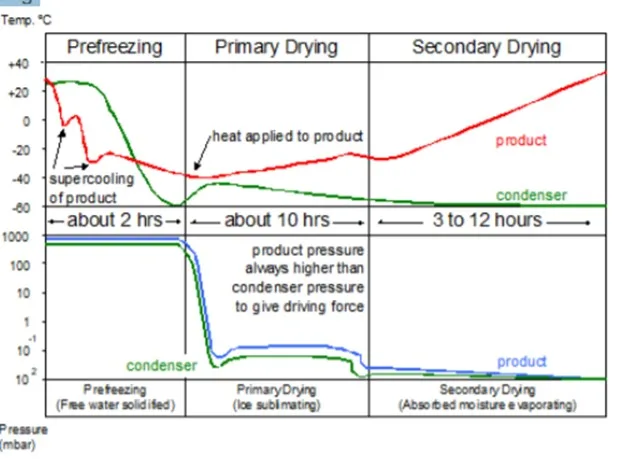
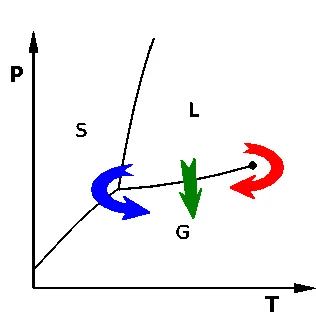
To understand why alcohol is problematic, you need to understand how freeze-drying works. The process relies on three states of matter and a neat trick called sublimation.
First, the liquid freezes solid. Then the chamber drops to vacuum pressure. Under that vacuum, ice goes directly from solid to vapor without melting.
That vapor travels to a cold trap and freezes again. Liquid water never appears.
Ethanol breaks this process. Its freezing point sits at -114°C, far below what home machines reach. So when you load a high-proof liquid, the water freezes, but the ethanol stays as a liquid, trapped in the ice matrix.
It doesn't sublimate. It evaporates.
Here's what happens next. The vacuum pump pulls that ethanol vapor through the system. Some condenses in the cold trap, mixing with water ice.
The rest winds up in the vacuum pump oil, thinning it out and damaging the pump over time.
The table below summarizes the key differences between water and ethanol in a freeze-dryer.
| Property | Water | Ethanol |
|---|---|---|
| Freezing point | 0°C (32°F) | -114°C (-173°F) |
| Boiling point | 100°C (212°F) | 78.37°C (173.1°F) |
| Behavior under vacuum | Sublimates from ice | Evaporates as liquid |
| End result | Dry, stable powder | Concentrated liquid residue |
Even moderate alcohol levels cause problems. Beverages around 10-15% ABV, like strong wines, will partially freeze. The ice matrix forms, but the ethanol-rich liquid remains.
Drying time stretches out because the liquid ethanol prevents full structural collapse. You end up with a tacky, sticky mess instead of a crisp powder.
High-sugar drinks make it worse. Cocktails with syrups, sodas, or fruit juices create an additional challenge. Sugars lower the freezing point too, and they form glassy, hygroscopic structures that attract moisture from the air.
The result is a gummy substance that's neither solid nor liquid.
The core takeaway is simple. Freeze-drying works beautifully on water-based foods. Alcohol doesn't cooperate because it behaves completely differently under vacuum and low temperatures.
The Risks: Fire, Equipment Damage, and Legal Gray Areas
Here's where things get serious. Freeze-drying alcohol isn't just ineffective. It can genuinely damage your equipment and potentially endanger your home.
The biggest concern is ethanol vapor in the vacuum pump. Ethanol has a flashpoint around 13°C (55°F), which means it can ignite at room temperature with an ignition source. Standard vacuum pumps use electrical motors with brushes, and those create sparks.
That combination is how people end up with ruined pumps and garage fires.
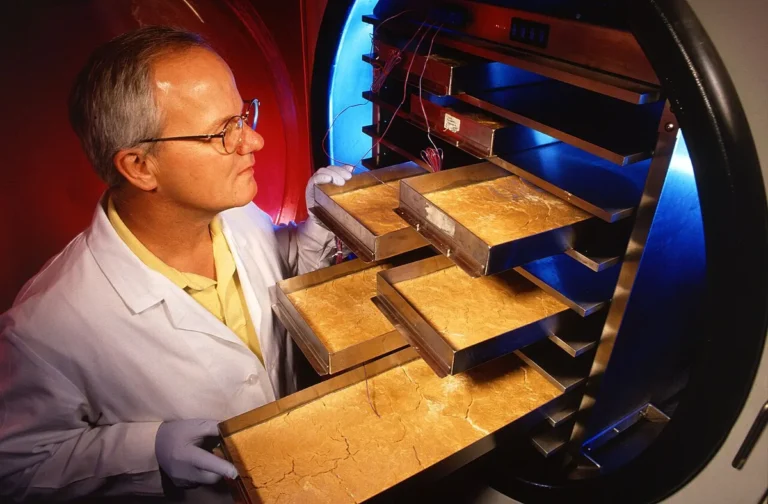
Manufacturer specifications confirm this risk. Most home freeze-dryer manuals explicitly warn against processing alcohol or other flammable solvents. Aggregate user reviews across forums report the same story: failed batches, contaminated pump oil, and warranty claims denied.
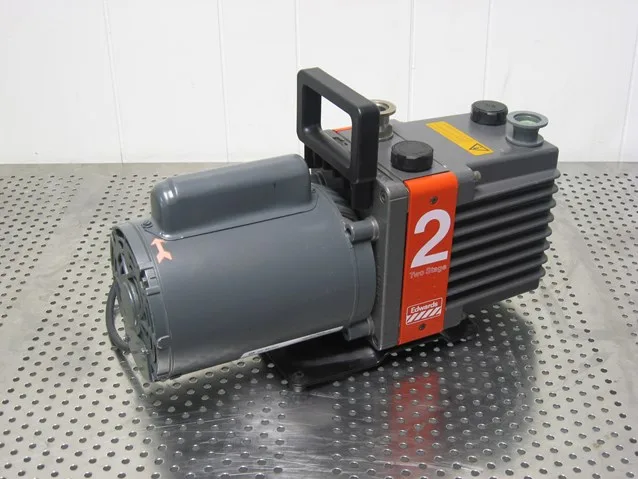
Image source: Wikimedia Commons / Kitmondo Marketplace (CC BY)
The damage isn't always dramatic. Sometimes it's gradual. Ethanol in the pump oil lowers its viscosity, which reduces lubrication and causes premature wear.
The oil absorbs atmospheric moisture, and the pump starts running louder and slower. Eventually, the pump seizes or loses vacuum capacity entirely.
Replacing a vacuum pump isn't cheap. A decent home freeze-dryer pump runs several hundred dollars. Damaging it with one experimental batch is a costly mistake.
There's also a legal dimension. If you're using a freeze-dryer to separate or concentrate alcohol, you might unintentionally create a distilled product. In the United States, the Alcohol and Tobacco Tax and Trade Bureau (TTB) regulates distilling, and home distillation without a permit is illegal.
Freeze-distillation, sometimes called jacking, falls into this gray area. A freeze-dryer that removes water and concentrates ethanol could theoretically put you in legal trouble.
The Occupational Safety and Health Administration classifies ethanol as a flammable liquid. That's worth keeping in mind even at small scales. Proper ventilation, no ignition sources nearby, and a well-maintained pump are absolute necessities if you test this against manufacturer guidance.
Does It Ever Work? When Freeze-Drying Alcohol Makes Sense
Despite all those warnings, freeze-drying alcohol isn't universally useless. There are narrow cases where it makes sense, and those cases depend entirely on what you're trying to achieve.
The first scenario is low-ABV beverages. If you're working with something under 5% ABV, like light beer or diluted wine, the ethanol content is low enough that most of the liquid freezes solid. The drying process removes the water, and the result is a concentrated powder that retains some flavor compounds.
It won't have meaningful alcohol content afterward, but it can work as a food ingredient.
The second scenario is flavor preservation. Distilleries and commercial food processors use freeze-drying to capture volatile aroma compounds. They don't dry the alcohol itself.
They dry the flavor-bearing solids, then reintroduce alcohol separately. This is how some craft cocktail powders and flavoring granules are made.
The third scenario is reducing liquid volume. Some home users report freeze-drying wine down to a highly concentrated syrup or paste. This doesn't produce powder, but it does reduce storage weight.
The caveat is that this concentrates alcohol too, and it's essentially boiling off water under vacuum. That's closer to freeze-distillation than freeze-drying, and it brings legal and safety concerns.
What about commercial "alcohol powders"? Products like Palcohol or cocktail powders use encapsulation techniques, not freeze-drying. They rely on maltodextrin or cyclodextrin to bind alcohol molecules into a stable powder.
That's chemistry, not lyophilization.
For the vast majority of home users, the honest advice is this. Your freeze-dryer is better used on fruits, vegetables, meats, and fully non-alcoholic liquids. Adding alcohol to the mix creates sticky messes, equipment risk, and results that disappoint.
Methods That Actually Work: Safer Alternatives to Freeze-Drying Alcohol
If your goal is an alcoholic powder or a shelf-stable cocktail mix, there are safer routes that don't involve your freeze-dryer at all.
The simplest method uses maltodextrin, a starchy powder commonly used in food production. It acts as a carrier that absorbs liquids and oils. Mix a high-proof spirit with maltodextrin in roughly a 1:2 ratio, and you get a dry, crumbly powder.
It's not truly freeze-dried, but it works for flavoring rubs, desserts, and drink mixes.
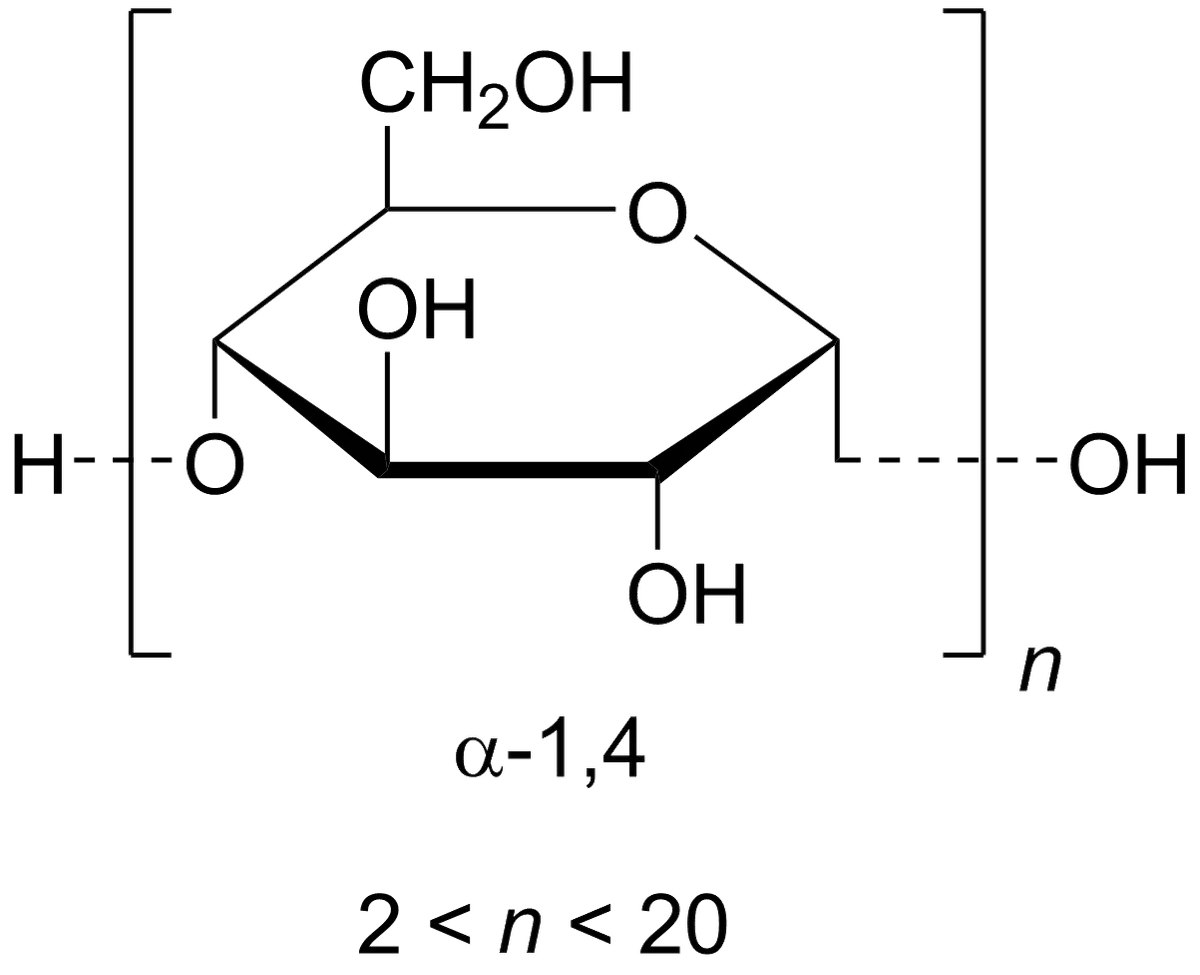
Image source: Wikimedia Commons / Edgar181
Let's walk through the steps. Measure your alcohol and maltodextrin by weight. Blend them slowly to avoid clumping.
Add liquid a teaspoon at a time until the powder holds together but stays dry. Store it in an airtight container, and it'll keep for weeks. This method works especially well with spirits like whiskey or rum that have bold flavors.
Another option is using freeze-dried ingredients alongside liquid alcohol. Build your cocktail mix, freeze-dry the non-alcoholic components separately, then add alcohol at reconstitution time. You get the lightweight convenience of a freeze-dried product without risking your equipment.
| Method | Equipment Needed | Alcohol Retention | Final Form | Safety Risk |
|---|---|---|---|---|
| Freeze-drying pure alcohol | Freeze dryer | Poor | Concentrated liquid | High |
| Maltodextrin absorption | Mixing bowl, scale | Good | Powder | Minimal |
| Freeze-dry mix + add alcohol after | Freeze dryer | Perfect | Powder + liquid | Low |
| Spray drying | Commercial equipment | Moderate | Powder | Moderate |
Spray drying is the industrial answer. Commercial operations use specialized spray dryers that atomize liquid into a hot chamber, producing powder instantly. These machines are expensive, starting around tens of thousands of dollars.
But they can encapsulate alcohol with carrier agents more effectively than a home freeze-dryer ever could.
There's also the simple route of skipping powder altogether. Premix your dry ingredients, store them, and add alcohol when you're ready. It's less glamorous, but it's safe, cheap, and reliable.
The common thread here is avoiding alcohol inside your vacuum chamber. Every safer alternative keeps the ethanol away from your expensive equipment and open flames. That's the right trade.

Hayden is a passionate urban farmer dedicated to cultivating sustainable food sources. He specializes in growing tomatoes and basil, and his favorite moments are spent in his garden, basket in hand, harvesting the fruits of his labor.