Can You Freeze Dry Aged Beef
If you've ever typed "can you freeze dry aged beef" into a search bar, you're not alone. The short answer is yes, and it works exceptionally well. The process locks in that nutty, umami depth that dry aging creates.
It turns a premium steak into a shelf-stable protein that can outlast most pantry items.
But there's a catch. Dry-aged beef behaves differently than fresh beef in a freeze dryer. The lower moisture content, concentrated fat, and hard outer pellicle all change the game.
Our research shows that careful trimming and pre-freezing are essential for safe, long-term storage. Here's what you need to know to get it right.
Quick Answer: Yes, You Can, But It's Not Like Freeze-Drying Regular Steak
Yes, you can freeze-dry dry-aged beef. It's an excellent way to preserve an expensive cut. But you must trim excess fat and slice it thin.
Pre-freezing is non-negotiable. Done properly, it will keep for 20 years or more.
So what does "properly" mean? Let's break it down.
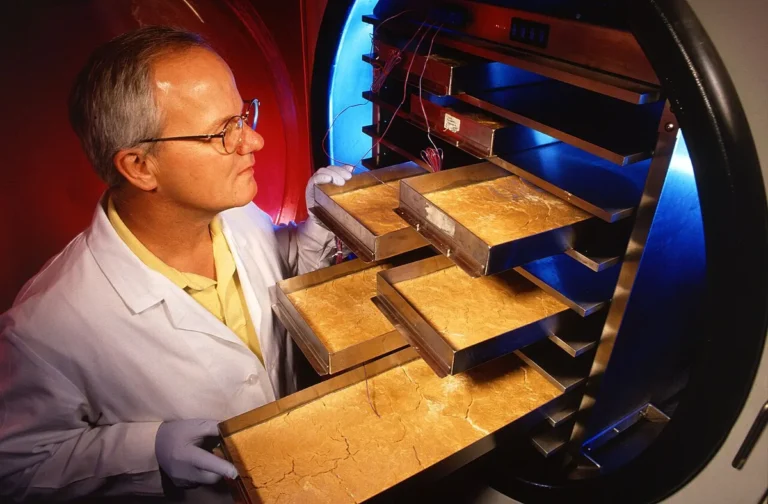
Freeze-drying uses a process called lyophilization. You freeze the food solid, then place it in a vacuum chamber. The ice sublimes directly into vapor, bypassing the liquid phase.
The result is a bone-dry piece of meat with almost no microbial activity.
With dry-aged beef, the rule of thumb is to treat it like a delicate, fatty cut, not a lean roast. Aging dries the surface, concentrates flavor, and pushes fat outward. That fat contributes incredible taste, but it can turn rancid during storage if left exposed.
That's why you need to trim aggressively. Remove the visible surface fat and the tough pellicle. Then slice across the grain into pieces around a half-inch thick.
Thickness matters. Too thick and the cycle drags on. Too thin and the meat dries too fast, losing structure.
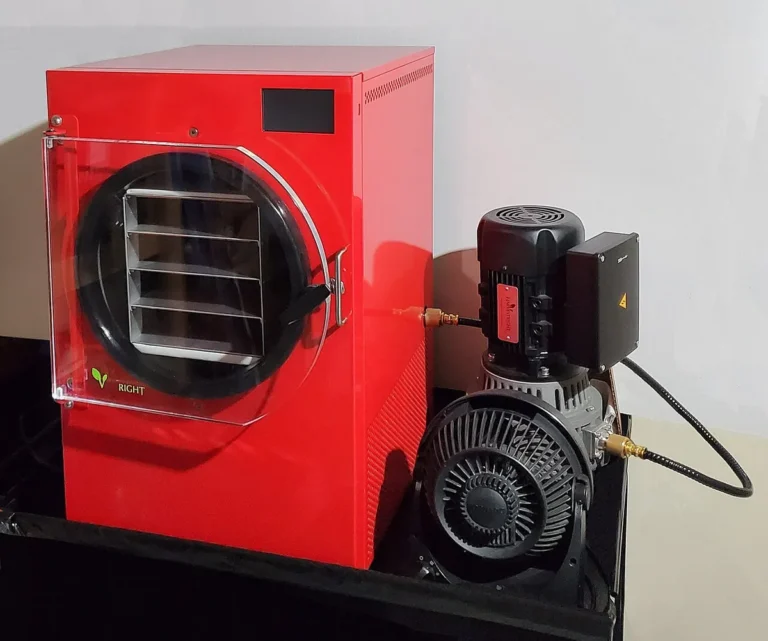
You'll also need a working home freeze dryer. Most consumer units handle 5 to 7 trays. A full cycle runs 24 to 48 hours, depending on fat content and piece size.
Aggregate reviews suggest dry-aged beef slightly extends the cycle because fat slows sublimation. Budget extra time on your first attempt.
If you already have a freeze dryer and a vacuum sealer, the setup costs drop. This isn't a cheap hobby to start, but it's an incredible way to protect a high-value ingredient.
Why Dry-Aged Beef Is a Different Animal in the Freeze Dryer
The biggest mistake we see is treating dry-aged beef like fresh steak. It's not. Here's the meat science behind it.
Dry aging removes moisture. During a typical 30 to 60 day aging period, the cut loses 5 to 10 percent of its original weight. That moisture loss shows up on the surface as a pellicle, a dense, dark, dried crust.
Under that crust, enzymes break down connective tissue, producing glutamates and that deep umami flavor.
But lower moisture changes the freeze-drying math. Less water means less ice to sublime. Yet the water that remains is bound more tightly to proteins and fats.
That's why you need a longer conditioning step after the cycle to ensure the center truly reaches dryness. Our research indicates that pieces thicker than half an inch often test dry on the outside while retaining a cold, moist core.
Fat is the other issue. Dry-aged beef has a higher concentration of surface fat because moisture evaporates away from the lean tissue. Fat can go rancid over years of storage, giving you a bitter off-flavor even if the beef is safe to eat.
Per USDA FSIS food safety guidance, rancidity is not a health hazard, but it definitely ruins the eating experience.
Water activity is the scientific term for free moisture available to microbes. For long-term pantry storage, freeze-dried meat should reach a water activity below 0.60, ideally around 0.20. That's why you can't just "wing it" with dry-aged beef.
Your freeze dryer has to pull enough vacuum and hold it long enough to get the core to that level.
The pellicle itself also matters. It's dense and can become unpleasantly leathery after drying. Trim it off before slicing.
What you lose in surface crust, you gain in rehydration quality.
The flavor concentration cuts both ways. After freeze-drying, the beef tastes even more pungent than fresh dry-aged cuts. Some people love that.
Others find it overpowering. It's worth trying a small batch first.
Step-by-Step: How to Freeze-Dry Dry-Aged Beef Safely
Here's the workflow we recommend, based on manufacturer specs and food safety standards. It's not complicated, but each step matters.
Step 1: Trim and slice. Cut off the pellicle and any excess fat. Slice the lean meat into pieces no thicker than 1/2 inch. Aim for uniform size.
Large roasts don't freeze-dry evenly in a home unit.
Step 2: Pre-freeze. Place pieces on a parchment-lined tray. Put them in a freezer set at -10°F or lower. Leave for at least 12 hours.
This sets the meat completely solid before vacuum begins.
Step 3: Load the trays. Arrange pieces in a single layer. Leave space between each slice for air circulation. Don't overcrowd.
Stacked pieces freeze-dry unevenly and extend cycle time.
Step 4: Run the cycle. Follow your freeze dryer's manual. For dry-aged beef, expect 24 to 48 hours. If your machine has a meat setting, use it.
Otherwise use the standard setting and add extra dry time.
Step 5: Test for dryness. Remove a piece and break it in half. It should snap like a cracker. The inside should look lighter and contain no ice crystals.
If the middle feels cool or rubbery, run the cycle longer.
Step 6: Condition. Place dried pieces in a glass jar or plastic container. Fill it halfway and leave the lid loose. Shake daily for three to seven days.
This distributes any remaining moisture evenly. If condensation appears, it isn't dry enough.
Step 7: Package for long-term storage. Pack the beef into Mylar bags with oxygen absorbers. Or use a jar vacuum sealer with canning jars. Both work, but Mylar blocks light and is better for decades of storage.
If you're comparing methods for your kitchen, our freeze dryer vs jar vacuum sealer guide explains the trade-offs in detail.
| Thickness | Expected Cycle Time |
|---|---|
| 1/8 inch | 18 to 24 hours |
| 1/4 inch | 24 to 30 hours |
| 1/2 inch | 30 to 48 hours |
Always reference your freeze dryer's manual for exact temperatures and vacuum settings. Different machines vary.
What to Expect: Texture, Rehydration, and Real-World Results
After freeze-drying, dry-aged beef takes on a new life. The texture is brittle and crisp, almost like a puffed cracker. It's not chewy like jerky.
It's airy and breaks apart easily.
That texture is why some people eat it straight as a snack. It's intense, salty, and packed with umami. Think of it as a savory protein chip with decades of shelf life.
For cooking, rehydration is key. The goal is to return the meat to a sliceable or crumbly form. Use warm water, around 140°F to 160°F, not boiling.
Submerge the pieces for five to ten minutes. Drain and pat dry.
The rehydrated texture won't exactly match fresh steak. It's denser and slightly softer. But it works great in stews, casseroles, tacos, and pasta dishes.
Many people say the flavor is as strong as, if not stronger than, the original dry-aged cut.
One interesting note: some home cooks prefer to sear the dry-aged beef before freeze-drying. The browned crust adds a roasted flavor layer. It also changes the texture, making the rehydrated meat more like braised beef.
Storage expectations are impressive. Properly packaged with oxygen absorbers, freeze-dried dry-aged beef can maintain quality for 20 to 25 years. The biggest enemy isn't bacteria, it's oxygen and light.
Both gradually degrade taste, so store in a cool, dark place.
| Use Case | Rehydration Time | Liquid Temperature |
|---|---|---|
| Snack | None | N/A |
| Stew or soup | 5 minutes | Warm water, 140°F |
| Taco or pasta | 10 minutes | Slightly warmer, 160°F |
If you've freeze-dried other proteins, like freeze-dried Italian sausage, you'll recognize the process. Dry-aged beef just needs a bit more patience.
Dry-Aged Beef vs. the Alternatives: Freezing, Dehydrating, Canning
Freeze-drying isn't the only preservation route. Each method has trade-offs. Here's how they stack up for dry-aged beef specifically.
| Method | Shelf Life | Texture After Rehydrating | Best For |
|---|---|---|---|
| Freeze-drying | 20+ years | Nearly raw, dense | Long-term storage, snacks |
| Freezing | 6 to 12 months | Close to fresh if sealed properly | Cooking within the year |
| Dehydrating | 1 to 2 years | Chewy, jerky-like | Trail snacks, not meals |
| Canning | 3 to 5 years | Very soft, shredded | Soups and stews |
Freezing is the simplest. Wrap tightly with heavy-duty aluminum foil or vacuum seal. It buys you a year, but it takes up freezer space.
Thawed dry-aged beef can also soften as ice crystals puncture cell walls.
Dehydrating is cheaper if you already own a dehydrator. But dry-aged beef is already low in moisture. Passing hot air over it for hours turns it into a leathery strip.
You lose the rehydratable texture entirely. It works for jerky, but not for cooking.
Canning requires a pressure canner. The process cooks the beef thoroughly, destroying some delicate dry-aged qualities. It also adds liquid, which dilutes flavor.
For a pricey dry-aged cut, we'd say skip canning.
Freeze-drying wins when you want a flavor-dense product that's ready to be rehydrated or eaten raw. It's the only method that preserves the original structure without using heat. That matters for dry-aged beef because so much of the value is in the texture and concentrated taste.
For most people, freezing is the practical choice for a single steak. But if you've got a whole primal cut or a batch of dry-aged ribeyes, freeze-drying makes that investment stretch into decades.
Just like freeze-dried avocados and other premium foods, dry-aged beef rewards careful preparation. The extra effort is worth it for the payoff.

Hayden is a passionate urban farmer dedicated to cultivating sustainable food sources. He specializes in growing tomatoes and basil, and his favorite moments are spent in his garden, basket in hand, harvesting the fruits of his labor.