Can You Freeze Dry Aged Steaks
Can you freeze dry aged steaks? Yes, but the honest answer depends on how you prepare them. Freeze-drying locks in flavor and extends shelf life, but it won't rescue a raw steak or a stinky pellicle.
It also won't give you back the same juicy texture you'd get from a fresh cut. The real job is managing those expectations.
As of 2026, the National Center for Home Food Preservation still treats meat as one of the trickiest home freeze-drying projects. Per USDA FSIS guidelines, beef must hit 145°F internally before it's safe to eat. Freeze-drying removes moisture, but it doesn't kill bacteria.
That's why the prep work matters as much as the machine.
Can You Actually Freeze-Dry Aged Steaks? (Quick Answer First)
Yes, you can freeze dry aged steaks. Cook them first to 145°F. Trim the pellicle before cooking.
Package with oxygen absorbers. Expect a spongy texture after rehydration.
That's the short version. In our research, the people who fail usually skip the pellicle trim. That tough, crusty layer on dry-aged beef is packed with concentrated flavor in the kitchen, but it turns leathery and bitter after lyophilization.
You also need to cut away hard fat. Fats oxidize faster than proteins, which means high-marbling cuts like ribeye have a shorter shelf life than leaner strips.
The real goal is to stop microbes in their tracks. A water activity below 0.60 is the benchmark for shelf-stable freeze-dried food. Hit that number, seal the meat in Mylar bags with oxygen absorbers, and you can keep it for years.
Just understand that rehydrated dry-aged steak isn't a steak anymore. It's a quick cooking protein for soups, stews, and skillet meals.
Why Dry-Aged Steaks Are a Different Animal for Freeze-Drying
Dry-aged beef starts with a long, controlled dehydration process in the butcher's cooler. That aging period typically runs 21 to 60 days. During that time, enzymes break down collagen and muscle fibers, which delivers that funky, nutty flavor everyone loves.
But it also creates the pellicle and drives water out of the meat.
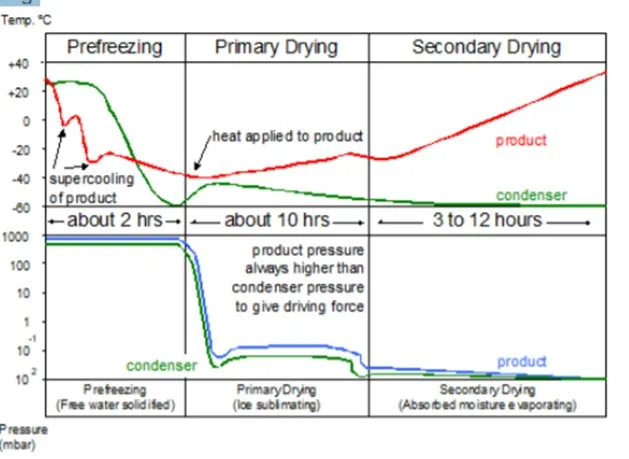
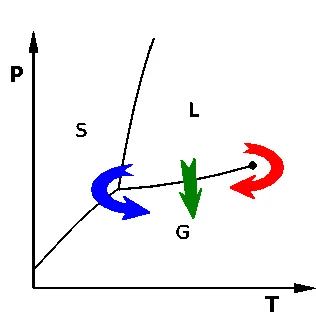
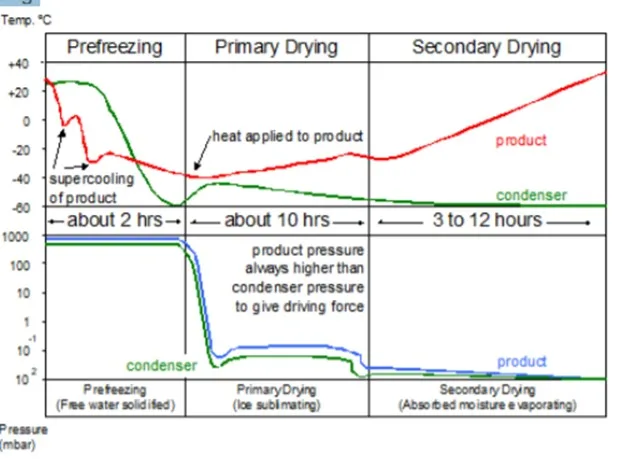
That matters for freeze-drying. Your freeze dryer is basically a vacuum dehydration machine. It sublimes ice directly into vapor.
Since dry-aged beef already lost some moisture during aging, it will lose less during the lyophilization cycle. That sounds efficient, but it also means the tissue structure is already altered.
Wet-aged beef, by contrast, is sealed in cryovac bags and loses almost no moisture. That means higher water activity and a more predictable rehydration. Dry-aged meat comes out more porous and more delicate.
| Trait | Dry-Aged | Wet-Aged |
|---|---|---|
| Moisture content | Lower after aging | Higher (sealed in cryovac) |
| Pellicle | Yes, must trim | No |
| Fat concentration | Higher by percentage | Lower |
| Rehydration | More porous, softer | Closer to original texture |
Then there's the fat issue. Dry-aging concentrates the fat content on a percentage basis. More fat means more oxidation risk in storage.
Leaner dry-aged cuts, or well-trimmed pieces, freeze-dry much better. Rich, marbled portions can taste stale after six to twelve months.
Feed the Decision Tree: What’s Your Steak Situation?
Decide which situation you're in before you turn on the machine. The right workflow depends on whether the steak is raw, already cooked, or packed with marbling.
You Have Uncooked, Dry-Aged Steaks
If your steaks are still raw and you haven't cooked them yet, trim the pellicle before anything else. That dried-out crust tastes bitter after freeze-drying. Then cook the meat all the way to 145°F.
Freeze-drying raw beef is risky because the process doesn't kill bacteria. It just puts them into a state of suspended animation. If you rehydrate later and eat without proper reheating, you're gambling.
You Have Cooked Leftover Dry-Aged Steak
This is the ideal scenario. Cooked leftover dry-aged steak is already safe, so you're just preserving a finished product. Slice it thin, about half an inch, and pat the surface dry.
A dry surface helps the freeze dryer pull out moisture faster. Spread the pieces on trays with space between them. Run the cycle and package immediately.
You Have a High-Marbling Cut Like Ribeye
Ribeye is the classic dry-aged cut, but it's also the worst keeper. The marbled fat oxidizes and goes rancid in storage. If you're using a leaner cut like strip loin or sirloin, you'll get a much longer shelf life.
For ribeye specifically, trim away as much hard fat as you can and plan to eat it within six to twelve months. It won't go bad, but the taste will fade.
That's the workflow. Choose your branch, then follow the steps below.
How to Freeze-Dry Aged Steaks the Right Way (Step-by-Step)
The process isn't hard, but it demands consistency. Follow this order, and you'll get a shelf-stable product that actually tastes decent.
- Trim the pellicle. Use a sharp knife, not a peeler. Cut off the dark, dry crust and any hard exterior fat.
- Cook the meat. Bring the internal temperature to 145°F per USDA FSIS guidance. Grill, sear, or sous-vide all work.
- Cool and dry. Let the steak rest until it stops steaming. Blot the surface with paper towels.
- Slice uniformly. Aim for half-inch slices. Consistent thickness means even drying.
- Arrange on trays. Leave space around each piece. Overlapping traps moisture and extends cycle time.
- Run the freeze dryer. A standard meat cycle takes 24 to 48 hours.
- Test for dryness. Crack a piece. It should snap like a cracker. If it bends, put it back for another hour.
- Package fast. Transfer to Mylar bags with oxygen absorbers, then heat-seal. Delays let moisture creep back in.
If you're new to lyophilization, the final dry test is where people slip. They package a piece that still has hidden moisture, and then the whole bag molds months later. When in doubt, add another hour.
For comparison, a jar vacuum sealer works fine for short-term snacks, but it doesn't pull moisture out of food. That's why a freeze dryer earns its space if you're serious about long-term meat storage. We've covered freeze dryer vs jar vacuum sealer in a separate breakdown.
The Honest Risks: Texture Drops, Rancid Fat, and Mold You Must Trim
Dry-aged steak rehydrates into a mushier bite than wet-aged beef. The long aging process weakens muscle fibers, so after sublimation, the structure collapses. Expect spongy, tender chunks, not juicy slices.
Fat is the next issue. The concentration of fat in dry-aged meat makes it more prone to oxidation. Oxygen absorbers help, but they don't stop chemical rancidity completely.
High-fat cuts like ribeye will taste stale after six to twelve months.
Finally, there's the pellicle mold. White mold on the crust is usually harmless, but it's not something you want to freeze-dry into a meal. Trim thoroughly.
Any black fuzz or sour smell means the aging process went wrong.
A few mistakes to avoid:
- Don't skip the trim, even if the pellicle smells good.
- Don't freeze-dry raw dry-aged steak. Cook it first.
- Don't skip oxygen absorbers. Moisture will find its way in.
- Don't expect a fresh steak texture. Adjust your expectations.
The real benchmark is water activity. Get it below 0.60, and mold and bacteria can't grow. Above that, your expensive dry-aged steak is just a gamble in a Mylar bag.
Aim for the dry, brittle snap test every time, and you'll be fine.
Better Paths Than Freeze-Drying (When You Should Just Freeze)
Freeze-drying isn't always the smart move. Vacuum-sealing and freezing preserves dry-aged steak closer to its original texture, and it costs almost nothing beyond the plastic and electricity. If you're storing meat for a few months, not a few years, that's the smarter route.
Pressure canning is the other alternative. Canned beef stays shelf-stable, but the high heat breaks down muscle fibers completely. It's good for stew meat, not for steak.
Here's the simple decision tree:
- Freeze-dry if you want shelf-stable food for years, or you're building emergency stores.
- Vacuum-seal and freeze if you'll eat it within 6 to 18 months.
- Preserve as jerky if you want a snack, not a rehydrated meal.
If frost-free freezer burn has ruined your last batch of dry-aged steaks, freeze-drying genuinely fixes that. But for short-term storage, a vacuum sealer and a solid freezer beats a $2,000 machine.
A small tool worth mentioning: a jar vacuum sealer works for storing already-dried goods, but it can't dehydrate meat itself. You'd still need a freeze dryer for that. We compared both approaches in a dedicated write-up on freeze dryer vs jar vacuum sealer if you want the full details.
Use Cases: Who Actually Benefits From Freeze-Dried Aged Steak?
Freeze-dried dry-aged steak earns its keep in three specific scenarios.
Backpackers and campers get the biggest win. Cooked, freeze-dried steak weighs almost nothing and rehydrates in hot water. You can add it to instant rice or ramen for a solid trail meal.
We've also covered how to freeze-dry Italian sausage with the same logic.
Emergency preppers value shelf life above texture. A properly packaged freeze-dried steak can last years without power. That's useful when a hurricane or prolonged outage threatens deep freezers.
Home cooks with leftovers benefit too. That $60 dry-aged ribeye you cooked last night won't taste the same after freeze-drying, but the flavor still beats canned chicken. Slice it, dry it, and stash it for future stir-fries, soups, or omelet fillings.
If none of those sound like you, you probably don't need this setup.
Mistakes to Avoid (So You Don't Waste a $60 Steak)
The biggest mistake is freeze-drying raw dry-aged steak. Freeze-drying doesn't kill bacteria, so you're just making a dried, dangerous product. Cook it first.
The second mistake is skipping the pellicle trim. That hard, dark crust traps moisture and tastes bitter after lyophilization. Trim it off with a sharp knife before cooking.
Third, they'd package too early. Mylar bags with oxygen absorbers do nothing if the meat still has internal moisture. Test a piece by snapping it.
It must break like a cracker, not bend.
| Mistake | Result |
|---|---|
| Raw steak freeze-dried | Bacterial risk after rehydration |
| Pellicle left on | Bitter, leathery texture |
| Packaging too early | Mold growth in storage |
| Skipping oxygen absorbers | Rancid fat, stale flavor |
Also, don't overload the tray. Crowded pieces trap vapor and force a longer cycle. Give each slice space, and you'll cut dry time significantly.
Freeze-Dried Aged Steak FAQs
Does freeze-drying kill bacteria in steak?
No. Freeze-drying preserves by removing water, not by killing microbes. Bacteria survive the process and become active again when the meat is rehydrated.
Always cook steak to 145°F per USDA FSIS guidelines before freeze-drying.
Do you have to cook dry-aged steak before freeze-drying?
Yes, in almost every case. Cooking to 145°F makes the meat safe. The only safe exception is a commercial freeze-drying facility that follows strict pathogen-control standards.
For home equipment, raw is a gamble you shouldn't take.
How long does freeze-dried steak last after packaging?
With proper packaging, it's safe to keep for years. Some low-fat commercially freeze-dried meats reportedly remain safe for 10 to 25 years. At home, the quality window is shorter.
Expect about 1 to 3 years for cooked steak stored in Mylar bags with oxygen absorbers.
Does dry-aged steak rehydrate to the same texture?
No. Dry-aging already weakens muscle fibers. Freeze-drying further changes the structure, so rehydrated steak is spongy and tender, not juicy.
It's still usable in soups and stews, but it's not a steak substitute.
Is it worth freeze-drying high-fat cuts like ribeye?
Probably not for long-term storage. Fat oxidizes over time and causes rancidity. A leaner cut like strip loin or sirloin stores much better.
If you do freeze-dry ribeye, trim as much hard fat as possible and plan to eat it within 6 to 12 months.
The bottom line: freeze-dry cooked, trimmed dry-aged steak for a long shelf life. Don't try to recreate fresh steak satisfaction.
The Bottom Line: Is It Worth Your Next Batch?
Freeze-drying dry-aged steak is worth it, but only for the right reasons. If you want shelf-stable protein for camping, emergency stores, or quick weeknight meals, it's a clever way to use expensive beef without wasting it. If you're hoping to relive that perfect steak dinner months later, you'll be disappointed.
The best candidate is a leaner cut like strip loin or sirloin. Cook it fully, trim the pellicle and hard fat, slice it thin, and dry it completely. Package it in Mylar bags with oxygen absorbers, and you've got beef that lasts for years.
High-marbled ribeye and raw dry-aged steaks are the two scenarios we'd skip. Ribeye goes rancid fast, and raw meat is a safety risk. If those are your only options, vacuum-seal and freeze instead.
The simple rule: freeze-dry what you'd otherwise toss out. Don't ruin something you'd happily eat fresh. A dry-aged steak is a special treat, so preserve it with the same respect you'd give it at the grill.
Do that, and you won't regret the batch.

Hayden is a passionate urban farmer dedicated to cultivating sustainable food sources. He specializes in growing tomatoes and basil, and his favorite moments are spent in his garden, basket in hand, harvesting the fruits of his labor.