Can You Freeze Dry Avocados
Can you freeze dry avocados? Yes, you can, but you have to know what you're doing. Avocados don't behave like berries or apples when they go through a freeze dryer.
Their high fat content can turn the final product rancid if you skip the right prep. Let's walk through what works and what doesn't.
In our research, the most reliable method starts with slightly underripe avocados, not the perfect creamy ones you'd eat fresh. A typical home freeze dryer cycle runs 20 to 40 hours and pulls out up to 99% of the moisture. That's why understanding the process matters more than just owning the machine.
Quick Answer
Yes, you can freeze dry avocados. It takes 20 to 40 hours in a home freeze dryer. Always slice or mash, then treat with acid to stop browning.
Store the dried pieces airtight for up to several years. The texture won't match fresh, but they work well in smoothies and soups.
The real trick? Ripeness. Underripe avocados freeze dry beautifully.
Overripe ones can turn bitter and rancid. So the answer depends on your starting fruit and your end goal.
How Freeze-Drying Avocados Actually Works
Freeze drying works by freezing food solid, then pulling the ice out as vapor in a vacuum. That skips the liquid phase entirely. So the structure stays more intact than dehydrating.
That's the theory anyway.
Avocado doesn't cooperate as cleanly. A ripe avocado is roughly 73% water and 15% fat. The water freezes and sublimates fine.
The fat doesn't. Heat and oxygen can oxidize those monounsaturated fats during the long cycle. That leads to off flavors and a short shelf life.
Per manufacturer specifications as of 2026, home freeze dryers reach internal temperatures around -30°F to -50°F. The low temp helps, but the fat still needs protection.
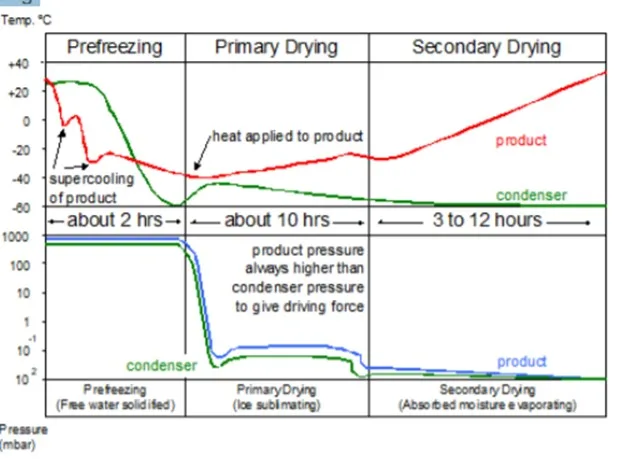
Image source: Wikimedia Commons / Saumya729 (CC BY-SA)
This is why the prep work matters more than the machine. Acid treatments like lemon juice lower pH and slow oxidation. Keeping the pieces thin also helps water escape evenly.
The National Center for Home Food Preservation has a solid overview of the science behind freeze-drying.
Step-by-Step: How to Freeze Dry Avocados the Right Way
| Ripeness | Freeze-dry result | Best use |
|---|---|---|
| Under-ripe | Crisp, holds shape | Snacks, chunks |
| Ripe | Slightly creamy, may clump | Powder, smoothies |
| Over-ripe | Rancid risk, bitter | Avoid |
Start with under-ripe avocados. They should give slightly when pressed but not feel mushy. Wash them, peel them, and cut around the pit.
Slice them about 1/4-inch thick. Or mash them with a fork, depending on your planned use. Either way, toss the avocado in lemon or lime juice right away.
That acid bath prevents browning during the long cycle.
Arrange the slices in a single layer on freeze dryer trays. Leave space between pieces so air can move. Then pre-freeze the trays for 12 to 24 hours.
This shortens the machine's runtime.
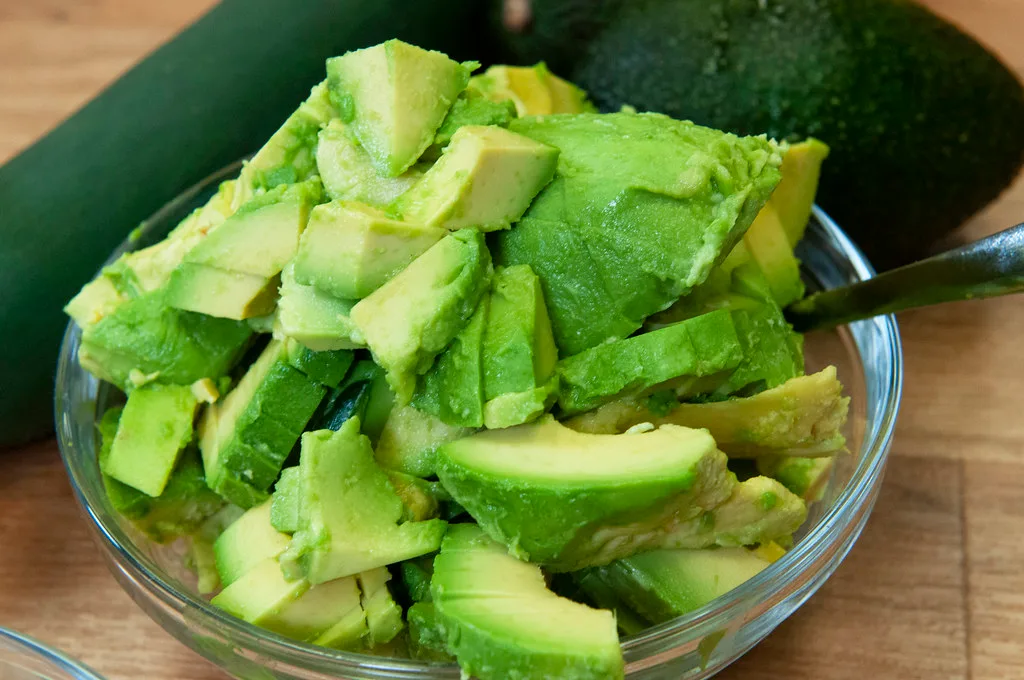
Image source: Openverse / Alabama Extension
Load the trays and run the cycle. Most home units take 20 to 40 hours. When it finishes, test for moisture.
A fully dried avocado piece should snap like a cracker. If it bends, it still has water.
Seal the dried avocado in Mylar bags with oxygen absorbers. Vacuum sealing works too. If you're new to the whole setup, our guide to freeze drying at home covers the equipment basics.
What Freeze-Dried Avocados Are Good For (And What They’re Not)
Freeze-dried avocado is not a fresh avocado replacement. You won't spread it on toast. You won't get that creamy bite.
What you get is a lightweight, shelf-stable ingredient.
Here's where it shines:
- Smoothie and protein shake additions
- Soup and sauce thickeners
- Emergency food storage
- Backpacking and camping meals
- Homemade baby food powder
The powder form is especially useful. Crush the dried slices in a food processor. Then add a spoonful to any recipe that needs avocado flavor and healthy fat without the moisture.
Rehydration is simple but imperfect. Soak the pieces in warm water for a few minutes. You'll get a soft, somewhat watery texture.
It works for soups and purees, but not for guacamole.
What it's not good for? Anything where avocado is the star. Salads, toast, sushi, and dips all need fresh fruit.
If that's your plan, freeze drying is the wrong tool.
Common Mistakes and How to Avoid Them
Most failed batches come down to a handful of repeat mistakes. Here's what to watch for.
Using overripe avocados. This is the biggest one. Overripe fruit has more free fatty acids, which oxidize fast.
The result tastes bitter and soapy. Stick to the firmer side of ripe.
Skipping the acid treatment. Without lemon or lime juice, avocado browns within minutes of cutting. That browning continues during the freeze dry cycle.
It hurts both color and flavor.
Overloading the trays. Too many pieces block airflow. That extends the cycle and leads to uneven drying.
Keep things spread out, even if it means running two batches.
Not checking moisture before sealing. If any water remains, the avocado will spoil in storage. Test a few pieces from the center of each tray.
They need to snap, not chew.
Using the wrong storage. Air is the enemy. Plain plastic containers let moisture and oxygen back in.
Use Mylar bags, oxygen absorbers, or a vacuum sealer. Label everything with the date.
One more thing: don't crank the heat to speed things up. A home freeze dryer isn't an oven. It needs time.
Rushing it ruins the batch.
Hayden is a passionate urban farmer dedicated to cultivating sustainable food sources. He specializes in growing tomatoes and basil, and his favorite moments are spent in his garden, basket in hand, harvesting the fruits of his labor.