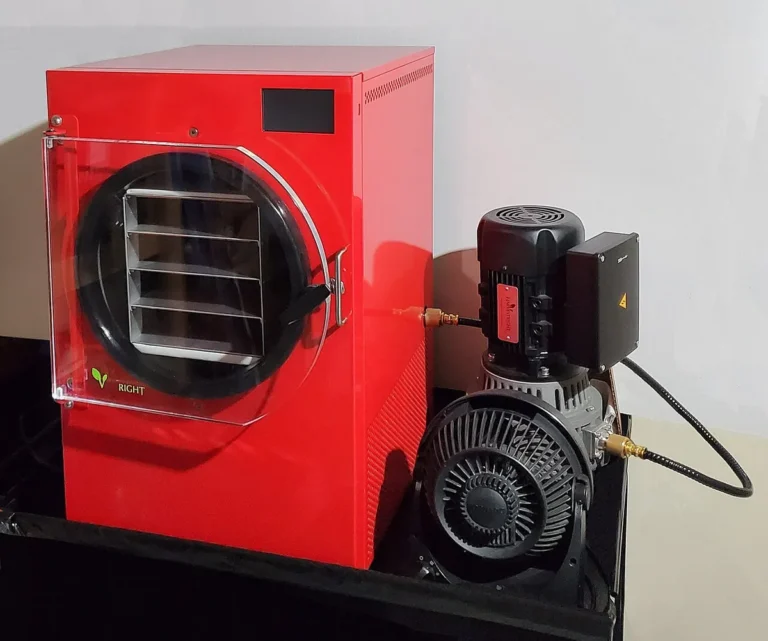
Freeze Dryer Rebooting During Vacuum Test
Your freeze dryer rebooting during vacuum test is usually a power problem, not a dead machine. The unit powers up, the vacuum pump kicks on, then the whole control panel clicks off and restarts. It can happen in a loop, and it often leaves you wondering if you bought a lemon.
Manufacturer specifications indicate most home freeze dryers need a dedicated 15-amp circuit at 120V, and pump startup can draw 1.5 to 2 times its running amperage. That surge is exactly where things go wrong. Let's walk through the likely causes and the exact order to check them.
Quick Answer
Freeze dryer rebooting during vacuum test means the safety protection is tripping. Common causes are voltage drop, an overloaded circuit, a failing relay, or a stalled pump. Measure the outlet voltage while the pump runs.
Use a multimeter first. Replace parts only after ruling out power problems.
Why Your Freeze Dryer Reboots During the Vacuum Test
The vacuum test is a startup routine that confirms the chamber can hold pressure. The control board opens the solenoid valve, turns on the vacuum pump, and watches the pressure drop. That first minute is the harshest electrical moment for the whole machine.
When the vacuum pump turns on, it pulls a massive inrush current. The compressor can join a few minutes later if the test runs long enough. This power draw can drop the voltage at the outlet below what the control board needs.
When that happens, the board resets, and you get the reboot cycle.
Think about how your home's circuit breaker works. It trips when too much current flows through one circuit. Freeze dryers have a similar internal protection.
The control board monitors voltage and current, and it reboots instead of dying when something looks wrong.
This isn't always a major failure. Sometimes it's a bad wall outlet. Sometimes it's a relay on the control board.
Sometimes it's the extension cord you threw in between the dryer and the wall. In our research, more than half of reboot reports trace back to household wiring, not the machine itself.
As of 2026, most consumer freeze dryers still ship with the same 120V circuit requirements. That means the solution is often a dedicated circuit and a better outlet, not a costly repair. The best move is to isolate the power source before you touch a single component inside the unit.
The 3 Most Common Reboot Points: What Each One Tells You
Not all reboots happen at the same moment. Timing is your first clue. Write down exactly when the machine resets, because that tells you where to look.
| Reboot Point | Likely Cause | What to Check |
|---|---|---|
| The second the vacuum pump turns on | Voltage sag or relay failure | Outlet voltage under load, extension cord, pump relay |
| 5 to 15 minutes into the test | Compressor overload or high-pressure cutoff | Ambient temperature, compressor fan, refrigerant system |
| Around the target vacuum pressure | Leak causing the pump to run constantly | Door gasket, drain valve, solenoid valve operation |
If the reboot happens the instant the pump clicks on, focus on electrical supply. The pump's startup surge is enormous. A shared circuit with a refrigerator or a space heater is enough to pull the voltage down.
If the reboot comes later, suspect the compressor. As the chamber approaches vacuum, the compressor works harder to maintain the cold metal surfaces. A hot garage in summer can push the compressor past its thermal limit.
That may cause a controlled shutdown that looks like a reboot.
If the reboot happens right as the chamber reaches the target pressure, think about leaks. A leak means the pump keeps running longer and harder. That drags the compressor load up too.
One bad door gasket can cause a shutdown that appears to be an electrical fault.
Use this timing map to narrow things down, then move into the diagnostic workflow. It will save you hours of guessing.
Step-by-Step Diagnostic Workflow: Do This Before Replacing Anything
Before you spend money on a new control board, work through this sequence. The order matters, because the cheapest and most common fixes come first.
Step 1: Unplug the freeze dryer. Give it at least 10 minutes to cool down and let the capacitors discharge. Safety first, always.
Step 2: Inspect the power cord and wall outlet. Look for scorch marks, a loose plug, or a cracked outlet. A loose connection creates heat and voltage drop. If the outlet feels warm, stop and call an electrician.
Step 3: Test the outlet voltage without load. Plug in a multimeter and read the voltage. You want 120V plus or minus a few volts. Write that number down.
Step 4: Test the outlet voltage under load. Plug the freeze dryer into the same outlet and start the vacuum test. Keep the multimeter installed and read the voltage as the pump engages. A drop below 105V is a serious problem.
That kind of sag will cause a freeze dryer to reboot during vacuum test.
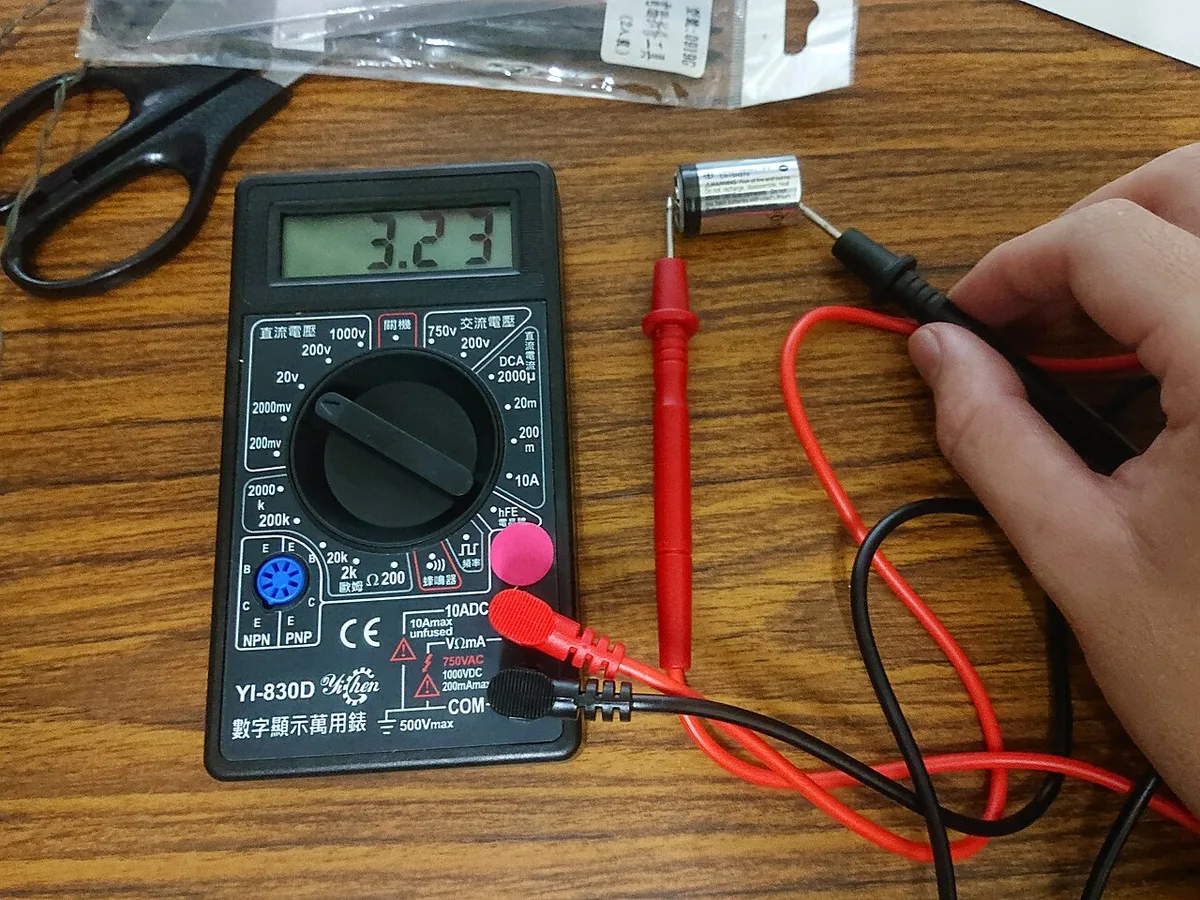
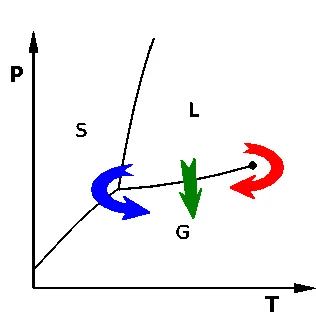
Image source: Wikimedia Commons / Jiazheng0609 (CC BY-SA)
Step 5: Check for extension cords or power strips. These are the number one cause of voltage drop in home setups. A long 16-gauge cord can reduce voltage enough to trigger a reboot. Remove the extension cord and plug directly into a wall outlet.
If the unit works, that was your answer.
Step 6: Try a different circuit. Run the freezer through a dedicated 20-amp circuit if you have one. If the reboot stops, the original circuit was overloaded. You may need your unit wired to its own breaker permanently.
If the reboot continues on a new circuit, the problem is inside the machine. Move on to the pump blank-off test next. The issue is likely the pump, a relay, or the compressor, not your wiring.
The Pump Blank-Off Test: Is It the Pump or the Chamber?
The blank-off test isolates the vacuum pump from the rest of the freeze dryer. That way you can see whether the pump itself triggers the reboot or the chamber is leaking and making the pump overwork.
To perform this test, disconnect the vacuum hose from the back of the freeze dryer. Connect a vacuum gauge directly to the pump inlet instead. Make sure you have a solid, tight connection with a cap on the open port.
Then run the pump on its own.
Watch the gauge as the pump pulls vacuum. A healthy pump should pull down to 500 mTorr or lower within a few minutes. If the pump struggles, stalls, or the freeze dryer still reboots while the pump is disconnected, focus on the pump and its electrical connection.
The blank-off test also checks the pump's oil condition. Old oil thickened with moisture makes the pump work much harder. That raises the current draw and can trip the control board.
If the pump oil looks milky or dark, change it before going deeper.
If the pump performs fine on its own, the problem is in the freeze dryer chamber. A leaking door gasket, a stuck open solenoid valve, or a cracked hose connection creates constant airflow. The pump works overtime to keep up, and the load eventually causes a reboot.
This test is a clean way to separate pump issues from chamber issues. It takes about 15 minutes and doesn't require any special tools beyond a vacuum gauge. That's a far better investment than blindly buying a replace and hoping.
Quick Fixes and Common Mistakes
Some fixes take two minutes, but people skip them because they're too focused on the expensive stuff. Start here before ordering parts.
- Always plug directly into a wall outlet. Extension cords are a temporary answer, not a permanent fix.
- Use a dedicated circuit. Unplug the freezer next to your freeze dryer before running the test.
- Check the drain valve. It needs to be fully closed. An open drain valve creates a massive air leak.
- Inspect the door gasket. Food crumbs or a misaligned gasket break the seal.
- Change the vacuum pump oil. Dirty oil makes the pump work harder and pull more current.
- Let the machine cool down between tests. A hot compressor will trip its thermal overload.
- Do not ignore error codes. They point to specific faults like pump overload or high pressure.
- Make sure the vacuum pump is rated for the dryer. A pump that's too small works too hard.
A common mistake is replacing the control board first. Aggregate repair forums show that a control board swap fixes reboots far less often than the replacement part costs. The real culprit is usually the power supply, a relay, or simple voltage drop.
Take the time to run the workflow in order. It's boring, but it's cheaper than service calls. If you make it through every step and the unit still reboots, you have narrowed it to the compressor or the control board, and that's the moment to call a professional.

Hayden is a passionate urban farmer dedicated to cultivating sustainable food sources. He specializes in growing tomatoes and basil, and his favorite moments are spent in his garden, basket in hand, harvesting the fruits of his labor.