Can You Freeze Dry Anything
Can you freeze dry anything? Honestly, no. That's the short answer, but the longer one is far more useful.
Freeze drying works beautifully on most fruits, vegetables, cooked meats, and eggs. Once you push past those basics, a few ingredients fight back hard with their moisture, fat, and sugar content.
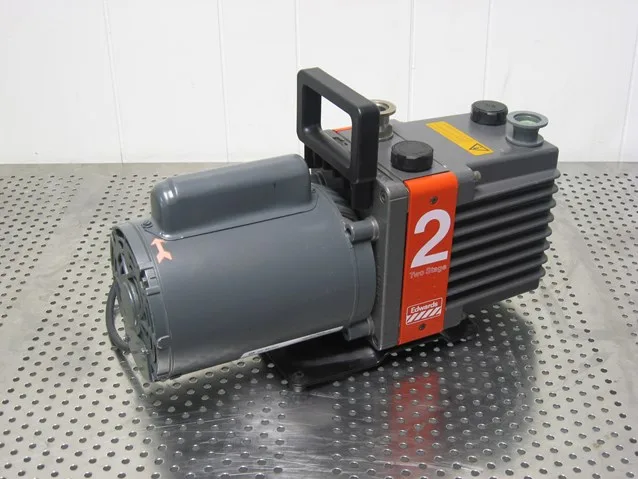
Freeze drying, or lyophilization, removes water by sublimation under vacuum. Most foods end up with under 2% internal moisture after a 20 to 36 hour cycle. Home units from brands like Harvest Right have made the process practical in regular kitchens.
That's why so many people are asking whether it truly works on everything, and the answer depends on science, not marketing.
Can You Freeze Dry Anything? The Short Answer, First
Not everything freeze dries well. Foods with under 10% fat and moderate sugar freeze dry beautifully. High-fat foods spoil fast, and pure honey never hardens properly.
So no, you cannot freeze dry anything.
Here is the practical breakdown. A home freeze dryer runs a 20 to 36 hour cycle, draws roughly 600 to 1,000 watts, and costs between $2,000 and $4,000 as of 2026. For that investment, you get shelf-stable food that can last 25 years or more when sealed correctly.
The process preserves structure, color, and most nutrients, which is why it beats freezing for long-term storage. The catch is that every ingredient brings different chemistry to the tray. What you load, how you pre-freeze, and how you package it makes the difference between a 25-year pantry staple and a wasted batch.
If you're weighing the upfront costs, this home freeze drying guide walks through the practical setup and real expenses.
Why Freeze Drying Works, and When It Doesn't
Freeze drying hinges on one physical process: sublimation. Under vacuum, ice skips the liquid stage entirely and turns directly into vapor. That is why freeze-dried strawberries keep their shape instead of collapsing into leather like dehydrated fruit.
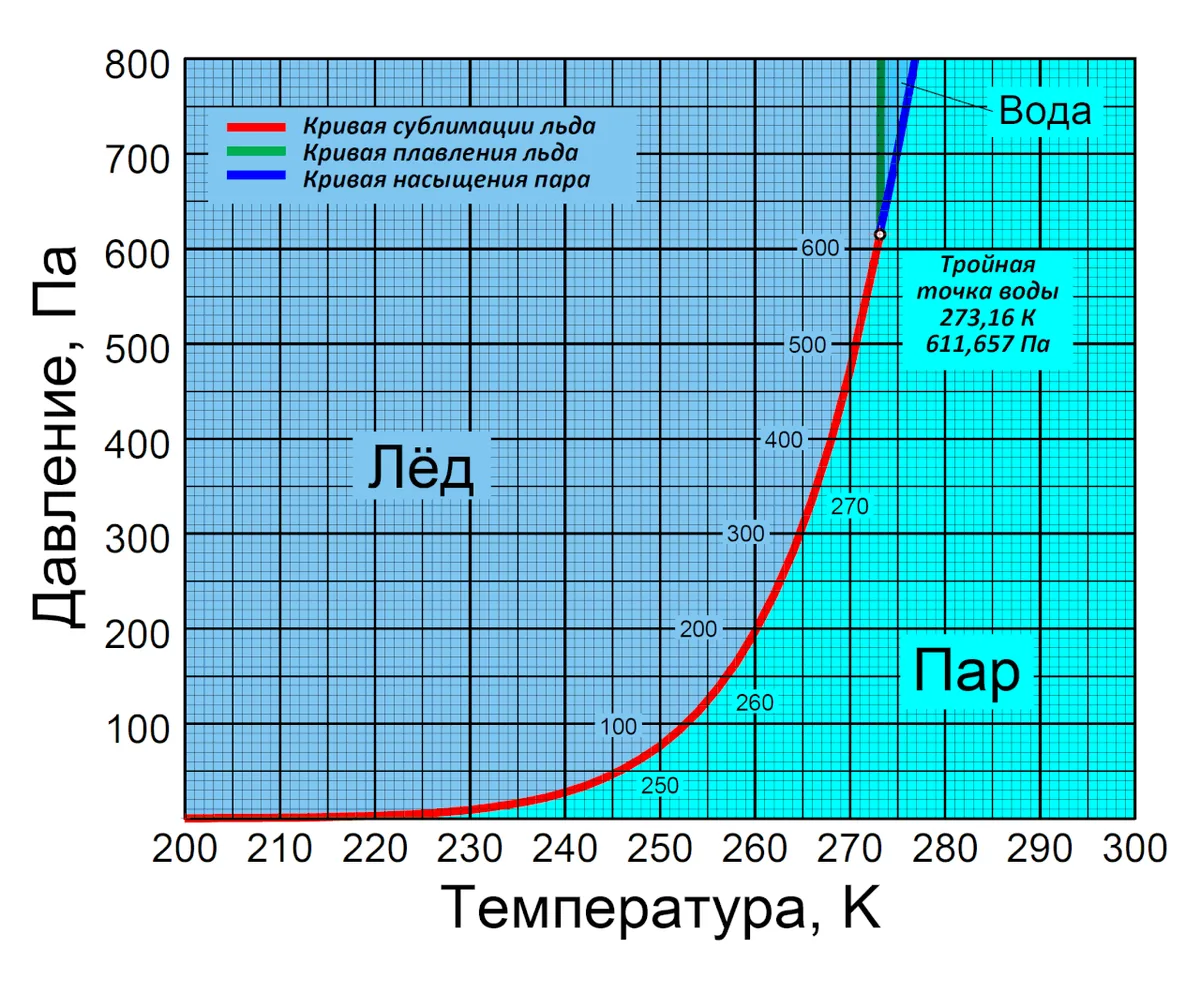
Image source: Wikimedia Commons / AdmiralHood (talk) 08:44, 26 September 2010 (UTC) (CC BY-SA)
The target number for long-term storage is under 2% residual moisture. At that level, bacteria, mold, and enzymes effectively stop working. Seal the food in mylar with an oxygen absorber and the shelf life stretches toward 25 years.
That is the entire point: biologic activity paused by dehydration.
The Three Variables That Decide Everything: Moisture, Fat, and Sugar
Three traits predict how any ingredient will behave in a freeze dryer.
- Moisture content. Freeze drying removes water, so food needs enough water to start. Liquid-rich foods like broth, berries, and cooked meats are ideal.
- Fat content. High-fat foods, meaning above roughly 10%, spoil fast when exposed to oxygen after drying. Avocado, nuts, and fatty fish are bad candidates.
- Sugar content. Sugar behaves oddly under vacuum. High-sugar items like honey, syrup, and some candies can bubble, foam, or turn glassy without ever drying properly.
If you can estimate those three values, you can predict almost any outcome. The best freeze-dried results come from whole foods with high water, low fat, and moderate sugar. That logic drives the decision tree below.
The Freeze-Drying Decision Tree: What Works, What's Tricky, What to Skip
Here is the decision tree. Check moisture, check fat, check sugar. Then drop the food into one of three baskets: great candidates, tricky but doable, and skip it.
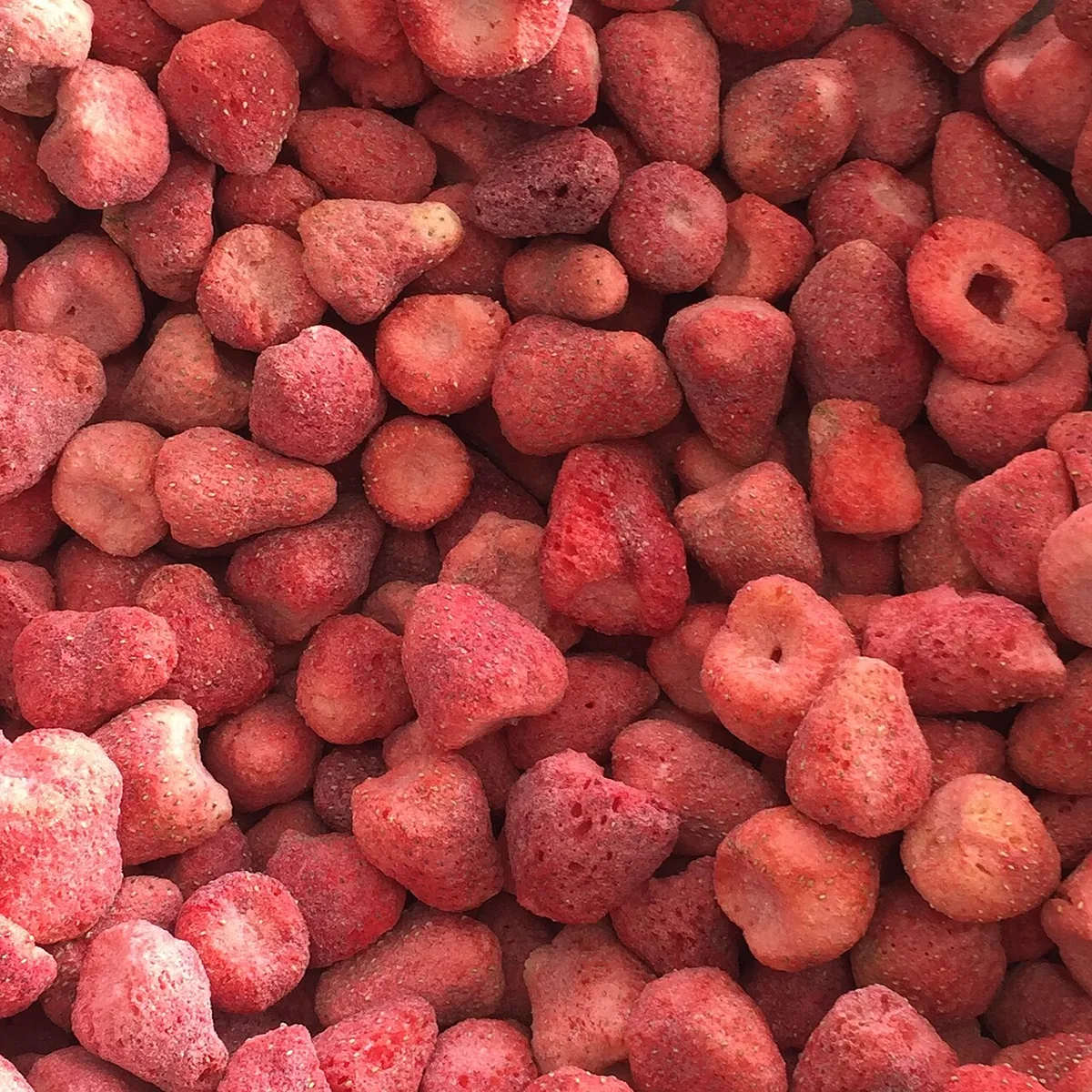
Image source: Wikimedia Commons / François Nguyen (CC BY)
Great Candidates: Fruits, Vegetables, Cooked Meats, and Eggs
Fruits like strawberries, blueberries, apples, and bananas freeze dry perfectly. Vegetables follow the same path: corn, peas, carrots, and mushrooms all come out great. Cooked ground beef, chicken, turkey, and scrambled eggs are pantry superstars with a 25-year shelf life.
If it has high water and low fat, it will almost certainly work.
Tricky but Doable: Dairy, Coffee, and High-Sugar Treats
Dairy is the classic troublemaker. Cream and whole milk can separate or burn onto trays, so low-fat versions perform better. Skim milk, yogurt, and hard cheese usually work well.
Coffee and tea freeze dry into lightweight crystals you can rehydrate instantly. High-sugar treats like Skittles and gummies are the fun exception to the sugar rule, but only when they resolidify properly.
Avoid These: High-Fat Foods, Pure Honey, and Alcohol
Pure honey is all sugar and almost no water, so there is nothing to sublimate. Alcohol stays liquid under vacuum rather than freezing clean, and its fumes are a fire hazard near the pump. High-fat foods like avocado, olive oil, and raw salmon go rancid weeks after drying.
Deep fryers and oil-packed ingredients belong in the freezer, not the freeze dryer.
Freeze Dryer vs. Dehydrator vs. Canning: Which One Fits Your Life?
Once you understand the science, the next question is usually practical: why not use a dehydrator or a canner? Both are cheaper, and both work well. But they solve different problems.
Upfront Costs, Batch Sizes, and Storage Reality
A home freeze dryer costs between $2,000 and $4,000. A solid dehydrator runs $100 to $300. Canning supplies are cheap, but time and heat are the real cost.
Freeze drying preserves texture and up to 97% of nutrients, while dehydrating concentrates flavor but changes texture completely.
| Method | Upfront Cost | Shelf Life | Texture | Best For | | Freeze drying | $2,000–$4,000 | 25+ years | Original, crisp | Long-term storage | | Dehydrator | $100–$300 | 1–2 years | Chewy, leathery | Snacks, camping meals | | Canning | $50–$200 | 1–5 years | Soft, wet | Sauces, soups, high-acid foods |
Best Use Case for Each Preservation Method
Use a dehydrator for jerky, fruit leather, and backpacking snacks. Use canning for big batches of soup, tomato sauce, and pickles. Use a freeze dryer when you want an emergency pantry, preserve garden surplus raw, or turn cooked meals into instant rehydration dinners.
The right method depends on what you plan to do with the food six months from now.
Common Freeze-Drying Mistakes and How to Fix Them
Repeat after us: pre-freeze liquids first. If you load wet soup into the machine without pre-freezing, the boiling action under vacuum creates a mess on the rims. Pre-freeze broth, milk, and eggs on the trays for 24 hours before starting the cycle.
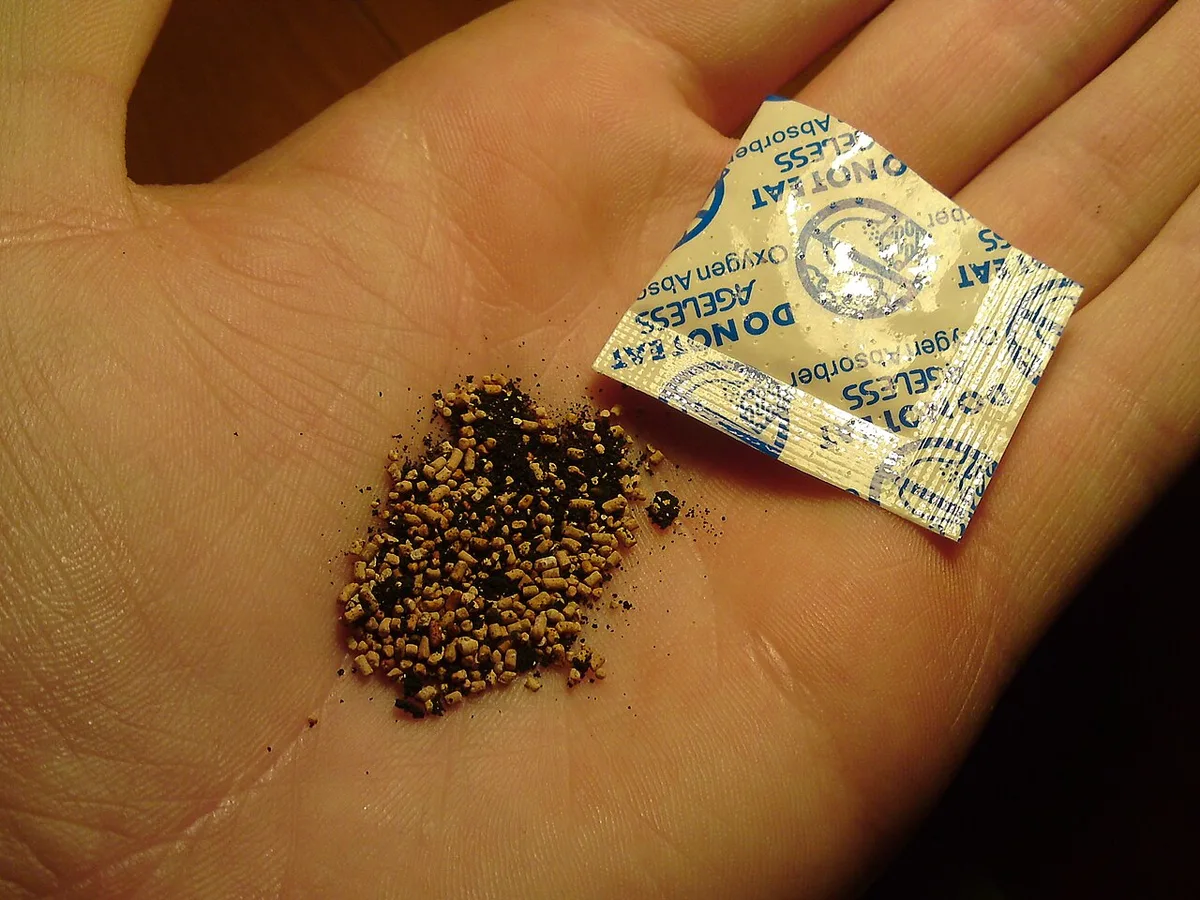
Image source: Wikimedia Commons / Dom0803 (talk)
Pre-Freezing, Overloading, and the 2% Moisture Rule
Overloading trays is the second most common mistake. Each tray needs airflow, so never pile food higher than the tray rim. The 2% moisture rule matters here too.
Skip the final drying stage and leftover moisture ruins the batch inside the package.
Packaging and Rehydration Errors That Ruin Batches
Moisture sneaks back in fast. If you leave freeze-dried food exposed to air for more than a few minutes, it starts absorbing humidity. Use mylar bags with oxygen absorbers and an impulse sealer immediately after the cycle finishes.
Rehydration is simple: hot water, wait five minutes, adjust to taste. Overdo the water and you get mush.
One safety caution from USDA food safety guidance: freeze drying does not kill pathogens. Raw meat should be fully cooked before drying unless you're following a validated raw protocol. When in doubt, cook first.
And always test a piece from every batch. If the center is chewy or cold, the cycle wasn't long enough.
Freeze-Drying FAQs You Probably Have
Here are the questions we see most often from people exploring freeze drying at home.
Can you freeze dry raw meat?
Yes, but cook it first unless you have a validated raw protocol. Freeze drying does not kill bacteria like salmonella or E. coli. Cooked, drained ground beef is the best starting point because it rehydrates beautifully and stores for decades.
How long does freeze-dried food actually last?
Up to 25 years when sealed in mylar bags with oxygen absorbers. That estimate depends on hitting the 2% moisture rule and storing bags in a cool, dark place. Higher moisture or warmer storage cuts that timeline down fast.
Do you need a freeze dryer, or can you use a regular freezer?
A regular freezer works differently. Home freezers run around 0°F, which is not cold enough for sublimation. Freeze dryers pull a vacuum while maintaining sub-zero temperatures, so ice can turn directly into vapor.
That process simply can't happen in a standard freezer.
Why did my freeze-dried candy turn out chewy?
Leftover moisture is the usual suspect. High-sugar items often need extra finishing time in the drying chamber. The fix is simple: check a cooled piece before stopping the cycle.
If it flexes instead of snapping, run another hour of dry time.
Can you freeze dry liquids like milk or soup?
Yes, but pre-freeze them first. Liquids without pre-freezing boil under vacuum and spill over the tray rims. Low-fat liquids handle the process best.
Whole milk and heavy cream can separate or leave a greasy film on the trays.
Final Verdict: What You Should Actually Freeze Dry at Home
Freeze drying is the closest thing to a time machine for food. Fruits, vegetables, cooked lean meats, eggs, low-fat dairy, and most prepared meals freeze dry exceptionally well. The results store for decades, rehydrate quickly, and keep their nutrition.
Start with single ingredients before you attempt full meals. Master berries, corn, cooked chicken, and scrambled eggs. Once those come out consistently crisp, branch into soups, stews, and candy experiments.
Keep the machine clean, pre-freeze all liquids, and never skip the finishing dry cycle. Package everything in mylar bags with oxygen absorbers the moment the batch finishes. Air exposure ruins freeze-dried food faster than any other mistake.
The real question isn't whether you can freeze dry everything. It's whether you should. Use the moisture, fat, and sugar test on every ingredient you load.
High water and low fat means yes. High fat means skip it. Pure sugar and alcohol mean walk away.
As of 2026, home freeze drying is still a significant investment. But for households that value emergency preparedness, garden preservation, or lightweight outdoor meals, the payoff is hard to beat. Start with one batch, learn the machine, and let the results speak for themselves.
Hayden is a passionate urban farmer dedicated to cultivating sustainable food sources. He specializes in growing tomatoes and basil, and his favorite moments are spent in his garden, basket in hand, harvesting the fruits of his labor.