Can You Freeze Dry at Home
Can you freeze dry at home? Yes, but the real answer is more honest than that. Home freeze dryers let regular people make shelf-stable food that lasts decades, but they cost thousands and take over a countertop.
Before you buy one, know what you're actually signing up for.
These are serious machines, not countertop toys. Most home units pull a vacuum to about 200 milliTorr and freeze the chamber to roughly -30°F. As of 2026, residential freeze drying is easier to get into than ever, but it still demands space, power, and patience.
Let's look at what actually matters first.
So, Can You Actually Freeze Dry at Home?
Quick answer: yes, with the right setup. But "can you" and "should you" are different questions. This machine makes sense for some people and not others.
If you want to preserve a big garden harvest, this is a brilliant tool. If you want lightweight camping meals, it's excellent. If you're trying to save money on groceries, the math rarely works out.
A dehydrator is cheaper for everyday snacks.
Three conditions should be true first. You need a dedicated spot with good airflow. You need a circuit that can handle the power draw.
And you need the honesty to use it more than twice a year.
The machine you're most likely looking at is a Harvest Right, which dominates the U.S. home market as of 2026. Its process, called lyophilization, gives food a 20 to 25 year shelf life when stored correctly.
How a Home Freeze Dryer Actually Works
The Science Without the Snooze: Sublimation
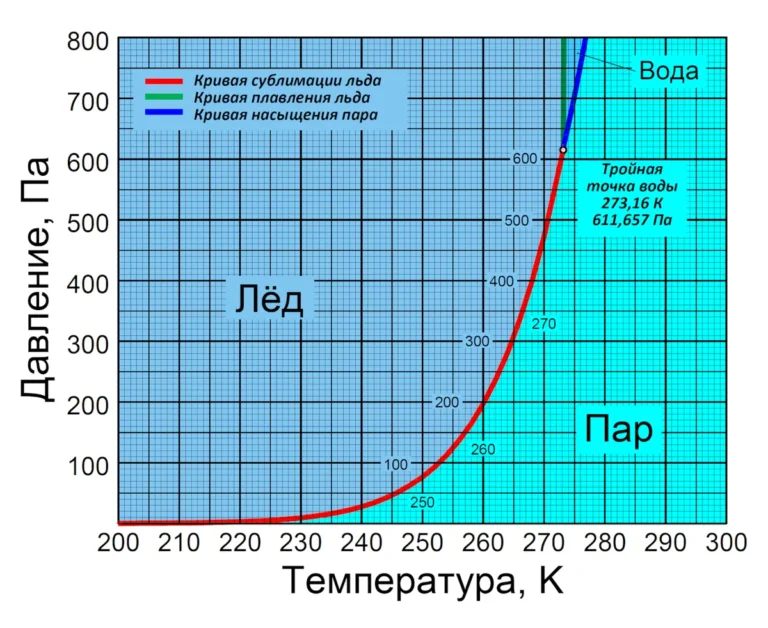
Sublimation is the entire party trick. Ice skips the liquid stage and goes straight to vapor. Inside the chamber, frozen food sits under a deep vacuum, and the ice lifts away as gas.
The food never warms above freezing during the main cycle, so the cellular structure stays intact.
That's why berries keep their shape and snap instead of turning mushy.
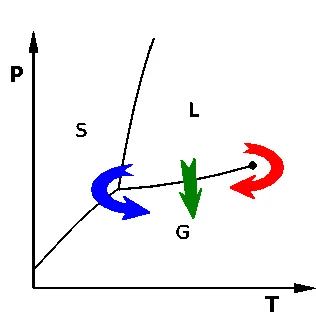
Image source: Wikimedia Commons / Wikimedia Commons contributor
What the Machine Is Really Doing All Night
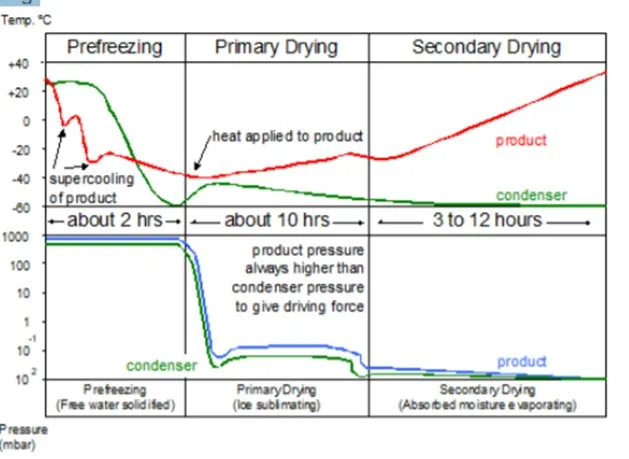
Every cycle follows the same loop. First, the chamber drops to around -30°F to freeze the food solid. Then the vacuum pump removes the air, dropping pressure to roughly 200 milliTorr.
Gentle heat warms the trays, and the ice sublimates, moving to a cold coil where it refreezes. Finally, that ice melts and drains into a bucket you empty after the run.
The Space, Noise, and Time Commitment
Do not underestimate the footprint or the hum. These units stand about the size of a small washing machine and need clearance on every side. Aggregate reviews report typical noise around 60 to 75 decibels.
That's a loud fridge, not a whisper.
Batches run 20 to 40 hours depending on water content and load size. Water-heavy foods like soups sit at the top end. Single-layer fruit finishes closer to 20 hours.
You'll start in the morning and let it run overnight.
The Biggest Decision Variables: Is It Worth It for You?
Before you buy, answer four questions.
- What's your food goal? If you want a 20-year emergency supply, freeze drying wins. If you just want leftover soup for next month, a freezer is cheaper and easier.
- What batch size fits? Small units hold 5 to 7 pounds of fresh food per run. Large units handle 12 to 15. If you'd run fewer than 20 batches a year, the cost per batch gets uncomfortable.
- What's your real budget? A machine runs roughly $2,500 to $4,500, and each batch costs $3 to $8 in electricity. That doesn't include the food. If you're buying to save money, run the numbers first.
- Where will it live? You need a hard floor, a dedicated outlet, and space around the machine. An unheated garage makes cycles longer in winter.
If you're still nodding along, the next question is whether another method gets you there cheaper. For occasional snacks, a dehydrator is the smarter branch. For long-term preparedness, the freeze dryer wins.
Home Freeze Dryer vs. Cheaper Ways to Preserve Food
Home freeze drying is powerful, but it's not the only path. Choose based on shelf life and how much effort you want.
Image source: Wikimedia Commons / Claudio Tennie at German Wikipedia (Original text: Claudio Tennie)
| Method | Shelf Life | Upfront Cost | Best For |
|---|---|---|---|
| Home freeze dryer | 20 to 25 years | $2,500 to $4,500 | Complete meals, garden surplus, camping food |
| Dehydrator | 6 to 12 months | $30 to $300 | Jerky, fruit leather, dried herbs |
| Pressure canner | 1 to 5 years | $100 to $400 plus jars | Soups, sauces, vegetables, meats |
| Freezer | 6 to 12 months | $500 to $2,000 | Leftovers and batch-cooked meals |
| Store-bought freeze-dried | 10 to 25 years | $8 to $15 per pouch | Emergency food without equipment |
Pressure canning is the cheapest way to shelf-stabilize low-acid foods, and it follows tested procedures from the National Center for Home Food Preservation. Dehydrating is simple but leaves food vulnerable to rehydration and shorter storage. Freezing is easiest, but it depends on power staying on.
And skip the dry-ice-in-a-cooler hack. It's not real freeze drying. It removes surface moisture, can leave internal water behind, and creates a carbon dioxide hazard.
That trick is a safety problem, not a money-saver.
What Freeze Dries Great (and What Will Disappoint You)
The Best Foods to Freeze Dry
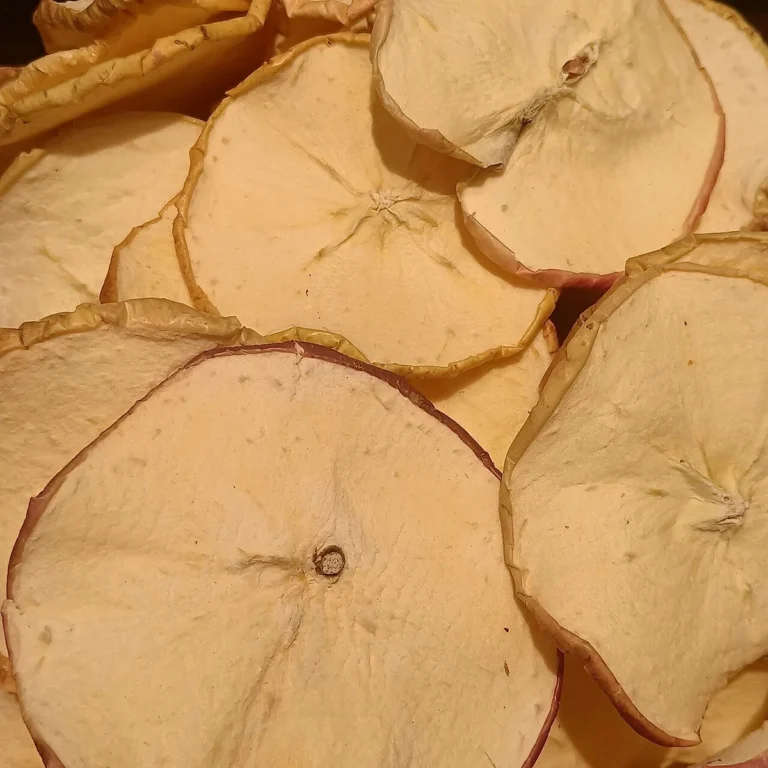
Stick with low-fat, high-water foods first. Berries, bananas, apples, corn, peas, mushrooms, and cooked lean meats all freeze dry beautifully. Scrambled eggs and complete meals like stew or chili also work well.
Cut pieces into uniform sizes so the batch finishes evenly.
These foods rehydrate fast and keep their texture. For most beginners, fruit is the perfect first run. It's forgiving, looks great, and actually tastes better than store-bought freeze-dried fruit.
The Tricky Foods
High-fat foods are the biggest letdown. Avocados, peanut butter, and fatty cuts of meat go rancid within months because fats oxidize even in an airtight bag. High-sugar foods are also troublesome.
Jelly, syrup, and honey stay sticky, attract moisture, and never dry to a stable shelf state. Dairy can be done, but whole milk and cream often rehydrate poorly.
The "Bay Leaves" Problem: Foods You Should Skip
Some foods don't ruin, but they invade the machine. Bay leaves, garlic, onion, and other strong aromatics leave oils behind in the chamber. Those odors can taint the next batch, especially something neutral like apples.
If you're determined to run them, plan a deep clean afterward.
A good rule: if it's oily, syrupy, or aggressively fragrant, find another way to store it.
What It Really Costs: Price, Electricity, and Hidden Expenses
Let's talk actual dollars. The machine itself is the biggest line item, but it's not the only one.
| Cost Item | Typical Range | Notes |
|---|---|---|
| Freeze dryer unit | $2,200 to $4,500 | Price scales with chamber size |
| Oil-lubricated pump | Included or $500 extra | Needs oil changes every 3 to 6 batches |
| Oil-free pump upgrade | $900 to $1,200 | Lower maintenance, louder, pricier |
| Electricity per batch | $3 to $8 | Depends on local rates and run length |
| Mylar bags + oxygen absorbers | $0.50 to $1.25 per bag | Buy in bulk to cut costs |
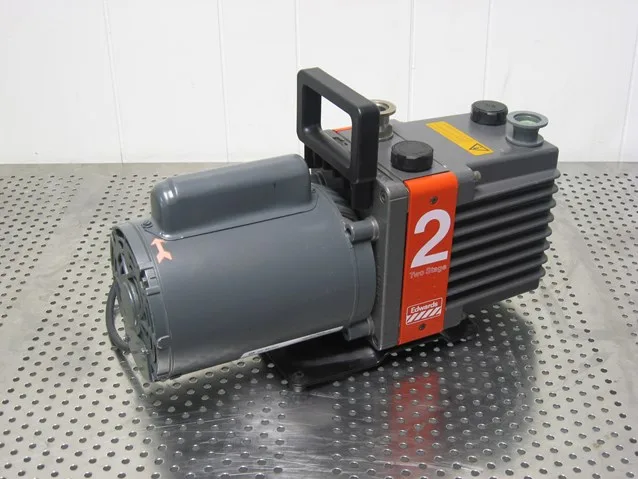
Aggregate reviews and manufacturer specs show the oil-free pump saves hassle long-term. But the oil-lubricated one is cheaper upfront and slightly quieter. If you plan 50 batches a year, spring for oil-free.
If you're a casual user, either works.
Don't forget the consumables. Mylar bags, oxygen absorbers, and a heat sealer add up fast. A good heat sealer runs $30 to $80, and 50 bags with absorbers cost roughly $40.
Those are ongoing costs, not one-time ones.
A single batch of freeze-dried strawberries costs about $15 to $20 all-in, including the berries, electricity, and packaging. That's higher than dried strawberries from the store, but the quality and shelf life are different categories entirely.
The Biggest Mistakes Beginners Make
The learning curve is short, but these four mistakes cause most failed batches.
Overloading the trays. You'll want to cram everything in. Don't. Single layer only, with space between pieces.
Overloaded trays trap moisture in the middle, and the cycle runs 10 extra hours hunting for ice that won't sublimate.
Skipping the pre-freeze step. Many models ask you to pre-freeze foods before starting. Skipping this jams the vacuum pump, forces the machine to work harder, and sometimes triggers a false error. Ten minutes of planning saves a 30-hour headache.
Not checking residual moisture. The cycle ends when the machine says so, but your food needs to be bone dry. Break a piece open. If you see frost, ice, or a cold soft center, run it again for a few hours.
Moisture left behind spoils the whole batch inside weeks.
Sealing too early. Packaging is the final, non-negotiable step. If bags go out with oxygen inside, the food degrades fast. Use oxygen absorbers, heat-seal immediately, and label every bag with the date.
There's a fifth mistake that's harder to fix: buying without a plan. A freeze dryer isn't a decoration. Map out your first five batches before the unit arrives.
FAQs and Your Final Decision Guide
How Long Does Freeze-Dried Food Last?
Properly dried and sealed food lasts 20 to 25 years at room temperature. That's the headline number. For best results, store sealed mylar bags in a cool, dark place below 70°F.
Every 10°F cooler roughly doubles the shelf life.
What Never to Put in a Freeze Dryer?
Skip anything with high fat or lots of sugar. Avocados, peanut butter, honey, and syrup won't cure properly, and fats go rancid within months. Strong aromatics like garlic and onion leave odors that taint following batches.
When in doubt, dehydrate it instead.
Is It Cheaper Than Buying Freeze-Dried Food?
Bulk retail freeze-dried meals cost $8 to $15 per pouch. Home freeze drying runs $2 to $5 per batch of prepared food once the machine is paid off, but you need dozens of batches to break even. Budget buyers still save long-term; casual buyers don't.
How Long Does a Home Freeze Dryer Take?
Most cycles run 20 to 40 hours, plus extra for dense or watery foods. Freeze-drying isn't a same-day process. A typical run starts in the morning, finishes the next afternoon, and needs a few hours of post-dry testing before packaging.
What's the Best First Batch?
Start with sliced strawberries or bananas. They're forgiving, colorful, and impressive when they snap. Berries give you a clear visual cue for when they're done, and they rehydrate beautifully.
Save complete meals for your third or fourth run.
The Bottom Line: Should You Do It?
Buy a home freeze dryer if you have the space, the budget, and a real storage goal. It shines for preppers, gardeners, hunters, and families who meal prep in bulk. If you only want occasional snacks, get a dehydrator and skip the romance.
The machine earns its keep only when you use it regularly. As of 2026, it's a solid investment for the right household and an expensive dust collector for everyone else.

Hayden is a passionate urban farmer dedicated to cultivating sustainable food sources. He specializes in growing tomatoes and basil, and his favorite moments are spent in his garden, basket in hand, harvesting the fruits of his labor.