Can You Freeze Dry Applesauce
Can you freeze dry applesauce? Yes, and it's one of the most forgiving things you'll run through a home freeze dryer. The process removes almost all the moisture, turning a perishable sauce into something you can store for years.
It's simple once you understand a few rules.
Applesauce loses roughly 85% of its original weight during the freeze-drying process. That weight loss is why the finished product is so light and shelf-stable. The final texture depends on how thick you spread it and what you do after the cycle ends.
Let's walk through the whole process.
Quick Answer: Can You Freeze Dry Applesauce?
Yes, you can freeze dry applesauce. It dries well and keeps its flavor. You end up with crispy chips or a fine powder.
Spread the sauce thin and give it time. Most home freeze dryers handle it without issue.
How Freeze-Drying Applesauce Works and Why Sugar Content Matters
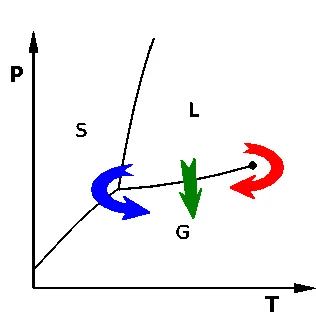
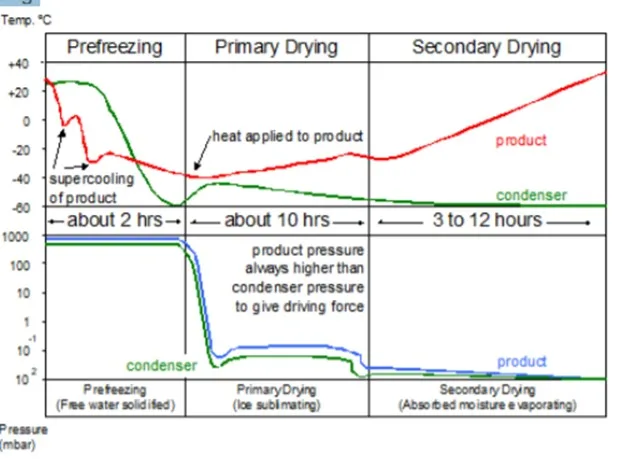
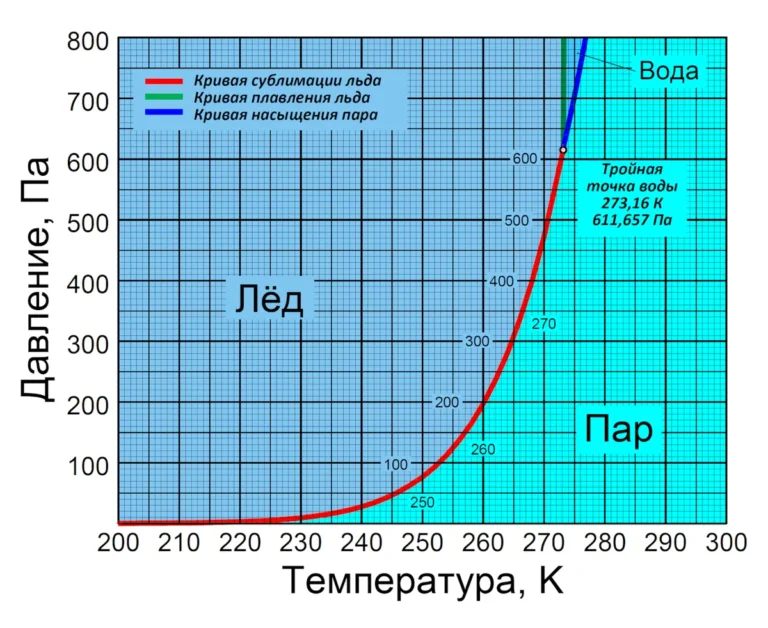
Freeze-drying starts by freezing the applesauce solid. The ice then turns directly into vapor inside the machine. That's called sublimation.
It preserves flavor, color, and nutrients better than heat drying.
Applesauce has high moisture, usually around 84 to 88%. Natural sugars and pectin make it a slower product than most fruits. A typical batch takes 12 to 24 hours in a home freeze dryer.
As of 2026, that's normal across major brands.
Sugar content changes how the sauce behaves. Sweetened applesauce bubbles more and can stick to the trays. It also tends to dry with a tacky, bendy texture unless the cycle runs long enough.
Unsweetened sauce dries more evenly and turns into powder with less frustration.
If you buy applesauce from the store, choose the unsweetened kind. Check the label for added sugar, cane syrup, or artificial sweeteners. The best option is plain homemade sauce with no additions.
The natural acidity in applesauce, roughly pH 3.3 to 4.0, helps it stay shelf-stable without extra preservatives. You don't need to add anything. For more detail, the National Center for Home Food Preservation offers food preservation guidelines that cover similar fruit purees.
Best Applesauce for Freeze-Drying: Unsweetened vs Sweetened, Chunky vs Smooth
Homemade applesauce is the best starting point. You control the sweetness and texture. Store-bought applesauce works too, but read the label before buying.
The smooth versus chunky decision matters more than you'd think. Smooth sauce spreads into flat, even chips. Chunky sauce keeps small pieces of apple intact, which gives you more crunch after drying.
If you want a simple rule: unsweetened smooth sauce makes the best powder. Unsweetened chunky sauce makes the best snack piece. Sweetened sauce can still work, but it's stickier and requires more patience.
Here's a quick breakdown to help you choose.
| Applesauce type | Drying behavior | Best for |
|---|---|---|
| Unsweetened, smooth | Dries evenly, no clumping | Powder, rehydrating |
| Unsweetened, chunky | Crisps with texture | Snack bites, kids |
| Sweetened | Bubbles more, sticky | Crisps only |
| "Lite" with artificial sweeteners | Odd aftertaste | Skip |
If you're preparing sauce for baby food, rehydratable sauce is the most practical form. For lunch boxes, chunky crisps win. Keep your usual meals in mind before choosing a jar.
Step-by-Step: How to Freeze Dry Applesauce from Tray to Storage
Line your trays with parchment paper or silicone mats. Applesauce sticks to bare metal. Spread the sauce about 1/8 to 1/4 inch thick.
That thickness helps it freeze and dry evenly.
If your freeze dryer doesn't have a pre-freeze option, freeze the trays until the sauce is solid. That usually takes 12 to 24 hours in a regular freezer. Units with a pre-freeze feature can switch over automatically once the trays are loaded.
Load the trays and run a full cycle. A typical cycle takes another 12 to 24 hours. Check for dryness when it finishes.
The dried sauce should snap, not bend. Break a piece open to look for cold or wet spots.
If the sheets feel leathery or bendy, the cycle wasn't long enough. Put them back in for a few more hours. This happens more often with thick layers of sweetened sauce.
Store the finished applesauce right away. Moisture sneaks back in quickly, especially in humid weather. Seal it in mylar bags or glass jars.
Add an oxygen absorber for long-term storage. If you prefer glass, a jar vacuum sealer makes the process easier.
Choosing Your End Result: Crisps, Powder, or Rehydratable Sauce
The dried sheets are versatile. You can eat them as crisps, grind them into powder, or turn them back into sauce. Decide based on how you cook.
Crisps are the easiest. Break the dried applesauce into bite-size pieces and snack on them as is. They're light, crunchy, and perfect for lunch boxes or trail mix.
Powder takes a little more effort. Pulse the dried sheets in a blender until fine. Store the powder in an airtight jar, because it attracts moisture fast.
Use it in oatmeal, smoothies, yogurt, or baked goods.
To rehydrate, keep the flakes coarse. Mix one part dried applesauce with one and a half parts water. Let it sit for a few minutes, then stir.
Add more water if you want a thinner sauce.
For a quick reference, here's the easiest way to match the form to your meal.
| Result | How to make it | Best for |
|---|---|---|
| Crisps | Break by hand | Snacking |
| Powder | Blend until fine | Baking, smoothies |
| Sauce | Add water to flakes | Recipes, baby food |
Work quickly when handling the powder. The sugar in applesauce pulls moisture from the air. If you live in a humid climate, seal the jar within a minute or two.
For another puree-friendly project, avocados follow a similar freeze-drying path once they're smooth.
Mistakes to Avoid When Freeze-Drying Applesauce
The biggest mistake is overloading the tray. Applesauce expands as it freezes. Too thick and the center stays cold.
If your freeze-dried applesauce bends, the layers were too thick.
Another issue is ignoring sugar content. Sweetened applesauce sticks and clumps. It also traps moisture.
If you use store-bought, always check for added sugar.
- Spreading over 1/4 inch thick: the bottom never dries completely.
- Forgetting parchment: applesauce sticks to bare trays.
- Blending powder immediately: the sugar heats and clumps.
- Skipping the dryness test: a bendy sheet means incomplete sublimation.
One more trap: emptying the whole batch into one container. Portioning into small bags protects the rest when you open one for a snack.
Final rule: if it bends, it's not done. Put it back for another two hours. That simple check fixes most failed batches.
Skipping the recommended tray depth is the root cause of most troubleshooting calls. Manufacturer specs suggest a thin layer, no matter how much patience it takes to spread. Rushed batches usually waste more time than the extra step saves.
If you see dark edges, those are scorched sugars, not a success. If the center feels sticky, the cycle ran too short. Both mean the batch needs more time.
Storing and Rehydrating Freeze-Dried Applesauce Without Ruining It
The shelf life depends on your storage method, not the freeze dryer. Use mylar bags with oxygen absorbers for long-term powder storage. Powder reabsorbs moisture instantly, so seal the bag within a minute.
For crisps, glass jars with vacuum seals work well. A jar vacuum sealer makes the job easy. Just make sure the lid seals tight.
Add one 100 cc oxygen absorber to a quart-size bag to keep the texture crisp.
| Storage method | Shelf life | Best for |
|---|---|---|
| Mylar with oxygen absorber | 2 years | Powder, long-term |
| Vacuum-sealed jar | 1 year | Crisps, snacking |
| Zip-top bag | 3 months | Immediate use |
For rehydration, mix 1 part dried sauce with 1.5 parts water. Let it sit for five minutes. Add water until it matches your favorite consistency.
Use powder in baking to save time. Replace one quarter of the liquid in muffin recipes with applesauce powder plus water. It adds sweetness and moisture without a strong flavor shift.
Freeze-dried powder takes up half the space of the original sauce. Always label the container with the date. That way, you know what to use first when older jars sit in the pantry.
Applesauce Freeze-Drying FAQ
How long does applesauce take to freeze dry?
Most home freeze dryers need 12 to 24 hours. The exact time depends on tray thickness and sugar content. Unsweetened sauce at 1/8 inch usually finishes in 14 hours.
Sweetened or thicker batches often run closer to 24 hours. Check the batch at the 12-hour mark to judge progress.
Why is my freeze-dried applesauce bendy?
Bendy means the batch still contains moisture. The cycle ran too short, or you spread the sauce too thick. Run another two hours.
If it still bends, remove a little material and retry. A fully dried applesauce sheet snaps cleanly when broken. It shouldn't feel leathery at all.
Can you freeze dry store-bought applesauce?
Yes, but choose unsweetened. Added sugars increase stickiness and drying time. Smooth varieties give you the most even batch.
Look for a label that lists apples as the only ingredient. Organic and fancy brands work exactly the same as generic ones. Also check the nutrition panel for hidden sweeteners.
Does freeze-dried applesauce taste good?
Yes, it tastes like concentrated applesauce. The freeze-drying process keeps the natural sweetness and tartness. As crisps, they eat like a subtle fruit snack.
As powder, they rehydrate close to fresh sauce. Texture is crisp and light, not chewy. That makes them a great pantry staple.

Hayden is a passionate urban farmer dedicated to cultivating sustainable food sources. He specializes in growing tomatoes and basil, and his favorite moments are spent in his garden, basket in hand, harvesting the fruits of his labor.