Can You Freeze Dry Asparagus
Can you freeze dry asparagus? Yes, but the right answer depends on how you plan to use it. Freeze drying turns fresh asparagus into a shelf-stable, lightweight ingredient that keeps its nutrition, color, and flavor for decades.
It is different from dehydrating, and the process matters more than you might expect.
If you are staring at a surplus spring harvest and wondering whether a home freeze dryer is worth the electricity, here's the short version: freeze drying asparagus works well, but it takes time, space, and an equipment investment. A typical home freeze dryer pulls a vacuum below 500 mTorr and runs 20 to 35 hours per load. As of 2026, it is the only practical way to get the long-term pantry shelf life and quick rehydration this vegetable is known for.
The rest of this guide walks you through the choices that matter.
Quick Answer: Yes, But It Depends on How You Plan to Use It
Yes, you can freeze dry asparagus. It stores 25 years or more when sealed correctly. The texture turns brittle, so plan for soups rather than snacks.
Cut pieces dry faster and rehydrate better. Whole spears work, but they take more attention.
What Freeze Drying Does to Asparagus (and Why It's Different From Dehydrating)
Freeze drying, also called lyophilization, removes water without turning it into liquid. The machine freezes the asparagus solid, then pulls a vacuum so the ice sublimates directly into vapor. That protects the plant's cell structure, which is why freeze-dried asparagus keeps its original shape and color far better than anything from a dehydrator.
The process is a chemical trick, but the result is simple: dry, brittle, nearly weightless pieces.
Asparagus is roughly 93 percent water. Once the cycle finishes, you have a product that weighs about 90 percent less than the fresh spears. It retains a surprising amount of nutrition too.
The low temperatures preserve vitamin C, folate, and antioxidants better than heat-based drying, which is one of the main reasons people invest in freeze dryers.
That said, the texture is more like a stale cracker than fresh asparagus. It is not a raw snack replacement. It is an ingredient, and a remarkably useful one.
You add it to soups, stews, and casseroles, or grind it into a powder for seasoning.
Dehydration, by comparison, is a tougher sell for asparagus. Heat and airflow shrink the stalks, turn them leathery, and leave moisture hiding in the thick parts. A typical dehydrator finishes asparagus unevenly, and shelf life rarely beats one to two years.
Freeze-dried asparagus stays good for decades when packaged with oxygen absorbers.
Here is a quick comparison of the three common ways to preserve it:
| Method | Texture | Shelf Life | Nutrient Retention |
|---|---|---|---|
| Freeze drying | crisp, brittle | 25+ years | High |
| Dehydrating | chewy, leathery | one to two years | Moderate |
| Freezer freezing | tender after thaw | 8 to 12 months | High |
The short version is that freeze drying is the better preservation method for asparagus, but it comes with a steeper learning curve and higher equipment cost. It is not a substitution for a dehydrator. It is a different tool for a different goal.
Before You Start: Two Key Decisions That Change Your Approach
Think through the outcome before you prep the trays. The wrong choice here explains most disappointing batches. Two questions really matter, and both change how long the cycle runs and how you use the finished product.
Whole Spears vs. Cut Pieces
The first decision is shape. Whole spears look great in storage jars, but they dry unevenly. The tips lose moisture fast while the stalk ends stay cold and wet.
That difference can force you to run the machine longer, and even then, some pieces may come out softer than others.
Cut pieces solve that. Slice the trimmed spears into 1-inch lengths, and every chunk dries at nearly the same rate. They pack tighter too, which matters if you are building meals for a camping trip or a long-term pantry.
If you want to rehydrate asparagus as a side dish, whole spears are worth the extra attention. If you are adding it to soups, stews, or backpacking meals, cut pieces are the better call. The same logic applies if you plan to grind it into powder.
Smaller pieces grind faster and give you a more consistent result.
Either way, trim off the woody bases first. They do not soften enough during freeze drying or rehydration, and they ruin the texture of everything they touch.
To Blanch or Not to Blanch
Blanching means dropping the asparagus into boiling water for a minute or two, then into an ice bath. The goal is to deactivate enzymes that dull color and create off-flavors over time. Freeze drying removes water, but it does not fully stop enzyme activity.
Current guidance from the National Center for Home Food Preservation still points toward blanching for long-term storage.
If you plan to store the asparagus for 10 years or more, blanch before drying. If you are using the freeze-dried pieces within a year or two, skipping it saves time and the final product is still acceptable. The catch is texture.
Over-blanched asparagus turns mushy after rehydration, so keep the timing tight: one minute for thin spears, two minutes for thick ones.
Step-by-Step: How to Freeze Dry Asparagus at Home
Once you have made those two calls, the workflow is straightforward. The steps below follow the standard home freeze dryer process. Set aside a full day or more, because the cycle will run much longer than a dehydrator.
- Rinse and trim. Wash the asparagus and cut off the woody ends. Remove another 1/4 inch if the base feels dry or tough.
- Cut or leave whole. Slice into 1-inch pieces unless you chose whole spears.
- Blanch (optional). Boil for one to two minutes, transfer to ice water, then pat completely dry. Extra water only makes the cycle longer.
- Pre-freeze the tray. Place the prepared pieces on a baking sheet and freeze for 6 to 8 hours. This shortens the first stage of the freeze dryer cycle and reduces the load on the machine.
- Load the trays. Arrange pieces in a single layer, with space between them. Do not stack or crowd.
- Run the freeze dryer. Let the machine go through its full cycle, which typically runs 20 to 35 hours for asparagus. Use the vegetable preset if your machine has one, but still check manually.
- Check for dryness. Finished asparagus should snap like a cracker. If a piece bends, feels cold, or looks darker around the core, put it back for another hour. Check several pieces from different parts of the tray.
- Package immediately. Work quickly so the dry asparagus does not absorb moisture from the air. More on that below.
If you are new to this equipment, our guide to freeze drying at home covers machine setup, power use, and common first-time mistakes. It pairs well with the steps above.
How to Store It, Rehydrate It, and Use It Later
Freeze-dried asparagus only stores well if you keep moisture out. The standard long-term approach is a mylar bag with an oxygen absorber, heat-sealed and stored in a cool, dark pantry. For short-term use, a mason jar with a tight lid works fine.
Always label the container with the date and the moisture test result, because freeze-dried foods all look similar once they leave the machine.
Rehydration is simple but different from fresh cooking. Drop the pieces into hot water or broth and let them sit for 10 to 15 minutes. They will not snap back to crisp fresh asparagus.
They soften into a tender vegetable that works best in dishes where texture is not the star. Soups, stir-fries, casseroles, and omelets are all good homes.
You can also crush the dried asparagus into a powder and use it as a seasoning. A small pinch adds color and a mild asparagus flavor to rice, pasta, or dips. That is one of the easier ways to use a harvest too large to eat fresh.
Here is a quick storage reference:
| Storage Method | Best For | Shelf Life |
|---|---|---|
| Mylar bag with oxygen absorber | Long-term food storage | 25+ years |
| Mason jar with tight lid | Pantry use within a year | One year |
| Vacuum-sealed bag | Backpacking meals | Two to three years |
If you notice moisture inside the bag later, use the contents soon and re-dry the rest. Letting a damp bag sit in the pantry is the fastest way to lose a batch to mold.
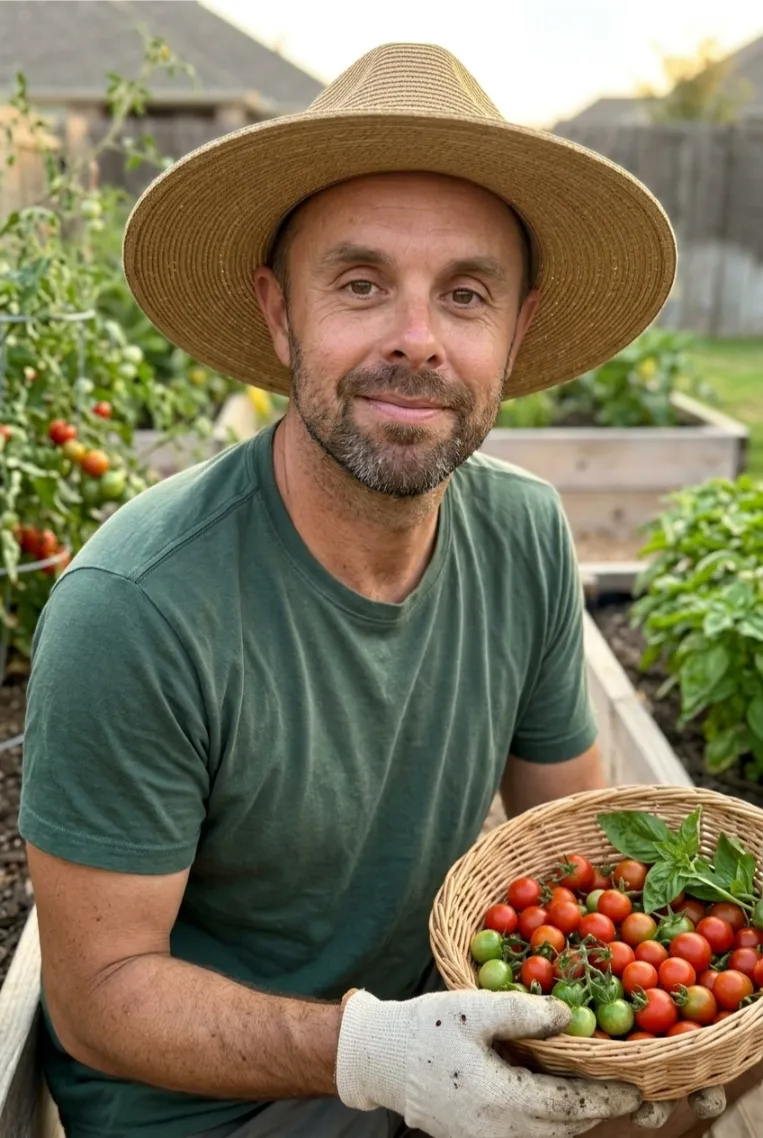
Hayden is a passionate urban farmer dedicated to cultivating sustainable food sources. He specializes in growing tomatoes and basil, and his favorite moments are spent in his garden, basket in hand, harvesting the fruits of his labor.