Can You Freeze Dry Apple Cider
Can you freeze dry apple cider? Yes, you can, but the result comes down to how you prep it. Pour plain cider into a tray and you'll get a thin, sticky sheet instead of a crunchy snack.
Reduce the liquid first and you'll have crisp shards or a fine powder that tastes like concentrated fall.
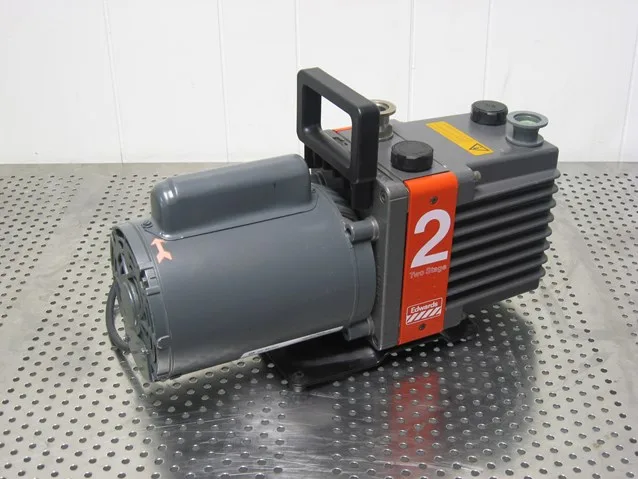
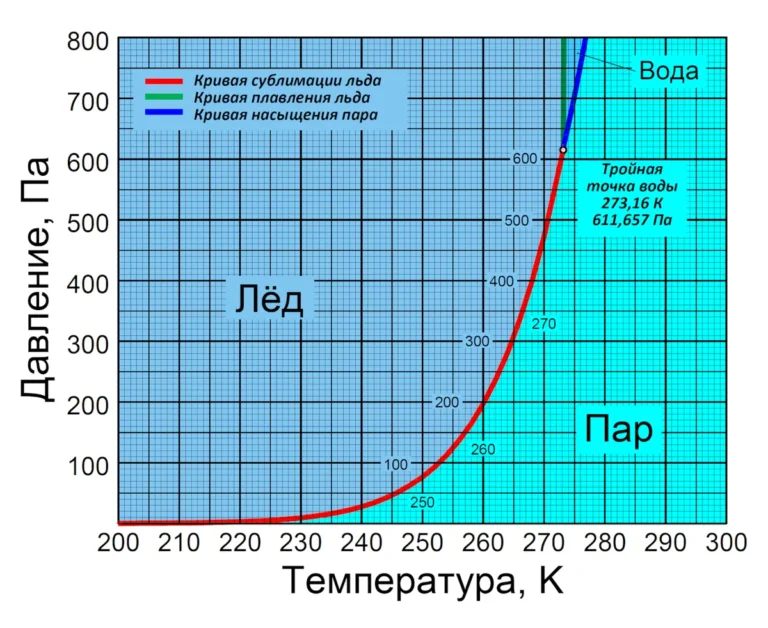
Home freeze dryers sold as of 2026 usually run at an internal pressure of 300 to 500 mTorr, per manufacturer specifications. That vacuum pulls moisture out of frozen cider without letting it melt. Once you understand that basic process, everything else falls into place.
Quick Answer: Yes, Here's What You'll Actually Get
Yes, you can freeze dry apple cider. It makes crispy chips or a fine powder. The sugar content creates a sticky texture.
Reduce the cider first to fix that. A full cycle takes 20 to 36 hours. Store the final product with a desiccant.
First Decision: What Form Do You Want?
Your first step isn't turning on the machine. It's choosing what you want to hold at the end. That choice decides how you prep the cider and how long the cycle runs.
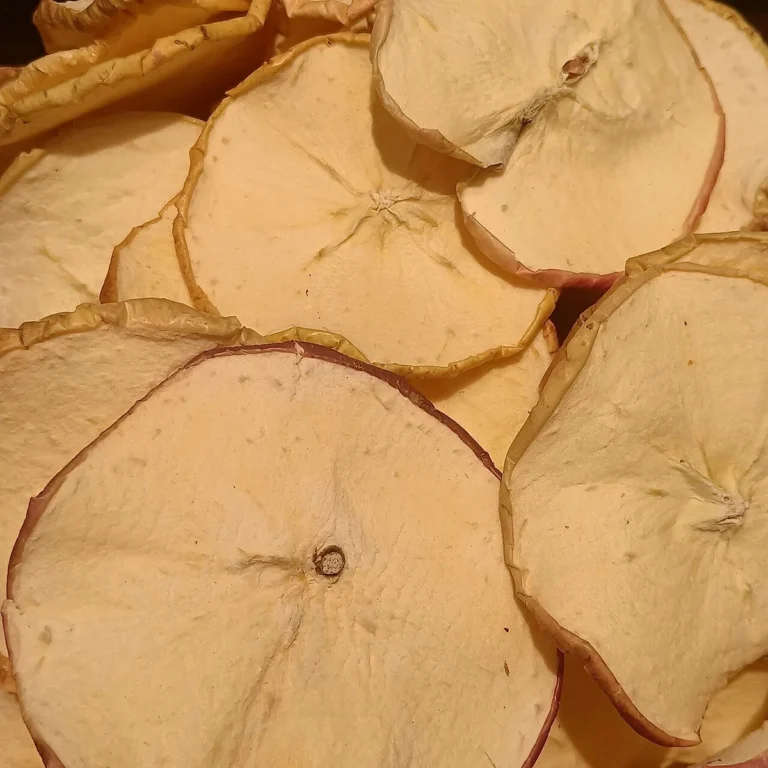
If you want a snack, freeze dry the cider as a thin layer and break it into chips. If you want a powder, grind finished chips and mix in a little maltodextrin to stop clumping. If you want to rehydrate the cider into a drink, reduce it by half before pouring your trays.
Cider Forms and Their Workflow
| End Goal | Best Method | Ease Level |
|---|---|---|
| Crispy chips | Freeze cider on parchment-lined trays, break after drying | Easy |
| Fine powder | Grind chips with maltodextrin or use a thinner layer | Moderate |
| Rehydratable blocks | Reduce cider by half before freeze drying | Moderate |
| Not recommended | Hard cider or alcohol-based ciders | N/A |
Chips are the easiest starting point for most people. They need almost no extra work and they store better than powder. Powder is more flexible in recipes, but it grabs moisture fast, so you have to package it quickly.
Choosing the Right Cider: Sweet, Tart, Spiced, or Pulp-Heavy
The cider you pour into the tray changes the finished product more than the machine settings do. Sweet cider makes soft, chewy shards that turn sticky quickly. Tart cider dries crisper and holds its snap longer.
Spiced cider concentrates dramatically, so a little cinnamon or clove goes a long way.
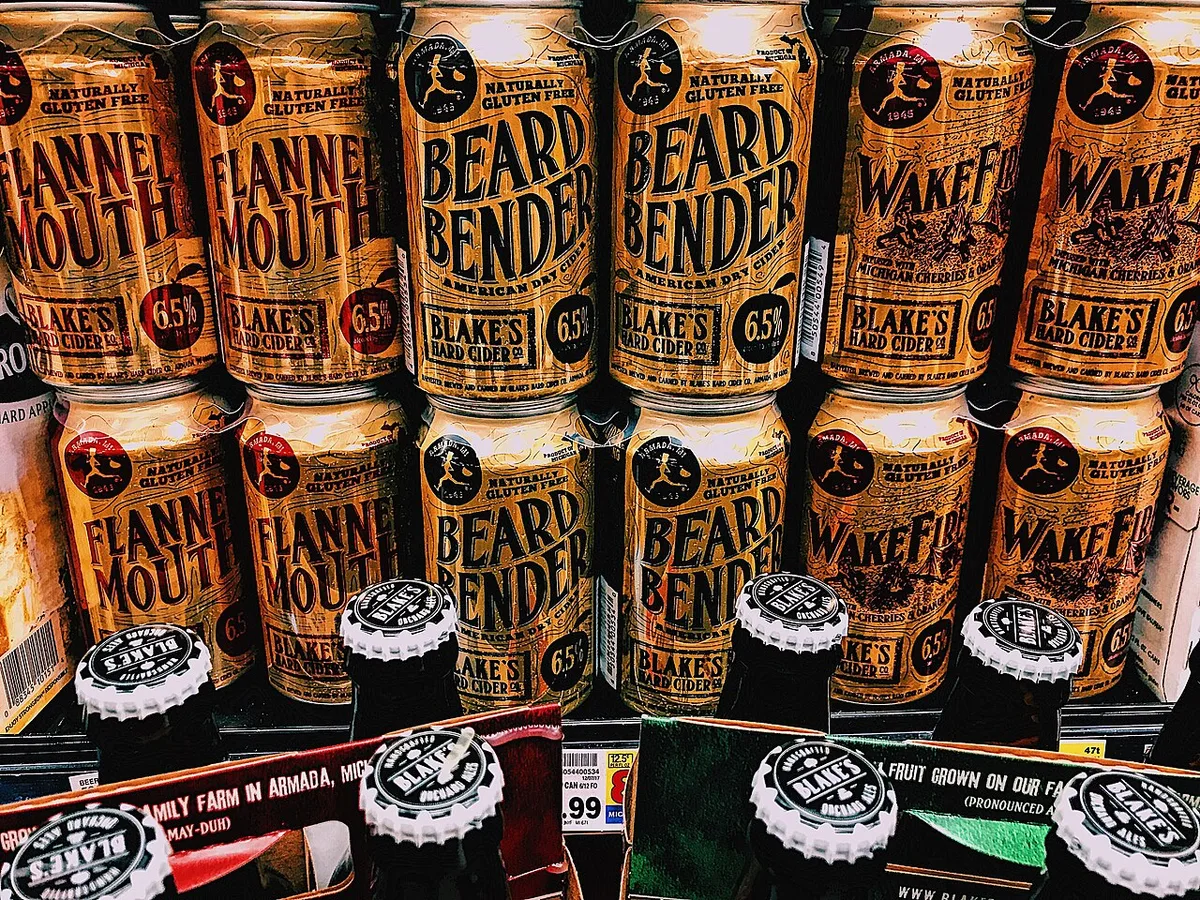
Image source: Wikimedia Commons / Ceiadipa (CC BY-SA)
The Cider Type Factor
| Cider Type | Freeze-Dry Result | Best Use |
|---|---|---|
| Fresh sweet cider | Mild flavor, sticky edges | Chips and quick snacks |
| Tart cider (Granny Smith heavy) | Crisp texture, less sticky | Crunchy shards, baking |
| Spiced cider | Very intense spice flavor | Powder for pancakes and yogurt |
| Pulp-heavy cider | Gummy residue, uneven drying | Strain before freeze drying |
| Hard cider | Won't dry into a stable solid | Skip entirely |
For the safest handling, follow guidance from the USDA Food Safety and Inspection Service. Pasteurized and fresh-pressed cider both freeze dry well, but fresh cider can carry sediment that creates a grainy texture.
Why Hard Cider Is the One Exception
Hard cider is a hard no. The alcohol doesn't behave like water in a home freeze dryer. It can linger in the chamber, contaminate the vacuum pump oil, and leave you with a sticky, boozy mess instead of a crust.
That's not good for the machine or your snack.
Step-by-Step: Freeze Drying Apple Cider Without the Mess
If you follow this workflow, you'll get consistent results for less effort. The prep works the same on most standard home freeze dryers.
Step 1: Reduce the Cider (Optional but Recommended)
Simmer the cider over low heat until it's half the volume. That concentrates flavor and removes excess water before the machine does. Keep it gentle.
A rolling boil changes the flavor and creates sticky caramel notes you didn't ask for. Cool it fully to room temperature before pouring.
Step 2: Prep and Pour Your Trays
Line your trays with parchment paper or a silicone mat. Pour the cider in a layer between 1/8 and 1/4 inch thick. Thin layers dry faster.
Thick layers risk looking dry on top while staying wet underneath.
Step 3: Pre-Freeze Your Trays
This step is easy to skip, but don't. Put the trays in a regular freezer for 12 to 24 hours. That turns the cider rock solid before the vacuum starts.
Pre-freezing helps the cycle run smoother and cuts down on sputtering and uneven drying.
Step 4: Run the Freeze Dryer Cycle
Start the machine and wait. Most cycles run 20 to 36 hours, depending on layer thickness and machine size. When it looks done, check the texture.
The chips should snap cleanly and feel dry to the touch. If it feels cold or bends instead of snapping, add four to six more hours.
Step 5: Test, Break, or Grind
One chip at a time works fine. Break the finished sheet into shards, then grind it into powder if you want that form. Do this quickly.
The dried cider begins pulling moisture from the air the moment it's exposed. Use a food-safe desiccant pack in the jar if you're keeping it for more than a week.
Common Mistakes and How to Fix Them
Freeze drying cider isn't hard, but a few mistakes will ruin a batch. Here's what goes wrong and what to do next time.
Sticky Cider Chips
| Mistake | Why It Happens | The Fix |
|---|---|---|
| Chips stay sticky | The cycle ended too early | Return the trays for 4 to 6 more hours |
| Chips turn sticky in the jar | They absorbed humid air | Add a silica desiccant to the storage container |
| Powder clumps instantly | The cider was too sweet or dry | Mix in maltodextrin before grinding |
Uneven Drying and Gummy Texture
If the center still feels damp, your layer was too thick. Pull the tray out, find the soft spots with your fingers, and put it back in the machine. Pulp-heavy ciders can also leave a gummy residue.
Strain the cider through a fine mesh before you pour the trays.
The "Looks Finished" Trap
The top surface dries before the bottom. You'll see a smooth, crisp-looking sheet and assume it's done. Flip a piece over.
If the underside is sticky or darker, it still has moisture. This is the most common reason a batch fails after 24 hours.
When in Doubt, Add Time
A short cycle is the usual culprit behind most cider problems. The freeze dryer hasn't failed. The process just needs more time.
Add 4 to 6 hours and check again. Freeze drying is patient work, and the payoff is worth it.

Hayden is a passionate urban farmer dedicated to cultivating sustainable food sources. He specializes in growing tomatoes and basil, and his favorite moments are spent in his garden, basket in hand, harvesting the fruits of his labor.