ZZ Plant Temperature & Humidity Needs
Botanical Horticulturist & Food Preservation Specialist at Brittle Bloom · Certified Master Gardener & Master Food Preserver · 12+ Years in Plant Propagation & Food Preservation
Your ZZ plant is turning yellow and you've already cut back on water, so what's left? The sweet spot is 65, 85°F with ordinary indoor humidity, most "mystery" ZZ problems actually trace back to a cold draft or a dry heating vent. Here's the damage chart and the exact fixes you can use tonight.
The Short Answer: What This Plant Actually Needs
ZZ plants (Zamioculcas zamiifolia) are the toughest houseplants you'll ever own. They survive dark corners, skipped waterings, and offices with zero windows. But they're not indestructible.
Temperature and humidity are the two things people forget about, because you can't see them like you can see dry soil.
Here are the numbers that matter:
| Condition | Happy Zone | Danger Zone | What You'll See |
|---|---|---|---|
| Air temperature | 65–85°F (18–29°C) | Below 60°F, above 90°F | Yellow leaves, soft stems |
| Humidity | 40–60% | Below 30% | Brown, crispy leaf tips |
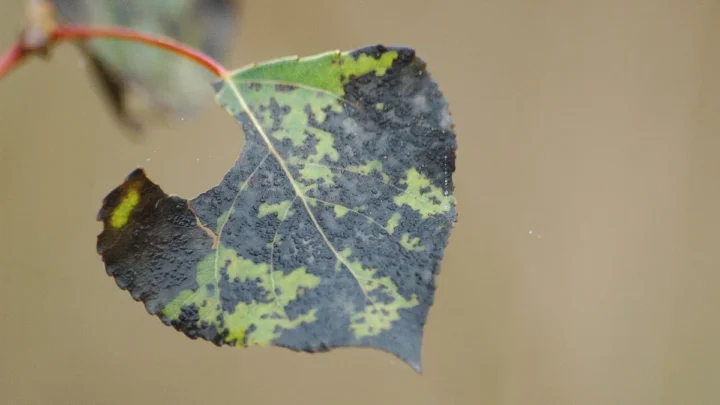
| Cold drafts | None | Any steady draft under 60°F | Dark, water-soaked patches |
The best part? That range overlaps with a normal, air-conditioned house. You don't need a greenhouse.
You don't need a humidifier. You just need to keep the plant away from the spots where temperature and humidity get weird.
Now, you might be wondering where these numbers come from. ZZ plants grow wild in East Africa, on the dry forest floor. They're used to warm days and a serious dry season.
They store water in thick rhizomes underground, which is why they laugh at neglect. But that same tropical background means they have zero cold tolerance. The University of Florida's horticulture library has detailed notes on how these plants behave, and it all points the same direction: keep it warm, keep it stable.
Why Cold Air Wrecks a ZZ Plant
Cold is this plant's kryptonite. Here's why: the stems and rhizomes are mostly water. When temperatures drop below 60°F, the plant's metabolism slows way down.
Water sits in the soil longer. Roots stop taking anything up. Below 50°F, cells start bursting as ice crystals form, that's where the dark, soggy patches come from.
University extension plant records, like the NC State Extension database, all warn against letting these plants get chilled.
Picture this: you move your ZZ to the living room for Thanksgiving, and it ends up 3 feet from a drafty window. January rolls around, and the lower leaves droop. You figure it needs water, so you dump a cup in.
That's the exact wrong move. Cold, wet soil is a one-way ticket to root rot.
That brings us to the biggest mistake people make: treating cold damage like thirst. If the leaves feel soft and mushy instead of dry and crispy, it's not underwatering. It's temperature.
The fix is simple. Move the plant to the warmest room in the house, usually the kitchen or a bedroom with a south-facing window. Cut off any mushy leaves with clean scissors.
Then leave it alone. Don't repot, don't fertilize, don't water until the top two inches of soil are dry.
If you're new to the plant, our no-nonsense beginner guide covers watering, soil, and pots so you don't panic when a leaf looks weird.
Heat Stress: Real, But Easier to Fix
On the flip side, ZZ plants can get too hot. Above 90°F, growth stops. Above 95°F, leaves start to curl and edges brown up.
This usually happens when a plant sits in a south-facing window in July, or right next to a radiator in winter.
Here's the catch: heat damage looks a lot like sun damage, but it's not the same. Sun damage happens when direct light burns the leaf surface. Heat damage happens when the air around the plant gets so hot the plant can't cool itself.
Both cause brown patches, but the fixes are different.
If your ZZ is baking near a window, check the actual temperature at leaf height. A wall thermometer on the other side of the room reads 72°F, but the air on the windowsill can easily hit 95°F by 3 pm. Move the plant back 2 to 3 feet from the glass and you're usually fine.
If you're dealing with a hot south window, brushing up on sun exposure limits will save you a singed plant.
Radiators are another trap. A ZZ sitting 1 foot above a baseboard heater gets blasted with dry, hot air all winter. The leaves don't burn exactly, they crisp.
Edges turn brown and brittle, like bacon left out too long. Same remedy: give it distance.
Humidity: The Truth Nobody Tells You
You don't need to obsess over humidity with a ZZ. I'll say that again: you don't.
Average indoor humidity, 30% to 50%, is perfect for these plants. They're not calatheas. They don't need a misting ritual or a pebble tray just to survive.
The plant evolved in a climate with a distinct dry season, so it stores water specifically to get through dry air.
Bottom line: If you're comfortable in your living room, your ZZ is comfortable. Your home's humidity almost never needs adjusting for this plant alone.
But here's the flip side: forced-air heating in winter can drop humidity below 30%. When that happens, you'll see the signs:
- Brown, crispy tips on the leaves
- Leaf edges that curl up slightly
- Leaves that look dull instead of glossy
The thing is, those same symptoms show up from overwatering and from tap water with too much fluoride. So don't jump straight to "buy a humidifier." Check your soil first. Check your water.
Then fix the air.
The Biggest Temperature and Humidity Mistakes
Let's run through the common setups that slowly wreck ZZs:
- Right under an AC vent, that blast of 55°F air hits the leaves all day. The plant looks fine in July, then collapses in August. Move it 5 feet to the side.
- On top of a TV or entertainment center, the heat coming off electronics can push the microclimate to 90°F+, plus the dry air. Not good.
- Near a front door, every time someone walks in, a gust of freezing air hits the plant. Death by a thousand drafts.
- In a dark bathroom for the "humidity", humid air is great, but the lack of light will starve it. Your ZZ will outgrow that dim corner fast.
Misting is another one people swear by. The truth is, misting raises humidity for about 10 minutes. Then it evaporates and does nothing.
On a ZZ, frequent misting can actually cause fungal spots on the glossy leaves. Skip it.
Seasonal Temperature & Humidity Cheat Sheet
Here's a quick chart you can screenshot:
| Season | Temp Target | Humidity | Your Move |
|---|---|---|---|
| Spring | 65–80°F | 40–50% | Move away from windows if nights are cold |
| Summer | 75–85°F | 40–60% | Watch AC drafts; water more often |
| Fall | 65–75°F | 40% | Stop fertilizing; check window seals |
| Winter | 60–70°F | 30–40% | Pull back from cold glass; water less |
The one thing every season has in common: stability. ZZ plants forgive a lot, but they hate rapid swings. A 70°F living room that drops to 58°F every night is harder on the plant than a steady 62°F.
How to Fix a Stressed ZZ in 6 Steps
If your plant already looks rough, here's the recovery plan:
- Buy a cheap thermometer-hygrometer combo. You want one that reads temperature and humidity. A basic unit runs about $12 and reads within ±2°F.
- Place it at canopy height, right next to the plant. Not on the floor. The floor is always colder.
- Watch it for 48 hours. Check morning and evening. If the temp swings more than 10°F, you've found the problem.
- Move the plant somewhere it stays between 65°F and 80°F all day. A kitchen counter or a shelf away from vents is usually the safest spot.
- Cut off any leaves that are more than half damaged. Clean scissors, one cut, done. The plant will focus on new growth instead of babying dead leaves.
- Leave it alone for two weeks. No fertilizer, no repotting, no extra water. Consistency does the healing.
That's it. Most stressed ZZs bounce back within a month once the conditions are right.
When You Actually Need to Raise Humidity
Let's be honest: most of you reading this don't need to do anything. But there's one situation worth fixing, winter with forced-air heat. If the humidity in your house sits below 30%, you'll feel it.
Your skin gets tight. Static shocks on every doorknob. Your wood floor creaks.
That's when a ZZ starts throwing crispy tips.
The cheapest fix is a pebble tray. Get a shallow dish, put in a 1-inch layer of pebbles, and add water until it sits just below the top of the pebbles. Set the pot on top.
The water evaporates and raises humidity around the leaves by 10% to 15%. Just make sure the pot never touches the water, or you're asking for root rot.
A couple of houseplants grouped together work too. Leaves release moisture, so a cluster of plants creates its own little humid microclimate. Free and effective.
If you want a humidifier, stick to a small one. Here's the honest part: cheap humidifiers are noisy, most hum around 35 to 40 dB, like a running fridge, and they need cleaning every 2 or 3 days or they grow pink mold. Who should skip this: if you only own one ZZ, skip the humidifier entirely.
You don't need it.
Quick Symptom Checklist
Keep this handy when something looks off:
| Symptom | Likely Cause | Fix |
|---|---|---|
| Yellow bottom leaves | Cold stress or overwatering | Check temp; let soil dry |
| Mushy, dark stems | Cold + wet | Move to warm spot; cut mushy parts |
| Brown crispy tips | Dry air or tap water | Raise humidity; use filtered water |
| Leaves curling inward | Heat stress | Move away from sun/radiator |
| Drooping after a temp change | Shock | Wait 2 weeks; keep conditions steady |
And if you've got pets that like to gnaw on houseplants, get the pet safety details before you bring a ZZ home. It's a beautiful plant, but it's not a snack.
Quick Answers to Common Questions
Can a ZZ plant live outside?
Yes, if you're in USDA zones 9 to 11 and the temperature never dips below 50°F. Warm, humid summers are great for them. Just keep them out of direct afternoon sun and bring them inside before fall nights get chilly.
Is 60°F too cold for a ZZ?
It's borderline. The plant survives, but it essentially stops growing. If 60°F is the daytime high, you're fine.
If it's the nighttime low, you'll see slow damage over a few weeks.
Should I mist my ZZ plant?
No. Misting does almost nothing for long-term humidity and can leave white mineral spots on the leaves. A pebble tray or a humidifier actually works.
Does the bathroom work as a humid spot?
Only if it has a bright window. Humidity won't save a plant that's starving for light. If your bathroom has a frosted window or no window, forget it.

Similar Posts