Why Are My ZZ Plant Leaves Losing Their Shine
Botanical Horticulturist & Food Preservation Specialist at Brittle Bloom · Certified Master Gardener & Master Food Preserver · 12+ Years in Plant Propagation & Food Preservation
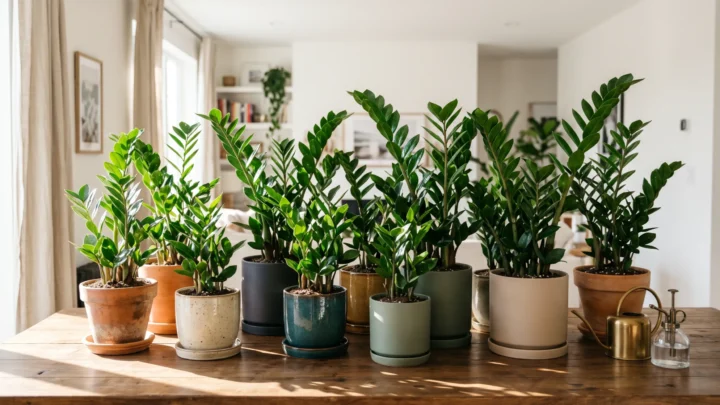
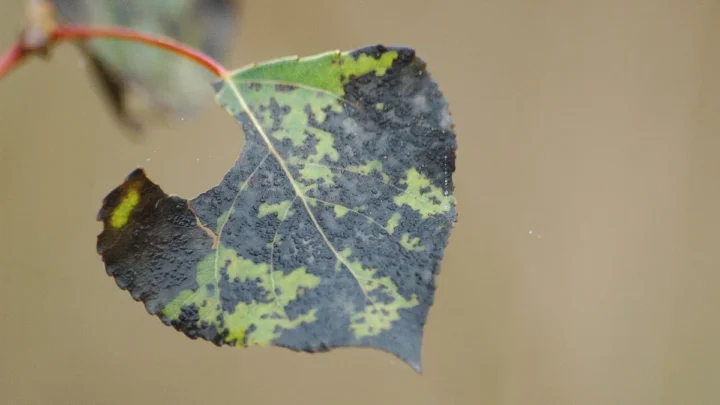
If you've noticed your ZZ plant's leaves looking flat and dull instead of glossy and rich, you're not alone. So why are my ZZ plant leaves losing their shine? The usual answer is simple: dust, minerals, or a watering shift.
The good news is that most of the time, you can bring the shine back without buying anything new.
Most dull-leaf cases trace back to dust buildup or hard water residue, not disease. As of 2026, the recommended first-line fix is lukewarm water and a microfiber cloth, not commercial sprays. Let's run through the diagnosis and clean it up.
why are my ZZ plant leaves losing their shine
Dust blocks the waxy leaf cuticle, killing the gloss. Hard water leaves a chalky film. Overwatering or pests can also cause dullness.
Clean the leaves first, then check the soil.
Why Your ZZ Plant Leaves Are Losing Their Shine: A Decision Guide
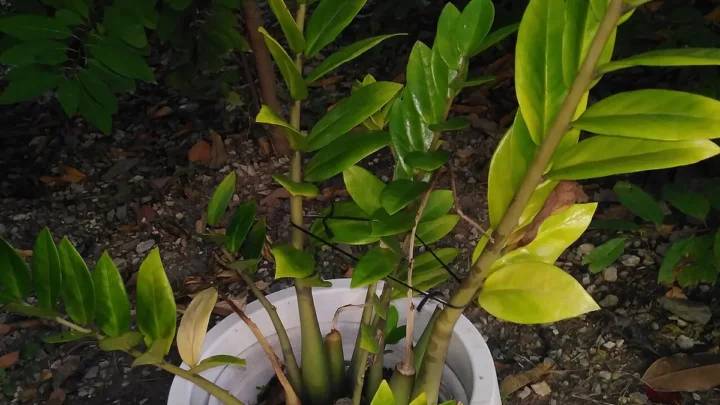
Your ZZ plant's natural shine comes from a waxy cuticle, a thin protective layer on each leaf. That cuticle reflects light and keeps moisture in. When it gets covered in dust, or when the plant's health slips, the surface turns flat and lifeless.
The good news is that a dull leaf is rarely a death sentence. It's usually a surface problem. But you need to know which of the four main culprits you're dealing with: dust, mineral residue, water stress, or pests.
Each one has a distinct fix, and some fixes make things worse if you guess wrong.
Here's the shortcut: touch the leaf. Gritty or chalky means it's a surface issue. Smooth but limp means the roots or watering are off.
That single test splits the decision tree in half.
Image source: Wikimedia Commons / Natubico (CC BY-SA)
This is where many plant owners panic and over-water. Don't. Instead, use the workflow below and match your symptom to the real cause.
If you're still working on the basics, our simple ZZ plant care tips cover the fundamentals.
The Quick Shine Test: Wipe First, Panic Later
Before you change anything about watering or lighting, do the 30-second wipe test. It's the fastest way to separate a dusty leaf from a sick one.
Take a clean, damp microfiber cloth and gently wipe the top of one dull leaf. Rinse the cloth, then wipe the same leaf again. If the leaf shows a noticeably deeper, brighter green, dust was your problem.
If it still looks flat and chalky after wiping, you're dealing with mineral spots or something inside the plant.

Image source: Wikimedia Commons / Corn cheese (CC BY-SA)
One important note: don't use paper towels. They leave lint behind, and the rough fibers can scratch the waxy cuticle. Microfiber grabs dust without rubbing it into the surface.
If the wipe test brought back the shine, your job is simple: clean the rest of the leaves and set a reminder to dust again in four weeks. If not, move to the full diagnosis below.
How to Diagnose a Dull ZZ Plant (Step-by-Step Decision Workflow)
Work through these five branches in order. Stop at the first one that matches.
Step 1: Check the soil moisture first. Stick your finger about two inches into the soil. If it's soggy or smells musty, you're overwatering. If it's bone dry and the pot feels light, you're underwatering.
Both will dull the leaves. A healthy ZZ root zone should feel damp but not wet, about three weeks after the last watering.
Image source: Wikimedia Commons / Leon Brooks
Step 2: Look for pests on the undersides. Use a magnifying glass if you have one. Spider mites leave fine webbing and tiny spots. Mealybugs look like small white cotton puffs.
Thrips leave silvery streaks. Any of these will suck sap and destroy the leaf's shine. If you spot them, isolate the plant and treat with insecticidal soap.
Step 3: Evaluate light exposure. ZZ plants tolerate low light, but they won't stay glossy in a pitch-dark corner. The sweet spot is bright, indirect light near an east or north window. If your plant sits in a dark hallway or a south-facing window with direct sun, both extremes can cause dullness.
Step 4: Check for natural aging. The oldest outer leaves gradually yellow and lose their gloss before dying. That's normal. If only the outer two or three leaves are dull while the inner ones are still shiny, let them be.
Step 5: Consider recent relocation or repotting. A sudden move or a root disturbance can cause a temporary loss of sheen. This usually resolves on its own. If you just repotted and the leaves are drooping, check our recovery timeline for the repotting process.
If you've done all five and nothing matches, the answer is likely dust or mineral residue. Move to the cleaning section below.
5 Mistakes That Make ZZ Leaves Duller (And What to Do Instead)
Some well-meaning fixes actually make things worse. Here are the biggest offenders we see in aggregate reviews and forums.
1. Using commercial leaf-shine sprays. These coat the leaves with oil or wax, which clogs the stomata and suffocates the plant. The shine is temporary, but the damage isn't.
Skip them entirely.
2. Wiping leaves with tap water on hard water. If your water has high calcium and magnesium, it leaves white spots that look like a disease. Use distilled or filtered water for the final wipe.
3. Overwatering in a panic. Many people see dull leaves, assume the plant is thirsty, and water it. If the soil is already moist, you're pushing it toward root rot, which will permanently dull the leaves.
Always check the soil first.
4. Polishing with olive oil, mayonnaise, or milk. Social media loves these hacks. They coat the leaf, trap dust, and go rancid.
They also attract pests. Please don't.
5. Ignoring the undersides. Dust on the underside of a leaf blocks the stomata there. Most people only wipe the top, so the plant still looks flat.
Flip the leaf and wipe both sides.
The takeaway: gentle water and a soft cloth handled nearly every case. For proper light placement, check our ZZ plant light guidance before you change anything else.
The Best Way to Clean and Restore ZZ Leaf Shine Naturally
Now let's get your ZZ plant looking like it just came from a greenhouse. Here's the method we recommend, based on University of Minnesota Extension houseplant guidance and general cleaning best practices.
What you'll need:
- A clean microfiber cloth (one without fabric softener residue)
- Lukewarm water (distilled or filtered preferred)
- A soft clean paintbrush or makeup brush for leaf stems
- A few drops of gentle castile soap (only for stubborn grime)
The process:
- Mix a few drops of castile soap into a bowl of lukewarm water. Dip the cloth, wring it out until barely damp, and wipe the top of each leaf.
- Rinse the cloth in clean water. Wipe each leaf again to remove the soap residue.
- Flip the leaf and wipe the underside the same way.
- Use the dry brush to dust the leaf stems and the rhizome crown.
- Let the leaves air dry completely before you move the plant back to its spot.
That's it. The entire process takes about ten minutes for a standard two-foot ZZ.
Here's the truth: clean leaves absorb more light. The waxy cuticle reflects light evenly again, and the plant can photosynthesize better. The gloss returns the moment the leaf dries.
If you want to keep your ZZ plant not just shiny but thriving long-term, why they're worth the space covers the bigger picture. And if you have pets, check the pet safety details before placing it somewhere within reach.

Similar Posts