Brown Leaf Tips on Indoor Plants
Botanical Horticulturist & Food Preservation Specialist at Brittle Bloom · Certified Master Gardener & Master Food Preserver · 12+ Years in Plant Propagation & Food Preservation
You're staring at a plant that's mostly healthy, but those brown, crispy tips are driving you crazy. Brown leaf tips on indoor plants are one of the most common frustrations we hear about from fellow plant parents. The weird part is that your watering schedule seems fine, the light looks decent, and yet those ugly brown edges keep creeping in.
In our research across university extension guides and plant science resources, the cause is rarely a mystery. As of 2026, the most common culprits are tap water minerals, dry indoor air, and uneven watering. The good news is that each cause has a distinct signature, and once you match the symptom to the source, the fix is usually straightforward.
Let's walk through the clues together.
Brown Leaf Tips: The Problem Every Plant Parent Hits
Here's the thing about brown leaf tips: they're a symptom, not a disease. Your plant is telling you something about its environment, but you have to decode the message. A leaf tip that turns brown is usually dead tissue, which means the plant's vascular system got interrupted at that point.
Water, nutrients, or oxygen didn't reach the farthest edge of the leaf.
That understanding matters because it rules out a lot of things. Brown tips aren't typically caused by pests or disease. They're almost always an environmental issue.
And because the tip is already dead, you can't revive it. You can only stop the problem from spreading to new growth.
The first clue is how the browning looks and feels. A dry, crispy, papery tip usually points to water chemistry or humidity. A soft, dark, mushy tip combined with yellowing edges often means overwatering and root stress.
Look at the pattern across multiple leaves. If every plant in your collection has brown tips, the cause is likely in your water supply or the room's air. If only one plant does, it's probably a care mismatch, like a species that needs more moisture than its neighbors.
The Decision Tree: Match the Clue to the Cause
Image source: Openverse / Plant pests and diseases
Let's play detective. We'll work through the most likely causes in order, using simple if/then logic. Start with the easiest fix and move down the list if the problem persists.
Check Your Water Source: Fluoride, Chlorine, and Hard Minerals
This is the number one cause of crispy brown tips on indoor plants. If your browning is dry, light brown, and concentrated at the very tip of the leaf, and you use regular tap water, your water is likely the problem.
Municipal tap water often contains fluoride, chlorine, and dissolved calcium and magnesium salts. Sensitive species like spider plants, peace lilies, and calatheas react badly to these. The plant takes up the water, but it can't process the excess minerals, so they accumulate at the leaf edges and kill the tissue.
The fix is simple. Switch to filtered water, distilled water, or collected rainwater. A basic pitcher filter with an activated carbon cartridge removes chlorine and many impurities, though not all fluoride.
Bottled distilled water is the safest bet if you're unsure. Within two to four weeks, you should see new growth coming in clean and green.
Check the Air: When Low Humidity Is the Real Culprit
If your water is already filtered and you're still seeing brown tips, look at the air. Indoor humidity in heated homes during winter frequently drops to 20 to 30 percent relative humidity. Most tropical houseplants want 40 to 60 percent.
That gap is huge, and it shows up as crispy leaf edges.
Visual signs include browning that spreads down the leaf edges, especially on plants with thin, broad leaves. You might also notice curled leaves, slow growth, and leaf drop. The tip browning here is usually accompanied by general leaf dryness, not just the isolated tip.
Grab a small hygrometer to check your air. It costs almost nothing and removes the guesswork. If the humidity is below 40 percent, group your plants together, use a pebble tray with water beneath the pots, or run a small humidifier near your plant collection.
Check Your Watering Routine: Overwatering, Underwatering, and Drastic Swings
Suppose your water and humidity are fine. Now we look at how you're watering. If the browning is accompanied by yellowing lower leaves and soil that stays soggy for days, you're overwatering.
The roots suffocate, and the tips brown as the plant struggles to move moisture upward.
If the browning is at the tip but the soil is bone dry and pulling away from the pot sides, you're underwatering. The plant simply runs out of water, and the farthest leaf tips die first.
There's also the erratic schedule. Watering a little bit every day, then forgetting for a week, stresses the plant. This inconsistent moisture leads to tip browning even when total water volume is fine.
The best routine is to check the top inch of soil with your finger. Water deeply when it feels dry, then let it drain.
Check the Soil: Salt Buildup and Fertilizer Burn
The last common culprit is invisible. If you've ruled out water and humidity, look for a white, crusty film on the top of the soil or on the pot rims. That's mineral salt buildup from fertilizer.
When you feed your plants, the salts accumulate over time, especially if you fertilize too often or at full strength.
These concentrated salts pull water out of the roots through osmosis. The plant essentially gets dehydrated even though the soil is moist. That's why the browning shows up at the leaf tips first.
Look at your fertilization routine. If you feed monthly during winter, or use full-strength doses, dial it back. Most houseplants only need half-strength fertilizer during the growing season, and they don't want any during dormancy.
A soil flush usually fixes the immediate problem.
The Fix: Step-by-Step Treatment From Diagnosis to Recovery
Now you have a working diagnosis. Let's do something about it. Plan for a weekend afternoon, because this takes about an hour.
Flushing the Soil and Correcting Water Chemistry
If salt buildup is your issue, flushing is the answer. Take the plant to a sink or tub. Run lukewarm water slowly through the soil until it drains freely.
Use about two to three times the pot volume in water. This pushes accumulated salts out through the drainage holes. Let the pot drain completely before returning it to its saucer.
For water quality issues, the fix is switching your water source. Start using distilled, filtered, or rainwater immediately. If you're using a pitcher filter, replace the cartridge on schedule.
If your water is very hard, consider using distilled water permanently rather than fighting the chemistry.
For low humidity, set up a pebble tray. Fill a shallow tray with pebbles, add water just below the pebble tops, and place the pot on top. The evaporating water creates a microclimate of higher humidity around the plant.
A humidifier is even more effective if you have several plants in one room.
Pruning Brown Tips the Right Way
Once the cause is fixed, you might want to trim away the dead tissue. That's fine, but do it carefully. Use clean, sharp scissors.
Cut at an angle, following the natural shape of the leaf tip. If you cut straight across, it looks unnatural.
Crucial rule: leave a thin margin of brown tissue. Cutting into the green part creates a fresh wound, and that edge will turn brown again. You want to remove the dead part while leaving the healthy tissue untouched.
The plant won't heal the cut, but the remaining green leaf will keep functioning.
Don't prune all the damaged leaves at once. Remove no more than a third of brown tips in one session. A plant recovering from stress needs its remaining leaves for photosynthesis.
Trim a few, wait a couple of weeks, then trim a few more.
Mistakes That Keep Brown Tips Coming Back
We've all been there. You fix one thing, the browning stops for a month, then it returns. Here's why that happens.
Ignoring the water source is the biggest mistake. Many people fix humidity or watering routine but keep using mineral-heavy tap water. Sensitive plants will keep producing brown tips no matter what else you adjust.
If you have hard water and you're growing calatheas, spider plants, or dracaenas, switch to distilled water and stop second-guessing yourself.
Another common error is overcorrecting. You read that low humidity causes browning, so you start misting daily. Misting raises humidity for about ten minutes, then it evaporates.
It can also spread fungal issues on leaves. A humidifier or pebble tray works around the clock. Misting alone won't cut it.
The third mistake is inconsistent maintenance. You flush the soil once, see improvement, then assume it's fixed forever. Salt buildup returns quickly if you keep fertilizing at the same rate.
Same with watering. A plant that recovers needs consistent care going forward, not a one-time rescue.
Finally, don't fall for the "more is better" trap. More water, more fertilizer, more pruning. Each of those stresses the plant further.
Stick to the diagnosis. Address one cause, wait, and observe. Plants recover slowly, and patience is genuinely the most important tool you have.
The Long-Term Plan: Raise Healthier Leaves for Good
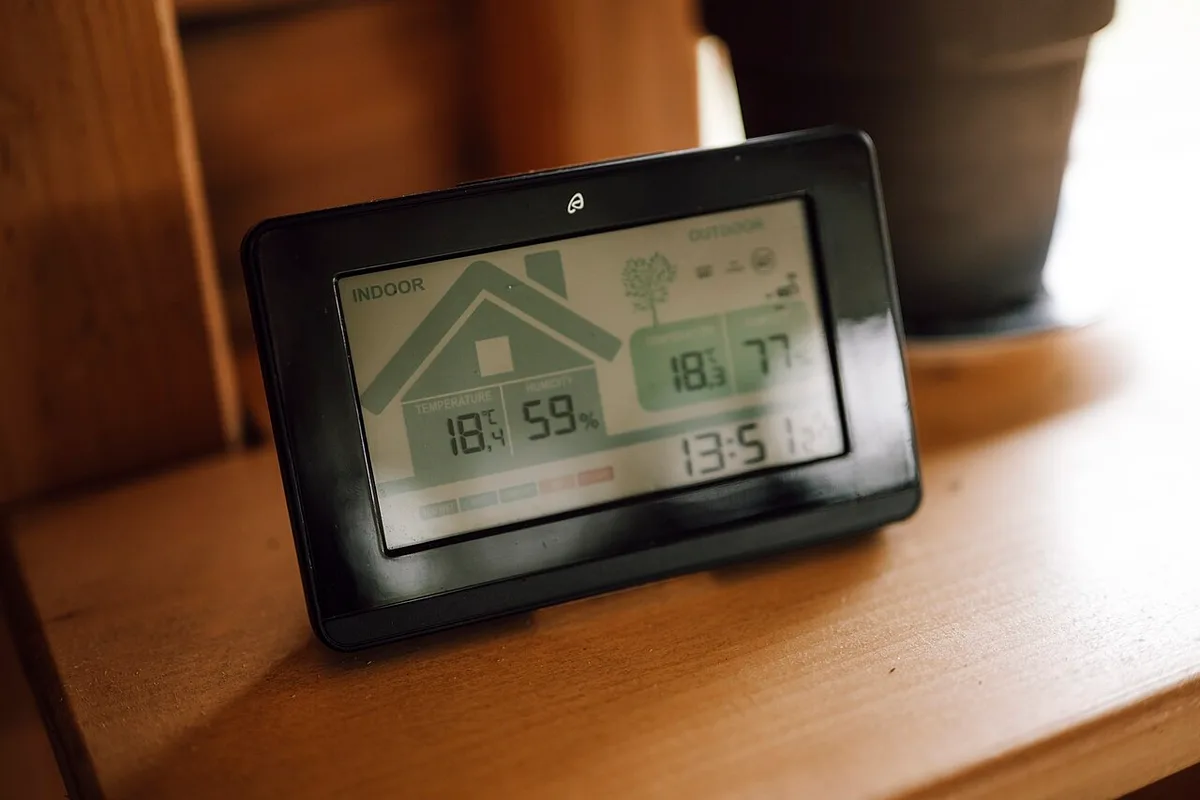
Image source: Wikimedia Commons / Shixart1985 (CC BY)
Once you've fixed the immediate issue, shift into prevention mode. The goal is to build a routine that makes brown tips rare instead of recurring.
Start with your water. Commit to using a consistent water source that you know your plants tolerate. If you're on municipal water with fluoride, dust off the distilled water habit.
Many experienced plant parents keep a jug of distilled water in the pantry for sensitive plants like peace lilies and spider plants.
Next, monitor your environment seasonally. Summer humidity might be perfect, but winter heating changes everything. A simple hygrometer tells you when the air gets too dry.
Check it monthly and adjust your setup accordingly. Our research at Brittle Bloom confirms that most houseplant issues trace back to environmental shifts, not sudden neglect.
Make a watering check a habit. Touch the soil before you water, not on a strict calendar. Plants drink at different rates depending on light, temperature, and growth cycles.
A moisture meter is useful, but your finger works just as well.
On fertilizing, follow the package directions but dilute to half strength. Fertilize every four to six weeks during spring and summer only. Skip it entirely in fall and winter.
This alone prevents salt buildup in most cases. And every few months, give the soil a flush as part of your regular care.
Finally, keep an eye on new growth. New leaves that come in clean and green tell you the problem is solved. The brown tips on old leaves won't heal, and that's okay.
Those leaves will eventually be replaced. What matters is what your plant grows next, not what it already lost. With the right routine, your plant will outgrow the damage and give you fresh, vibrant leaves that make all this troubleshooting worthwhile.
Frequently Asked Questions
Why are my indoor plant leaves turning brown at the tips?
Brown leaf tips on indoor plants usually trace back to one of four issues. Tap water chemistry, low humidity, salt buildup, or inconsistent watering. Match your browning pattern to the clues in the decision tree above, and you'll pinpoint the cause within minutes.
Should I cut off the brown tips of my plant leaves?
Yes, but leave a thin margin of brown tissue. Cut at an angle with clean scissors, following the leaf's natural shape. Removing the dead material keeps the plant looking tidy.
Cutting into healthy green tissue just creates a fresh wound that will brown again.
Does tap water cause brown tips on houseplants?
Tap water is the leading culprit for sensitive plants. Municipal systems add fluoride and chlorine, while hard water contributes calcium and magnesium salts. Switch to filtered, distilled, or collected rainwater for two to four weeks.
New growth should come in clean and green. University extension research confirms this is the top fix to try first at extension.umd.edu.
Why do my spider plant leaves turn brown at the tips?
Spider plants react strongly to fluoride in tap water. They also show tip burn from salt buildup when fertilized too often. Use distilled water and cut fertilizer to half-strength every other month.
If you're repotting soon, our spider plant care details cover the right soil mix and drainage setup.
Can misting fix brown leaf tips?
Misting gives temporary relief, but it evaporates within minutes. It can also spread fungal spores on crowded leaves. A pebble tray or a small humidifier works around the clock.
Aim for 40 to 60 percent relative humidity during winter heating season. Check the air with a cheap hygrometer before you invest in more equipment.

Similar Posts