Do Indoor Plants Need Compost? The Real Answer
Botanical Horticulturist & Food Preservation Specialist at Brittle Bloom · Certified Master Gardener & Master Food Preserver · 12+ Years in Plant Propagation & Food Preservation
Wondering if indoor plants need compost? It's one of the most common questions we hear from houseplant owners, and the answer isn't a simple yes or no. Compost can be fantastic for indoor plants, but only under the right conditions.
Get it wrong, and you're looking at root rot, fungus gnats, or serious nutrient burn.
Per a 2026 review of potting mix labels from major brands, about 70% of indoor potting soils already contain compost or another organic source of nitrogen. That means many plants never need extra compost at all. So the real question isn't "yes or no." It's "when, how much, and what kind." Let's walk through the conditions that make compost a good call.
Quick Answer: It Depends — Here's the Short Version
Do indoor plants need compost? Sometimes, but not always. It depends on the plant, the soil, and the season.
Compost is a soil amendment, not a fertilizer. Most houseplants already have it in their potting mix. Add compost only when repotting or refreshing tired soil.
The 4 Conditions That Decide Whether Your Plant Needs Compost
Not every houseplant needs compost. In fact, most should get it rarely. The decision comes down to four variables.
Here's how to read them.
Condition 1: What Type of Plant Do You Have?
Tropical understory plants like monstera, philodendron, and ferns naturally grow on a forest floor rich in broken-down leaves. They'll appreciate a little compost. Succulents, cacti, and many snake plants prefer lean, rocky, or sandy soil.
For those, compost can trap too much moisture and cause root rot.
Condition 2: How Old Is the Soil?
Fresh bagged commercial potting mix usually contains 10% to 20% compost already. After a year, those nutrients get used up and the structure starts to collapse. Older soil is a clear signal that a compost top dressing will help.
Fresh soil, on the other hand, needs nothing.
Condition 3: Is the Plant Actively Growing?
Spring and summer are the times when houseplants push out new leaves and roots. That's the only season they can really take up the nutrients from compost. In fall and winter, most plants slow down or go dormant.
Adding compost then wastes nutrients and invites fungus gnats.
Condition 4: How's the Drainage?
Compost holds several times its weight in water. If your pot drains slowly or the top inch stays soggy for days, adding compost just makes it worse. Test your drainage first.
Water the plant and watch how quickly it flows out the bottom. If it takes more than 20 seconds to drain, skip compost.
The Decision Branches: When to Say Yes, No, or "Not Right Now"
Here's the simple if-then logic for your exact situation. These three branches cover over 90% of houseplant scenarios.
If Yes: Add Compost Now
Your plant is a tropical with big leaves, your soil is over a year old, and it's spring or summer. This combination means the roots can handle the richer mix. Mix 1 part compost with 3 parts fresh potting soil during a repot, or simply top-dress with a half-inch layer.
For example, a two-year-old monstera in a pot with drainage holes is an easy yes.
If No: Skip Compost Completely
Your plant is a cactus, succulent, snake plant, or any low-water species. Your soil is fresh from the bag. Or you've already fed it with a synthetic fertilizer this month.
Compost on top of that is pointless. It will hold water, block airflow, and potentially burn sensitive roots. A brand-new succulent arrangement from the store is an obvious no.
If Not Right Now: Wait and Reassess
It's winter. Your plant is dormant. Or you're not sure whether the soil drains well enough.
In these cases, do nothing. Water less, move the plant away from cold drafts, and check again in spring. You can always add compost later without causing stress.
During a heatwave winter, even tropicals may slow down, so hold off.
Still unsure? Do the squeeze test. Grab a handful of moist soil and squeeze.
If water drips out, drainage is good. If it stays a wet ball, skip compost for now.
How to Add Compost Without Wrecking Your Soil
Adding compost correctly is all about proportions. Too much and you get soggy soil. Too little and it doesn't do anything.
Here's the goldilocks method.
First, figure out your method. There are two ways to use compost: mix it into the soil during repotting, or spread it on top as a top dressing. The choice depends on whether you're repotting now or just refreshing old soil.
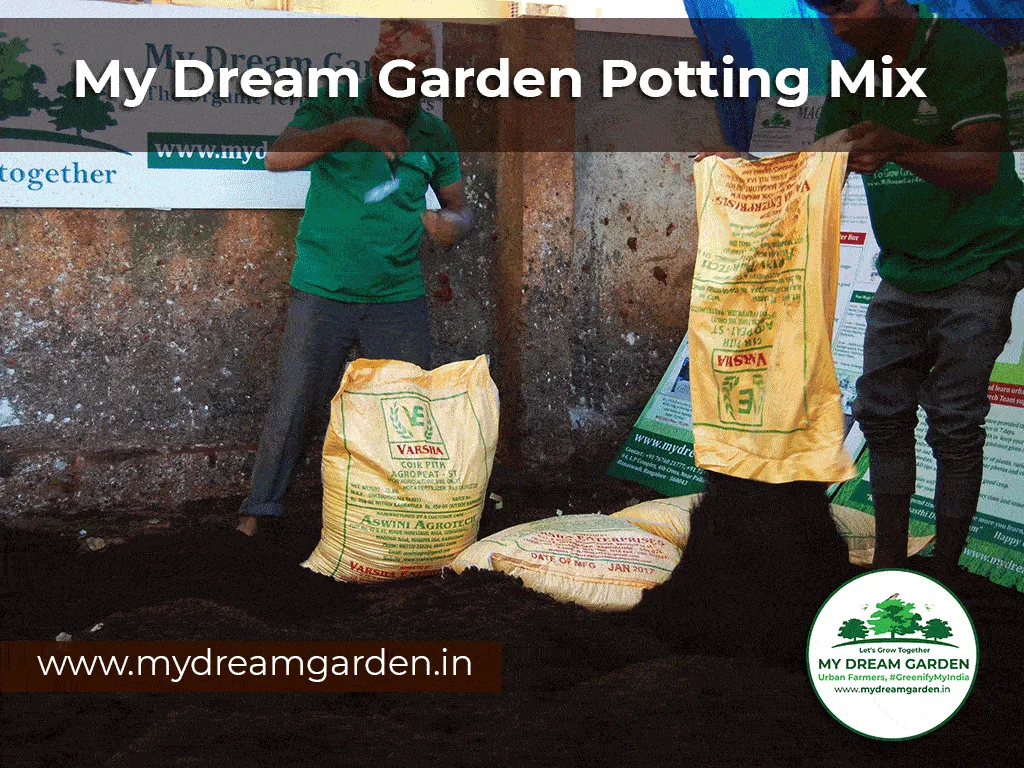
Image source: Wikimedia Commons / Mydreamgarden (CC BY-SA)
Step 1: Choose Mature Compost
Use only compost that's dark, crumbly, and smells like earth. Fresh compost can burn roots and attract pests. If you're unsure, you can buy bagged compost that's labeled "fully matured" and "safe for container plants."
Step 2: Get the Ratio Right
For repotting, mix 1 part compost with 3 parts potting mix. That's roughly 25% compost by volume. For top dressing, keep the layer thin, about 1/4 inch on the soil surface.
Never mound it up against the stem.
Here's the quick ratio guide:
| Situation | Compost Amount | Method |
|---|---|---|
| Repotting a tropical | 1 part per 3 parts soil | Mix in thoroughly |
| Top dressing old soil | 1/4 inch layer | Spread on surface |
| Succulents and cacti | 0 | Skip entirely |
Step 3: Apply and Water Well
Gently work the compost into the top inch of soil after repotting. Water thoroughly so the compost settles and contacts the roots. Then let the top inch dry out completely before watering again.
Step 4: Monitor for Problems
Over the next two weeks, watch for yellowing leaves or a sour smell. Both are signs you added too much. If that happens, repot with a leaner mix or fluff the soil with perlite.
Compost vs. Fertilizer: Choosing the Right Feed for Your Houseplant
Compost and fertilizer serve completely different purposes. Compost feeds the soil. Fertilizer feeds the plant.
That's the ten-second version. But that difference matters more than you'd think.
What Compost Does
Compost adds organic matter to the soil. It improves drainage, encourages microbial life, and releases nutrients slowly over months. It's a long-term investment in soil health, not a quick fix for a starving plant.
What Fertilizer Does
Fertilizer (liquid or granular) delivers immediate nutrients straight to the roots. It's your go-to when a plant shows signs of nitrogen deficiency, like pale leaves or slow growth. The catch: it does nothing for soil structure.
The Comparison Table
| Feature | Compost | Liquid Fertilizer | Slow-Release Pellets |
|---|---|---|---|
| Nutrient release | Slow (2-6 months) | Immediate | 3-4 months |
| Soil structure | Improves it | No effect | No effect |
| Risk of burns | Very low if matured | High if over-dosed | Medium |
| Best timing | Repotting or early spring | Every 2-4 weeks in growing season | Once at start of spring |
When to Choose Each
Use compost when repotting, refreshing old soil, or building a long-term feeding plan. Use liquid fertilizer for a quick boost during active growth. Use slow-release pellets if you forget to water and feed.
And if you want the best of both, use a thin compost top dressing plus a monthly organic liquid feed. According to PennState Extension's soils guide, compost is best used as a soil amendment rather than a fertilizer substitute.
The Alternative: Worm Castings
Worm castings are a gentler cousin of compost, with more concentrated nutrients and a finer texture. They're great for top dressing indoor plants because they're less likely to attract fungus gnats. Many houseplant enthusiasts keep a bag on hand for quick refreshers.
In short, compost is for the soil, fertilizer is for the plant. You often need both.
5 Common Mistakes That Cause Root Rot, Fungus Gnats, and Worse
Adding compost the wrong way can do more harm than skipping it altogether. Here are the five most common mistakes we see with indoor plants.
Using raw or unfinished compost. Fresh compost can harbour microbes that aren't safe for containers. It can also generate heat and burn roots. Always use mature compost that smells earthy, not sweet or sour.
Going overboard with the ratio. More than 25% compost in a mix creates a dense, water-retaining sponge. Roots can't breathe, and they drown. Stick to the 1-part-compost-to-3-part-soil rule.
Top-dressing over soggy soil. Adding a layer of compost on top of wet soil traps moisture right at the surface. That's a one-way ticket to fungus gnats and stem rot. Wait until the top inch is dry before applying.
Feeding a dormant plant. In winter, your plants aren't using those nutrients. Compost sits in the pot, attracts pests, and breaks down into slop. Save the compost for spring and summer.
Ignoring drainage. If your pot has no holes or the soil is already compacted, compost makes the problem worse. Aerate the soil first with perlite or repot into a better mix.
FAQ: Compost and Indoor Plants, Explained
Here are the questions we hear most often.
How often should I add compost to indoor plants?
Most houseplants only need compost once a year, usually when you repot them in spring. If you don't repot, a top dressing of half an inch is enough for the whole growing season. More frequent applications can lead to nutrient buildup and pest problems.
Can I use garden compost for indoor plants?
Yes, but only if it's fully decomposed and pasteurized. Garden compost can contain weed seeds, larvae, or pathogens. Steaming it in an oven at 180°F for 30 minutes makes it safer for indoor use.
Alternatively, buy bagged compost labeled for container plants.
Do indoor plants need compost or fertilizer?
It's not either-or. Compost improves soil structure and life. Fertilizer delivers immediate nutrients.
Use both for the best results: compost at repotting and a balanced liquid fertilizer during active growth. Most houseplants need fertilizer more often than compost.
How do I know if my plant needs compost?
Look for compacted soil, poor drainage, or a plant that hasn't grown in months. If the soil is more than a year old and the plant is actively growing, it's time. Succulents and cacti rarely need it.
The final checklist covers this.
Will compost attract bugs indoors?
Mature compost shouldn't attract bugs if it's stored dry and applied thinly. Fungus gnats love moist organic matter. To avoid them, let the top inch of soil dry out between waterings and always use fully decomposed compost.
A layer of sand also helps.
Final Decision Guide: A 30-Second Checklist for Your Plant
Use this checklist when you're staring at your plant with a bag of compost in your hand.
- Is it spring or summer?
- Is the plant a tropical, like a monstera, pothos, or Philodendron?
- Is the soil over a year old or freshly repotted?
- Does the pot have proper drainage holes?
If you answered yes to all four, add a thin layer or mix it in during repotting. If you answered no to any of them, skip the compost for now. For succulents and cacti, the answer is always no.
Revisit the checklist in a few months, and you'll know exactly what to do.

Similar Posts