Can You Freeze Dry Licorice
Botanical Horticulturist & Food Preservation Specialist at Brittle Bloom · Certified Master Gardener & Master Food Preserver · 12+ Years in Plant Propagation & Food Preservation
So, can you freeze dry licorice? Yes, you can, but the answer is more layered than the candy itself. Soft licorice transforms into a crisp, puffy snack that shatters like glass.
Hard licorice barely changes at all. The trick is matching your process to the type of licorice sitting on your counter.
Freeze drying, also called lyophilization, works by dropping the temperature to around -30°F to -40°F and pulling a vacuum that slowly removes moisture. That's the same basic cycle a home freeze dryer runs for candy, fruit, or prepared meals. As of 2026, home units like Harvest Right are common enough that this is no longer a commercial-only technique.
But licorice's high sugar content throws a wrench into the usual playbook, so let's walk through the details.
Quick Answer: Yes, You Can Freeze Dry Licorice
Yes, you can freeze dry licorice. The kind you use matters more than you'd think. Soft licorice becomes crunchy, airy, and shelf-stable.
Hard licorice stays basically the same texture. Plan for a 12 to 24 hour cycle plus sticky cleanup.
How Freeze Drying Completely Changes Licorice's Texture
Soft licorice is mostly sugar, corn syrup, and water. Remove that water through lyophilization, and the remaining sugar structure turns into a brittle foam. Bite into a freeze-dried red twist and it cracks like honeycomb.
The flavor gets more intense because there's less mass to dilute it.
When soft licorice freezes, the sugar syrup turns into a glassy state. During drying, that glass becomes porous and brittle. That's why the final texture is so different.
Hard licorice is a different story. It already has a low moisture content and a dense, crystalline sugar structure. A freeze dryer has very little water left to pull out.
So the pieces come out looking nearly identical, maybe a bit drier and slightly harder.
Here's the rule: soft licorice gives you the dramatic transformation, while hard licorice mostly just gets drier. If you're hunting for that airy crunch, reach for the chewy twists. Chocolate, for instance, follows its own rules.
We cover chocolate's behavior separately, because fat changes the equation. Most people prefer the soft variety for freeze drying because the payoff is bigger.
The bottom line is that texture change is driven by how much moisture the candy starts with. More water means more physical transformation. Less water means a subtle shift at best.
Your Step-by-Step Freeze Drying Workflow: From Freezer Tray to Crunchy Snack
Making freeze-dried licorice at home is straightforward, but the details matter. Start by slicing thick ropes into bite-size pieces. Thin twists can go in whole.
Even pieces dry evenly, so take the time to trim them.
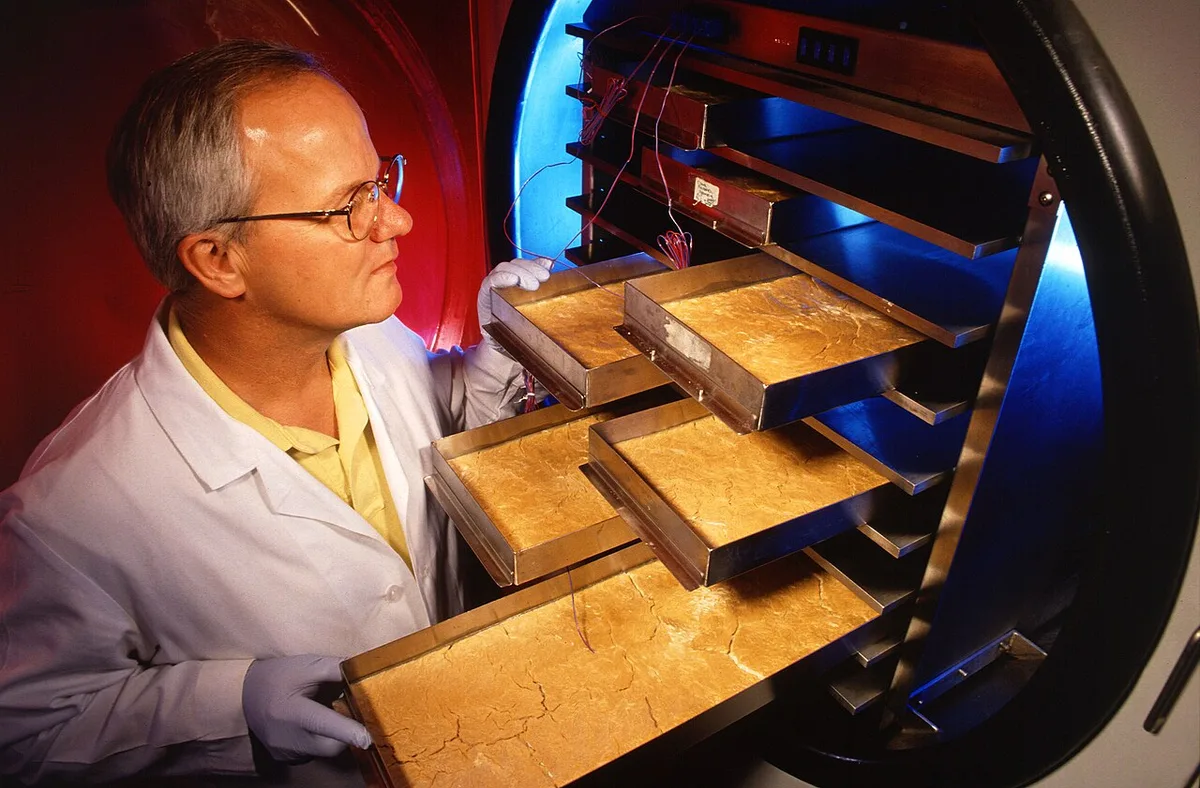
Image source: Wikimedia Commons / Wikimedia Commons contributor
From there, follow this sequence:
- Pre-freeze the trays. Run them in the freezer for at least 6 hours at -10°F. The candy needs to be fully solid before the vacuum kicks in.
- Load the trays. Leave space between each piece. No touching, no stacking. Overlapping pieces fuse into a sticky mass.
- Set your cycle. A standard candy setting works, but check your model's manual. Some units prefer a gentler ramp during the freeze phase.
- Run the cycle. Expect 12 to 24 hours. Thicker pieces land at the high end.
- Test the results. Snap a piece in half. If it bends, run another dry cycle for 2 to 4 hours.
- Package immediately. Once dry, licorice reabsorbs moisture fast. Seal it within minutes.
The same basic cycle handles a lot of foods, so after licorice you might want to test out unexpected everyday foods. Just remember that licorice is messier than most.
The Biggest Mistakes to Avoid: Sticky Trays, Case Hardening, and Reabsorbed Moisture
The biggest mistake is skipping the pre-freeze. If soft licorice hits the vacuum while it's still pliable, the moisture can boil out too quickly. That leaves you with a puffed, hollow shell instead of a crisp piece.
Sticky residue is another classic. Sugar syrup leaks onto the tray edges and bakes into a tough glaze. The same sticky issue appears with gummies and marshmallows, though each candy behaves a little differently.
Room-temperature water loosens the glaze, but you'll still scrub. Using parchment paper or silicone trays helps.
Case hardening deserves its own warning. It happens when the outer layer dries into a rigid shell while the interior stays gummy. This is almost always caused by pieces that are too thick.
Slice your licorice into thin rounds or half-inch sticks to avoid it.
Finally, reabsorbed moisture. Licorice is hygroscopic, which is a fancy way of saying it grabs water from the air. Leave a finished batch on the counter for an afternoon and it turns tacky, then softens.
Seal it immediately or you've wasted a full cycle. And don't open the chamber mid-cycle. Losing vacuum pressure adds hours to the run and can soften finished pieces.
For food safety, the goal is to keep residual moisture below 4%. The National Center for Home Food Preservation has official guidelines for low-moisture foods.
Comparing Your Options: Freeze Dryer vs. Dehydrator vs. Just Storing It
Not everyone needs a freeze dryer for licorice. Let's compare the realistic options.
A dehydrator won't work. It never goes below freezing, so licorice softens and flows into a dense, glossy slab. The texture is nothing like the airy crunch of freeze drying.
Plain storage keeps licorice chewy but only for a few months. You can squeeze out some extra time by keeping it in a cool, dark cupboard or a sealed jar.
| Method | Texture | Shelf life | Time required | Who it's for |
|---|---|---|---|---|
| Freeze dryer | Crunchy, airy | 1 to 2 years sealed | 12 to 24 hours | Anyone who wants long-term storage and a unique snack |
| Dehydrator | Dense, melted, chewy | Weeks to months | 6 to 10 hours | Not recommended for licorice |
| Regular storage | Original chewy texture | 3 to 6 months | 5 minutes | Quick snacking, no equipment needed |
If you're unsure between a freeze dryer and other equipment, the practical differences boil down to cost, time, and texture. Freeze drying wins on texture and shelf life. It loses on price and cycle time.
Freeze drying also has the advantage of dramatic volume. The pieces puff up slightly and weigh almost nothing. That makes it a clever way to create a novel snack for kids or camping trips.
If you just want longer shelf life without changing texture, a jar sealer might be a better fit. The storage tool comparison lays out the trade-offs clearly.
The only real downside is mess. Sugar residue can linger on trays and inside the drum. Budget an extra 20 to 30 minutes for cleanup after each run.
It's not a dealbreaker, but it's part of the real cost of working with sugary candy. Warm water and a soft sponge handle most of it. Just plan for it before you start, rather than discovering the mess at midnight.
Storing Your Freeze-Dried Licorice: Mylar Bags, Oxygen Absorbers, and Shelf Life Data
Freeze-dried licorice is eager to drink moisture back from the air. Leave it exposed for an hour and it turns tacky. Leave it overnight and it's basically back to chewy.
That's why packaging is just as important as the drying cycle itself.
Your job starts the moment the machine finishes. Seal the first few pieces in a quart jar, then package the rest in bulk. Every minute the candy sits in open air eats into its shelf life.
| Packaging method | Best for | Shelf life |
|---|---|---|
| Mylar bag with oxygen absorber | Long-term pantry storage | 2 to 5 years |
| Vacuum-sealed mason jar | Frequent snacking | 1 to 2 years |
| Zip-top bag | Immediate use | A few weeks |
| Plastic container with desiccant | Short-term stash | 1 to 3 months |
Oxygen absorbers matter more than people think. They pull the remaining air out of the bag and stop oxidation. That's what keeps the flavor bright and the color stable.
A 100cc absorber handles a quart-size bag of licorice pieces perfectly.
Keep your sealed bags somewhere cool and dark. A pantry shelf under 70°F works great. Light fades the color and heat degrades the sugar structure over time.
The USDA has detailed low-moisture storage guidance if you want to dig deeper into the science.
And if you're building a long-term stash, treat licorice the same way you'd treat freeze-dried fruit. The principles behind proper long-term storage apply across the board. Stable temperature, low humidity, and airtight containers are the whole game.
Frequently Asked Questions
Can you freeze dry Twizzlers and other red licorice?
Yes. Red licorice twists freeze dry beautifully because they have high moisture content and that soft, pliable structure. Slice them into bite-size pieces, pre-freeze, and run a standard cycle.
They come out crunchy, airy, and slightly sweeter. Just seal them fast since they reabsorb humidity quickly.
Can you freeze dry licorice root for tea?
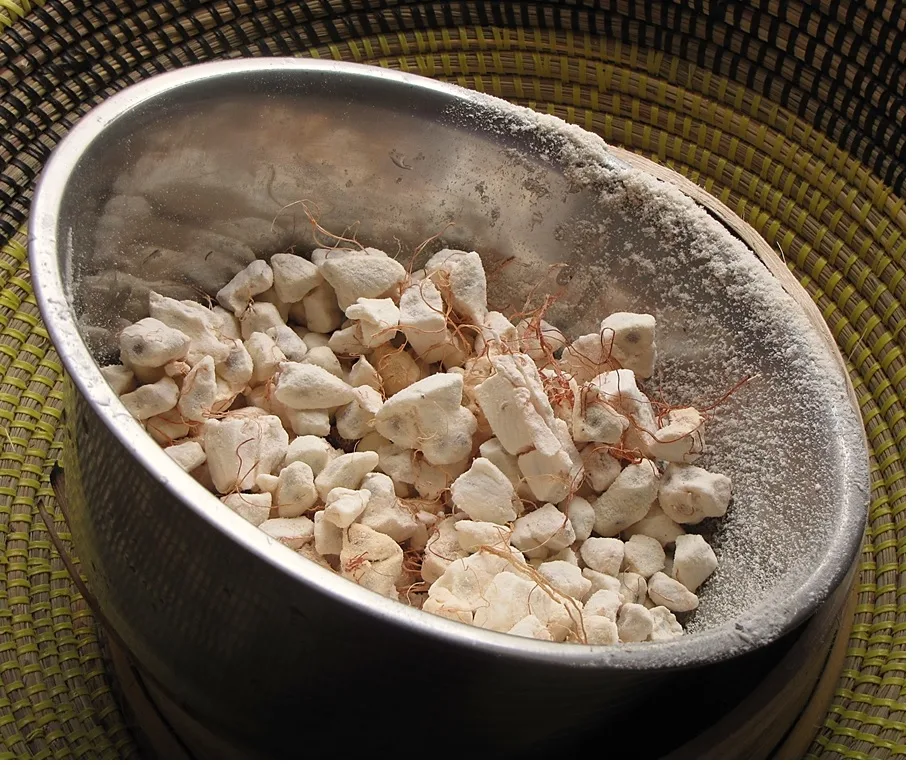
Licorice root is a completely different material from licorice candy. It starts with very low moisture, so freeze drying barely changes it. If you want shelf-stable root, keep it whole and store it in a sealed jar.
A dehydrator or just a dry pantry works just as well and costs far less effort.
How long does freeze-dried licorice last?
Properly packaged freeze-dried licorice stays crunchy and flavorful for 1 to 2 years. In ideal conditions, a cool dark pantry with an oxygen absorber, it can last up to 5 years. The real enemy is moisture, so keep the package sealed and check it occasionally for any soft spots.
Why did my freeze-dried licorice come out chewy?
Chewy results almost always mean the cycle ended too early. The licorice pieces were too thick, or the secondary drying phase didn't run long enough. Run an additional 2 to 4 hour dry cycle and test again.
Next time, slice pieces thinner than half an inch.
Does freeze-dried licorice taste different?
The flavor gets more intense, but it doesn't change character. With water gone, the sugar and flavoring concentrate. Some people describe it as sweeter.
The texture, however, is nothing like the original. It shatters like honeycomb and dissolves quickly on your tongue.
The Final Verdict: Is Freeze-Dried Licorice Worth Your Machine Space?
Freeze-dried licorice is worth trying, but only if you already own a freeze dryer. Soft licorice gives you a dramatic, snackable transformation that genuinely impresses. Hard licorice barely changes, so it's not worth the electricity.
The mess is real. Sugar residue on trays and the drum means a dedicated cleaning session after every batch. But the shelf life, the weight reduction, and the novelty factor make it a fun experiment for anyone who already runs a machine regularly.
If you don't own a freeze dryer, this isn't the reason to buy one. You'd be better off starting with staples like fruit or cooked meats. Licorice is a novelty run, not a justification.
Our recommendation? Try a small batch of soft red twists first. See how the texture lands for you.
If you love it, scale up and keep a bag or two in your long-term pantry. If it's not your thing, at least you've used an afternoon to learn your machine a little better. Either way, you'll have a story and a handful of crunchy candy.
Storing Your Freeze-Dried Licorice: Mylar Bags, Oxygen Absorbers, and Shelf Life Data
Once the chamber vents, wait 30 minutes before opening the door. This lets the pieces equalize with room temperature. Rushing this step can cause condensation to form on the candy’s surface the moment it touches warm air.
Test one piece before packaging. Snap it in half. You want a clean, crisp break with no bend or chewiness.
If it flexes at all, run another 2 to 4 hour dry cycle and test again.
Use 100cc oxygen absorbers for quart-size Mylar bags. For gallon bags, step up to 300cc. Heat-seal the top twice for a reliable barrier.
A single seal can fail weeks later, so the double seal is cheap insurance.
| Storage method | Best for | Shelf life |
|---|---|---|
| Mylar bag + oxygen absorber | Long-term emergency pantry | 2 to 5 years |
| Vacuum-sealed glass jar | Frequent snacking | 1 to 2 years |
| Zip-top bag with desiccant | Everyday use | 2 to 4 weeks |
Store the sealed packages below 70°F. Heat accelerates sugar degradation and dulls the flavor. A dark pantry or basement shelf works well.
Avoid storing heavy cans on top of soft Mylar bags, since the brittle candy can crush into powder.
Frequently Asked Questions
Can you freeze dry black licorice?
Yes. Black licorice behaves the same as red twists because both are soft, gel-based candies with high moisture content. The anise flavoring doesn’t change the freeze-drying process.
Expect a crunchy, slightly saltier finish with the same airy texture.
Can you rehydrate freeze-dried licorice?
You can, but it won’t return to the exact original texture. The sugar structure has been rebuilt as a brittle foam. It absorbs moisture quickly, turning soft and chewy, but it becomes denser than the original candy.
Does freeze-dried licorice crystallize?
Sugar crystals can form on the surface if the cycle runs too long. The glassy sugar structure over-dries and shatters into fine crystalline dust. Check the pieces frequently near the end of the cycle and stop early if you see a white bloom.
Can you mix licorice with other candy in one batch?
Yes, as long as the pieces are similar in size and moisture content. Mixing licorice with hard candies works fine. Mixing it with high-moisture items like gummies can extend the cycle and leave the licorice overdone.
How expensive is it to run a licorice batch?
Most home freeze dryers run for 18 hours at roughly 1.5 kWh per hour. That’s around 27 kWh per batch, which costs $3 to $5 depending on your local electric rate. Add in the cleanup time, and it’s a hobby project rather than a cheap snack.
The Final Verdict: Is Freeze-Dried Licorice Worth Your Machine Space?
Freeze-dried licorice is a fun novelty batch, not a pantry staple. Soft twists deliver a dramatic crunch that surprises people at parties. Hard licorice barely changes, so skip it unless you just want a drier version of the candy.
The real cost is time and cleanup. An 18 hour cycle plus sticky tray scrubbing means this isn’t an everyday snack. But if you already own a freeze dryer and enjoy experimenting, it’s absolutely worth one test run.
Use the if/then logic from this guide. If you want the airy, melt-in-your-mouth texture, pick soft red or black twists. If you want long-term shelf life without texture change, use hard licorice and a Mylar bag.
If you’re new to freeze drying, start with fruit or cooked meat to get comfortable with the machine first.
The verdict? Try a small batch of soft twists. Worst case, you learn something about your equipment and spend a few dollars in electricity.
Best case, you discover a crunchy new favorite that lasts for years.

Similar Posts