Can You Freeze Dry Turkey
Botanical Horticulturist & Food Preservation Specialist at Brittle Bloom · Certified Master Gardener & Master Food Preserver · 12+ Years in Plant Propagation & Food Preservation
Can you freeze dry turkey? Yes, you absolutely can, and it ranks among the smartest ways to stretch one bird into years of shelf-stable meals. Whether you're staring down a fridge full of Thanksgiving leftovers or a bulk pack of ground turkey, freeze-drying gives you a lightweight protein that doesn't take up freezer space.
But this isn't a load-and-forget process. It requires careful prep, safe temperatures, and the right packaging to avoid spoiled batches, or worse, a food-safety failure.
Poultry safety starts with temperature. Per USDA FSIS guidance, turkey must reach an internal temperature of 165°F before it's safe for further processing. As of 2026, home freeze dryers are more accessible than ever, but the room for error is still real.
Here's what you need to know to get it right.
Quick Answer: Yes, You Can, But Here's What Actually Matters
Can you freeze dry turkey? Yes, safely, if you remove enough moisture. Cook to 165°F first for best results.
Use lean chunks, cut small. Seal with oxygen absorbers.
Freeze-drying is one of the most reliable long-term preservation methods for poultry. It works best for people who cook whole birds often, buy meat in bulk, or want lightweight meals for the trail. You can apply the same approach we used for other meats at home.
Just expect a longer cycle than fruits or vegetables.
Who should freeze dry turkey at home
Turkey is a great fit if you cook big birds regularly. It's also useful for emergency food storage and camping. If you only eat turkey once a year, a smaller batch of ground turkey is easier to manage.
The machine shines when you use it often.
Raw vs. cooked turkey: which works better
Cooked turkey wins, and it isn't close. Raw meat carries more bacteria and dries unevenly. Cooked, lean turkey rehydrates with a much better texture.
It also finishes faster in the machine.
| Preparation | Best for | Safety level | | Cooked, lean turkey | Soups, casseroles, camping meals | Lower risk | | Raw ground turkey | Pet treats with careful handling | Higher risk |
Freeze-Drying Turkey: The Core Facts You Need First
Freeze-drying, or lyophilization, removes water through sublimation. Ice goes straight to vapor under a vacuum. That preserves the meat's structure far better than heat.
The final product is light, dry, and shelf-stable.
How freeze-drying preserves meat
Without water, bacteria and enzymes can't multiply or spoil food. The turkey stays safe at room temperature. This is what makes freeze-dried meat so popular for long-term storage.
The critical difference between freeze-drying and dehydrating
Dehydrating uses low heat to force moisture out. That leaves meat tough and chewy. Freeze-drying keeps the turkey's original shape and texture.
We break down drying-method tradeoffs in more detail here.
How long freeze-dried turkey actually lasts
Packaged well, freeze-dried turkey can last 25 years or more. The catch is that storage conditions matter. Oxygen, light, heat, and high humidity all cut lifespan short.
Keep it cool and dark and it'll outlast almost everything in your pantry.
Safety First: The Risks That Can Ruin a Batch or Make You Sick
Meat is a high-risk food, so you can't cut corners. A single piece of under-dried turkey can spoil an entire jar. The dangers fall into three main categories: moisture, fat, and bacteria.
Why moisture is your biggest enemy
If any moisture remains, bacteria can grow even inside sealed packaging. Botulism is the most serious concern. It thrives in oxygen-free, low-acid environments.
Fully dried meat prevents that risk.
Fat, bones, and bacteria, what to remove before processing
Fat never fully freeze-dries. It goes rancid and shortens shelf life fast. Trim visible fat before cooking.
Remove skin and bones after cooking. For ground turkey, choose the leanest grind you can find. Follow USDA's poultry safety guidance for all temperature checks.
The botulism risk you can't ignore
Botulism spores survive low-oxygen storage. That matters because freeze-dried meat creates exactly that environment. Moisture must stay below about 10% to keep those spores inactive.
This is why a home freeze dryer works, and why a regular freezer can't substitute for one.
How to Freeze Dry Turkey Safely: Step-by-Step Process
Here's the full workflow from raw turkey to shelf-stable food. It's straightforward, but each step has a reason.
Prep starts before the freeze dryer
Cook the turkey to 165°F. Let it rest and cool completely. Warm meat raises the chamber temperature and stalls the cycle.
Trim all fat, skin, and connective tissue.
Cut the meat into uniform 1/2-inch cubes. Smaller pieces dry evenly and faster. Ground turkey should be cooked and crumbled while hot.
Let it drain well.
Loading, running, and finishing the cycle
Spread pieces in a single layer without touching. Overlapping pieces trap moisture. Pre-freeze the trays for 12 to 24 hours.
Then load everything into the machine and run the full cycle.
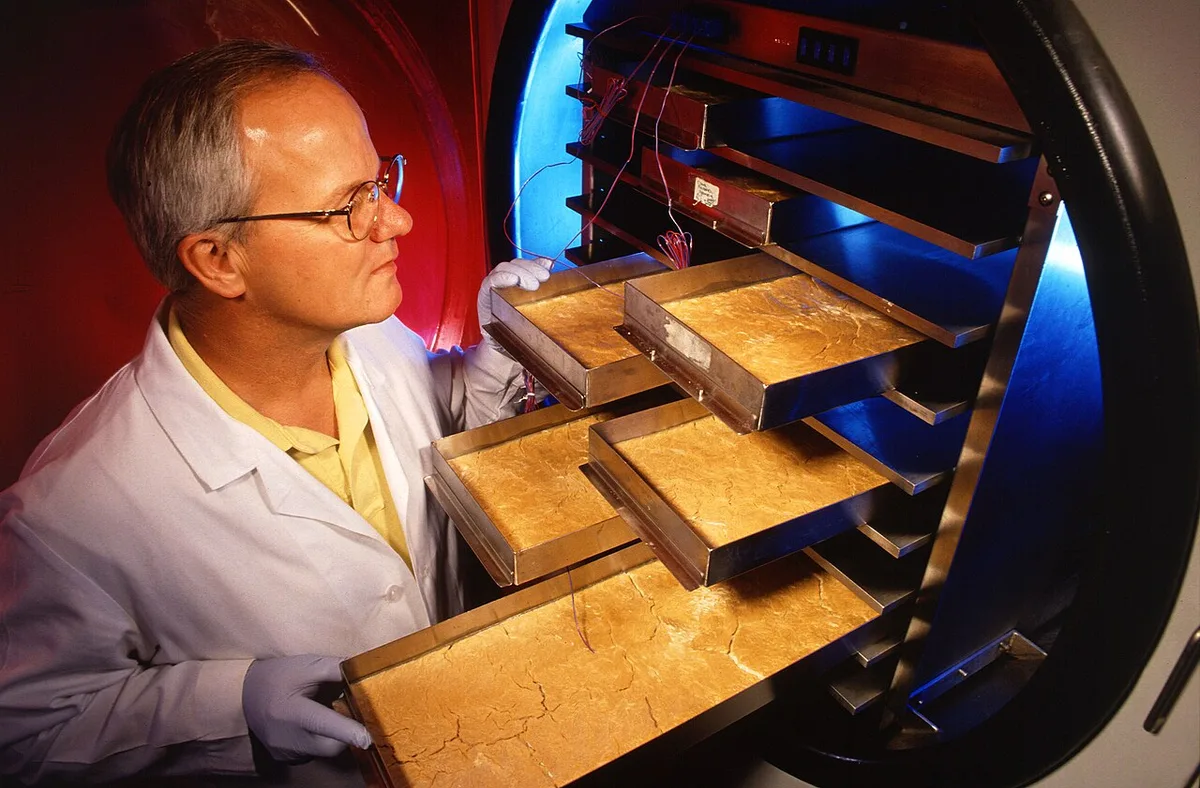
Most home freeze dryers take 24 to 36 hours for poultry. Don't open the door early to peek. That extends the cycle and risks moisture spikes.
If your machine seems to stall, this guide on freeze dryer timers running slow can help.
The weight test that confirms it's dry enough
Weigh the turkey before loading and again after the cycle. A dry batch should weigh about 30 to 40% of the original cooked weight. Still unsure?
Seal a few pieces in a zipper bag at room temperature. If condensation forms after an hour, run another dry cycle.
Packaging and Shelf Life: How to Lock In Your Work
Freeze-drying is only half the job. The packaging protects everything you just achieved. Oxygen and moisture will undo it if you let them.
Best containers for long-term storage
Mylar bags with oxygen absorbers are the gold standard. Vacuum-sealed glass jars work too. Thin plastic bags and standard zipper bags are not enough.
They let oxygen and moisture creep in over time. We covered humidity and air-exposure risks in our packaging deep dive.
Oxygen absorbers: which size and how many
Use a 300 to 500 cc oxygen absorber per gallon-sized Mylar bag. Put the absorber in as soon as you open its package. These absorbers activate on contact with air.
Work quickly, then seal the bag.
Where to store freeze-dried turkey for maximum lifespan
Store sealed bags in a cool, dark place. Room temperature is fine, but cooler is better. Pantry shelves, basements, and closets all work.
Avoid places with heat or humidity swings, like above the stove.
Common Mistakes to Avoid (And How to Fix Them)
Most failed batches come down to a few repeat mistakes. Fix these and you will save time, money, and a whole lot of frustration.
Overloading the trays or cutting too thick
If pieces overlap, moisture gets trapped between them. A thick chunk can look dry on the outside while the center stays wet. Fix it by cutting turkey into half-inch cubes and spreading pieces in a single layer.
Pre-freeze the trays for at least 12 hours, and leave space around each piece.
Skipping the cool-down step
Warm turkey raises the freeze dryer's internal temperature. That slows the sublimation process and can leave excess moisture. Cool cooked meat to 40°F or below before loading.
Use a fridge or an ice bath, and pat away any surface moisture first.
Using the wrong meat cuts for long-term storage
Dark meat and fatty ground turkey are the worst choices for freeze-drying. Fat oxidizes over time, giving the meat a rancid flavor. Choose lean white meat or 93% lean ground turkey.
Drain cooked ground turkey thoroughly and press out extra grease after browning.
Is a Home Freeze Dryer Worth It for Turkey? Costs and Timelines
A home freeze dryer is a serious investment. Let's talk about what it really costs and whether turkey is worth the electricity.
What the equipment really costs
Home freeze dryers run from roughly $2,000 to $4,500. Larger units with extra trays cost more, and oil-free pumps push the price up. Harvest Right's product documentation lists current models and specs.
If you buy used, check the pump-hour history on the used unit before handing over cash.
Cycle times you can expect
Turkey takes 24 to 36 hours per load. A full home unit can hold roughly 4 to 6 pounds of cooked turkey after drying, depending on tray size. That's enough for several months of soups and emergency meals.
You can also use the same cycle for other proteins like beef or pork.
Alternative ways to preserve turkey
Not everyone needs a freeze dryer. Pressure canning keeps turkey safe for 1 to 5 years, and freezing works for 6 to 12 months. Dehydrated turkey is chewy but fine for soups.
| Method | Shelf life | Equipment needed | | Freeze-drying | 25+ years | Freeze dryer | | Pressure canning | 1-5 years | Pressure canner | | Freezing | 6-12 months | Freezer | | Dehydrating | 1-2 years | Dehydrator |
The right choice depends on how much turkey you preserve each year.
Frequently Asked Questions
Can you freeze dry raw turkey?
Yes, but it's riskier than cooking it first. Raw turkey can harbor bacteria like salmonella, and freeze-drying doesn't reliably kill them. If you want to freeze dry raw turkey, use it only for pets, and handle it with the same care as raw poultry.
Does freeze-dried turkey taste good?
Most of the flavor survives the process. The texture goes crispy-light while dry, then softens back to tender once rehydrated. Seasoning intensifies, so keep salt light before drying.
Rehydrated turkey works beautifully in soups, casseroles, and camping meals.
Can dogs eat freeze-dried turkey?
Plain, unseasoned freeze-dried turkey is a safe, high-protein treat for most dogs. Never use seasoned turkey with onion, garlic, or spices, which are toxic to dogs. Introduce new treats gradually and check with your vet, especially for dogs with health conditions.
How do you rehydrate freeze-dried turkey?
Soak it in warm water or broth for 10 to 20 minutes. Use roughly equal parts liquid to turkey. For stews and soups, drop the dry turkey straight into the pot a few minutes before serving.
It soaks up the broth and turns tender again.

Similar Posts