Can You Freeze Dry Meat?
Botanical Horticulturist & Food Preservation Specialist at Brittle Bloom · Certified Master Gardener & Master Food Preserver · 12+ Years in Plant Propagation & Food Preservation
Can You Freeze Dry Meat? Yes, and it's one of the most reliable ways to keep meat edible for decades. Home freeze dryers make this possible in your kitchen, not just in a commercial facility.
As of 2026, thousands of households are preserving meat this way, but the result hinges on fat content, prep, and packaging.
Freeze-drying removes about 95% of a food's moisture through sublimation, turning ice directly into vapor. Per USDA FSIS food safety guidance, safe preservation starts with clean handling and controlled moisture. Lean meat can stay shelf-stable for 20 to 30 years when packed with oxygen absorbers.
Let's walk through the choices that matter.
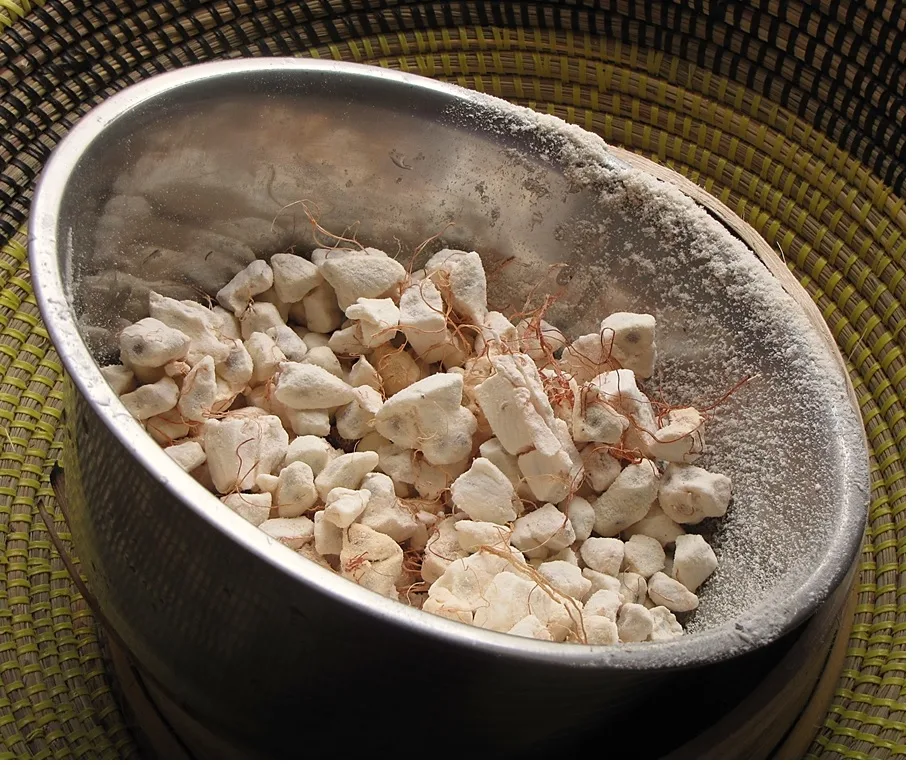
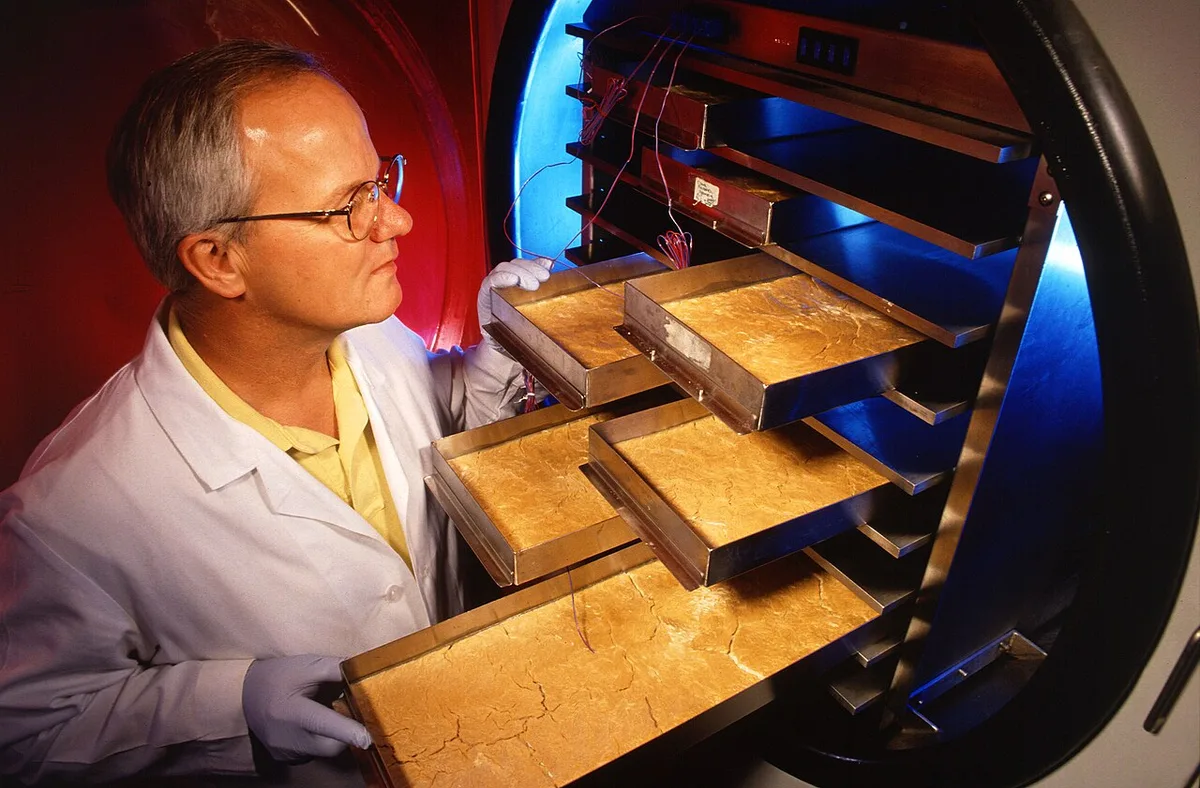
Image source: Wikimedia Commons / EileenSanda (CC BY-SA)
Quick Answer: Yes, But the Meat Type Changes Everything
Yes, you can freeze dry meat. Lean cuts freeze dry best. High-fat cuts turn rancid faster.
Raw meat works beautifully, and cooked meat works too. Proper packaging gives you 20 to 30 years of shelf life.
What Freeze-Drying Meat Actually Does (And How It Works)
Freeze-drying, or lyophilization, is not the same as dehydration. A machine pulls meat down to below freezing, then applies a vacuum. The frozen water crystals sublimate, meaning they skip the liquid stage and become vapor.
That vapor gets collected on a cold coil, and the meat dries out without ever getting hot.
That's why texture survives. Dehydrated meat comes out chewy and fibrous. Freeze-drying preserves structure, and freeze-dried meat keeps its shape and rehydrates close to its original texture.
It also loses about 70 to 80% of its weight, which makes it ideal for backpackers and preppers.
Per USDA FSIS guidelines, the whole process must start with meat that's safe and properly handled. Freeze-drying preserves the condition of the meat at the moment it enters the chamber. It does not fix meat that was already becoming unsafe.
Real-world reviews show the same pattern. Meat that's clean, fresh, and low in fat yields the best results. Meat that's questionable on day one will still be questionable after a batch.
Here's the key distinction: freeze drying is preservation, not purification.
This is also why a regular freezer can't do the job, no matter how long you leave meat in it.
Your Decision Branch: Raw or Cooked, Lean or Fatty Meat
Before you load a tray, ask two questions. Is the meat lean or fatty? Should the meat go in raw or cooked?
The answers decide whether you get a pantry staple or a rancid batch by month eight.
If the meat is lean
Lean meats like chicken breast, venison, round steak, and even turkey work beautifully. They have little fat, and fat is the main enemy of freeze-dried meat. Fat goes stale over time even in an oxygen-free bag.
If the meat is fatty
High-fat cuts like pork sausage, ground beef, and salmon need extra care. Fat doesn't sublimate. It stays in the meat and can turn rancid quickly.
Our research suggests trimming visible fat before freezing helps, and cooking and draining ground meat gives you a better result.
If you're cooking first
Cooked meat often works better than raw for ground products. It breaks down naturally, rendering out fat and reducing moisture. That means a shorter cycle and a more stable shelf life.
Many hunters cook ground venison before freeze-drying for this exact reason.
If you go raw
Raw meat must be pre-frozen solid before the cycle starts. It also needs longer vacuum time. Some people prefer raw freeze-dried meat for pets.
Either path is valid, but cooking changes the outcome.
Cured pork products like bacon behave differently, so check specifics before loading a batch.
Here's a quick cheat sheet:
| Meat type | Best choice | Why |
|---|---|---|
| Chicken breast | Lean, raw or cooked | Low fat, mild flavor |
| Ground beef | Cooked and drained | Fat removed, cycles faster |
| Venison | Lean, raw or cooked | Very low fat, stores well |
| Bacon | Not ideal | High fat, quick rancidity |
| Salmon | Trimmed, cooked | Fat still a risk |
| Pork sausage | Cooked and drained | Fat needs removing |
Step-by-Step: How to Freeze Dry Meat at Home
The process looks simple on paper, but every step matters. Here's the workflow that gives the most consistent results.
- Start with fresh, lean meat. Trim fat, sinew, and connective tissue. Cut meat into 1-inch chunks or thin strips. Smaller pieces dry faster and more evenly.
- Cook if you're using cooked meat. Ground meat should be browned and drained. Chicken and turkey can be diced after cooking. Let everything cool before freezing.
- Pre-freeze meat solid. Most home freeze dryers need meat frozen before the cycle starts. Freeze chunks on parchment paper at 0°F or below. This prevents pieces from sticking and helps sublimation run evenly.
- Load trays without overlap. Crowded trays cause slow or incomplete drying. Leave a small gap between pieces so vapor can escape.
- Set the cycle and wait. The machine handles the freeze and vacuum phases automatically. Manufacturer specs indicate typical batches run 14 to 36 hours, depending on fat content and piece size. If you notice odd timer behavior, it often points to pump or vacuum issues.
- Test for dryness. Pick a thick piece and break it open. It should feel dry, brittle, and slightly leathery. No cold spots, no ice crystals, no evidence of moisture.
- Package immediately. Use Mylar bags with oxygen absorbers. Seal them right away, because freeze-dried meat pulls moisture from the air almost instantly. Label every bag with the date and batch notes.
The Real Costs: Time, Energy, and Equipment Price
Freeze-drying meat is not a budget hobby. The equipment costs real money, and the cycles take hours. Here's the honest breakdown.
Equipment cost
A new home freeze dryer costs roughly $1,500 to $4,000 as of 2026. Larger units with oil-free pumps run higher. Used machines cost less but need a careful check.
Pump hours and machine condition tell you a lot about a unit's remaining life.
Operating cost
Each batch pulls about 1.5 to 3 kWh of electricity. That's roughly $0.20 to $0.60 per load in most areas. The bigger expense is time.
A typical batch of meat runs 14 to 36 hours, so monthly production depends on tray space.
Shelf life payoff
The storage math is excellent. Properly freeze-dried lean meat can last 20 to 30 years when sealed with oxygen absorbers and kept in a cool, dark room. That's far longer than vacuum-sealed frozen meat or canned meat.
Here's a quick cost snapshot:
| Item | Typical range |
|---|---|
| Home freeze dryer | $1,500 to $4,000 |
| Cycle time | 14 to 36 hours |
| Energy per batch | 1.5 to 3 kWh |
| Shelf life (lean meat) | 20 to 30 years |
It's a big upfront investment. But for hunters, homesteaders, and preppers, the per-pound cost drops fast when you compare it to buying frozen meat over two decades.
Mistakes That Ruin Freeze-Dried Meat (And Safety Warnings to Heed)
The machine does most of the work, but people still mess this up. Here's what goes wrong most often.
Skipping the dryness test. A batch that looks dry on the surface can hide moisture inside thick pieces. That hidden moisture causes spoilage and, worse, potential botulism risk in sealed bags. Always crack open the thickest chunk and check for ice crystals before packaging.
Bagging without oxygen absorbers. Freeze-dried meat must be sealed with oxygen absorbers inside Mylar bags. Oxygen lets fats oxidize and bacteria survive. Skipping absorbers cuts shelf life from decades down to months.
Freeze-drying fatty meat without prep. Bacon, sausage, and marbled steaks go rancid fast. Trim what you can, cook and drain ground meat, and accept that fatty cuts simply won't store as long.
Ignoring vacuum pump issues. A weak pump means incomplete sublimation. If your pump hours are high or the vacuum gauge reads slow, diagnose the problem before running a meat batch. Meat is too expensive to waste.
Per FDA food safety guidance, rehydrated meat must be handled like fresh meat. Once water hits it, treat it as perishable. Rehydrate only what you'll eat, and keep the rest sealed.
FAQs: Freeze-Drying Meat Questions Answered
Can you freeze dry raw meat?
Yes, raw meat freezes dry well if it's lean and pre-frozen solid. Skip the pre-freeze step and you risk uneven sublimation. Raw freeze-dried meat is popular for pet food and backpacking meals.
How do you rehydrate freeze-dried meat?
Soak it in warm water or broth for 10 to 20 minutes. Cooked chicken takes about 10 minutes. Raw meat needs a full cook after rehydration.
Always heat it to a safe internal temperature.
What's the best meat for freeze-drying?
Chicken breast, turkey, venison, and lean ground beef top the list. They're low in fat and freeze dry in 14 to 24 hours. Ground meat cooks and drains faster than whole cuts, and it also rehydrates more evenly.
Hearty lean options like these give you the best long-term shelf life.
How long does freeze-dried ground beef last?
Properly dried, sealed with oxygen absorbers, and stored cool, ground beef lasts 20 to 30 years. That's the headline number, but only if you test for dryness first and package it right.
Final Verdict: Is Home Freeze-Dried Meat Worth It for You?
It depends on your goals. If you hunt, garden, or prep for emergencies, yes. The upfront cost of a home freeze dryer pays off fast when you're preserving whole animals or bulk beef.
Meal prep works well too. Cook a big batch of seasoned ground beef, freeze dry it, and you've got instant dinners for camp or busy weeks. Other freeze-dried staples add variety to your pantry.
But if you only want a few emergency meals, store-bought freeze-dried meat is cheaper. The machine only makes sense with enough volume.
The rule of thumb: start with lean meat, cook and drain ground options, and always test for dryness before sealing. Do that, and you'll have shelf-stable meat that outlasts your freezer. Skip those basics, and you'll learn the hard way why fat and moisture ruin batches.

Similar Posts