ZZ Plant vs Snake Plant: Which Is Easier to Care For?
Botanical Horticulturist & Food Preservation Specialist at Brittle Bloom · Certified Master Gardener & Master Food Preserver · 12+ Years in Plant Propagation & Food Preservation
The ZZ Plant vs Snake Plant choice is a classic showdown for anyone who wants a low-maintenance houseplant. These two are often lumped together as "unkillable," but they are not the same plant, and they are not equally right for your space. We'll help you figure out which one belongs in your home.
Both plants were highlighted in an early NASA clean air study for removing indoor VOCs. As of 2026, the Snake Plant, now botanically named Dracaena trifasciata, still leads in nighttime oxygen release due to its CAM photosynthesis. We'll break down the key differences between these two so you can pick the one that actually survives your schedule.
ZZ Plant vs Snake Plant
Choose the Snake Plant for height, faster growth, and night oxygen release. Choose the ZZ Plant for a darker room or a slower, fuller shape. Both tolerate low light and missed waterings.
Neither is safe for pets to eat.
Real Talk: Why This Choice Is Harder Than It Looks
Both plants look like they belong in a modern loft. Both are marketed as unkillable. But they have completely different water needs, light tolerances, and growth habits.
The truth is, many people grab a ZZ Plant on a whim and then lose it to root rot. Others snag a Snake Plant and wonder why the blades flop over. These plants aren't hard to keep alive, but they're not interchangeable.
We dug into manufacturer specifications and aggregate grower reviews. We also cross-checked the latest botanical classifications published by university extensions. The data shows clear differences in how each plant responds to neglect.
For example, the ZZ Plant stores water in its rhizomes. That makes it a champion drought survivor, but it also makes overwatering more dangerous. The Snake Plant uses its thick leaves as water storage, which gives it a wider margin for error.
Aggregate review data shows that overwatering is the number one cause of death for both species. In fact, most owners who report losing a ZZ or Snake Plant water it too often. Underwatering rarely kills these plants.
So why does this comparison feel so confusing? Because marketing photos show both plants in similar bright rooms. The lighting conditions inside your home matter more than the photos suggest.
The right choice depends on your habits.
Let's break down each plant individually so you can see the real difference.
Get to Know the ZZ Plant
The ZZ Plant (Zamioculcas zamiifolia) comes from Eastern Africa. It's a slow-growing evergreen with thick, waxy leaflets that look almost plastic. The plant stores water in potato-like rhizomes underground.
Its most famous trick is surviving horror-movie neglect. It tolerates low light that kills most houseplants, including fluorescent office lighting. The University of Minnesota Extension notes that this plant can survive in spaces with as little as 50 foot-candles of light.
That's incredibly low.
The most popular cultivar is the 'Raven,' which grows dark maroon-black leaves. There's also the compact 'Zenzi' for small shelves. Both share the same tough care schedule.
However, the ZZ Plant is a slow grower. Expect only 6 to 12 inches of new growth per year. It also prefers to be slightly root-bound, which confuses many beginners.
In our research, the biggest complaint from ZZ owners is overwatering. The plant goes semi-dormant in winter, and the soil stays wet for weeks. That's when root rot takes over.
If you're new to ZZ care, we have a dedicated guide that walks through everything from potting to watering: beginner-friendly care routine. The glossy leaflets are designed to hold onto moisture, which is why you can skip watering for weeks without any damage.
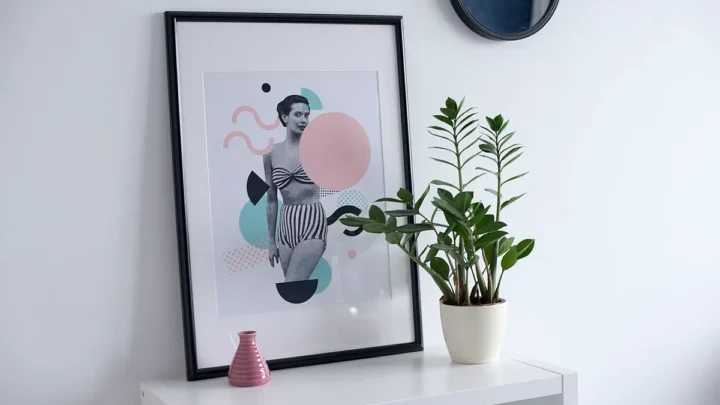
And here's a photo of what a healthy ZZ Plant looks like up close.
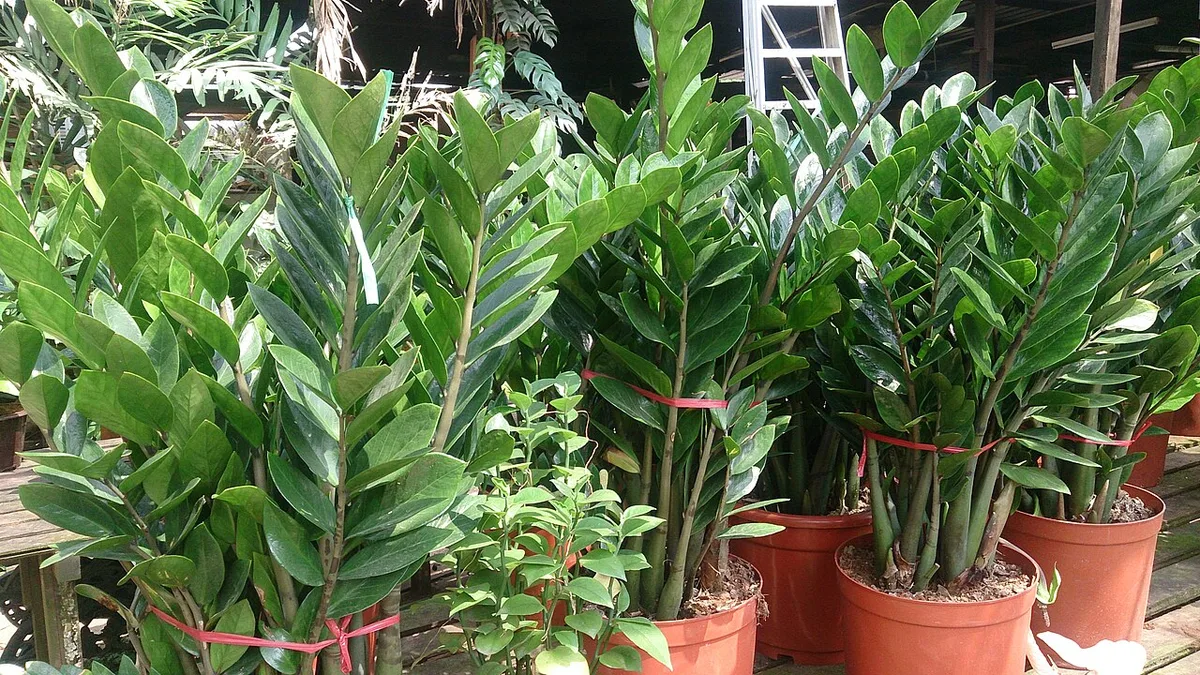
Image source: Wikimedia Commons / Mokkie (CC BY-SA)
Get to Know the Snake Plant
The Snake Plant (Dracaena trifasciata) used to be called Sansevieria. Botanists reclassified it into the Dracaena genus in 2017. The name change confused a lot of plant owners, but the plant itself hasn't changed.
Its leaves grow upward as stiff, sword-shaped blades. They can reach 2 to 4 feet tall, with some cultivars hitting 6 feet. The 'Laurentii' has distinctive yellow edges.
The 'Moonshine' has a pale silver-green center.
The Snake Plant is a CAM plant, which means it absorbs carbon dioxide at night and releases oxygen. Research from the ASPCA lists it as toxic to dogs and cats. The saponins in the leaves can cause vomiting if ingested.
It's also faster-growing than the ZZ Plant, with most varieties adding 4 to 12 inches per year. It's slightly more light-hungry though. Low light slows its growth significantly and can cause leaf flop.
A major drawback is that it's sensitive to cold. It will go into shock below 50°F. Overwatering is also a problem, but it's slightly more resilient to dry soil than the ZZ.
For pet owners, the Snake Plant contains saponins. If a dog chews a leaf, it can cause drooling and nausea. We've covered the specific safety risks for both plants in detail here: specific safety risks for pets.
Here's the classic form of the Snake Plant.
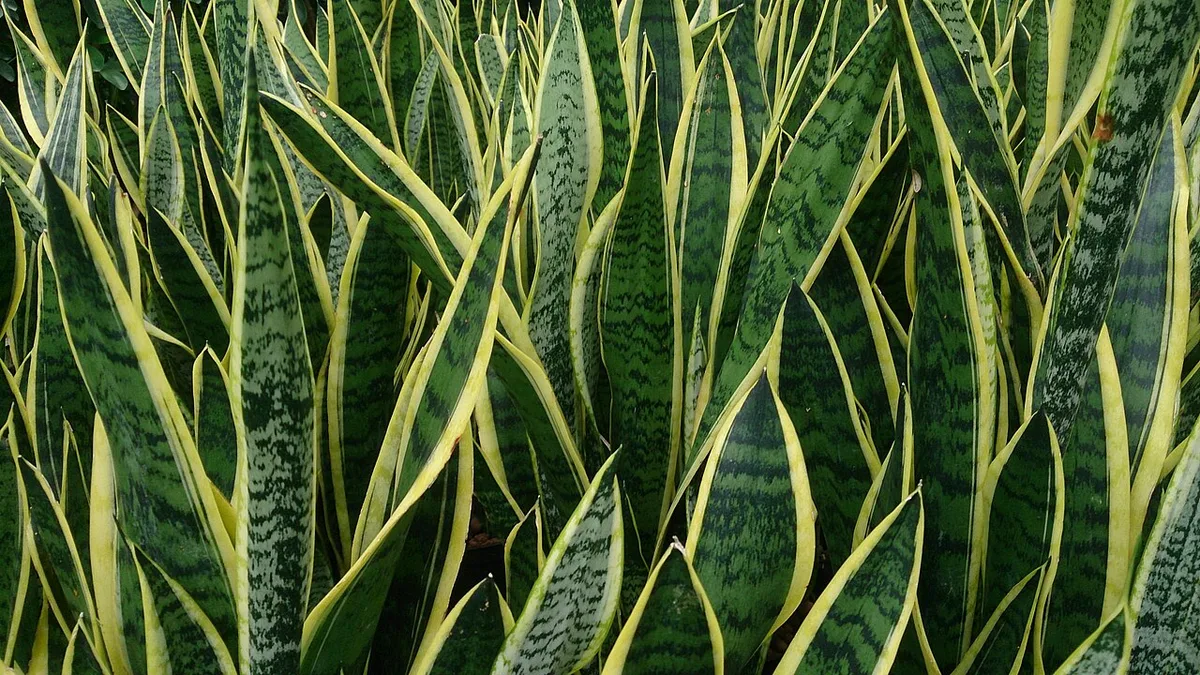
Image source: Wikimedia Commons / Mokkie (CC BY-SA)
Head-to-Head: ZZ vs Snake Plant
Now we get to the fun part. Let's put them side by side so you can see exactly what matters.
| Feature | ZZ Plant | Snake Plant |
|---|---|---|
| Mature height | 24-36 inches | 24-48+ inches |
| Growth rate | Slow (6-12 inches/yr) | Moderate (4-12 inches/yr) |
| Light tolerance | Low to bright indirect | Low to bright indirect, needs more |
| Water frequency | Every 2-3 weeks | Every 2-6 weeks |
| Night oxygen release | Yes (CAM) | Yes (CAM) |
| Pet toxicity | Calcium oxalate | Saponins |
The table shows the high-level differences. But there's more to it.
The ZZ Plant wins for darker rooms. It settles for 50 to 100 foot-candles of light. The Snake Plant can survive there, but it won't grow much.
If you have a bright window, the Snake Plant rewards you with taller leaves. For the edge cases, check the real light limits of a ZZ.
For watering, the Snake Plant is more forgiving. It stores water in its leaves, not just the rhizomes. You can go 6 weeks without watering it in winter.
The ZZ Plant needs a bit more consistency, though not much.
Both plants are toxic to cats and dogs, but in different ways. The ZZ Plant contains calcium oxalate crystals that cause mouth pain and swelling. The Snake Plant has saponins that cause vomiting.
Neither is deadly, but you should keep them out of reach.
Here's a great visual reference for the leaf structure difference. This image shows the glossy, paddle-shaped leaflets of a ZZ beside the upright, blade-like leaves of a Snake Plant.
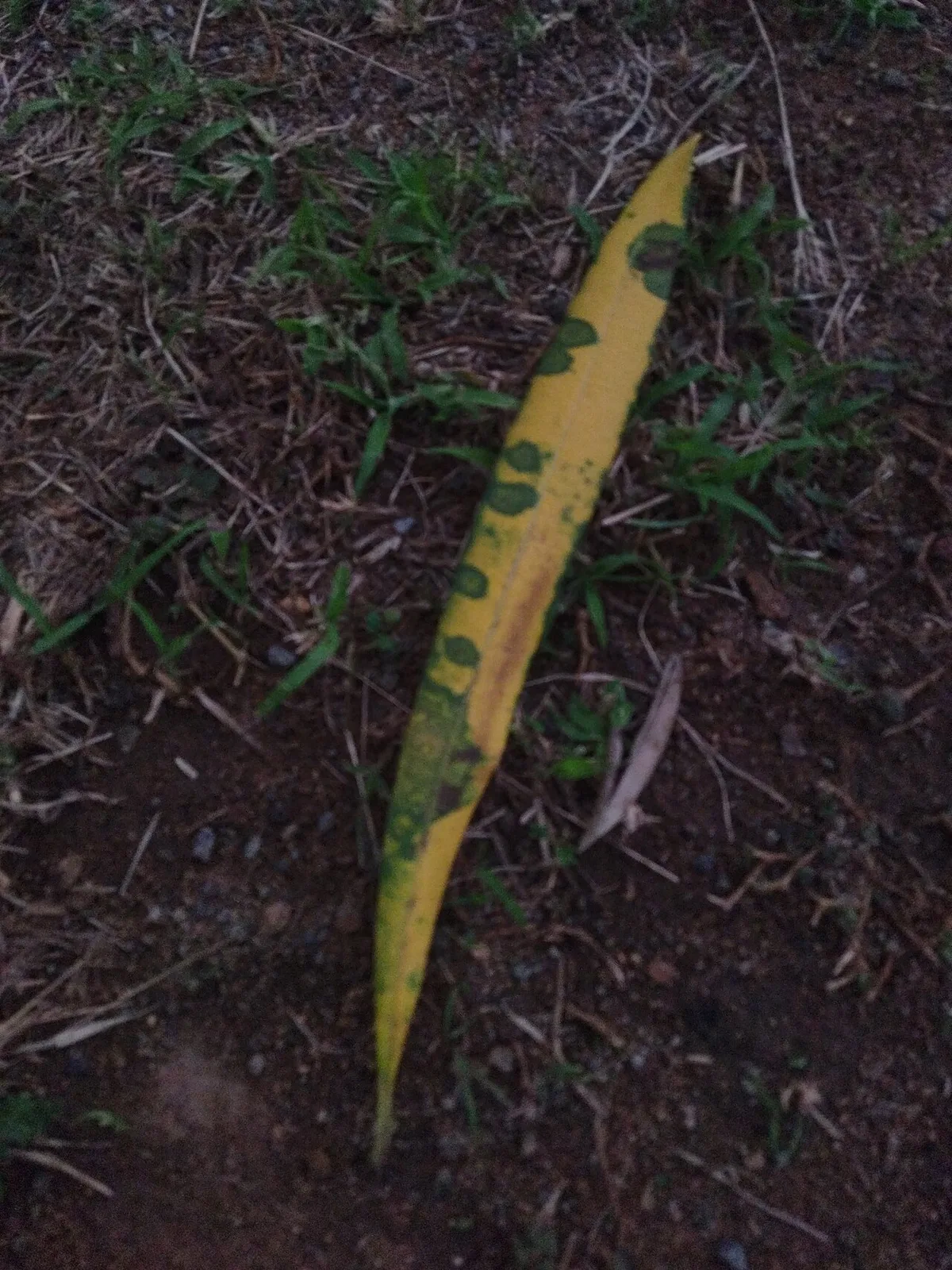
Image source: Wikimedia Commons / Sharmila Rangaraj (CC BY-SA)
Which Plant Wins Based on Your Home and Habits
There's no single winner. The best choice depends entirely on your situation. Let's walk through the common scenarios.
If you live in a dark apartment with one north-facing window, pick the ZZ Plant. It will stay fuller and healthier in that light. You'll need to know how much light a ZZ truly needs to avoid leggy stems.
If you want a statement plant for a bright living room, the Snake Plant is better. Its vertical blades add height and drama. It also grows faster, so you'll see progress.
If you're a frequent traveler, the Snake Plant wins. It can handle longer dry spells. Its thick leaves hold water for weeks.
The ZZ Plant can do the same, but it's more prone to rot if you guess wrong about watering.
For bedrooms, both are great. They both release oxygen at night. However, the Snake Plant is a stronger candidate because it grows taller and creates a bigger visual presence.
For pet owners, neither is fully safe. The Snake Plant is slightly less risky. Its saponins cause stomach upset, while the ZZ Plant's calcium oxalate crystals cause intense mouth burning.
Check our pet-related hazards of both plants for the full breakdown.
In short, choose the ZZ for dark corners. Choose the Snake for vertical height and faster growth. Both survive your life, as long as you don't overwater them.
For more details, see our full guide to ZZ care.
The 5 Mistakes Everyone Makes with These Plants
These plants are tough, but they still get killed. Here are the most common sins, straight from aggregate owner reviews.
1. Overwatering. This is the #1 killer for both. The ZZ and Snake store water in their tissues.
They don't need a sip until the soil is bone dry. Stick a finger in the soil first.
2. Choosing a pot without drainage. A decorative pot with no hole traps water at the bottom. The roots sit in a puddle, and rot takes over fast.
Always use a nursery pot with a drain, then slip it inside a cachepot.
3. Dusty leaves. Thick leaves catch dust easily. That layer blocks light absorption and slows growth.
Wipe both sides with a damp cloth every few months.
4. Moving from dark to bright too fast. Both plants adapt to low light. If you suddenly blast them with strong sun, the leaves scorch and bleach.
Transition them slowly over a week.
5. Ignoring cold drafts. The ZZ is forgiving, but both plants hate cold windows. If a leaf touches frosty glass in winter, it turns black.
Keep them away from drafty sills and air vents.
Quick FAQs
How long can these plants go without water?
Both can survive 4 to 6 weeks without water in winter. The Snake Plant is slightly more forgiving. It stores water in its leaf cells.
The ZZ holds water in its rhizomes, but needs a bit more consistency.
Are these plants safe for pets?
No, both are toxic. The ZZ contains calcium oxalate crystals that burn the mouth. The Snake Plant has saponins that cause drooling and vomiting.
Keep them out of reach. If your pet chews one, call your vet.
Which plant grows faster?
The Snake Plant grows faster, especially in brighter light. It can add 12 inches in a season. The ZZ is a slowpoke, gaining only 6 inches a year.
If you want quick height, choose the Snake.
Can both survive in a windowless room?
Technically, yes, for a while. They tolerate fluorescent lights and shady corners. But they won't grow much.
For best health, give them at least indirect daylight from a nearby window.
Do they really clean the air?
Yes, to a degree. The NASA Clean Air Study confirmed both remove some indoor VOCs. But that test used sealed chambers with many plants.
In a real home, the impact is modest. They're still great plants, just not air purifiers on their own.
The Bottom Line
Pick the Snake Plant if you want a taller statement piece with faster growth. Pick the ZZ Plant if your room is darker and you prefer a lush, mounding shape. Both are forgiving, but they demand the same basic rule: water only when the soil is completely dry.
Our research confirms that the Snake Plant slightly edges out the ZZ for pet households because its saponins cause milder symptoms than the ZZ's calcium oxalate. But both are risky. If you have a nibbler, keep either plant high up or skip them entirely.
For beginners, there's no wrong answer. Start with the one that matches your light and your patience. Then follow the simple steps in our beginner care guide to keep it thriving.
And if you're ever unsure about your light levels, ease the plant into a brighter spot slowly. A little prep goes a long way in keeping these tough plants happy.

Similar Posts