Surprising Spider Plant Benefits You’ll Love
Botanical Horticulturist & Food Preservation Specialist at Brittle Bloom · Certified Master Gardener & Master Food Preserver · 12+ Years in Plant Propagation & Food Preservation
You know that feeling when you bring home a houseplant and it looks great for a week before it starts silently judging you? We’ve all been there. The benefits of spider plant ownership go far beyond just having something green to look at, because this plant is genuinely the easiest win in the houseplant world.
It doesn’t demand perfection, and it rewards even the most distracted caretakers with visible growth, free baby plants, and a forgiving nature that feels almost therapeutic.
The spider plant, known scientifically as Chlorophytum comosum, has been a household staple for generations. In our research, the most cited authority remains the 1989 NASA Clean Air Study, which identified this plant as one of the most effective at removing indoor air pollutants like formaldehyde and benzene. That study shaped its reputation, but the real-world value goes much deeper.
Let’s explore what this plant actually does for your home and your sanity.
Quick Answer
Spider plants purify indoor air, resist neglect, and reproduce easily. They are non-toxic to pets. They thrive in low light.
They forgive missed watering. They give you free plants forever. They reduce stress through simple plant care.
They are perfect for beginners.
What a Spider Plant Actually Is (and Why You Want One)
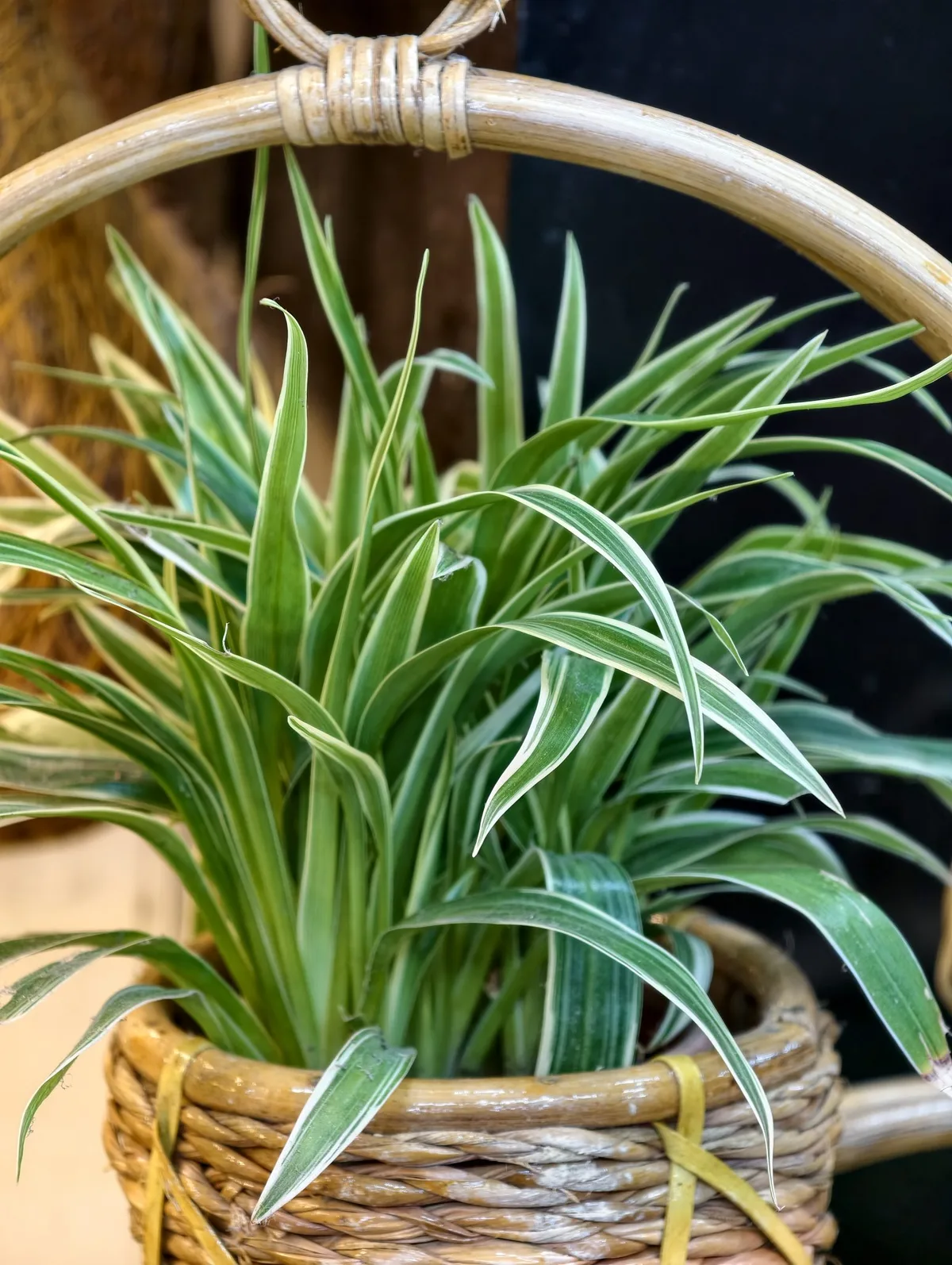
The spider plant comes from South Africa. It grows as a clumping perennial with long, arching leaves that cascade outward like a fountain. The leaves are thin, pointed, and usually variegated with white or cream stripes running down the center or edges.
It’s not a flashy plant. It’s not rare or exotic. It’s just reliable, and that’s exactly why it’s been passed down through generations of houseplant owners.
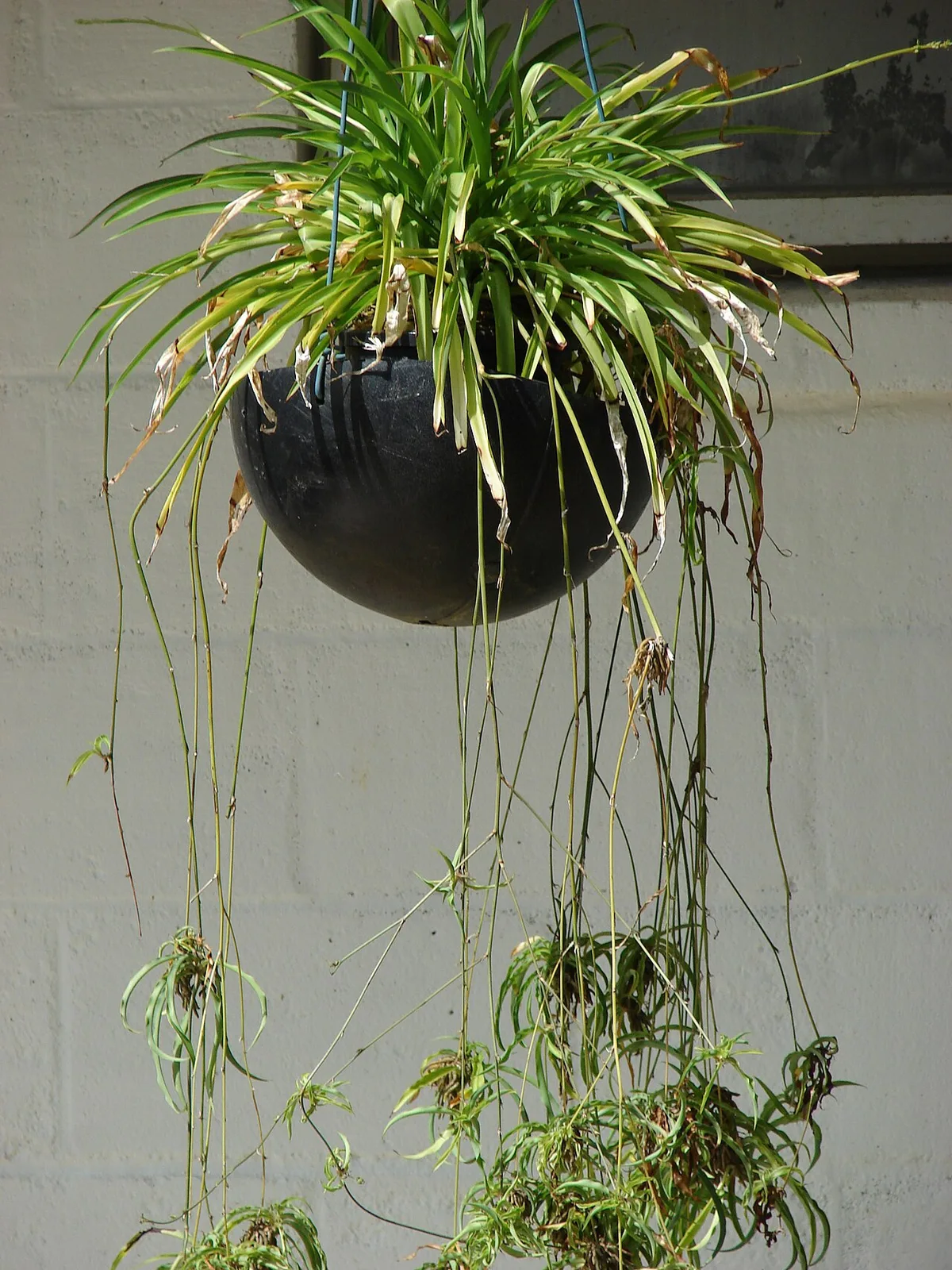
Image source: Wikimedia Commons / Forest and Kim Starr (CC BY)
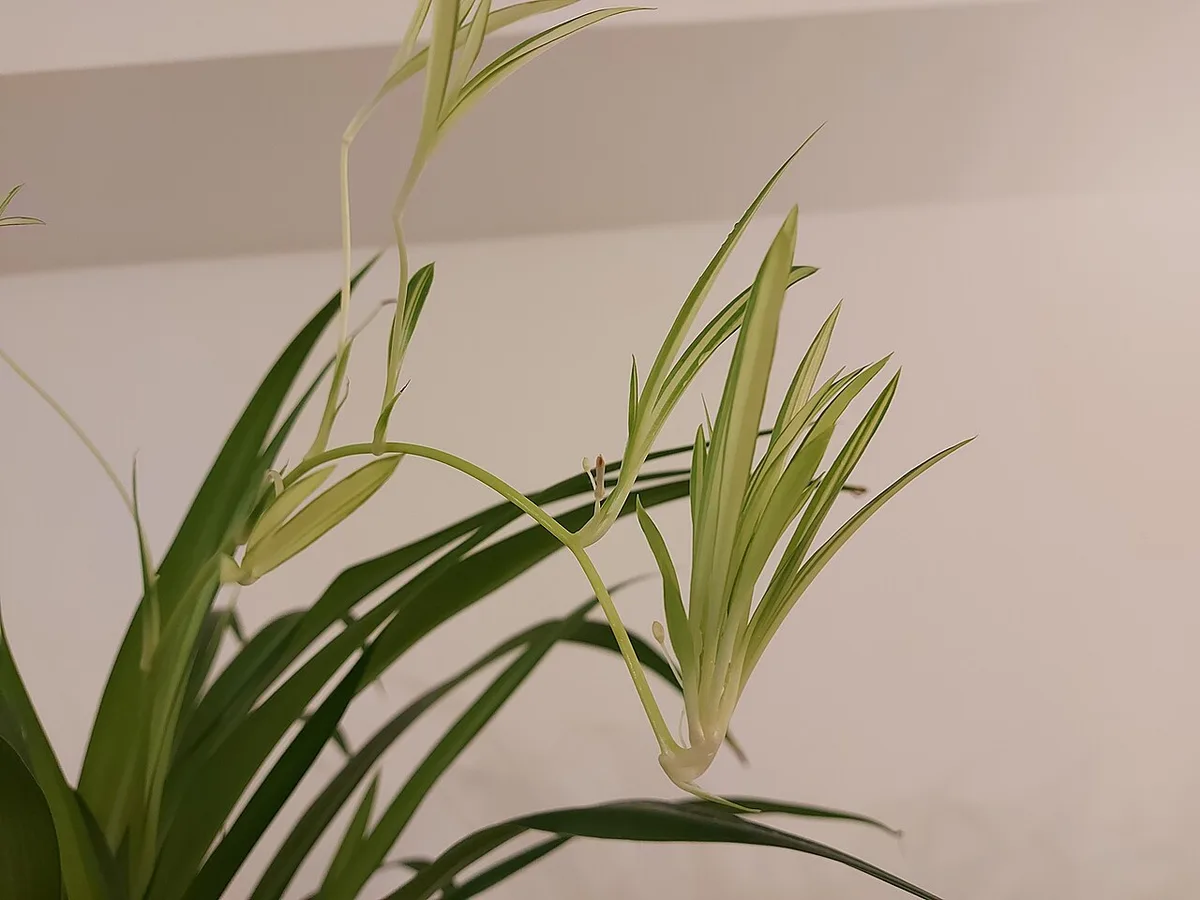
Here’s what makes it special. Mature spider plants send out long, wiry stems called stolons. These stems produce small white flowers, then tiny plantlets known as spiderettes.
Those babies hang off the mother plant like green spiders on a thread, which is exactly how the plant got its common name. Leave them attached, and you get a beautiful cascading display. Cut them off, root them in water, and you have a brand new plant in a week or two.
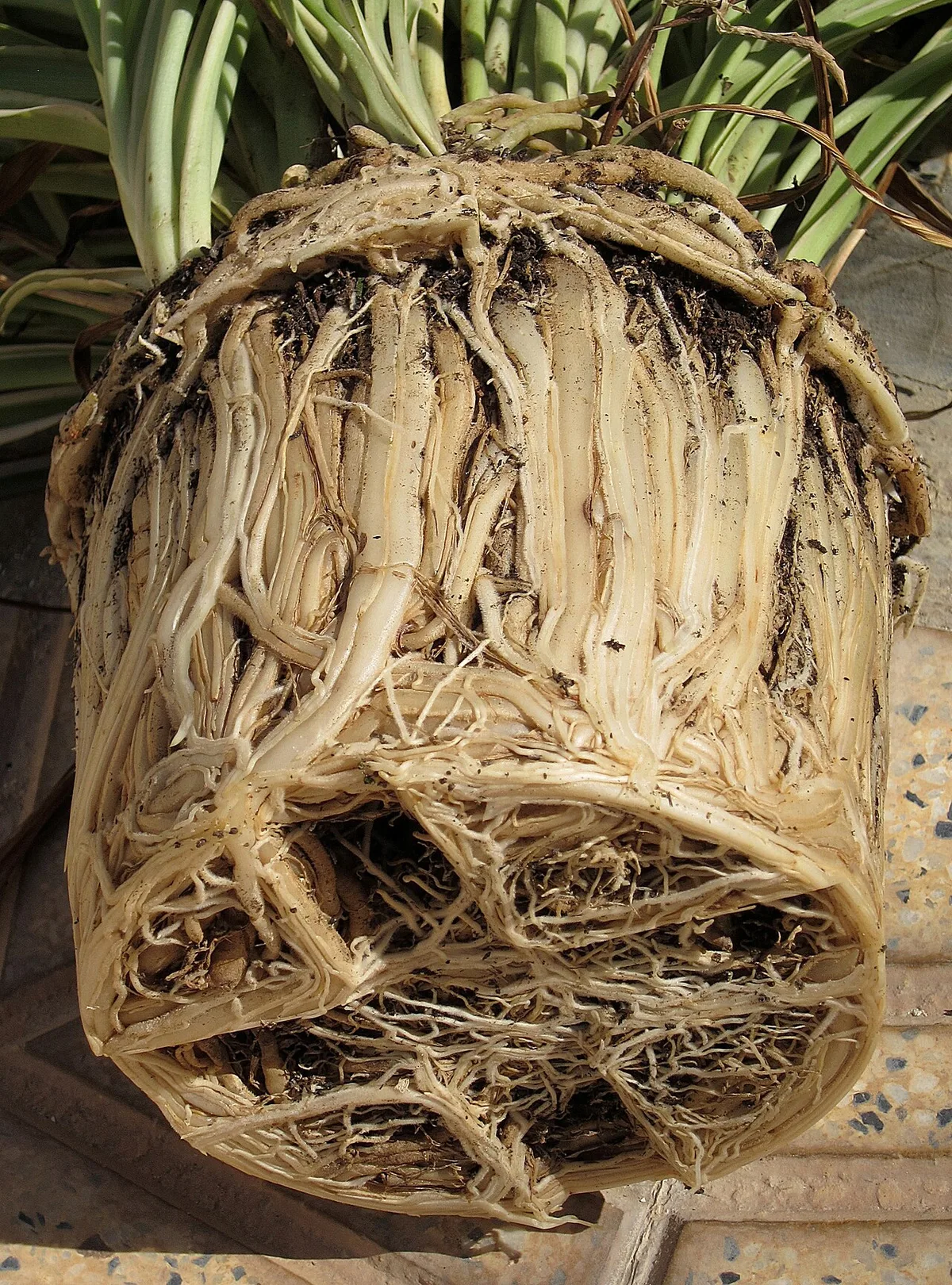
The plant has thick, white, tuberous roots that look like small potatoes. These roots store water and nutrients, which is the secret to its incredible resilience. When you forget to water it for a week, the plant draws from its internal reserves and keeps going.
When you finally remember, it perks right back up within a day. That combination of cascading beauty and survival instinct makes it a standout choice for offices, bedrooms, and living rooms alike.
Virtually every home improvement store and garden center carries spider plants. They’re inexpensive, usually under fifteen dollars, and they make fantastic starter plants for kids or anyone new to plant care. As of 2026, they remain one of the most popular houseplants in North America and Europe, and for good reason.
The Air-Purifying Claim: What Science Really Says
The spider plant’s reputation as an air purifier traces back to the 1989 NASA Clean Air Study. Researchers wanted to find ways to purify the air inside sealed space stations. They tested common houseplants in airtight chambers and measured how well each plant removed volatile organic compounds, or VOCs.
The spider plant performed remarkably well, especially at removing formaldehyde, benzene, and xylene from the air.
Here’s the honest part. Those lab conditions don’t match real home environments. An airtight chamber is very different from a living room with drafts, windows, and constant air exchange.
This has led some people to dismiss the air-purifying claim entirely. But that conclusion is also too extreme.
| Pollutant | Spider Plant Removal Rate (NASA Study) | Real-World Context |
|---|---|---|
| Formaldehyde | High (up to 95% in 24 hours in sealed chamber) | Common in furniture, carpets, and cleaning products |
| Benzene | Moderate | Found in plastics, synthetic fibers, and cigarette smoke |
| Xylene | Moderate | Present in printing inks, paints, and varnishes |
What does this mean for you? The plant does absorb these compounds through its leaves and roots. It breaks them down and uses them as nutrients.
But to replicate the NASA test conditions, you would need roughly 15 to 18 spider plants per 1,800 square feet. That’s a lot of plants. Still, every plant you add to a room contributes a modest, continuous cleaning effect.
It’s not a miracle. It’s a passive, low-level contribution that works alongside good ventilation.
Low-Maintenance Resilience: The Plant That Forgives You
The spider plant’s most valuable trait isn’t air purification. It’s the fact that it refuses to die. The tuberous root system acts as a built-in water reserve.
When you neglect the plant for days, or even a couple of weeks, it slowly draws moisture from those thick roots. The leaves may droop. The color may pale.
But the plant survives.
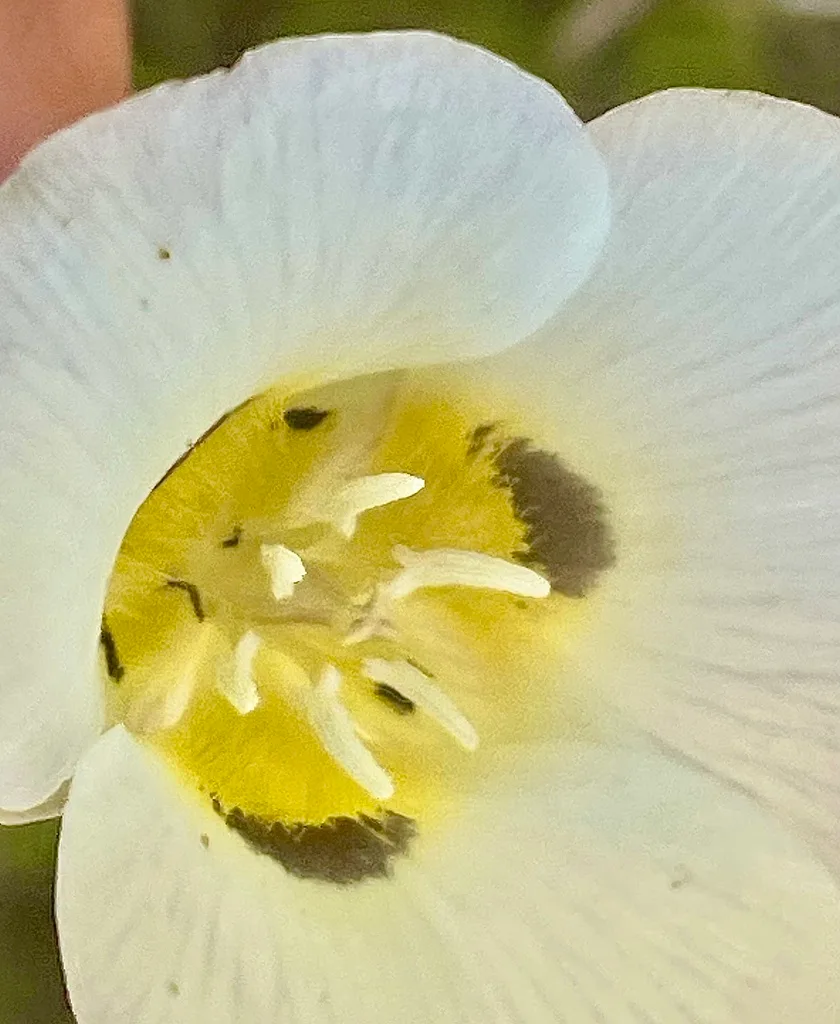
Image source: iNaturalist / Irene
When you finally water it, the recovery is dramatic. Within twelve to twenty-four hours, the leaves firm up and regain their vibrant color. It’s almost as if the plant is saying, “No worries, I’ve got this handled.” This resilience makes it the perfect plant for beginner enthusiasts, busy professionals, and anyone who travels regularly.
The key is to let the top two inches of soil dry out between waterings. That usually means watering every seven to ten days, depending on your home’s temperature and humidity. In winter, you can stretch it to every two weeks.
The plant prefers consistent moisture but tolerates erratic schedules far better than most houseplants.
What about lighting? Spider plants are famously adaptable. They thrive in bright, indirect light, where they grow fast and produce plenty of spiderettes.
But they also tolerate moderate and even low light conditions. In dimmer spots, they grow slower and may lose some white variegation, but they continue to live happily. The only thing they cannot handle is intense, direct afternoon sun, which scorches the leaves and causes brown, crispy tips.
Free Plants, Forever: The Propagation Payoff
Here’s where spider plants truly shine. One healthy mother plant produces dozens of spiderettes every year. This means you never have to buy another spider plant again.
More importantly, it means you can share plants with friends, family, neighbors, and coworkers without spending a dime.
Here’s how propagation works in practice:
- Wait for stolons. A happy, mature spider plant sends out long, arching stems with tiny white flowers. These stems are called stolons.
- Let the babies form. After the flowers fade, small plantlets appear. Each one has a few tiny leaves and, eventually, small roots.
- Cut and root. Once the spiderette is at least a couple of inches wide, cut the stem connecting it to the mother plant. Place the baby in a glass of water.
- Watch the roots grow. Within one to two weeks, white, fleshy roots emerge from the base of the spiderette.
- Pot it up. When the roots reach about an inch in length, plant the baby in well-draining potting soil. Water gently, and treat it like a mature plant.
This process is so reliable that you can start a new plant every few weeks during the growing season. Many plant parents report gifting dozens of spiderettes to friends and neighbors over the course of a single year. It turns plant ownership into a communal activity.
It creates a sense of connection and generosity that few other houseplants offer.
Propagation also gives you a way to keep the mother plant healthy. When a mature spider plant becomes overcrowded with babies, it directs energy toward the spiderettes at the expense of its own leaves. Removing the babies encourages the main plant to focus on root and foliage growth, which keeps it lush and vibrant.
Safe for Pets: The Cat-Safe Houseplant Champion
Pet owners face a constant challenge. Many beautiful houseplants are toxic to cats and dogs. Spider plants are a refreshing exception.
Both the ASPCA and the Pet Poison Helpline list the spider plant as non-toxic to cats and dogs. That means you don’t need to panic if your furry friend takes a curious bite.
The plant’s long, arching leaves are practically irresistible to cats. They hang and sway, which triggers a cat’s hunting instincts. Many cats will bat at the leaves, bite them, or chew on them.
This behavior doesn’t cause poisoning. At worst, it causes mild digestive upset, which usually passes without intervention.
There is one fascinating quirk. Spider plants contain a compound that has a mild hallucinogenic effect on cats. It’s similar to the effect of catnip, but less intense.
Some cats become fascinated by the plant and keep coming back for more. This isn’t dangerous. But if your cat eats a large amount, it may vomit or show mild sedation.
To avoid this, hang the plant in a location your cat can’t reach, or use a decorative plant stand.
For dog owners, the risk is even lower. Most dogs show little interest in spider plants. If your dog does nibble, the outcome is typically a bit of drooling or a brief stomach ache.
No emergency vet visit required.
The peace of mind this provides is significant. You can place spider plants anywhere in your home without worrying about your pets’ safety. That flexibility makes them ideal for living rooms, bedrooms, and home offices where your animals spend the most time.

Similar Posts