Spider Plant Not Growing? 7 Causes & Easy Fixes
Botanical Horticulturist & Food Preservation Specialist at Brittle Bloom · Certified Master Gardener & Master Food Preserver · 12+ Years in Plant Propagation & Food Preservation
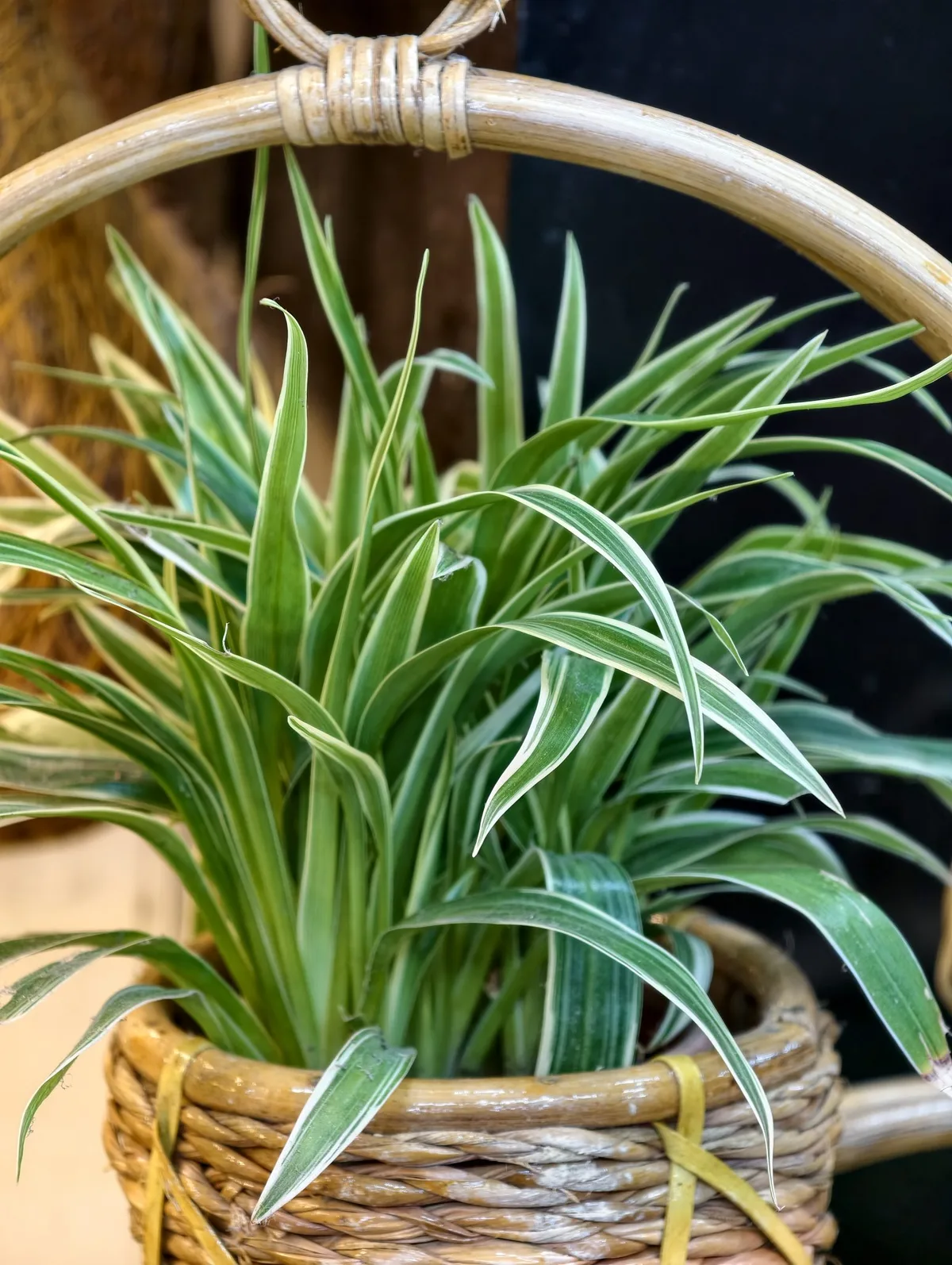
If your spider plant looks healthy but refuses to grow, you're not alone. A spider plant not growing is one of the most common houseplant frustrations, and it's rarely because the plant is dying. More often, it's a quiet signal that something in its environment needs adjusting.
The good news? Spider plants are forgiving. They bounce back quickly once you fix the underlying issue.
In our research, the vast majority of stunted spider plants recover within two to four weeks of correcting the problem. We've seen mature plants double in size within a single growing season after a simple repotting or light adjustment. Let's walk through the diagnosis step by step.
Quick Answer
Your spider plant is likely root-bound, starved of light, or lacking nutrients. These three causes account for most stunted growth. Check the roots first.
If they're circling the pot or poking through drainage holes, repot it. Move the plant to brighter indirect light. Feed it with a balanced fertilizer every two weeks during spring and summer.
Recovery starts within two weeks.
Diagnose the Plant, Not the Calendar
Generic advice like "give it more sun" doesn't help because the fix depends entirely on what your specific plant is showing. A spider plant that sits in dim light looks different from one that's been overwatered. They need different solutions.
Start by examining the leaves. Are they pale, dark, curled, or crispy? Then check the soil moisture.
Push a finger two inches deep. Finally, inspect the pot. Look for roots escaping through the drainage holes or circling the top of the soil.
The condition of your plant's roots and leaves narrows down the cause fast. Once you know what you're dealing with, the solution becomes obvious.
The Top 5 Causes, Ranked by Likelihood
- Being root-bound too long (the most common culprit)
- Insufficient light
- Nutrient deficiency
- Overwatering or poor drainage
- Fluoride sensitivity in tap water
If your spider plant isn't growing and you have no other symptoms, start with these in order. If the pot is full of roots, repot. If not, move it somewhere brighter.
That solves the majority of cases.
The Light and Water Connection
Spider plants thrive in bright, indirect light. They'll survive in low light, but surviving isn't the same as growing. In dim conditions, the plant focuses on staying alive rather than producing new leaves or pups.
Direct sunlight is just as problematic. It scorches the leaves, causing brown tips and faded coloring. The ideal spot is near a north or east-facing window, or a few feet back from a south or west-facing one.
As of 2026, standard LED grow lights also work well if natural light is limited.
Water is the second half of this equation. Spider plants like their soil to dry out slightly between waterings. Water thoroughly when the top inch or two of soil feels dry.
| Condition | Light | Watering |
|---|---|---|
| Ideal | Bright, indirect (8–12 hours) | Water when top 1–2 inches dry |
| Low light | Dim corner | Reduce watering frequency |
| Direct sun | South/west window | Watch for leaf burn |
Yellow leaves usually mean too much water. Brown, crispy tips often mean underwatering or fluoride buildup. Pale, washed-out leaves mean too much direct sun.
Why Your Spider Plant Hasn't Produced a Single Pup
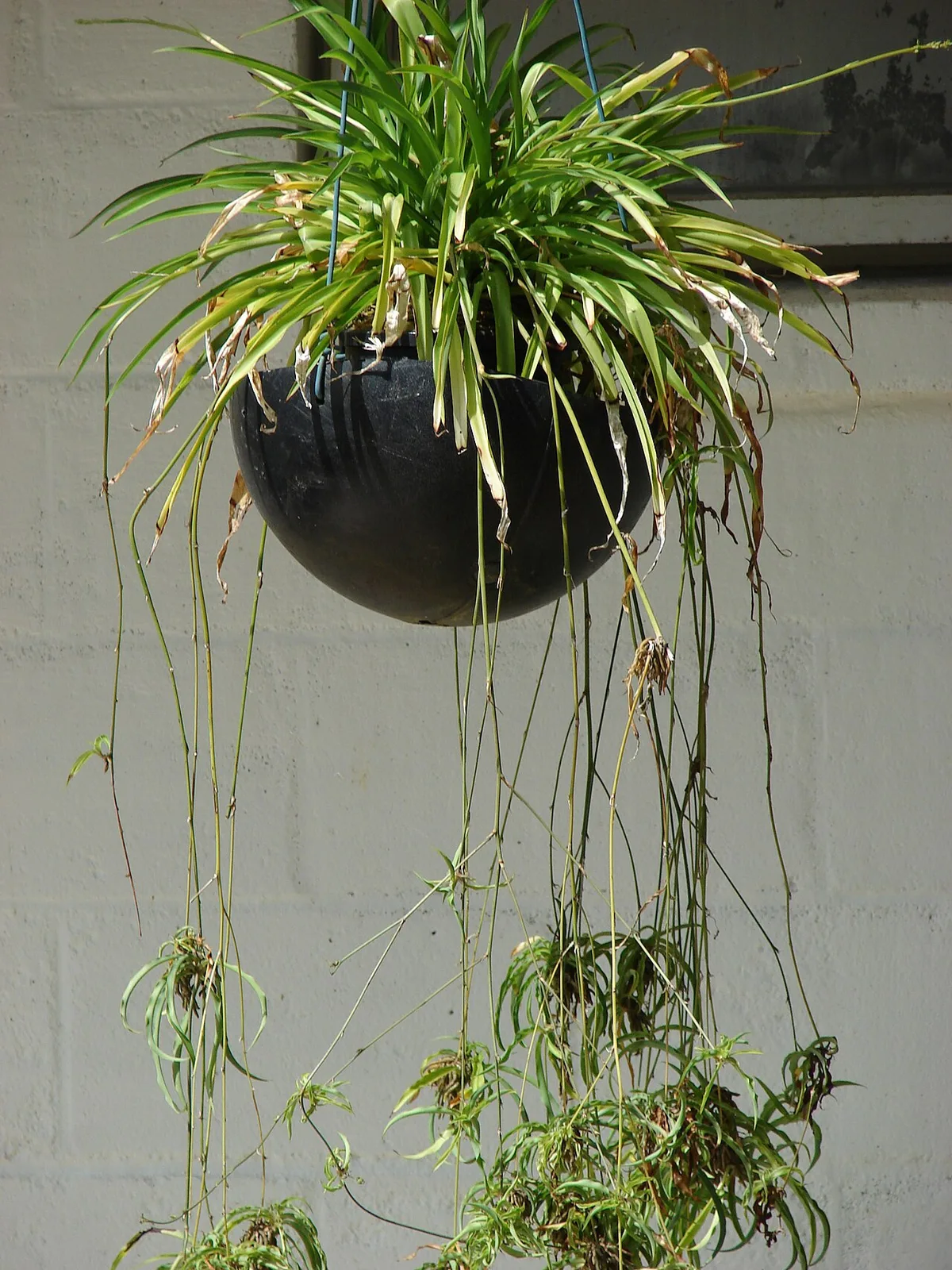
Pup production, the little plantlets that hang from the mother plant, is the spider plant's way of reproducing. If yours isn't making any, it's usually a sign of stress or insufficient resources.
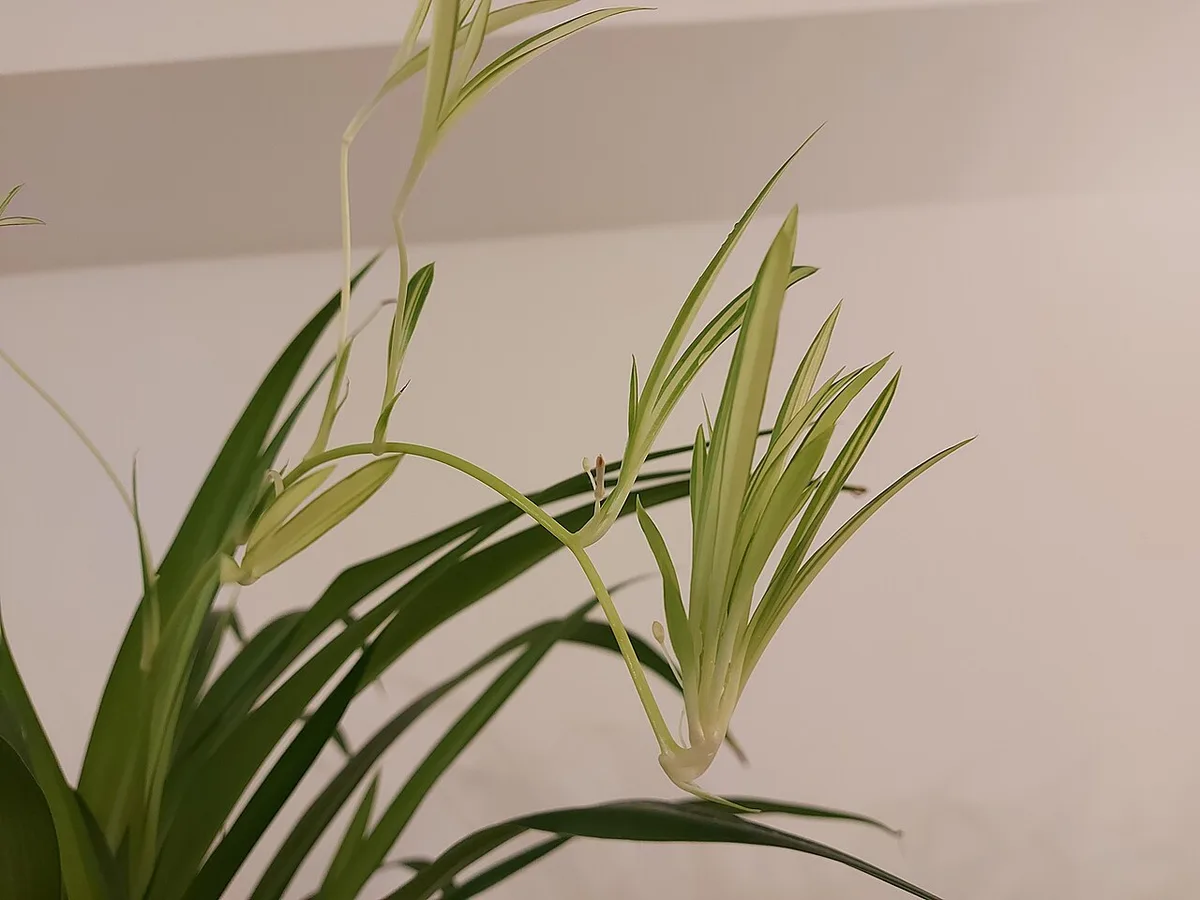
Image source: Wikimedia Commons / Jamzze (CC BY-SA)
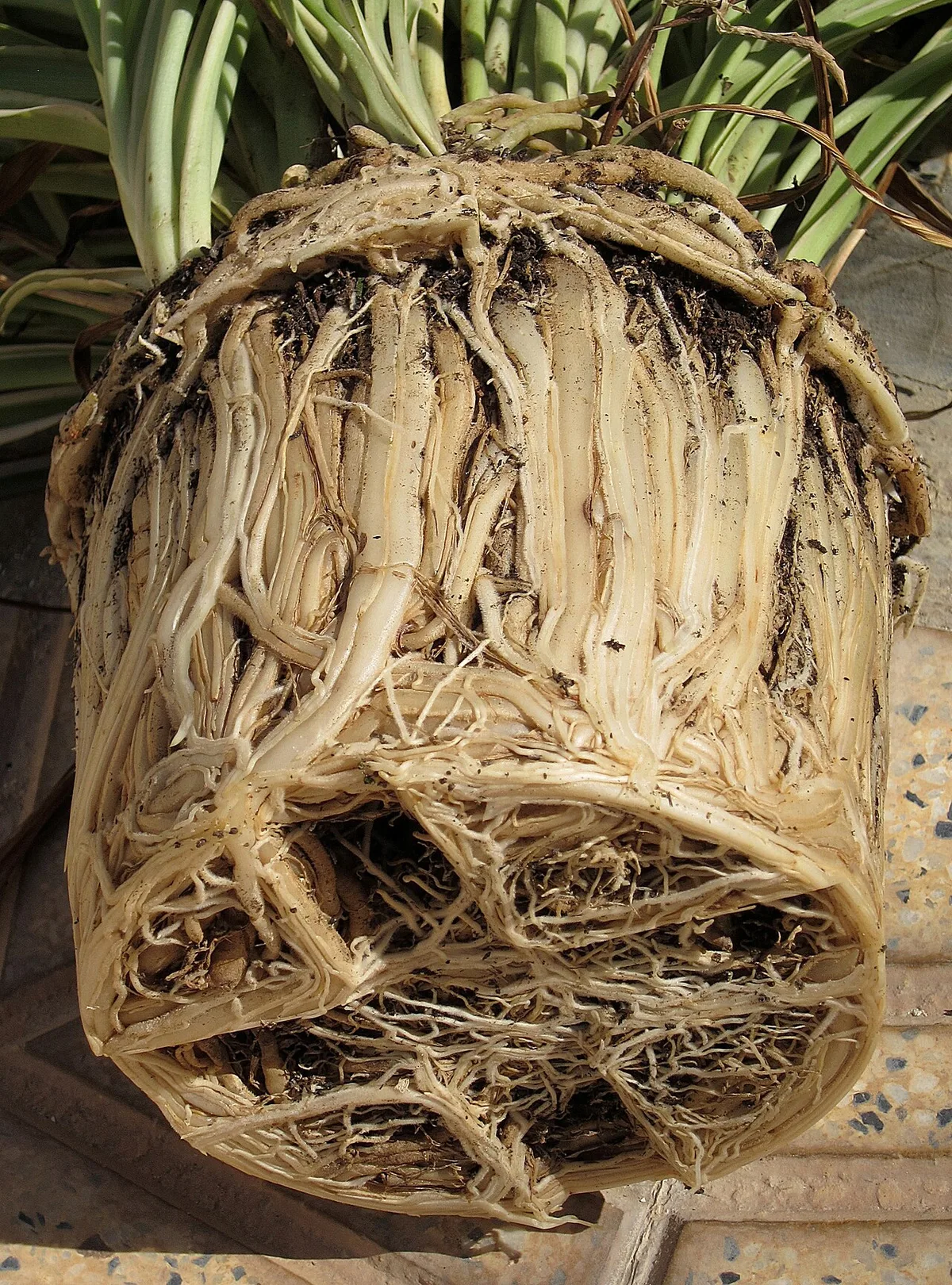
A spider plant that's root-bound will often produce pups as a survival mechanism. Once the roots fill the pot entirely, the plant redirects energy toward reproduction. If you repot too early, you might delay pup production.
Light is the bigger factor. Spider plants need plenty of bright, indirect light to generate the energy required for pup growth. A plant in a dark corner rarely produces pups at all.
Feed your plant monthly during spring and summer with a balanced fertilizer, and keep it slightly root-bound to encourage pup production.
The Hidden Problem Nobody Checks: Roots and Pot Size
Most people assume the pot is fine and the problem is something else. That's a mistake. Spider plants have thick, tuberous roots that fill containers surprisingly fast.
When they run out of space, growth slows dramatically.
Check the drainage holes. If roots are poking through, the plant is severely root-bound. Even if they aren't, gently slide the plant out of its pot.
If roots circle the soil mass tightly, it's time to repot.
Here's the counterintuitive part: being moderately root-bound pushes spider plants to produce pups. But being severely root-bound stops all growth entirely. The difference is timing.
Wait until roots fill the pot, then repot. Don't wait until they're strangling the plant.
Choose a pot that's one to two inches larger in diameter than the current one. Terra cotta works well because it allows the soil to dry evenly. Use a well-draining potting mix, and ensure the new pot has drainage holes.
When Yellow Leaves and Brown Tips Are Trying to Tell You Something
Symptom mapping is the fastest way to fix a struggling spider plant. Each visual cue points to a specific problem. You don't need to guess when the plant is telling you exactly what's wrong.
| Symptom | Likely Cause | Quick Fix |
|---|---|---|
| Yellow leaves | Overwatering | Let soil dry out, reduce frequency |
| Brown leaf tips | Fluoride or chlorine | Use filtered or distilled water |
| Pale, washed-out leaves | Too much direct sun | Move to brighter but indirect light |
| Curling leaves | Underwatering | Water thoroughly, check soil moisture |
| Stunted growth | Root-bound or low nutrients | Repot or fertilize |
| Leggy, sparse growth | Insufficient light | Move to a brighter location |
Brown tips are the most common complaint. Tap water often contains fluoride and chlorine, which spider plants are sensitive to. Switching to filtered, distilled, or rainwater typically resolves the issue within a few weeks.
The existing brown tips won't heal, but new growth will come in clean.
Yellow leaves signal overwatering. Cut back on watering frequency and ensure the pot drains properly. If the soil stays soggy for days, consider repotting in a grittier mix.
For more detailed guidance on plant health and indoor gardening, the University of Minnesota Extension offers research-backed advice on houseplant care.
The Quick-Fix Repotting Guide
Start by watering the plant a day before you repot. Hydrated roots are more flexible and less likely to snap during handling. Then gather your materials: a pot one to two inches larger, fresh potting mix, and clean scissors.
Gently slide the plant out of its current pot. If it resists, squeeze the sides of a plastic pot or run a knife around the inside edge of a terra cotta one. Loosen the root ball with your fingers, removing old soil that's compacted.
How to Tell When It's Actually Time
Lift the plant and look at the roots. Tightly circling roots mean it's time. Roots poking through drainage holes mean it's overdue.
Mushy, dark roots signal rot, which requires trimming before repotting.
For root rot, cut away the damaged sections with sterilized scissors. Healthy spider plant roots are thick, white, and firm. After trimming, let the roots air dry for an hour before potting.
Place the plant in the new pot and fill around it with fresh soil. Water thoroughly until it drains from the bottom. Keep the plant in bright, indirect light for a week while it settles.
Mistakes That Keep Spider Plants Stunted
Even with the best intentions, small errors add up. Here are the ones we see most often in aggregate reviews and houseplant forums.
Over-fertilizing. More food isn't better. Excess fertilizer salts accumulate in the soil and burn the roots. If you see brown tips alongside slow growth, flush the soil with water monthly.
Repotting too often. Spider plants like being snug. Repotting every few months disrupts root establishment and halts growth. Stick to a 12 to 24 month schedule.
Ignoring the season. Spider plants slow down naturally in winter. If growth stalls between November and February, that's normal. Don't compensate by watering more or moving the plant into direct sun.
Using the wrong soil. Garden soil compacts in pots and suffocates roots. Use a loose, well-draining mix designed for indoor plants.
How Long Until You See New Growth?
Recovery timelines vary depending on the problem and how long the plant has been struggling. Here's what to expect.
| Issue | Timeline for New Growth |
|---|---|
| Low light | 2 to 4 weeks after moving |
| Root-bound | 3 to 6 weeks after repotting |
| Nutrient deficiency | 2 to 3 weeks after fertilizing |
| Overwatering | 4 to 6 weeks after correcting |
| Fluoride damage | New growth clean within 2 to 3 weeks |
New leaves emerge from the center of the rosette. Watch for small, pale spikes pushing up through the soil. They green up as they mature.
Pups may take another month or two, depending on light and root conditions.
If you see nothing after six weeks, reassess. Check light levels with your hand. If you can't read a book in the spot, the plant can't photosynthesize effectively either.
Frequently Asked Questions
Why is my spider plant alive but not growing?
The most common reasons are being root-bound, insufficient light, or lack of nutrients. Check the roots first. Then assess light exposure.
Finally, start a fertilizer routine during the growing season.
How often should I repot a spider plant?
Every 12 to 24 months. Spider plants prefer snug pots but need fresh soil periodically. Repot when roots circle the pot or emerge from drainage holes.
Can spider plants grow in low light?
They survive in low light but won't thrive. Growth slows dramatically, and pup production stops. For active growth, bright indirect light is necessary.
Why are my spider plant babies dying?
Pups often die from underwatering or being detached too early. Leave pups attached to the mother until roots are at least an inch long before propagating.
Should I cut off brown tips?
Yes, but carefully. Trim only the brown portion, leaving a thin margin. Cutting into healthy green tissue creates a fresh wound that may brown again.
Final Recommendation / Verdict
Start with the roots. That's the most common issue, and checking takes two minutes. Slide the plant out, inspect, and act accordingly.
If roots are healthy and the pot isn't crowded, move to light. Give the plant brighter indirect exposure for two weeks. Then assess.
Your spider plant wants to grow. It's programmed to fill its pot and send out pups. Give it the right root space, light, and feeding schedule, and it will reward you with fast, lush growth.
Most corrections show visible results within a month.

Similar Posts