Snake Plant Disadvantages: 7 Hidden Problems to Know
Botanical Horticulturist & Food Preservation Specialist at Brittle Bloom · Certified Master Gardener & Master Food Preserver · 12+ Years in Plant Propagation & Food Preservation
Snake plant disadvantages rarely get the spotlight. Most plant guides focus on how tough these plants are. That’s fair, but it leaves buyers blindsided.
If you’re considering a snake plant, you need the honest downsides before you commit.
The most concrete issue is toxicity. As of 2026, the ASPCA still lists Dracaena trifasciata as toxic to cats and dogs due to saponins. It’s not deadly, but it causes vomiting and nausea.
That’s the kind of risk you want to understand before picking a spot for the plant.
Quick Answer
The main snake plant disadvantages are toxicity to pets, sharp leaves, and root rot from overwatering. It also grows slowly and can topple. Most of these are manageable with the right placement and watering habits.
The real question is whether your home fits those needs.
Start Here: How to Tell If a Snake Plant’s Downsides Even Matter to You
Before you worry about every snake plant downside, step back. Most of these problems only matter in certain situations. Answer these three questions and you’ll know which risks actually apply to you.
- Do you share your space with pets or young children?
- How do you normally water plants: weekly, whenever you remember, or almost never?
- Where do you plan to put the plant, and how much natural light does that spot get?
Here’s the if/then logic in a nutshell. If you have cats or dogs, toxicity becomes your top concern. If you tend to overwater, root rot is your biggest risk.
If you want a plant for a dark corner, the snake plant will survive, but it won’t grow much. That’s not a failure, that’s just how the plant works.
| If you… | Your main risk | What to do |
|---|---|---|
| Have pets | Saponin toxicity | Keep it out of reach or choose a pet-safe plant |
| Water on a schedule | Root rot from overwatering | Let the soil dry fully between waterings |
| Want slow, low-light growth | Too little light | Accept that it will grow very slowly |
The point is to stop treating a snake plant like a zero-effort miracle. It’s low maintenance, but low maintenance isn’t the same as no maintenance. And understanding the trade-offs is exactly what separates a thriving plant from a sad, mushy mess.
Pet or Toddler in the House? The Toxicity Factor, Straight Talk
If you’ve got pets or small kids, this is the downside that matters most. Snake plants contain saponins, a natural compound that acts as a defense mechanism. When a cat or dog chews the leaves, that compound can cause vomiting, nausea, and diarrhea.
Toddlers face the same risk, though most children won’t eat enough to cause more than a stomachache.
The good news is that snake plant toxicity is mild to moderate. The ASPCA animal poison control database lists it as toxic to both cats and dogs, but it’s rarely life-threatening. Still, “rarely” isn’t “never”, and any vomiting in a pet is stressful and expensive.
If that sounds like a dealbreaker, you’re right to pause. There are plenty of pet-safe plants with the same upright, architectural look. We’ll cover those later.
If you decide to keep a snake plant anyway, placement becomes a boundary issue. High shelves, hanging planters, and closed rooms work well. And when you prune or repot, wear gloves.
The sap can irritate sensitive skin.
One more thing: don’t assume the plant is safe just because it’s out of reach. Cats climb. Kids climb.
If you have a determined climber, the only real safety measure is a different plant.
How Do You Water? Matching Your Habits to the Root Rot Risk
If you’re an overwaterer, the snake plant will punish you. This is the plant that survives neglect and dies from kindness. Its thick, fleshy leaves store water, so it’s built for dry spells.
But its roots can’t sit wet for long. Soggy soil leads to root rot, which turns the base of the leaves mushy and eventually collapses the plant.
Here’s the simple rule: wait until the soil is completely dry before you water again. In most homes, that works out to once every two to six weeks. In winter or low light, it can stretch even longer.
When in doubt, skip the water and check the soil first. Stick your finger about two inches down. If it’s dry, water.
If not, wait.
The if/then part starts with your habits. If you’re the type who waters every Sunday out of routine, you’ll need to break that habit. If you’re a chronic underwaterer, you lucked out.
Snake plants forgive missed waterings far more than they forgive extra ones.
| Watering style | Risk level | What changes |
|---|---|---|
| Erratic, forgetful | Low | Just let the plant dry out |
| Scheduled, weekly | High | Switch to moisture-checking instead of calendar |
| Loves to mist | Medium | Misting doesn’t hurt, but wet soil does |
The fix is boring but effective: a pot with a drainage hole and well-draining soil. That combination makes overwatering a recoverable mistake.
Placement Problems: Low Light, Sharp Leaves, and Toppling Tall Plants
Placement is where the snake plant’s other downsides show up. First, the sharp leaf tips. Those rigid, pointed blades can poke an eye, especially on Laurentii varieties that grow three to four feet tall.
If you have kids running around or pets that zoom through corners, a snake plant at floor level is an accident waiting to happen.
Second, low light. Snake plants tolerate low light, but that’s not the same as liking it. Given low light, they stop growing, their leaves can stretch or flop, and the colors on variegated varieties may fade.
If you want that bright yellow border, give the plant some indirect sunlight.
Third, the topple problem. Tall snake plants in lightweight plastic pots get top-heavy. A bump from a pet or a curtain can knock them over.
That’s bad for the plant and messy for your floor.
Here’s the practical if/then. If you have toddlers, put the plant on a high shelf. If your room is dark, accept that it will stay small.
If you have a large, tall plant, move it into a heavy ceramic pot. The pot should be wider than the base of the leaves. That prevents the rocking motion that leads to falls.
| Situation | Best placement |
|---|---|
| Toddlers and pets | High shelves or hanging planters |
| Dark room | Near a north-facing window or skip it |
| Tall plant | Heavy, wide base pot on the floor |
Think of placement as the overlooked part of snake plant care. It doesn’t show up in most guides, but it’s where the real-world problems start.
The Long-Term Stuff: Pests, Slow Growth, and When a “Tough” Plant Goes Wrong
Even a snake plant isn’t invincible. The most common issue is slow growth. If you bought it for a dark corner, you might see one new leaf a year.
That’s normal. Manufacturers and growers always describe snake plants as “slow-growing”, but that warning gets lost in the hype.
Pests are less common but not rare. Spider mites, mealybugs, and scale can show up, especially if you bring a new plant home without quarantining it. The if/then here is clear.
If you’re in a dry, heated room in winter, spider mites find your plant easily. If you check the leaves weekly, you can catch them before they get out of hand. If you skip checks, the problem spreads.
Another long-term issue is salt and mineral buildup from tap water. Snake plants are sensitive to fluoride, which causes brown leaf tips. If you’re on city water and you see this, switch to filtered or distilled water.
So when does a snake plant actually fail? Almost always from overwatering, cold drafts, or sudden temperature swings. They’re tropical, so a sunroom that drops below 50°F will stress them out.
And once a snake plant gets root rot, it’s a slow recovery that often ends at the compost bin.
The long-term takeaway: keep them in a warm room, water sparingly, and inspect leaves when you clean. That routine covers most of the “unbeatable” failures.
Safer Alternatives That Give the Same Look Without the Worry
If the downsides feel too heavy, you don’t have to give up on the look. Several houseplants offer that same tall, architectural style without the toxicity or sharp tips.
The cast iron plant is the closest match. It handles low light, neglect, and irregular watering almost as well as a snake plant. And it’s safe for cats and dogs.
If you want something with more height, the parlor palm brings a soft, graceful silhouette and stays perfectly pet-friendly.
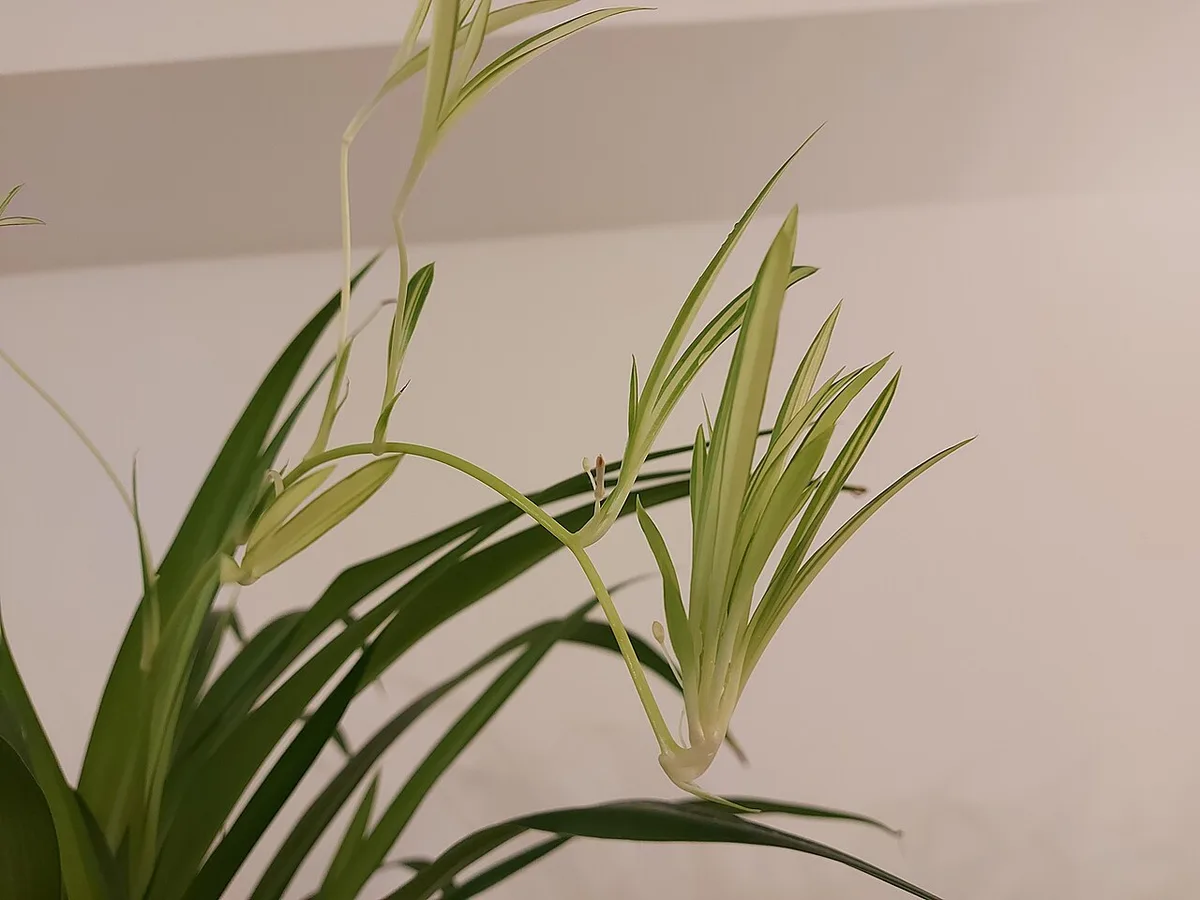
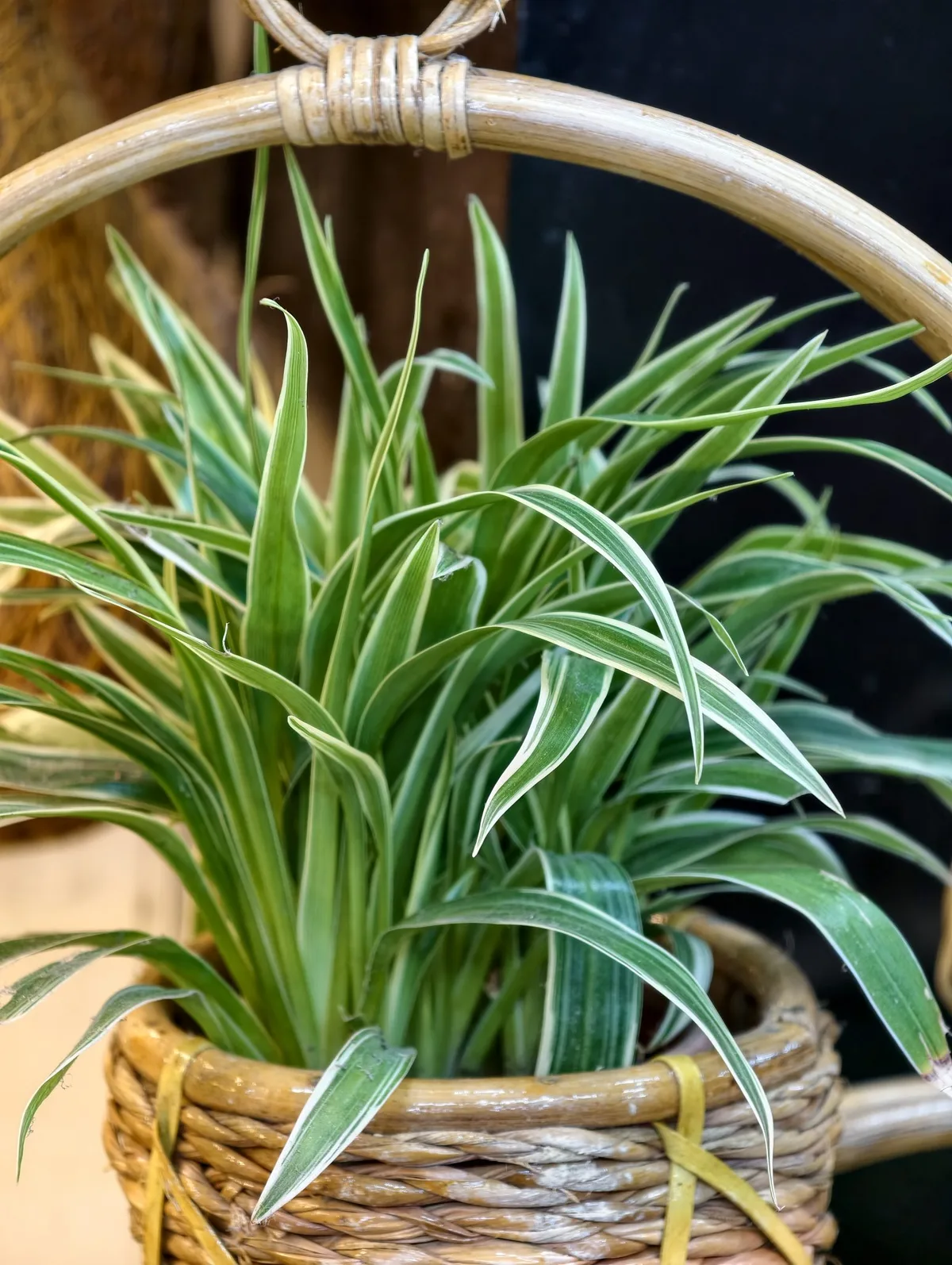
The spider plant is another solid choice. It’s forgiving, easy to grow, and safe for pets. The leaves arch outward rather than spearing upward, so it doesn’t have the same poke risk.
Aggregate reviews from plant owners consistently praise it as the best beginner swap.
| Alternative | Looks like a snake plant | Pet-safe | Light needs |
|---|---|---|---|
| Cast iron plant | Somewhat | Yes | Low to medium |
| Parlor palm | Not really | Yes | Low to medium |
| Spider plant | Not really | Yes | Bright indirect |
| Areca palm | Not really | Yes | Bright indirect |
If you’re set on that upright, spiky silhouette, consider a plastic or silk version. No toxicity, no watering, no topple risk. And honestly, the darker and drier your corner, the less anyone will notice the difference.
Your Quick Decision Guide: Keep, Avoid, or Swap
Let’s pull the decision branches together. If you have curious pets or toddlers, the toxicity risk is real. Choose a pet-safe alternative or place the snake plant somewhere genuinely out of reach.
If your watering habit is “I remember when the plant looks sad,” you’re golden. Keep the snake plant and enjoy it. If you’re the type who waters on a fixed weekly schedule, adjust your approach or pick a plant that tolerates wet feet.
The if/then logic ends here. You should keep a snake plant if you want a tough, low-maintenance plant and can manage placement. Avoid it if pets, small children, or heavy-handed watering are part of your daily life.
Swap it for a cast iron plant or a palm if you want the same calm green look without the risks.
One last note: slow growth isn’t a mistake. It’s the plant’s natural pace. If you’re patient, the snake plant rewards you for decades.
If you want quick drama, buy a larger specimen and accept the cost.
Snake Plant Downside FAQs
Are snake plants toxic to humans?
Yes, mildly. The saponins in the leaves can cause nausea, vomiting, and diarrhea if ingested. For most adults, that means a stomachache at worst.
Children face a higher risk because they’re smaller. Call poison control if a child eats any part of the plant.
Can snake plants cause allergies?
It’s possible but uncommon. The sap can irritate sensitive skin on contact. Some people also react to the plant’s dust-trapping leaves if they have existing allergies.
Wearing gloves during pruning and wiping leaves with a damp cloth keeps things comfortable.
Why do snake plants get brown tips?
Brown tips usually come from fluoride in tap water, salt buildup, or overwatering. Move to filtered or distilled water. Let the soil dry out more between waterings.
If the tips keep browning, flush the soil by running water through the pot a few times.
Is a snake plant good for beginners?
Yes, despite the downsides. It forgives missed waterings and survives low light. Just remember the two big rules: don’t overwater and keep it away from pets.
If you can follow those, it’s one of the easiest plants to keep alive.

Similar Posts