Winter Balcony Garden Ideas for a Cosy Plant-Filled Space
Botanical Horticulturist & Food Preservation Specialist at Brittle Bloom · Certified Master Gardener & Master Food Preserver · 12+ Years in Plant Propagation & Food Preservation
Your balcony doesn't have to go grey and bare when the temperature drops. With a few winter garden balcony ideas for a cosy plant filled space, you can keep that little outdoor corner alive, warm, and worth stepping into even in January. The trick isn't just buying frost-hardy plants.
It's planning around light, wind, and the way you'll actually use the space.
In our research, the balconies that look best in winter follow the same formula: an evergreen base, a few winter blooms, and layered textures. According to RHS guidelines, most frost-tender plants in containers need protection below 5°C, while hardy evergreens like boxwood and skimmia tolerate much colder nights. Keep that range in mind as you build your plan.
Quick Answer
For a cosy winter balcony, mix evergreen shrubs with winter blooms. Add vertical planters to save floor space. Protect pots from frost with fleece.
Use warm lighting and textures for comfort. Pick plants suited to your sunlight.
Winter Planning: Read Your Balcony Before You Buy Anything
Before you buy a single plant, look at your balcony with fresh eyes. The winter sun sits lower in the sky, so a spot that baked in July can turn deeply shaded by November. Most winter-balcony failures come down to a light mismatch, so check yours first.
Also check your USDA hardiness zone to understand your local lows.
Ask yourself three quick questions:
- How many hours of direct sunlight does the balcony get in midwinter? Stand there at 10am and 2pm to check.
- Which direction does the railing face? North-facing balconies rarely suit winter bloomers.
- What's the wind like on a stormy day? High-rise flats can produce wind tunnels that strip leaves and chill roots fast.
Use that info as your filter. South-facing balconies get 4+ hours of sun, so they can handle winter pansies, cyclamen, and dwarf conifers. North-facing spaces need shade-tolerant evergreens like boxwood, heucheras, and skimmia.
Windy balconies need a shelter plan before anything goes in a pot.
| Balcony condition | Good plant choices | Avoid | | South-facing, 4+ hrs winter sun | Pansies, cyclamen, dwarf conifers | Ferns, shade lovers | | North-facing, low light | Boxwood, skimmia, heucheras | Winter bloomers | | Windy high-rise | Wind-tolerant evergreens, grasses | Tall fragile plants |
If you're renting and can't change the structure, use a foldable screen or tall planters as a windbreak. That one change can raise the chill factor enough to keep tender plants alive.
The Cold-Hardy Plant Palette: Build a Base That Survives the Freeze
Think of your winter balcony as a layered scene. You need a backbone of evergreens, some seasonal colour, and a few textured plants to catch frost and snow. The most reliable winter containers combine all three.
Evergreen structure: boxwood, dwarf conifers, skimmia japonica, and hebes keep their leaves all winter. They give the space shape and weight. Many tolerate temperatures well below freezing once established.
Winter blooms: pansies, violas, cyclamen, heathers, and hellebores flower through the cold. Pansies can survive frost down to around -5°C, while hellebores are hardy to -15°C and bloom even under snow.
Textured foliage: ornamental grasses, carex, and heucheras add contrast. Their blades catch frost and move in the wind, which makes the balcony feel alive.

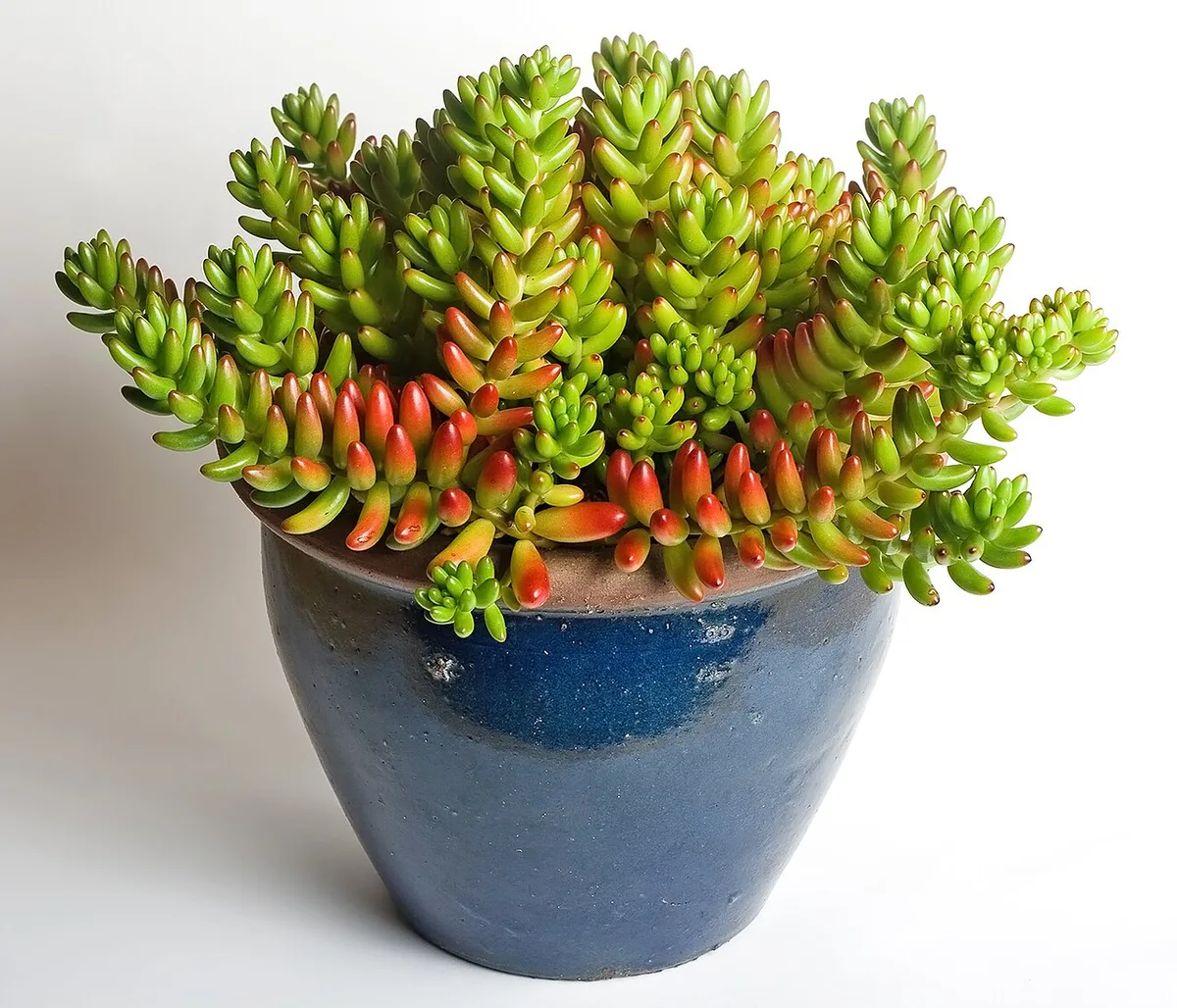
Image source: Wikimedia Commons / irvin calicut (CC BY-SA)
If you want wildlife, add winter berries. Cotoneaster and pyracantha provide food for birds and flashes of red against grey skies. Just check the mature height fits your balcony.
Pick the Right Planters and Frost Protection Before You Pot Up
Before you plant, check your pots. Not all containers survive a hard freeze. Ceramic and terracotta absorb water, which expands when it freezes, and the pot can crack.
Fiberglass, plastic, and galvanized steel handle winter far better.
Here's what actually matters:
- Use pots with drainage holes. Waterlogged soil freezes solid and kills roots.
- Wrap terracotta or ceramic pots in horticultural fleece or burlap to slow heat loss.
- Lift pots off the ground with pot feet to stop them freezing to the floor and improve drainage.
- Use a low-peat multipurpose compost mixed with a little perlite for aeration.
For extra root protection, plant in a larger pot than you normally would. More soil holds more heat and insulates the roots. A 30cm pot can freeze through, while a 45cm pot stays warmer at the centre.
Group pots together against a wall. This traps residual warmth and shields them from wind. In a severe cold snap, wrap the whole group in a layer of fleece overnight.
Layer the Space: Seating, Vertical Planters, and Windbreaks That Look Intended
The balconies that feel cosy rather than cluttered all use the same trick: they treat floor space like a room. In a small winter garden, every element needs a job. First, place your seating.
A bistro set or foldable bench gives you a reason to actually go out there.
Then build around it. Tall planters go at the back or along the railing. Compact shrubs sit at the sides.
Trailing plants, like ivy or trailing heather, spill over the edges to soften the lines.
If you're short on floor space, go vertical. Railing planters, wall-mounted troughs, and trellises with evergreen climbers turn a narrow balcony into a green backdrop without stealing floor space. A well-done winter balcony usually shows this layering: a bench nestled between evergreens, with a vertical panel of foliage behind.
For windy balconies, add a privacy screen or a few tall grasses in heavy planters. They work as a windbreak and make the seating area feel sheltered. Keep textiles simple: one or two weatherproof cushions in a warm colour, plus a wool-look throw for cold evenings.
Lighting and Heat: Set the Mood Without Making It a Fire Hazard
Light does more for a winter balcony than warmth. A few warm-white LED string lights or lanterns can make a grey February evening feel inviting. Solar lights work poorly in winter because they depend on daylight, so battery or low-voltage LED options are more reliable.
As of 2026, most battery LED string lights last several seasons with proper storage.
Drape lights along the railing or across a wall, but keep them away from fabric and plants. Use outdoor-rated fixtures only, and check that any socket is protected from splash. If you want actual warmth, a small patio heater or fire pit can extend your time outside, but it comes with rules.
Keep heaters at least one metre from anything flammable. Place them on a stable, level surface. Never leave them burning unattended.
If you're on a balcony, check your building rules, because many blocks ban open flames or gas heaters entirely. An electric radiant heater is often the safer workaround.
Remember: you're aiming for a glow, not a bonfire. Use timers to avoid leaving lights on for hours.
Six Visual Mistakes That Make Winter Balconies Look Sad (and How to Fix Them)
Even with the right plants, small styling errors can drain the cosy factor. Aggregate reviews and gardening forums flag the same six issues repeatedly. Here's what to check against your own space.
Overcrowding the floor. A tight cluster of pots looks chaotic, not lush. Keep three to five key planters and group them by height with clear walking space.
Leaving dead blooms on show. Spent flower heads turn mushy and brown in the cold. Deadhead pansies and cyclamen weekly to keep the display crisp through the season.
Clashing colours. A mix of hot reds, pastel pinks, and bright yellows feels jarring against grey winter light. Stick to white, deep purple, and evergreen green for a calmer result.
Ignoring the vertical plane. If all the action is at shin level, the balcony looks flat. Add one railing planter or a wall-mounted trough to pull the eye upward.
Bare pot soil. Exposed compost looks dead. Top-dress containers with bark chips, pine cones, or a fine gravel mulch for a finished look.
Forgetting the view from inside. You see this space through a window too. Position your best planter or light cluster where it reads from indoors, not just from the balcony itself.
Keep It Picture-Perfect: Simple Winter Maintenance
Maintenance slows down in winter, but it doesn't stop. The plants that survive best are the ones checked regularly. Once a week works for most balconies.
| Task | Frequency | Notes | | Watering | Every 5 to 10 days | Only on mild days. Water when the compost feels dry below the surface. | | Deadheading | Weekly | Snip spent flowers to keep energy going to fresh buds. | | Frost protection | Severe snap | Wrap pots in fleece overnight, remove it during the day. | | Plant replacement | Every 4 to 6 weeks | Swap out tired pansies for fresh ones. Top up with a new heather. |
Check for wind damage after storms. Broken stems or exposed roots should be trimmed and tucked back in. Also lift pots occasionally to make sure drainage holes haven't frozen shut.
A quick tilt tells you if water is pooling underneath.
Frequently Asked Questions
Can I leave balcony plants outside all winter?
Yes, if they're hardy and protected. Choose frost-tolerant plants rated for your USDA hardiness zone. Wrap terracotta pots in fleece and lift them on pot feet to reduce the risk of cracking and root damage.
What's the best way to protect pots from frost?
Group pots together against a wall and wrap them in horticultural fleece or burlap. Add a layer of mulch on top of the soil to insulate the roots. For severe cold snaps, cover the whole group overnight.
How often should I water balcony plants in winter?
Less than you think. Check the compost every five to ten days and water only when the top inch feels dry. Water on mild days, not when freezing temperatures are forecast, because wet soil turns to ice quickly.
Do solar lights work in winter?
Poorly, in most cases. Short days and weak sun mean solar lights charge slowly and fade quickly. Battery-powered LED string lights or low-voltage outdoor lights deliver a more reliable glow through the darker months.
Can I grow anything on a north-facing balcony?
Absolutely. Choose shade-tolerant evergreens like boxwood, skimmia, and heucheras. Add cyclamen for winter colour and ivy for trailing interest.
Skip sun-loving bloomers like pansies, which will stretch and sulk without direct light.
What do I do with dead plants after winter?
Pull out annuals and add them to green waste. Empty the pots, wash them, and store them dry. Refresh the compost before replanting in spring.
Evergreens just need a gentle trim and a new layer of mulch.

Similar Posts