Do Indoor Plants Need Drainage? Yes, and Here’s Why
Botanical Horticulturist & Food Preservation Specialist at Brittle Bloom · Certified Master Gardener & Master Food Preserver · 12+ Years in Plant Propagation & Food Preservation
Do indoor plants need drainage? The straightforward answer is yes, nearly all of them do. Drainage holes give excess water somewhere to go before roots sit in soggy soil.
Without an exit, water pools in the bottom layer of the pot, and that's exactly where root rot starts.
As of 2026, research-backed guidance from university extension programs is consistent. A pot with drainage holes gives you a massive margin for error. A pot without holes demands careful watering discipline.
This guide walks through why drainage matters and how to make the best choice for your plant.
Do Indoor Plants Really Need Drainage Holes? The Straight Answer
Yes, indoor plants need drainage in nearly all cases. Excess water has to go somewhere. If it can't leave the pot, it sits against the roots.
Soggy roots fail to take up oxygen, and eventually they rot.
The data supports this. Testing from horticulture programs shows that waterlogged soil loses oxygen within hours. Root damage can begin within days.
Plants in pots with drainage holes survive longer, grow faster, and recover from overwatering more easily.
That doesn't mean every plant dies without holes. It means you're replacing a built-in safety system with manual effort. You become the drainage hole.
You have to water less, tilt the pot to pour out excess, and check moisture constantly. For most people, that's more work than they expected.
Also consider self-watering planters. They work differently: a reservoir feeds water upward through a wick. The soil never floods.
That design can be a good exception to the drainage-holes rule. But most standard pots don't do this. If it's not a true self-watering planter, assume it needs drainage.
Root rot isn't the only risk. Soggy soil breeds fungus gnats, and those tiny flying pests spread between plants. Good drainage keeps the soil surface drier, which discourages gnats from laying eggs.
What Changes the Answer: Pot Material, Plant Type, and Your Watering Habits
Here's the honest part: drainage isn't a one-size-fits-all rule, even though it's the right default. Three variables shift how much you actually need it.
Pot material is the biggest factor. Research from the University of Minnesota Extension confirms that container material directly affects how fast soil dries. Terracotta is porous, so moisture escapes through the walls.
Glazed ceramic and plastic trap moisture inside. A no-drainage plastic pot stays wet much longer than a no-drainage terracotta pot.
| Pot material | Porosity | Risk without holes |
|---|---|---|
| Terracotta | High, wicks moisture outward | Moderate, dries fastest |
| Glazed ceramic | Low, holds moisture in | High |
| Plastic | Very low, almost no evaporation | High |
| Metal | Zero porosity | Very high |
Plant type matters too. Succulents, snake plants, and pothos tolerate dry spells well. Ferns, calatheas, and peace lilies want more consistent moisture, so they rot faster in a sealed pot.
Thick leaves usually mean drought-tolerant. Thin, soft leaves usually mean moisture-loving.
Watering habits might matter most of all. If you water on a fixed schedule no matter what the soil feels like, you need drainage. If you check soil moisture first, you can get away with less.
Most overwatering damage starts with watering habits, not the pot.
The smartest approach is to think about your own track record. Have you killed plants by watering too much? Then buy holes.
Do you tend to forget watering for weeks? A no-drainage pot might actually save your plant, since the trapped water acts as a small reserve. Honesty about your habits beats any pot recommendation.
Pot size also interacts with material. A small terracotta pot in dry air can need water every few days. A large plastic pot in a cool room can go weeks.
Match the pot to your home's air, not just to the plant.
Your Pot Has No Drainage Holes? Here's How to Decide What to Do Next
You've got a nice pot without holes, and you'd rather not throw it away. Good news: you have three solid options. Pick the one that fits your situation.
If you can drill, do that. Diamond-tipped hole saws and porcelain tile bits work on ceramic, terracotta, and plastic. Run water over the spot to keep the bit cool.
It takes about 1 to 5 minutes. If you're not comfortable, many hardware stores offer pot-drilling services for a small fee.
If you want a clean, reversible setup, use a nursery pot inside the decorative pot. This is the trick professional growers rely on. Keep your plant in a thin plastic nursery pot with holes, then set it inside the pretty pot.
Water normally, wait 20 to 30 minutes, and pour out any water that collects in the bottom. You get the look you want without sacrificing drainage.
If you'd rather plant directly, adjust your watering style. This works only for certain plants and only if you're disciplined. Succulents in a no-hole terracotta pot can survive with sparse watering.
A fern in a no-hole plastic pot will almost certainly struggle.
Make the call this way:
- Moisture-loving plant: double-pot it. Don't plant directly.
- Drought-tolerant plant: drill a hole or plant directly with care.
- Irreplaceable decorative pot: keep it as a cachepot. Never drill it.
How to Keep a No-Drainage Pot Alive: A Step-by-Step Planting and Watering Guide
Fine, you're keeping the no-drainage pot. You can still grow a healthy plant with the right setup.
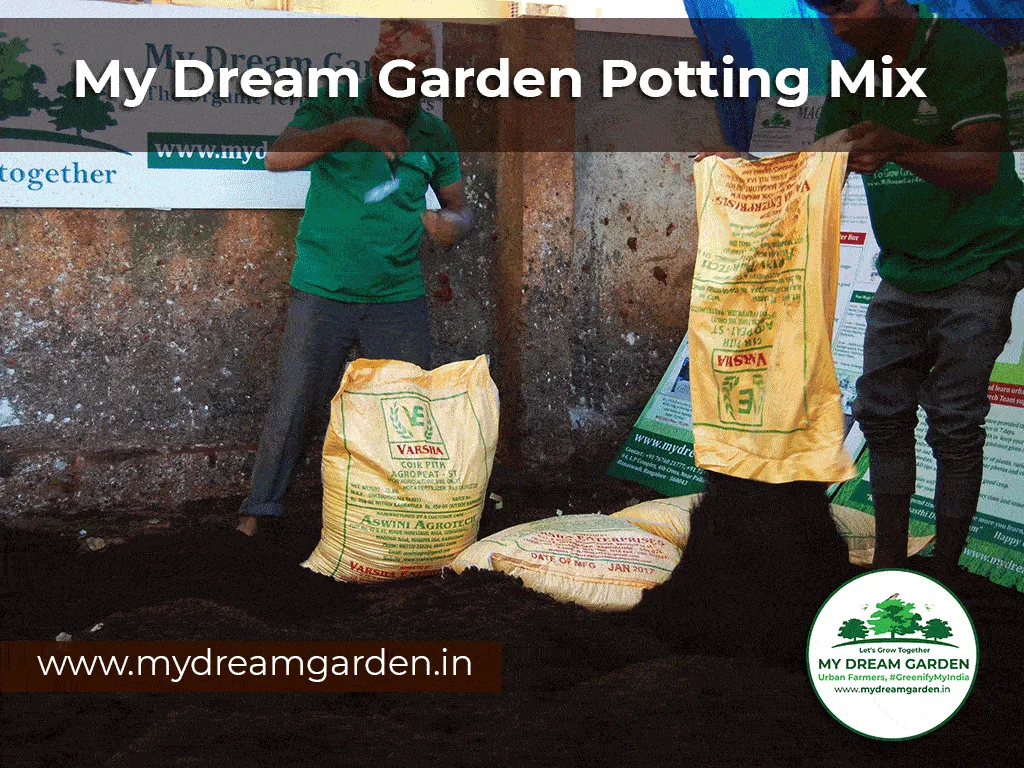
Start with the right soil. Standard potting mix straight out of the bag holds too much water for a sealed pot. Mix in perlite or coarse sand at about 20 to 30 percent of the total volume.
That keeps air pockets open and lets water move more freely.
Add a drainage layer at the bottom. Pebbles or clay balls don't actually drain. They don't create an exit for water.
But they do lift waterlogged soil away from the base of the plant. In a no-hole pot, that small air gap can make a real difference.
Image source: Openverse / USDAgov (PDM 1.0)
Water in small amounts, and always check soil first. Follow this routine:
- Use your finger or a moisture meter 2 inches into the soil.
- Only water when that layer feels dry.
- Water slowly, and stop when water forms pools on the surface.
- Tilt the pot gently to pour out any excess water you can.
A moisture meter takes the guesswork out. Insert it all the way to the bottom, then read the dry side before watering again. A basic moisture meter costs around $10 to $15 and pays for itself quickly.
Adjust for the season. Plants drink far less in winter, so soil stays wet longer. Water by what the plant needs, not by the calendar.
Water early in the day too, so excess moisture evaporates before night.
What about repotting? If roots smell sour or look dark and mushy, trim away the damaged parts with clean scissors before you repot. Fresh soil and a lighter watering schedule give the plant a fair shot at recovery.
Common Drainage Mistakes That Harm Plants (Even When You Have Holes)
Even with drainage holes, you can still harm plants. Here are the mistakes we see most often.
Leaving water in the saucer. Excess water in the tray re-soaks the bottom of the soil. Give it 20 minutes, then empty the saucer.
This one step cuts your root rot risk dramatically.
Using a pebble layer as a substitute for holes. A layer of gravel at the bottom doesn't drain. It actually raises the water table, so roots sit closer to it.
This myth persists everywhere, and it costs people a lot of plants. Don't fall for it.
Potting in a container that's too large. Oversized pots hold more moisture than roots can use. Water lingers, and rot takes hold.
Choose a pot about 1 to 2 inches wider than the root ball. Bigger isn't safer.
Forgetting to flush the soil. Water keeps minerals in the soil. They build up over time and burn root tips.
Every month or two, water generously until it runs out the bottom of the pot. USDA container gardening guidance recommends the same practice.
Ignoring seasonal changes. Plants drink far less in winter. They need more time between waterings.
When you water on autopilot, even drainage holes can't save you from overwatering.
Another common mistake is ignoring the roots entirely. Healthy roots are pale and firm. When you check a plant, rest it out of the pot briefly.
Dark, soft roots mean rot has already set in.
Frequently Asked Questions About Indoor Plant Drainage
Can I Use a Pot Without Drainage Holes for Succulents?
Yes, you can, but only with careful watering. Succulents store water in their leaves and tolerate dry soil well. Use a potting mix with 30 to 40 percent perlite or coarse sand.
Water only when the soil is completely dry, and tilt the pot to pour out any excess.
Do Pebbles at the Bottom of a Pot Help With Drainage?
No. Pebbles don't create drainage, they just raise the water table. Water still collects in the pot, and roots can sit in it.
The only real fixes are drainage holes, or watering carefully enough that excess never builds up.
How Often Should I Water Indoor Plants in Pots Without Drainage?
Check the soil first, not the calendar. Insert your finger or a moisture meter two inches into the soil. Water only when that layer is dry.
Use less water than you think you need, and always tip out any that pools on the surface.
Is Root Rot Reversible?
It depends on how much damage is done. Trim away mushy, dark roots with clean scissors. Repot in fresh, well-draining soil.
Reduce watering and keep the plant in bright, indirect light. If most roots are gone, propagating a healthy cutting is often easier.
What's the Best Pot Type for Indoor Plants?
Terracotta is the most forgiving because it lets soil breathe and dry faster. Plastic works well for plants that like consistent moisture, as long as it has holes. Glazed ceramic holds water longer, so it demands the most careful watering routine.
Do Self-Watering Pots Count as Having Drainage?
Self-watering pots don't have traditional drainage holes, but they separate excess water from the soil in a reservoir. That design prevents root rot. They suit consistent-moisture plants well, though succulents usually prefer something drier.
Which Option Should You Choose? A Simple Drainage Verdict
If you want the easiest, most forgiving setup, choose a pot with drainage holes. Terracotta with a saucer remains the classic choice for good reason. It keeps air flowing through the soil and builds in a safety net against overwatering.
If you already own a beautiful pot without holes, use it as a cachepot. Keep your plant in its nursery pot and slip that inside the decorative one. You get the look you want without sacrificing drainage.
If you prefer a truly no-drainage setup, do it the slow way. Choose a drought-tolerant plant, mix in extra perlite, and water less than you think is needed. Flush the soil monthly to clear salt buildup.
The best drainage strategy is the one you can maintain consistently. Plants forgive occasional mistakes. Soggy soil that sits for days does not.
So the final answer to "do indoor plants need drainage" is simple. Yes, nearly always. Holes aren't a luxury.
They're the difference between a plant that thrives and one that slowly drowns.
Similar Posts