Why Fence Climbing Plants Are the New Trend
Botanical Horticulturist & Food Preservation Specialist at Brittle Bloom · Certified Master Gardener & Master Food Preserver · 12+ Years in Plant Propagation & Food Preservation
Trying to turn a bare fence into a green one? You’re not alone. Fence climbing plants are the new trend for good reason: they deliver privacy, color, and wildlife habitat in a few seasons.
But pick the wrong climber and you’ll be dealing with rotted panels or a vine that takes over the yard.
Here’s the catch: most climbers are not interchangeable. According to the RHS, some self-clinging vines can pull masonry apart, while twining climbers need sturdy support. The right choice depends on your fence material, sun exposure, and how much pruning you’ll actually do.
So let’s walk through the decision tree.
Why Your Fence Choice Matters Before You Pick a Plant
Your fence is the foundation. A plant that thrives on a metal chain-link fence can be a nightmare on a cedar panel. The main risks are weight, moisture, and clinging method.
Wood fences are the most common in residential yards. They’re also the most vulnerable to rot because climbing plants trap moisture against the planks. If you have a wooden fence, you want a plant that doesn’t hold water or grow too heavy.
Self-clinging vines like ivy can actually pull the boards apart.
Metal fences are strong. Chain-link is easy to grow over, since twining vines have plenty of grip. But metal gets hot in the sun, so choose plants that tolerate reflected heat.
Vinyl fences are tricky. Most climbers need to grip, and vinyl is slippery. You’ll need a trellis or wire system.
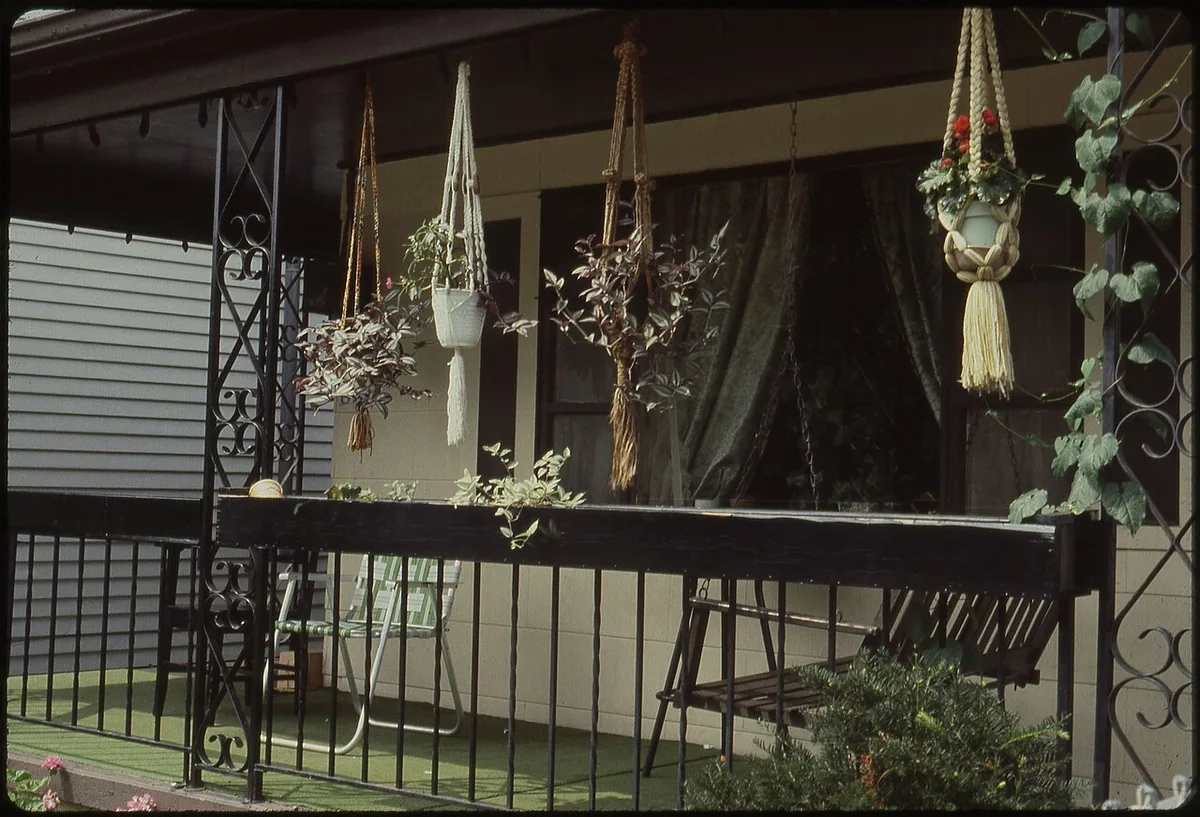
Image source: Wikimedia Commons / Rane.abhijeet (CC BY)
Here’s the rule of thumb: match the plant’s weight and attachment method to the fence’s strength and texture. If you have an old, shaky fence, forget heavy climbers like wisteria. Instead, opt for annuals, which have smaller roots and less overall mass.
The Five Conditions That Decide the Best Climber for You
Condition 1: Sun exposure. If your fence gets six or more hours of direct sun, options open up: clematis, jasmine, climbing roses. If it’s mostly shade, stick with climbing hydrangea or ivy.
Condition 2: Climate and hardiness. This matters more than any gardening trend. A plant rated for USDA zones 4, 8 won’t survive in zone 10.
Check your zone before buying. The USDA Plant Hardiness Zone Map is the standard reference.
Condition 3: Maintenance level. Fast-growing vines look great but demand constant pinning back. English ivy needs pruning a few times a year.
A slow grower like clematis needs less.
Condition 4: Fence type. We covered this above. If you skipped it, read it first.
Condition 5: Desired effect. Evergreen gives privacy year-round. Deciduous gives spring blooms and autumn color.
The logic always runs: fence condition plus sun plus maintenance budget equals the right plant. When those three things align, you’ll get the green screen you’re after.
Best Climbers by Fence Type: Wood, Metal, Vinyl, and Chain-Link
Here’s how to match the most popular trending climbers to your specific fence.
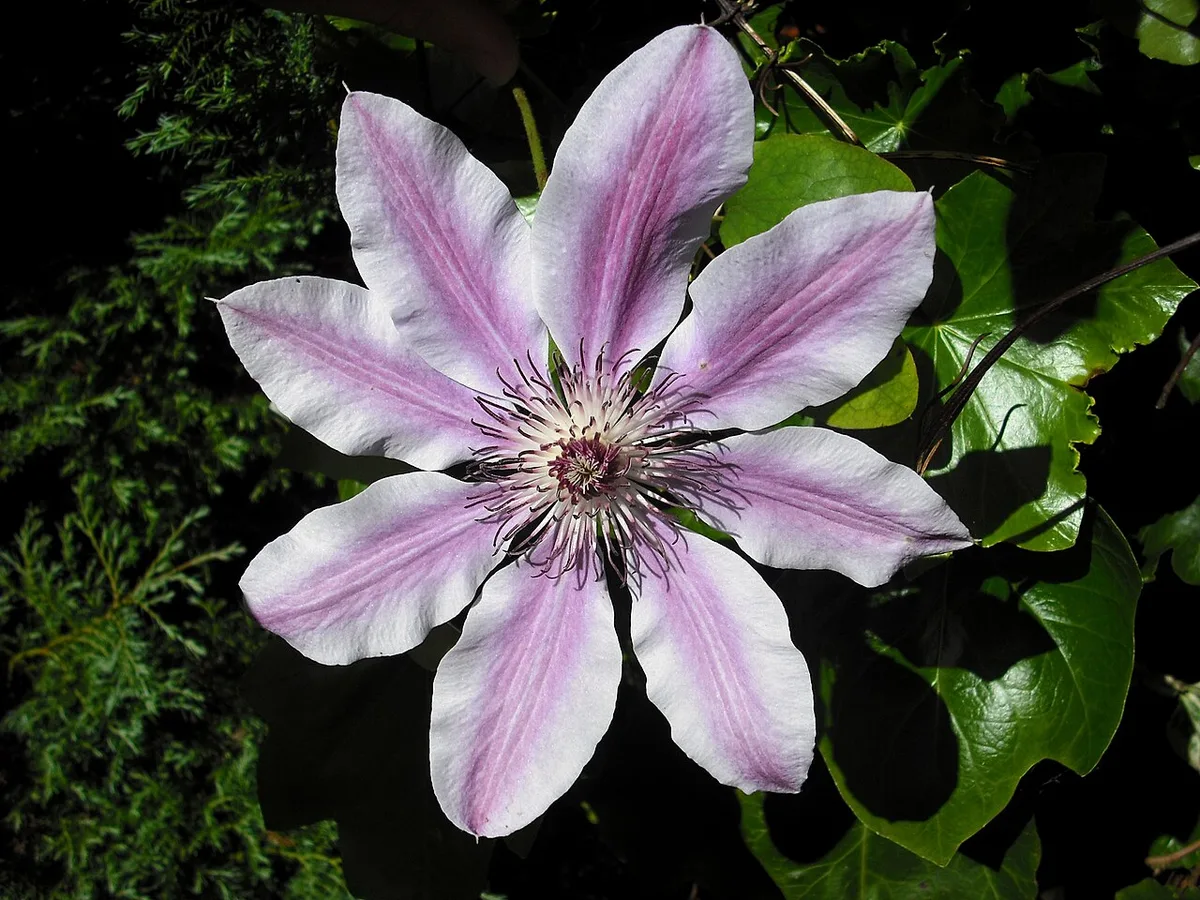
Image source: Wikimedia Commons / Jolly Janner
| Fence type | Best climbers | Avoid |
|---|---|---|
| Wood panel | Clematis, climbing hydrangea, honeysuckle | Wisteria, trumpet vine |
| Chain-link | Clematis, climbing rose, morning glory | Heavy vines that stress the mesh |
| Metal (sheet) | Honeysuckle (with wires), jasmine | Self-clinging vines |
| Vinyl panel | Any vine with a trellis; no direct clinging | Ivy, Virginia creeper |
For wood, be especially careful. The fence boards need air circulation to stay dry. Aggressive vines like wisteria can warp or crack panels over time.
For metal fences, twining vines are your friend. They wrap around the rails without damaging the structure. Just give them support near the base.
For vinyl, you’ll need a mounting system. Drill or string horizontal wires across the panel, then let the vine grow up. Without support, the vine will simply slide down.
Fast Coverage vs Long-Term Beauty: The Trade-Off You Need to Make
The most common mistake is choosing a vine purely for speed. Fast growers like Virginia creeper or Chinese wisteria can cover a fence in a single summer. But speed comes with consequences.
Annual climbers, like morning glory and black-eyed Susan vine, are quick and easy. They die back each year, so you replant. This keeps your fence safe but means seasonal work.
Perennial vines take two to three years to establish. Clematis is worth the wait. It produces masses of flowers once mature and doesn’t wreck your fence like wisteria.
What about evergreen options? They give privacy all year but are often slower. Honeysuckle is a good middle ground, one of the few climbers that’s both moderately fast and relatively well-behaved.
Your trade-off decision: speed now with ongoing maintenance, or patience for a permanent, low-stress solution. Most yards we’ve seen benefit from the patient route.
How to Plant, Train, and Maintain Your Climbing Plant Without Regret
Install the support first. If you’re using a trellis or wires, fix them securely to the fence before planting. The plant needs something stable from day one.
Prep the soil. Dig a hole about a foot from the fence base. Mix in compost.
For wall plants, angle the plant toward the fence to encourage climbing.
Water diligently during the first season. Most climbers die from neglect in their first dry month.
Train, don’t tie aggressively. Use soft plant ties or twist them gently. Guide the leading shoot toward the support; it will take over on its own.
Prune with purpose. For clematis, the timing depends on your variety. For honeysuckle, prune lightly after flowering.
For ivy, just keep it off your gutters and windows.
Set reminders for a quick check every spring. Re-secure any loose shoots and refresh mulch. This simple routine keeps your fence healthy and your climber blooming.
Mistakes That Damage Fences or Kill Plants (and How to Avoid Both)
Doing it wrong isn’t just disheartening. It can wreck the fence and kill the plant in one season. Here are the most common mistakes we’ve seen in years of writing about vertical gardening.
Not checking fence stability first. A wobbly panel will eventually pull down under a heavy climber. Fix or brace the fence before you plant, not after. This applies especially to old wooden fences.
Overwatering at the base. That keeps the fence bottom damp around the clock, which leads to rot. Water the root zone, not the wood. Soaker hoses aimed at the soil work better than overhead sprinklers.
Choosing an aggressive self-clinging vine. English ivy can work its way into cracks and mortar. If your fence is wood, prefer twining climbers on wire instead. The vine gets its grip, and the fence stays dry.
Planting right against the panel. Stems need a gap for airflow. Keep the stem about 12 inches away from the fence base. Angle the support toward the fence so the plant heads the right way.
Pruning at the wrong time. Many people cut everything back in autumn, then wonder why there are no flowers. Check the flowering season of your specific variety. Clematis, for example, has different pruning rules based on its group.
The pattern is clear: match the plant to the fence, or expect trouble.
Your Quick Decision Guide: Pick the Right Plant in Three Questions
Still not sure? Answer these three questions and the list below will do the rest.
Question 1: What’s your fence made of?
- Wood panels: clematis, honeysuckle, climbing hydrangea
- Chain-link: climbing rose, morning glory, black-eyed Susan vine
- Metal or vinyl: add a trellis first, then almost anything
Question 2: How much direct sun does the spot get?
- 6+ hours: clematis, jasmine, trumpet vine
- 2, 5 hours: honeysuckle, climbing hydrangea
- Under 2 hours: ivy, climbing hydrangea, some honeysuckle varieties
Question 3: How much time do you have for upkeep?
- Minimal time: clematis, climbing hydrangea
- Some time each season: honeysuckle, jasmine
- Don’t mind pruning monthly: wisteria, trumpet vine
The best pick satisfies all three answers. If your answers point to different plants each time, go with the slowest-growing option that fits. It’ll be the easiest to manage and the most forgiving on your fence.
Frequently Asked Questions
What is the fastest growing climbing plant for privacy?
Annual vines like morning glory and black-eyed Susan vine grow 3 to 4 meters in a single season. For perennials, clematis armandii is among the fastest. Both need support wires or a trellis.
Expect a full screen in one to two years with regular watering.
Do climbing plants damage fences?
Yes, if poorly chosen. Heavy vines like wisteria can pull down fragile panels. Self-clinging ivy can trap moisture and cause rot.
The safest approach: use twining vines on plastic or metal mesh, and keep the fence dry.
What climbing plant grows best in shade?
Climbing hydrangea is the stand-out choice for shade. It flowers in early summer and clings without support. English ivy also tolerates deep shade but is invasive in wet regions.
For a self-clinging option, both work.
How do I attach climbing plants to a fence without damaging it?
Install horizontal galvanized wires spaced about 45 cm apart. Use vine eyes fixed into the fence posts, not the panels. Then train the plant up the wires.
This prevents moisture buildup and makes pruning easier.

Similar Posts