Weird & Wonderful Terrarium Plants You Never Knew Existed
Botanical Horticulturist & Food Preservation Specialist at Brittle Bloom · Certified Master Gardener & Master Food Preserver · 12+ Years in Plant Propagation & Food Preservation
If you’ve ever watched a terrarium plant turn to mush or stretch into a pale, leggy mess, you already know the real problem: most people pick plants that look beautiful instead of plants that match the ecosystem they built. That’s exactly why unconventional terrarium plants to try are the perfect fix, because the right unusual species actually thrives where the typical options fail. They’re not harder.
They just need a grower who reads the container first.
Research from university extension programs shows that most terrarium plants die within 8 to 12 weeks, not from lack of care, but from a mismatch between the plant and the environment. A sealed glass jar holds humidity around 90%, while an open bowl sits closer to 50 to 70%. That difference decides everything.
Once you know which system you have, the rest is just a process of elimination.
Why "Unconventional" Terrarium Plants Die on People
Unconventional plants don’t die for dramatic reasons. They die because of simple, avoidable mismatches that have nothing to do with how green your thumb is.
The biggest killer is putting a dry-loving species inside a sealed, tropical box. Plants like tillandsias or succulents rot within days when humidity stays above 80% with little airflow. The leaves absorb moisture faster than they can release it, and within a week, the base turns brown and collapses.
The second killer is the opposite mistake. You take a cloud-forest plant like a jewel orchid and place it in an open bowl with normal room humidity. The leaves crisp at the edges, roots dry out, and the plant slowly starves.
It’s not sick. It’s just stranded in the wrong climate.
The third killer is impatience. Many unconventional species need time to adjust before they grow. Newly planted miniature orchids and mosses often sit perfectly still for 2 to 4 weeks, and beginners treat that stillness as failure, which leads to overwatering, repotting, or yanking the plant out to check the roots.
Here’s the core truth, if a plant dies in your terrarium, it’s rarely your fault. It’s a matchup problem. The fix is choosing species that match the environment you already have, not the one you wish you could create.
Read Your Terrarium First: Closed vs. Open, Light, and Humidity
Before you pick anything, look at your container and answer one question: is it sealed or open? That single answer eliminates half the plants you might be tempted to buy.
The easiest way to tell is condensation. If your glass stays foggy or beaded with moisture all day, it’s a closed system with humidity above 90%. If the glass stays clear and the soil dries out between waterings, it’s open, with humidity somewhere between 50 and 70%.
| Condition | Closed Terrarium | Open Terrarium |
|---|---|---|
| Humidity | 85–95%+ | 50–70% |
| Airflow | Minimal | Moderate |
| Light needs | Bright, indirect | Bright to medium, indirect |
| Best plants | Cloud-forest species | Drought-tolerant epiphytes |
Light matters just as much. Think about where the glass sits. A north-facing window gives low light, which works fine for ferns and mosses but will make most flowering orchids sulk.
An east-facing spot provides gentle morning sun, which is the sweet spot for most terrarium plants. South or west windows are usually too harsh unless you use sheer curtains.
Temperature is the third variable, and the easiest to overlook. Most tropical terrarium plants want a 65 to 75°F range, and they hate sudden swings. If your container sits near a heating vent or an air conditioner, forget it.
The plant will drop leaves or stall, no matter how perfect the humidity looks.
Once you’ve checked those three factors, you’ve done the hardest part. Now you can confidently shop for plants that actually stand a chance.
Unconventional Plants for Closed Terrariums (The High-Humidity Branch)
If your terrarium is sealed and stays foggy, you get to pick from the most beautiful plants on earth. These are cloud-forest species that live their whole lives in a constant mist, so a closed jar feels like home.
Here are the standout candidates:
Jewel orchids (Macodes petola and Ludisia discolor): Grown for their iridescent, lightning-bolt leaf veins rather than flowers. They crave humidity above 80% and sit happily on the soil surface or wrapped around small pieces of driftwood. They’re forgiving and slow-growing, making them the best first unconventional choice.
Miniature orchids (Lepanthes, Pleurothallis, and small Bulbophyllum species): These stay under 4 inches tall and produce tiny, intricate flowers. The trick is that they demand high humidity and persistent moisture at the roots. Mount them on bark or sphagnum moss rather than burying them in soil.
Shingling vines (Marcgravia evenia): This grows flat, shingling its rounded leaves against wood or cork. It’s dramatic, vigorous, and perfectly happy in a sealed terrarium. Just know that it will climb, so give it a driftwood branch or a cork panel to cover.
Spikemosses (Selaginella uncinata, Selaginella kraussiana): Soft, feathery, and bright green, they carpet the soil well in sealed containers. They spread quickly, which is great for filling space, but you’ll prune them every month or two.
Peacock begonia (Begonia pavonina): This one looks like a normal dark-leaf begonia until light catches the leaves. Then it shimmers electric blue. It needs the steady humidity that only a closed system provides and stays compact, rarely passing 6 inches tall.
What would a visual guide show? It would show leaf texture and shape. Jewel orchids have velvety, dark leaves with bright veins.
Spikemosses look like miniature ferns. Peacock begonias have a slight metallic sheen. If a closed terrarium is your setup, these are not oddities.
They’re the reliable choices that reward you for years.
Unconventional Plants for Open Terrariums (The Airflow Branch)
Open terrariums are trickier because room air is dry. You need plants that tolerate moderate humidity, steady airflow, and occasional dry spells at the roots. These are the species that bridge the gap between houseplant and tropical miniature.
Your best bets:
Earth stars (Cryptanthus bivittatus): These bromeliads form low, star-shaped rosettes with striped pink and green leaves. They love airy, well-drained conditions and bright indirect light. Water them directly into the center cup rather than flooding the soil.
Air plants (Tillandsia ionantha, Tillandsia caput-medusae): These are strictly for open setups, where they can dry out between mistings. They don’t need soil at all. Wedge them between stones or lean them on driftwood, and mist them two or three times a week.
Button ferns (Pellaea rotundifolia): Unlike most ferns, this one tolerates drier air and shorter periods of drought. It grows wiry, dark stems with round, leathery leaflets. It adds texture and stays small enough to fit most bowls.
Miniature peperomias (Peperomia prostrata, Peperomia rotundifolia): These trailing plants release water slowly through thick, waxy leaves, so they handle open-air humidity better than almost any other tropical vine. They spill over the rim of your container beautifully.
Dischidia nummularia: A trailing epiphyte with round, succulent-like leaves that store water. It clings to soil or bark and tolerates the occasional dry-out. Give it bright, indirect light, and it will send out runners that drape down the sides of your terrarium.
For open systems, the visual cue is leaf thickness. Waxy, fleshy, or leathery leaves mean the plant conserves water. That’s exactly what you want in a bowl where the air is a lot less forgiving than a sealed jar.
How to Plant, Mount, and Acclimate Your New Plants
Once you’ve chosen your plants, resist the urge to jam them into the soil and call it done. Unconventional species need a slightly different planting approach, and the difference between success and failure lives in this step.
Start with quarantine. Keep new plants separate for 5 to 7 days and inspect them for mealybugs, spider mites, or fungus gnats. Terrariums are closed loops, and one infested plant can nuke everything inside within two weeks.
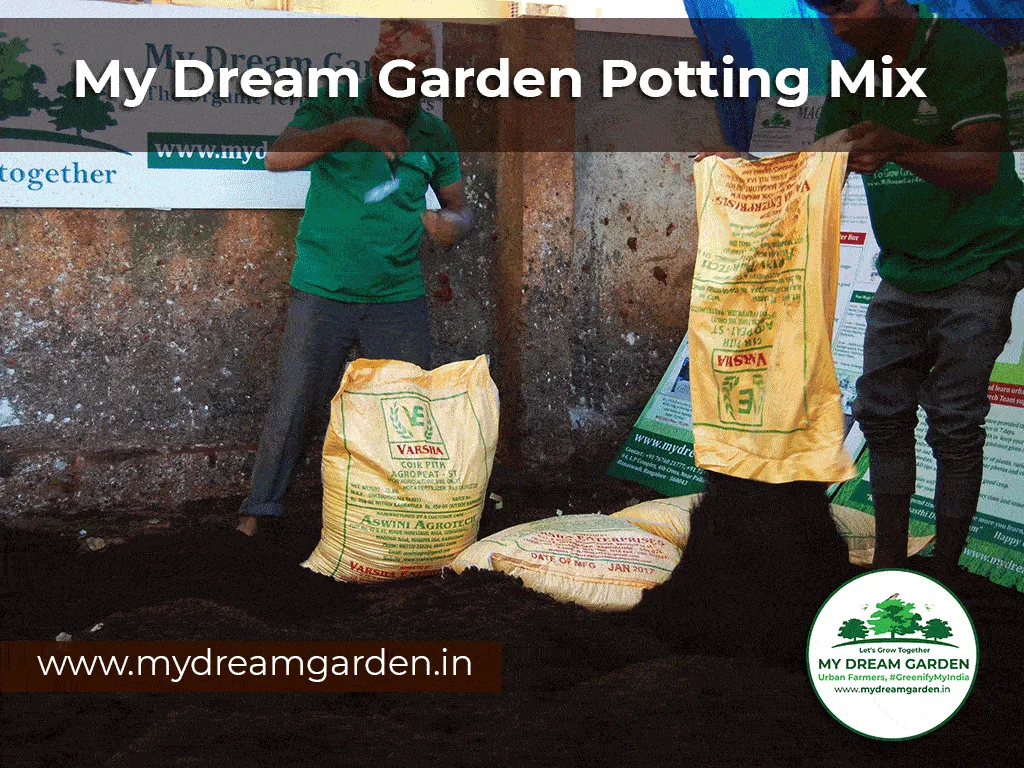
Then, clean the roots. Remove all nursery soil, because commercial potting mix holds too much water and suffocates the roots of tropical species. Gently rinse the roots under room-temperature water and trim away anything dark or mushy.
Match the substrate to the plant type:
- Epiphytes (orchids, dischidia, marcgravia): Mount them on cork bark or driftwood with a little sphagnum moss. Wrap the moss around the roots, then secure it with thread or a small staple.
- Terrestrials (jewel orchids, spikemosses, begonias): Plant them directly into a well-draining terrarium mix made of equal parts sphagnum, perlite, and fine bark.
- Lithophytes (cryptanthus, tillandsia): Wedge them between rocks or lay them on top of hardscape. They don’t need deep substrate.
Acclimation is the step everyone skips, and it’s the step that keeps plants alive. If you just bought a plant from a garden center, it’s been growing at 50% humidity in a bright greenhouse. Dropping it into a 90% closed jar shocks the leaves.
They’ll often melt within days.
Instead, introduce it gradually. Place the plant inside the terrarium with the lid off for a few days. Then close the lid for half a day.
Then a full day. Watch for condensation and wilting, adjusting the transition speed based on how the plant responds. Most species settle in within 2 to 4 weeks, after which you can switch to normal maintenance.
The same rule applies to light. Move the terrarium to its final spot slowly, over a week or two, to prevent leaf scorch or sudden leaf drop. Plants that look perfect on day one can signal stress by day five, usually through yellowing edges or drooping stems.
That’s the acclimation talking, not your gardening skills.
The Mistakes That Kill Unusual Terrarium Plants
Even when you match the plant to the right container, things still go wrong. The mistakes below cause most terrarium crashes, and none of them are dramatic. They're all avoidable.
| Mistake | Why It Happens | The Fix |
|---|---|---|
| Overwatering | Sealed containers recycle moisture | Let the soil dry slightly between waterings |
| Skipping quarantine | New plants carry hidden pests | Isolate new arrivals for 5 to 7 days |
| Too much sunlight | Glass magnifies heat and intensity | Move to bright, indirect light |
| Disturbing new plants | Roots need time to anchor | Leave them alone for 2 to 4 weeks |
The most common thread is patience. People check roots, reposition plants, or add water because they want to see progress. Unusual species move slowly.
A jewel orchid might sit still for a month before pushing a new leaf, and that stillness is normal.
Another hidden killer is condensation buildup in sealed jars. If water pools at the bottom constantly, the substrate becomes waterlogged and roots suffocate. Open the lid for a few hours every couple of weeks if you see persistent standing water.
Quick-Reference Decision Guide: Which Plant Should You Try?
If you're still deciding, the shortcut is two questions. Is your container closed or open, and does it get bright or low light? Match those answers to the table below.
| Your Setup | Best Unconventional Choices | Watch Out For |
|---|---|---|
| Sealed, bright indirect light | Jewel orchid, peacock begonia, spikemoss | Leggy growth if light is too weak |
| Sealed, low light | Button fern, small ferns, mosses | Slow growth and moisture buildup |
| Open, bright indirect light | Earth stars, tillandsia, dischidia | Browning leaf tips from dry air |
| Open, medium light | Miniature peperomias, trailing plants | Overwatering in shallow bowls |
For a first try, we'd steer you toward a jewel orchid in a sealed jar with bright indirect light. It's forgiving, visually stunning, and teaches you how closed systems behave. Saved to the light conditions you can actually provide.
Frequently Asked Questions
Can I use regular potting soil in a terrarium?
No. Regular potting soil compacts and holds too much moisture, which rots the roots of most terrarium species. Use a mix of sphagnum moss, perlite, and fine bark instead.
This keeps airflow at the roots while retaining the humidity tropical plants crave.
How often should I water a closed terrarium?
A sealed terrarium rarely needs water. Condensation collects on the glass and recirculates back into the soil. If the glass looks dry and the soil feels dry to the touch, add a small splash, maybe every 4 to 6 weeks.
Overwatering is far more common than underwatering.
Why are the leaves on my jewel orchid turning yellow?
Yellow leaves usually mean too much sunlight or soggy roots. Move it to brighter, indirect light and check that water drains freely. If the base stays wet, reduce watering and open the container briefly.
New growth in a few weeks is a good sign.
Can succulents survive in a terrarium?
Only in a truly open, dry container with low humidity. In a sealed jar, succulents rot quickly because the air stays saturated. In an open bowl with bright light and infrequent misting, small species like Haworthia can do well.
Just skip the classic glass terrarium look.
What should I do if I see mold on the soil?
Mold is common in closed containers, especially during the first few weeks. Open the lid for a few hours to increase airflow, remove any dead plant material, and reduce watering slightly. A few days of ventilation usually clears it.
Persistent mold means the substrate is too wet.
Similar Posts