Spider Plant Disadvantages: 7 Hidden Downsides
Botanical Horticulturist & Food Preservation Specialist at Brittle Bloom · Certified Master Gardener & Master Food Preserver · 12+ Years in Plant Propagation & Food Preservation
You've probably seen spider plants on every "easiest houseplant" list. They're everywhere, and they look so harmless with those little white stripes. But here's the honest truth: the spider plant disadvantages are real, and they catch a lot of owners off guard.
The plant isn't hard to keep alive. It just has a handful of quirks that make it a terrible fit for certain homes.
The good news is that all of these issues are predictable. The ASPCA lists spider plants as non-toxic for dogs, but the story gets muddier with cats, watering habits, and light conditions. As of 2026, aggregate owner reviews still report the same handful of recurring complaints.
Once you understand them, you can decide if this plant belongs in your living room.
Quick Answer
Spider plant disadvantages include browning leaf tips, cat toxicity risks, specific light needs, root rot susceptibility, and a relentless repotting cycle. The plant requires filtered water and bright indirect light. It also attracts cats that chew on it.
Owners must divide roots annually. These issues are manageable, but they don't suit every household.
The Cat Toxicity Issue: A Mild Risk, A Real Annoyance
Let's clear this up right away. Your cat won't die from eating a spider plant. The ASPCA classifies it as non-toxic for both cats and dogs.
But "non-toxic" doesn't mean "harmless." The plant contains chemical compounds that produce a mild hallucinogenic effect in felines. That's exactly why cats find it so irresistible.
Your cat will chew it. Then it'll probably vomit. That's the most common kitty reaction.
The ASPCA's toxic plant database lists the clinical signs as vomiting and upset stomach. It's not an emergency room situation. It is, however, a mess on your carpet and a plant that looks like a war casualty.
The decision branch here is simple:
- You have indoor cats? Then you need to hang the plant out of jumping range. A standard cat can reach pretty high shelves, so we're talking ceiling hooks or very tall plant stands.
- Can't hang it anywhere? Skip this plant entirely. You'll fight with your cat constantly, and the plant will lose.
- You have dogs? Most dogs ignore spider plants. A curious puppy might take a nibble, but it's rarely a repeat behavior.
If you're still set on having one with cats, keep it in a room your cat doesn't access. Or spray the leaves with a bitter apple deterrent. Our research shows that works for some owners, but it's a constant maintenance chore.
You're effectively training your cat every single day.
Light Requirements: "Low Light" Is A Lie
Every plant label says spider plants tolerate low light. That's technically true. They won't die in a dim corner.
But they'll stop doing all the interesting things you bought them for.
Spider plants need bright, indirect light to really thrive. Think a few feet away from a sunlit window, somewhere the rays don't hit the leaves directly. In that sweet spot, they grow fast, produce their white stripes, and send out those long runners with baby plants attached.
Move them to a genuine low-light spot, and three things happen:
- Growth slows to a crawl. You'll barely notice any new leaves for months.
- The variegation fades. New leaves come in more solid green, losing that classic striped look.
- Pup production stops entirely. No runners, no babies, no cute hanging plantlets.
The workflow for choosing a spot:
- Do you have a north-facing window? The plant will survive but look washed out. Skip it.
- Do you have an east or west window? Perfect. Put the plant within 3 to 5 feet of it. You're good.
- Only have a dark bathroom or hallway? Don't buy the spider plant. Get a ZZ plant or a pothos instead. They'll actually grow there.
The light issue is a dealbreaker if you live in a northern climate with short winters. Even a bright summer spot turns gloomy by December. Without a grow light, your spider plant will spend six months sulking.
That's not drama. That's just plant biology.
Watering Mistakes and Root Rot: The Over-Care Trap
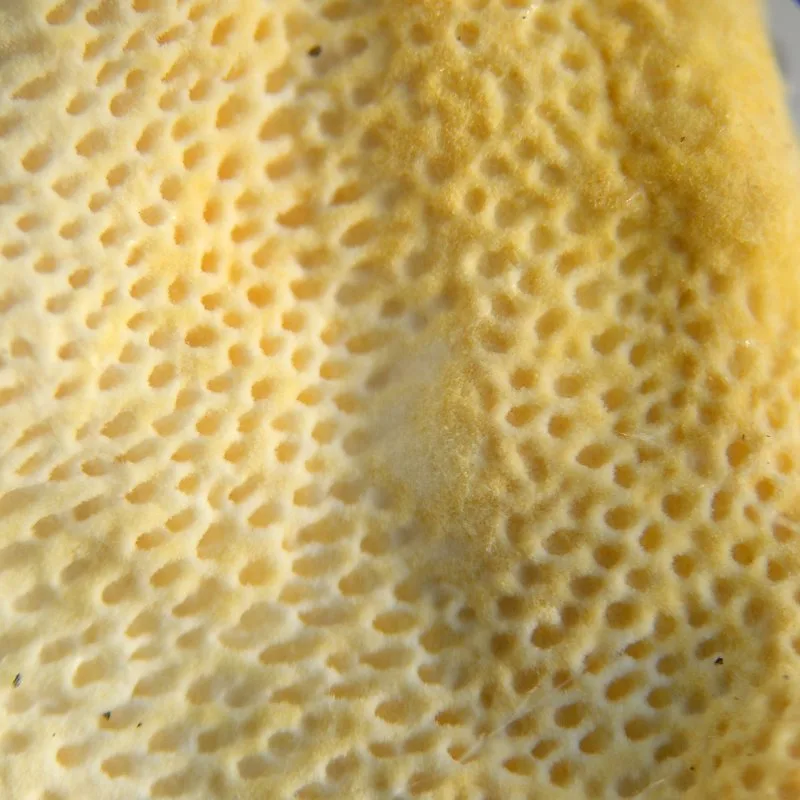
Here's where most people kill their spider plant with kindness. The roots are thick, white, and tuberous. They store water like tiny camels.
That means they're incredibly prone to root rot if you water on a schedule instead of checking the soil.
Image source: iNaturalist / Irene
You're overwatering if you see:
- Leaves that are pale, soft, or mushy
- Yellowing foliage that starts at the base
- A funky smell coming from the soil
- The plant feeling loose in the pot
You're underwatering if you see:
- Brown, crispy leaf tips
- Leaves that look dull and slightly wilted
- Soil pulling away from the pot edges
The tap water problem makes all of this worse. Spider plants are sensitive to fluoride and chlorine in municipal water. These chemicals accumulate in the leaf tips and cause browning, regardless of how careful you are with moisture.
It's not the same as the crispy dryness from underwatering. It's a chemical burn.
The decision branch for watering:
- Use tap water? Expect brown tips within a few months. Switch to distilled or rainwater.
- Filtered water? Better, but reverse osmosis or distilled is safest.
- Water on a schedule? Stop. Poke your finger into the soil. If it's dry an inch deep, water. If not, wait.
Per the general horticultural guidance we've reviewed, these plants prefer to dry out completely between waterings. They handle drought far better than they handle soggy roots.
Image source: iNaturalist / Irene
If you suspect root rot, pull the plant out and inspect. Healthy roots are white and firm. Rotten roots are brown, mushy, and smell bad.
Cut away the damaged parts with clean scissors, repot in fresh soil, and cut back on water. The plant can bounce back if the crown is still intact.
The Repotting Cycle and Root Bullying: Constant Upkeep
Spider plant roots are aggressive. They don't just fill a pot. They absolutely pack it until the soil is mostly root and the plant pushes itself upward, often cracking the pot.
We're not exaggerating here. The tuberous roots grow fast enough that a spider plant becomes root-bound within 12 to 18 months. If you ignore that, you'll find your ceramic pot split clean down the side.
The roots act like hydraulic jacks, expanding with enough force to break containers.
Image source: Wikimedia Commons / Daderot
What this means for you, practically:
- You must repot every year or two. No exceptions.
- Each repot needs a pot one to two inches larger in diameter.
- Eventually, you'll need to divide the plant into multiple pots.
The decision branch on repotting:
- Are you okay with yearly plant surgery? Great, you're set.
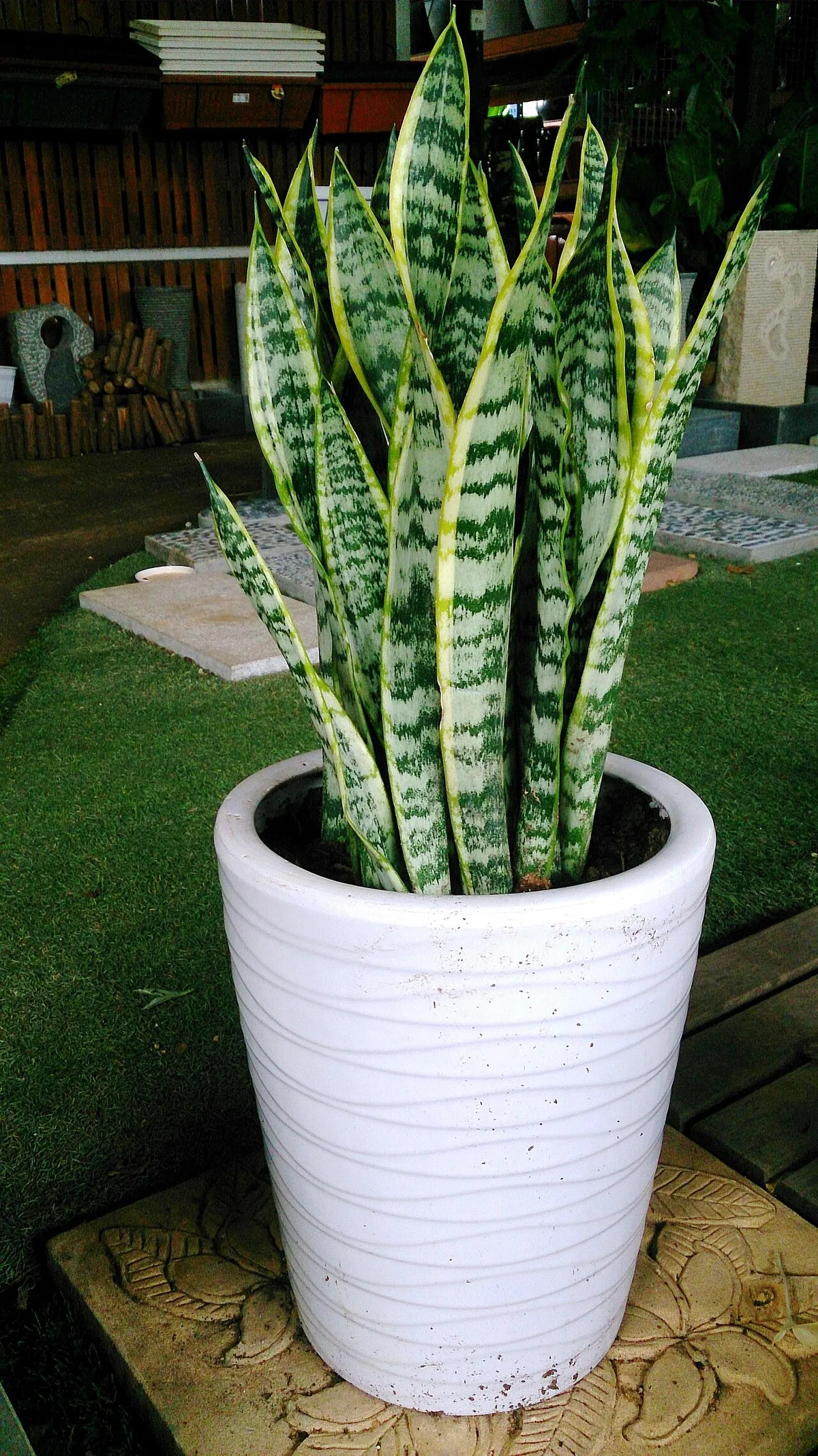
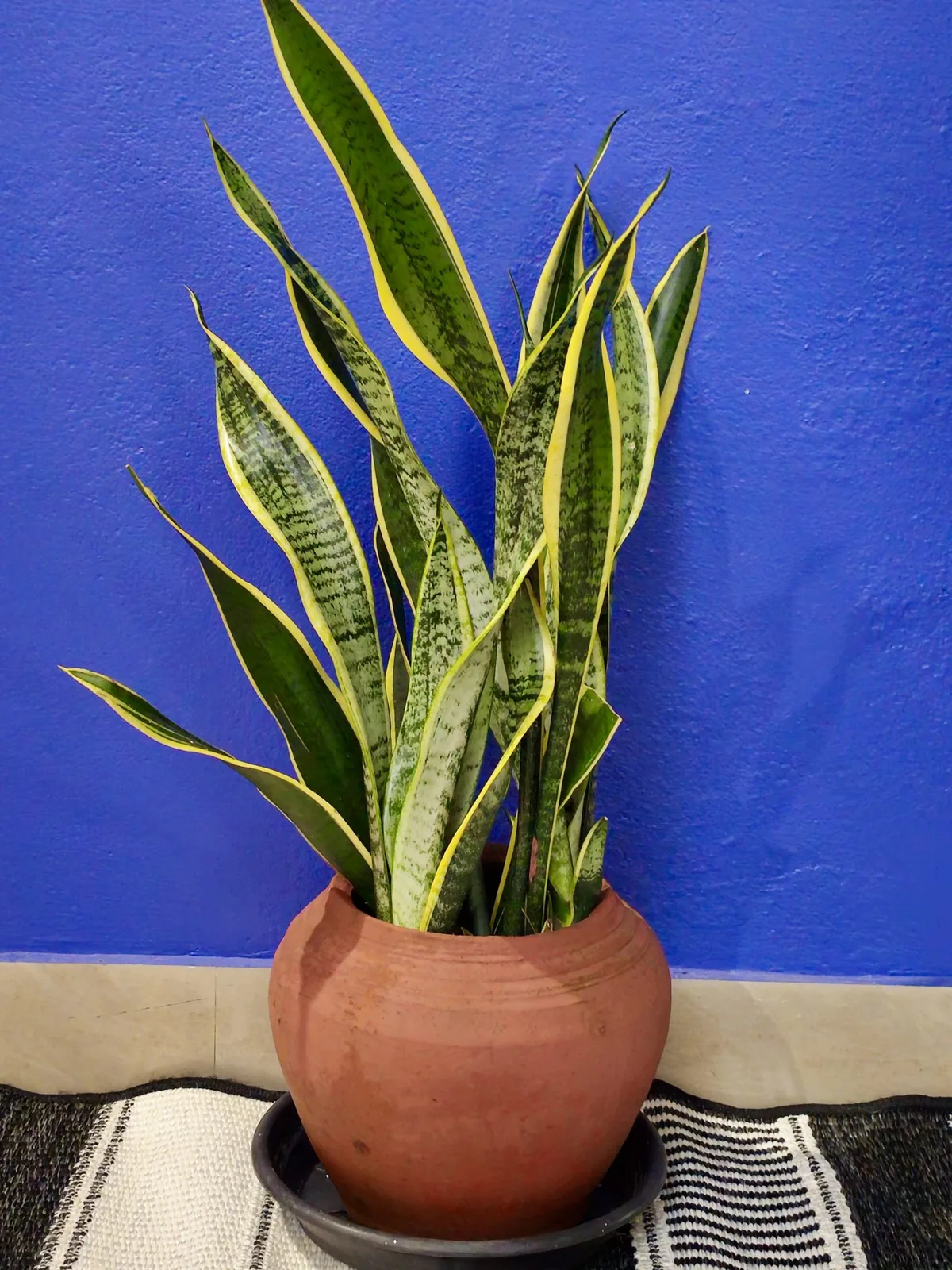
- Do you want a plant you can ignore for three years? Buy a snake plant instead.
Repotting isn't difficult. But it's a chore that happens on a regular schedule. If you let it slide, the plant will constantly look thirsty because there's no soil left to hold water.
The leaves will droop even right after you've watered. It's a confusing mess that makes you think the plant is dying when it's actually screaming for more space.

Similar Posts