Why Your Snake Plant Isn’t Growing (And How to Fix It)
Botanical Horticulturist & Food Preservation Specialist at Brittle Bloom · Certified Master Gardener & Master Food Preserver · 12+ Years in Plant Propagation & Food Preservation
If your snake plant not growing has you staring at a pot that hasn't changed in months, you're not alone. These plants are famous for being tough, but that toughness makes it hard to tell when something's actually wrong.
In our research, a healthy snake plant typically produces just 2 to 4 new leaves per growing season. That's slow enough to feel like nothing is happening. But good news: most stalled snake plants recover quickly once you fix the underlying issue.
Let's work through the possibilities step by step.
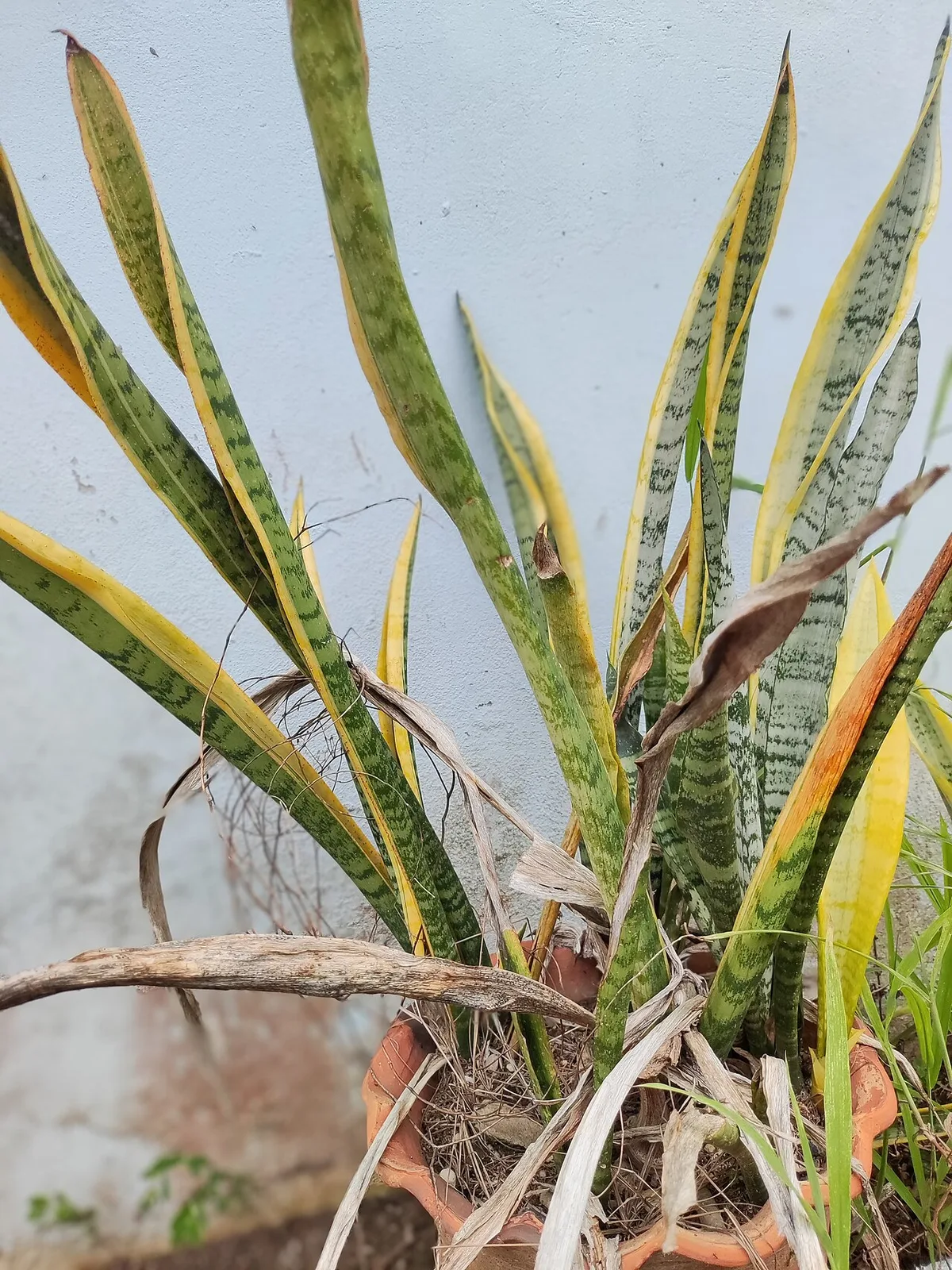
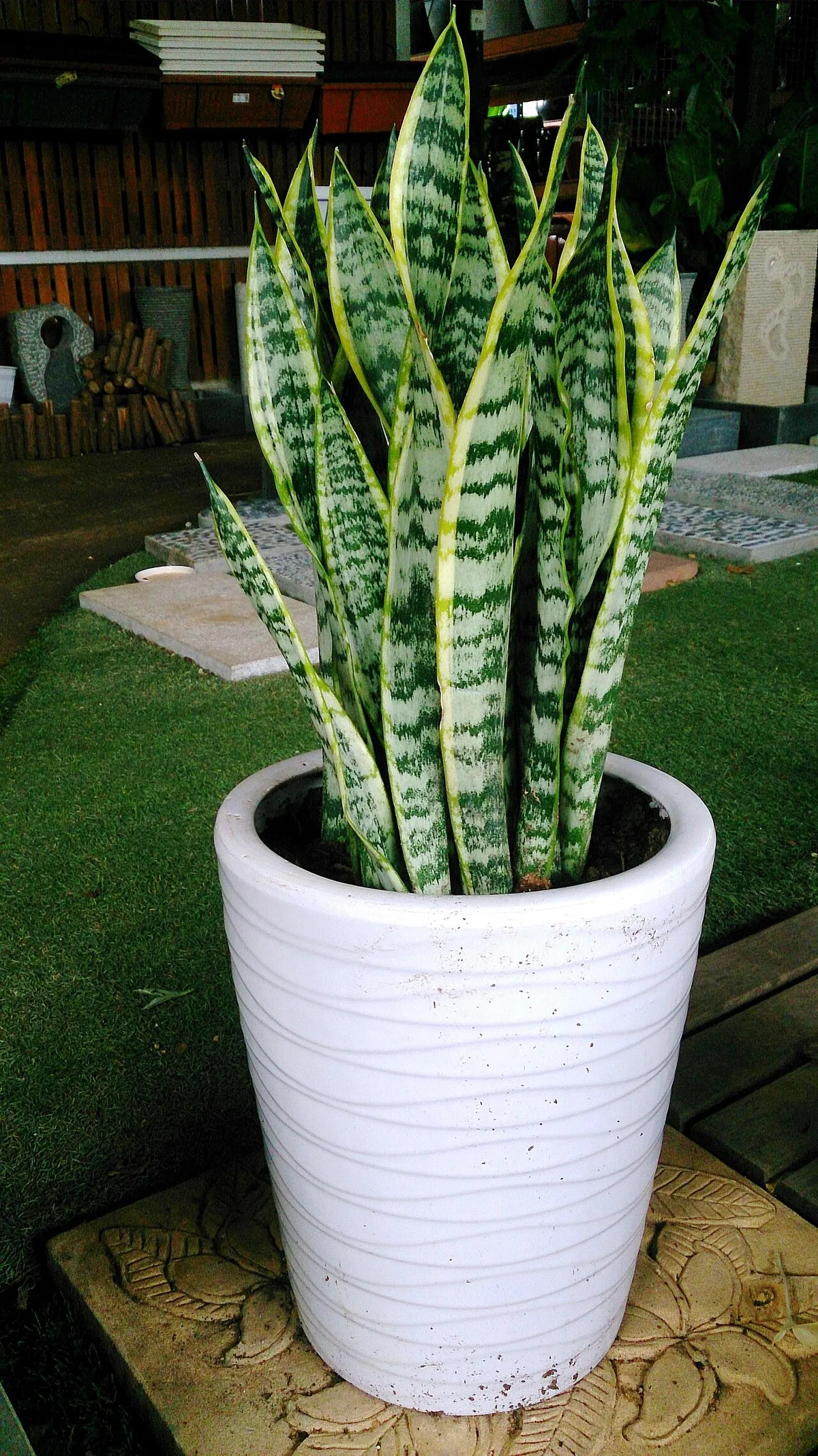
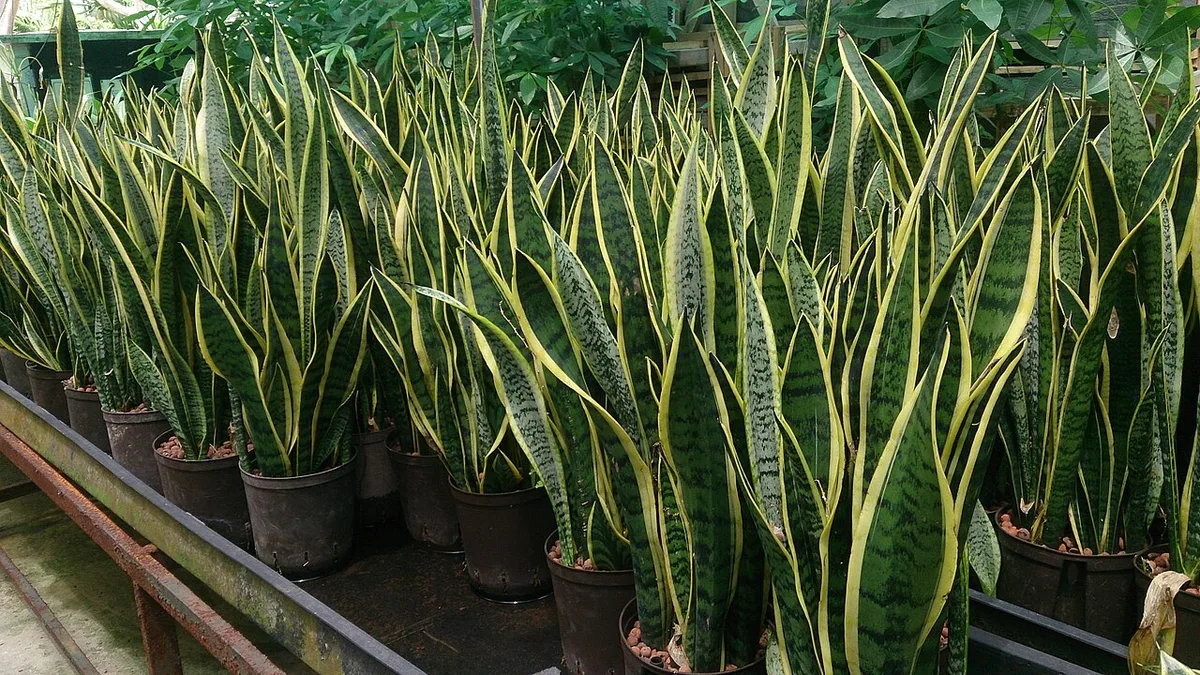
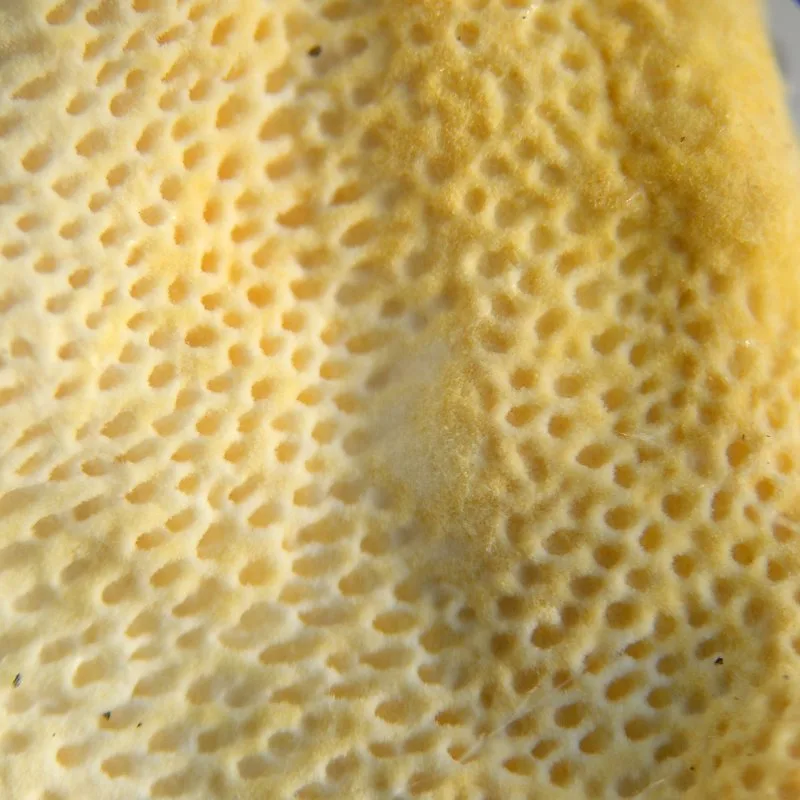
Image source: Wikimedia Commons / 999real
Why Your Snake Plant Isn't Growing (Start Here)
Quick answer: If your snake plant not growing, check water first. Overwatering is the top culprit. Mushy roots kill more snake plants than any other mistake.
If the soil stays damp for 14+ days, you're overwatering. Only water when the top 2 inches are completely dry.
The Good News: Slow Growth Is Often Normal
Snake plants, or Dracaena trifasciata, are naturally slow. They don't shoot up like pothos. In winter, they often stop entirely.
That's dormancy, not death. If your leaves are firm and the soil is dry, let it be. As of 2026, the botanical name has shifted to Dracaena, but care stays the same.
When Slow Growth Actually Means a Problem
Look for red flags: mushy leaves, a sour smell from the soil, or no new shoots at all during spring and summer. Also, if leaves curl inward or feel soft, that's stress. The sections below walk you through each cause, starting with the most common one.
Soil First: Overwatering vs. Underwatering
Root rot from overwatering is the number one reason snake plants stall. When roots sit in soggy soil, they can't take up water or nutrients. The plant goes into survival mode.
New leaves stop forming while it tries to stay alive.
Underwatering is less common but still real. A snake plant can handle dry spells, but long-term drought makes it conserve energy. That means zero growth.
Here's how to tell which one you're dealing with:
| Symptom | Overwatering | Underwatering |
|---|---|---|
| Leaves | Soft, mushy, yellow | Firm but wrinkled or curling |
| Soil | Wet, sour-smelling | Bone dry, pulling away from pot |
| Roots | Brown, slimy | Dry, brittle |
Stick your finger 2 inches into the soil. Wet? Hold off.
Dry? Give it a deep drink. Also check the pot.
If it sits in a saucer of water, that's a problem.
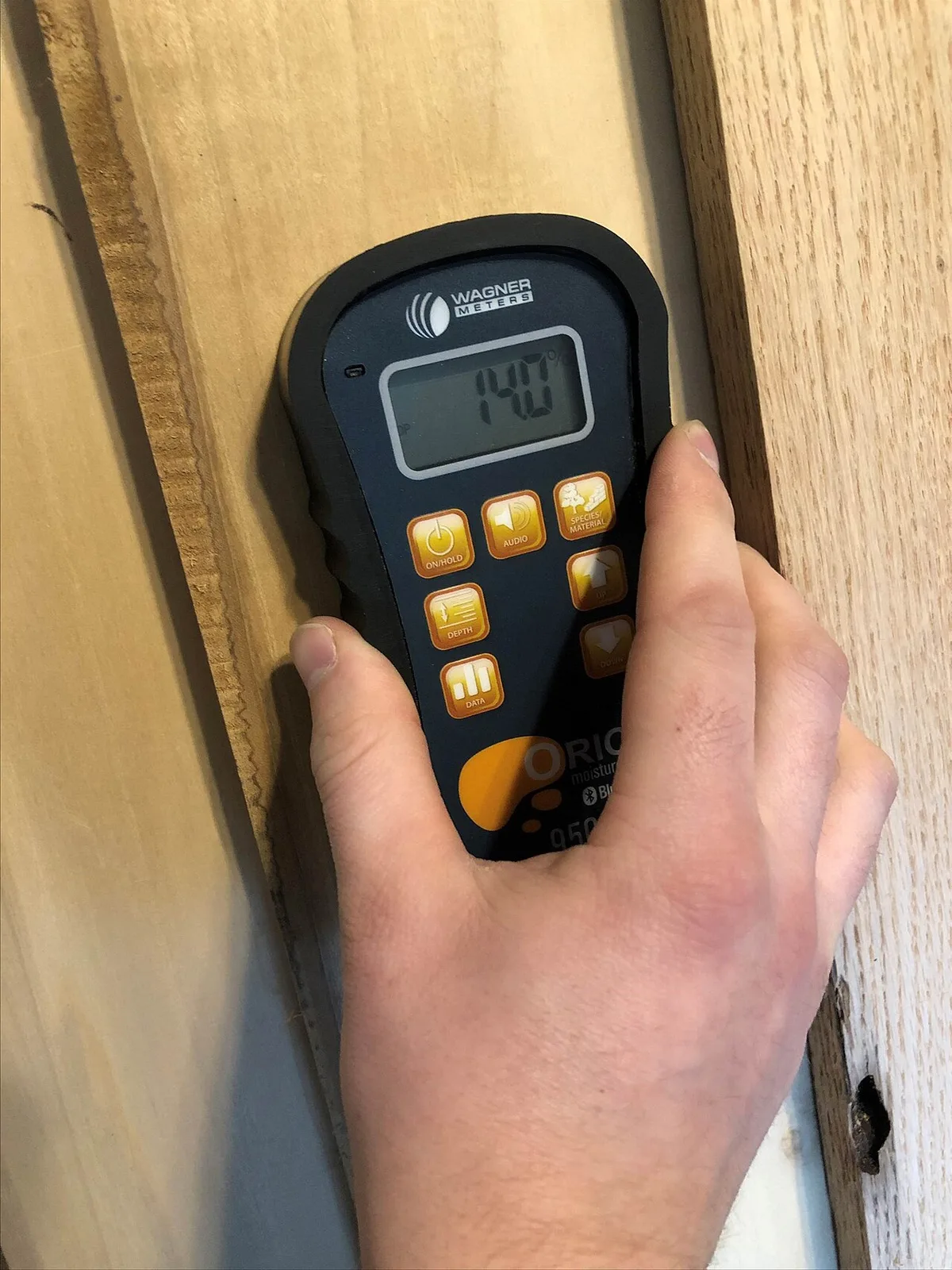
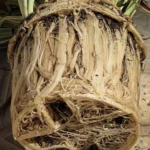
Image source: Wikimedia Commons / Johnson, James; Murwin, Herbert Franklin; Slagg, C. M.
If you catch root rot early, you can save the plant. Let the soil dry out fully for a week or two. Then resume a lighter watering schedule.
Light, Pot Size, and Roots: The Hidden Growth Stoppers
Light is a bigger issue than most people think. Snake plants tolerate low light, but they don't thrive there. Without enough bright, indirect light, they simply don't grow.
Move yours near an east or north window where it gets a few hours of gentle sun. Too much direct southern sun, though, can scorch the leaves and stall growth too.
Pot size matters, and not in the way you'd expect. Snake plants actually prefer being snug. A pot too large holds too much soil, which stays wet too long after watering.
That can lead to root rot. On the flip side, a pot that's completely crowded can eventually restrict growth.
How to check whether your pot is the problem: Slide the plant out. If roots are packed so tightly that there's no soil left, it's root-bound. But if there's lots of soil and the plant is small, the pot is too big.
Also confirm your pot has drainage holes. No holes, no way for excess water to escape. That's a slow killer.
The Royal Horticultural Society groups snake plants with the easiest houseplants for beginners, but even easy ones need drainage.
Repotting, Dividing, and Fixing a Root-Bound Snake Plant
If the roots are circling the pot or pushing out the bottom, it's time to act. Here's a simple process.
First, water the plant a day before repotting. That loosens the soil and reduces shock. Then gently slide it out.
Don't pull by the leaves.
Second, shake off old soil and inspect the roots. Healthy ones are creamy white and firm. Brown or mushy ones need to be trimmed with clean scissors.
Third, choose a pot just 1 to 2 inches wider. Add a well-draining cactus mix. Place the root ball in, then fill around it.
Don't bury the leaves.
If your plant is very crowded, divide the rhizomes. The rhizome is the thick underground stem that stores water and energy. You can cut it apart, leaving a few leaves with each section.
Pot each one separately. That's free new plants.
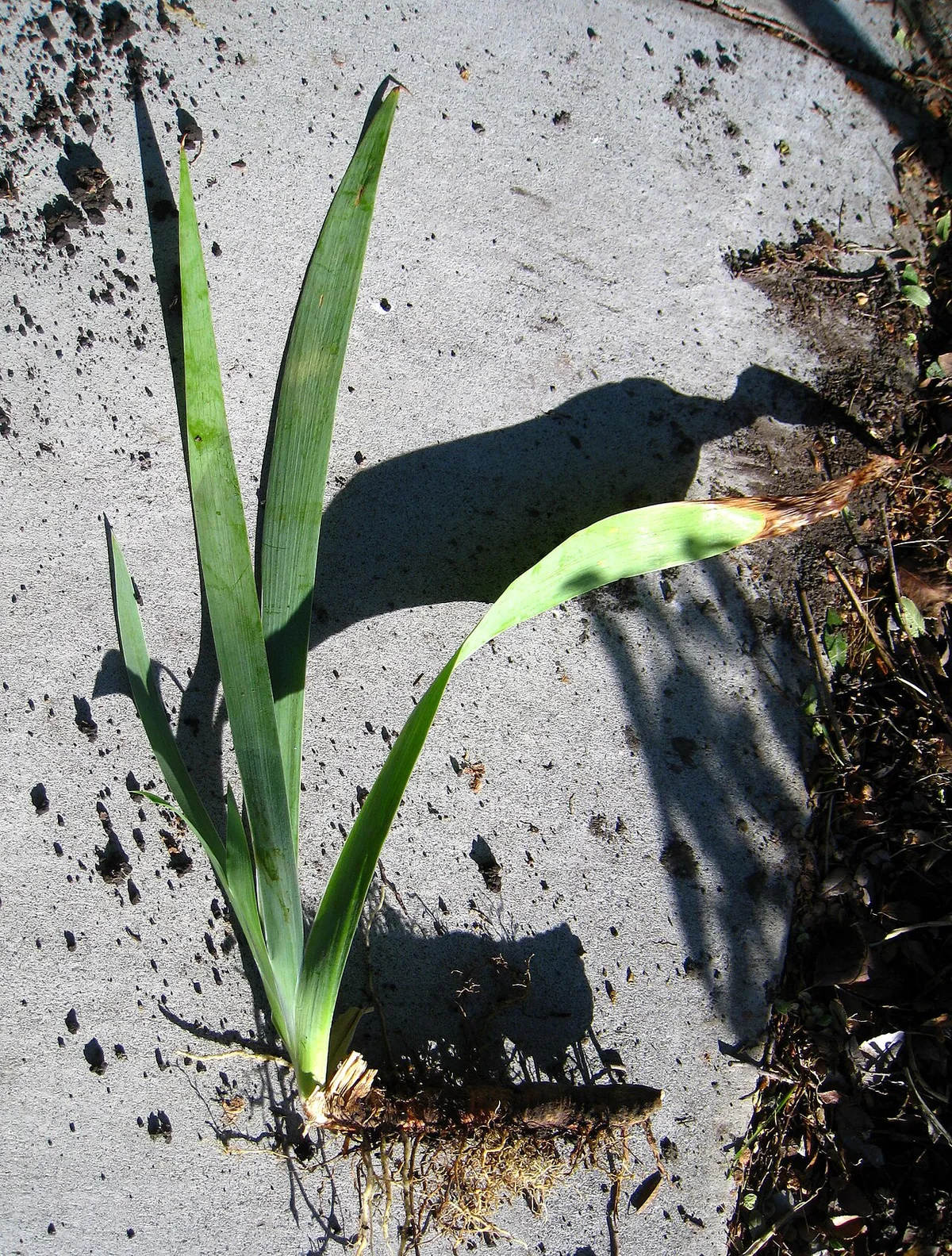
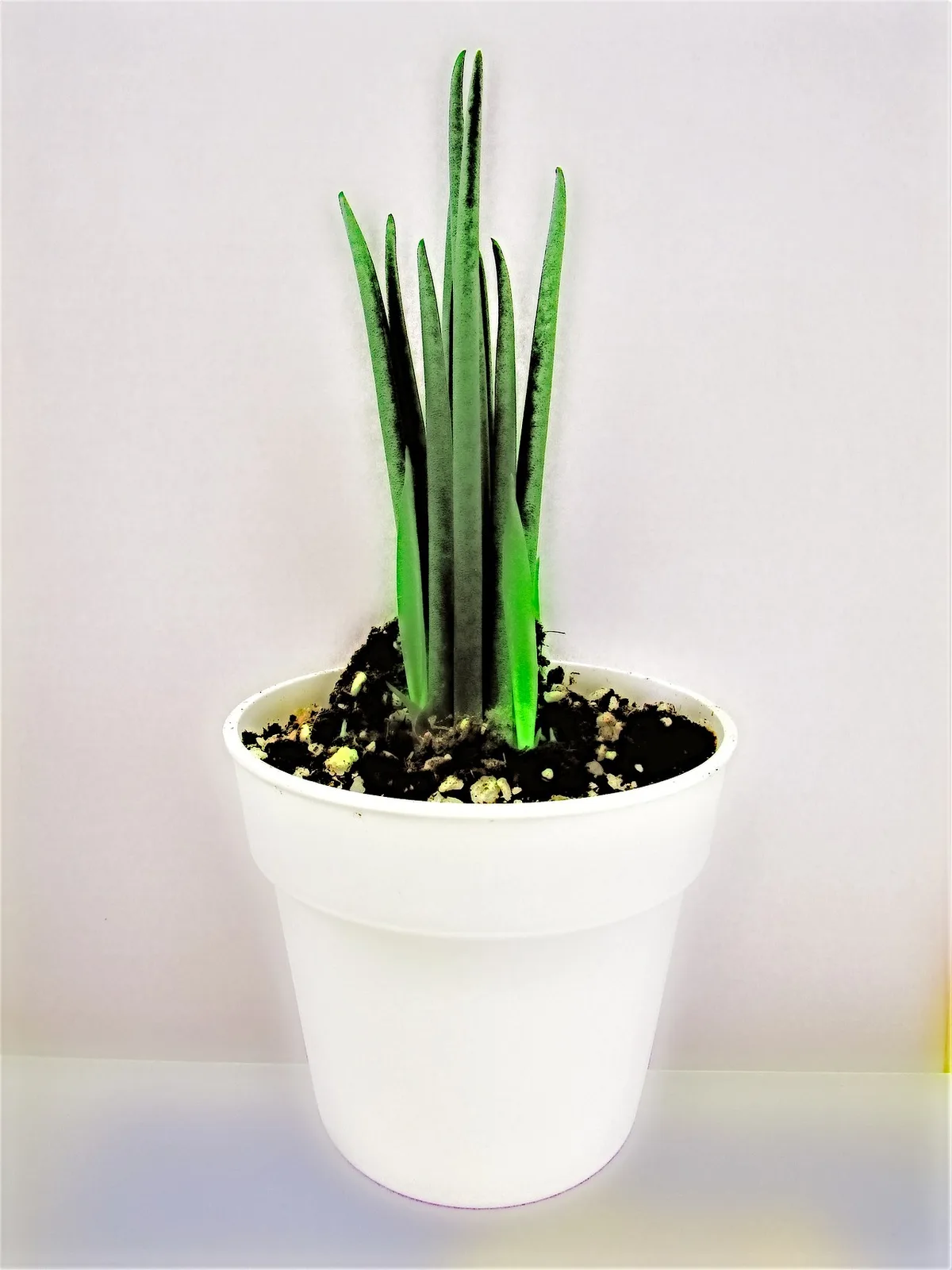
Image source: Wikimedia Commons / Dvortygirl (CC BY-SA)
After repotting, wait at least a week before watering. Let the roots settle. New growth usually appears within 4 to 6 weeks.
Common Mistakes That Keep Snake Plants Small
Fertilizer is the fastest way to accidentally stunt a snake plant. These plants don't need much. Feeding more than twice a year can burn the roots and send the plant into standstill.
Use a balanced 10-10-10 liquid fertilizer at half strength, only in spring and summer.
Seasonal care errors also add up. Watering the same amount in winter as in summer is a common one. The plant isn't actively growing in winter.
It needs less water and no fertilizer. Let it rest.
Pests are another hidden cause. Mealybugs and spider mites suck energy out of the leaves and slow growth. Check the undersides of leaves for white cottony spots or fine webbing.
A quick wipe with a damp cloth and some insecticidal soap handles most infestations.
Finally, don't forget dust. A thick layer on the leaves blocks sunlight. Wipe them down every few weeks.
If you haven't seen improvement after fixing these, check the temperature. Cold drafts near windows in winter can stop growth completely. Aim for a steady 60 to 80°F.
If your plant sits on a windowsill that gets chilly at night, move it a few feet away. Sudden temperature swings are just as stressful as cold itself.
FAQ: Snake Plant Care Questions from Real Owners
Should I Cut Off Damaged Leaves?
Yes, but only if they're brown, mushy, or completely withered. Use clean scissors and cut at the base. The leaf won't regrow from the cut point, but the plant will redirect energy into new shoots.
Leave slightly damaged leaves alone. They still photosynthesize and help the plant recover faster.
How Long Does It Take a Snake Plant to Grow After Repotting?
Typically 4 to 6 weeks before you see new shoots. The plant needs time to settle its roots first. If you divided the rhizomes, expect a bit longer.
Patience helps here. As long as the leaves stay firm and the soil isn't soggy, you're on track.
Your Snake Plant Recovery Plan: When to Expect New Growth
The 4-Week Recovery Timeline
Week one: fix the obvious problem. Repot if the roots are rotting or the pot is packed. Move the plant to brighter indirect light.
Let the soil dry out completely before watering again.
Week two: watch for changes. Leaves should feel firmer. Nothing visible yet, but the roots are working.
Week three: check the base. You might spot small green bumps or pointed tips emerging from the soil. That's new growth.
Week four: new leaves should be visibly taller. If not, recheck your watering and light. Most plants show progress by this point.
The Simplest Way to Keep It Growing Steady From Here
Stop overthinking it. Water only when the top 2 inches of soil are dry. Keep it in bright indirect light.
Feed twice a year, once in April and once in July. Leave it alone. That's the entire secret.
Yes, snake plants are forgiving. But they're also slow. Once you match their natural needs, they'll reward you with steady, quiet growth for years.
Give yours time, and it will grow on your schedule, not the other way around.
How to Diagnose the Real Problem in 5 Minutes
Work Through These Questions Before Changing Anything
Grab a notepad and go down this list. Answer each one honestly.
- When did you last water? If the soil is still wet after 7 days, you're overwatering.
- How much light does that spot really get? Low light means slow growth, simple as that.
- When did you last repot? If it's been 3 years or more, the soil is probably exhausted.
- Are there drainage holes? If not, that alone explains the soggy soil and stalled growth.
- Does the plant sit near a drafty window or heating vent? Temperature swings stop everything.
What Your Snake Plant's Leaves and Soil Are Telling You
Your plant gives you clues. You just have to read them right.
- Firm, upright leaves, dry soil: healthy, just slow. Leave it alone.
- Soft, yellow, or mushy leaves: root rot. Repot now.
- Curling, wrinkled, or pale leaves: underwatered. Soak it thoroughly.
- Dark brown spots with a dry center: sunburn or cold damage.
- Small white cottony clusters near leaf bases: mealybugs.
One tip that solves half the cases: lift the pot. If it feels heavy, the soil is still holding water. If it feels light as a feather, it's dry.
That simple habit prevents more plant deaths than any other trick I know.
Seasonal Watering: Why Your Routine Needs to Change
Most people water snake plants on autopilot. That's a static approach to a living thing. The soil takes longer to dry in winter, so the same rhythm that worked in July will cause root rot by December.
Here's a simple rule: water when the soil is fully dry, not on a calendar. Check with your finger or a wooden stick. In summer, that might mean every 10 days.
In winter, it could stretch to every 4 weeks.
Fertilizer: When Less Really Is More
Snake plants are native to rocky, nutrient-poor soil. They never evolved for heavy feeding. Over-fertilizing can actually burn the roots and stunt growth for months.
If you've been feeding monthly, stop. If the leaves still look weak after a year, try a half-strength balanced formula once in spring and once in summer. That's enough to support steady, natural growth.
Choosing the Wrong Pot Material
Plastic pots hold moisture far longer than terracotta. If you're prone to overwatering, terracotta is your friend. It wicks moisture away from the roots and speeds up drying.
On the other hand, if you forget to water entirely, a plastic pot might save you. The key is matching the pot to your habits, not to how the pot looks.
Ignoring Old Soil
Soil breaks down over time. After two or three years, it compacts and loses airflow. That makes roots suffocate, even if you're watering perfectly.
Annual refreshing of the top 2 inches is easy and often enough. But if growth has stalled entirely, repot with fresh cactus mix. It's the fastest way to wake up a sluggish plant.
Shifting from a Pure Care Routine to a Recovery Plan
If your plant has been through root rot or a full repot, treat it like a patient, not a showpiece.
Keep it in steady, bright indirect light. Let the soil dry out thoroughly between waterings.
Watch for new green tips at the soil line. That's the first sign of recovery.
One more thing: don't repot again too soon. Give the roots time to settle. Leave it alone for the season.
How Long Before You See Growth Again?
Most plants show new shoots within 4 to 6 weeks after the problem is fixed. If yours is slower, that's normal. Some need the full season to bounce back.
Track your progress with a simple note. It helps you spot patterns before they become problems.
The Takeaway for Small Plants
If your snake plant isn't growing and the leaves are still healthy, stop changing things.
Set the basics right: bright light, dry soil, drainage holes, and consistent seasons. Then walk away. These plants respond to patience, not constant intervention.
When to Accept the Slow Grower
Finally, that snake plant might just be a slow grower. Companion plants in the same room will speed up, but some individuals lag behind.
That's not failure. That's genetics.
As long as the leaves stay firm and green, you're doing fine. Growth will come, especially in the warm months.

Similar Posts