Snake Plant Varieties
Botanical Horticulturist & Food Preservation Specialist at Brittle Bloom · Certified Master Gardener & Master Food Preserver · 12+ Years in Plant Propagation & Food Preservation
You see snake plants everywhere. They're in office lobbies, bedroom corners, and Instagram plant hauls. But when someone asks which variety you own, the answer gets murky.
That's the whole problem with snake plant varieties: they all look similar at first glance, yet the differences matter more than you'd think.
Here's the thing, there are roughly 70 recognized species in the Dracaena genus (formerly Sansevieria), but only a handful regularly show up in nurseries and big-box stores. A mature 'Laurentii' can hit four feet tall, while a dwarf 'Birds Nest' stays under eight inches. Getting them straight comes down to noticing leaf shape, color patterns, and growth habits.
This guide walks you through the differences so you can finally name what's sitting in that corner pot.
Quick Answer
Snake plant varieties differ mainly by leaf shape, height, and variegation patterns. The most common types are 'Laurentii', 'Moonshine', 'Birds Nest', and 'Cylindrica'. Each one has distinct visual traits that make identification straightforward once you know what to look for.
Light needs and growth speed also vary between varieties. Choose based on your space and lighting conditions.
Why Visuals Matter in Identifying Snake Plants
How a Photo Changes Everything
A plant journal description can only do so much. When you read that 'Moonshine' has "silvery-green" leaves, your brain conjures something different from what the plant actually looks like. Photos eliminate that gap.
A single clear image shows you the exact shade, the width of the leaf blade, and how the variegation runs along the edges.
This is why any good identification guide leans heavily on visuals. You're looking for patterns, not poetry. If you see a snake plant with yellow stripes running down the sides, that's 'Laurentii'.
If the whole leaf looks washed out and pale, you're probably looking at 'Moonshine'. Words help, but the eye confirms.
The Limits of Relying on Names Alone
Here's the trap: common names create chaos. Some growers call 'Laurentii' the "snake plant" and leave it at that. Others use "mother-in-law's tongue" for anything with pointy leaves.
Botanical names solve this, but they've also been in flux recently. The entire Sansevieria genus was reclassified as Dracaena in 2017 following DNA research. That means the same plant can appear under two different scientific names depending on the source you check.
Nursery tags often lag behind. You might see "Sansevieria trifasciata" on a tag from 2015 and "Dracaena trifasciata" on a 2026 label. Both refer to the same plant.
Visual identification cuts through that confusion because you're matching what's in front of you, not fighting over taxonomic semantics.
The 7 Core Varieties You'll Actually Encounter
Sansevieria trifasciata 'Laurentii' – The Gold-Striped Classic
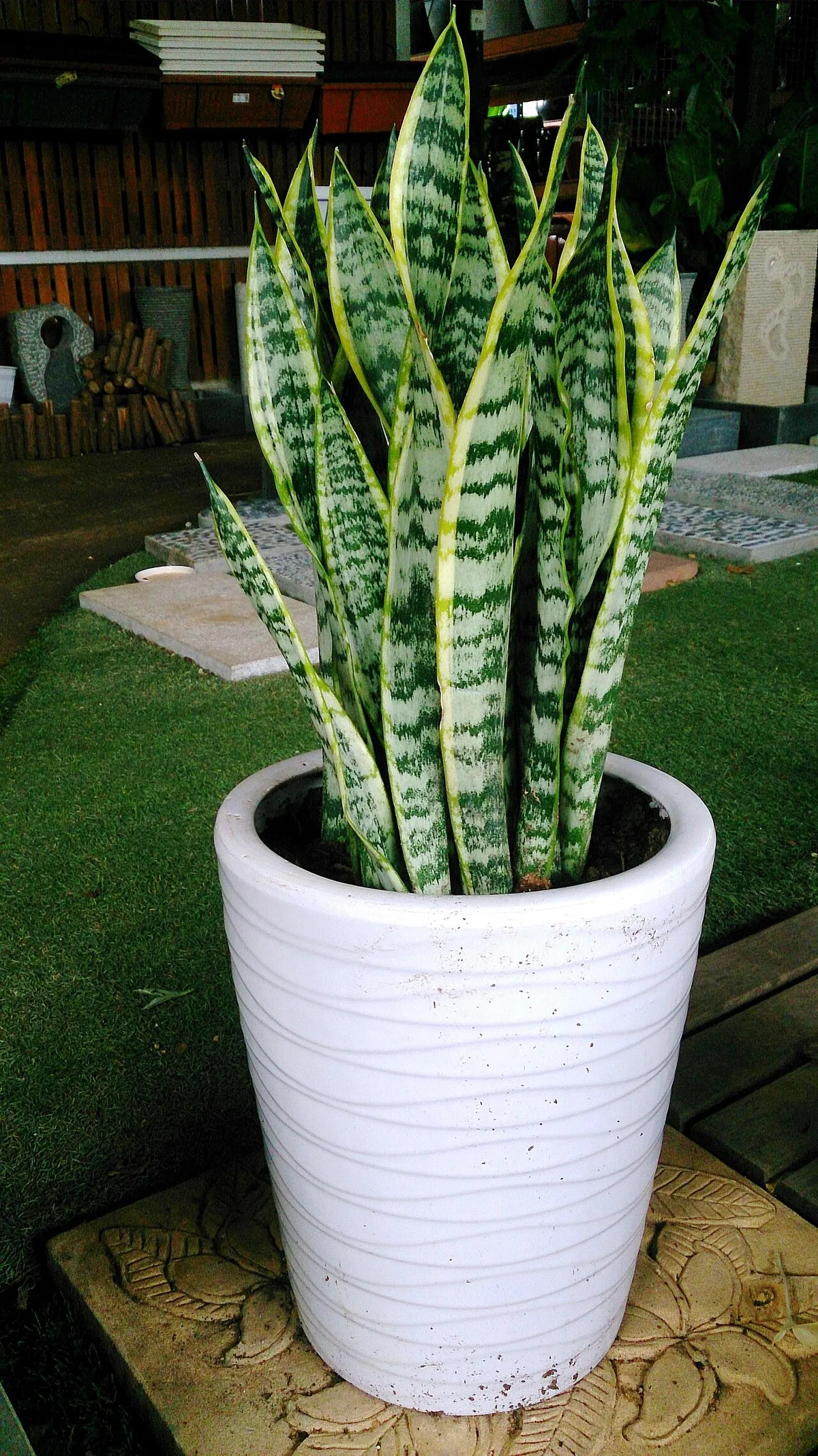
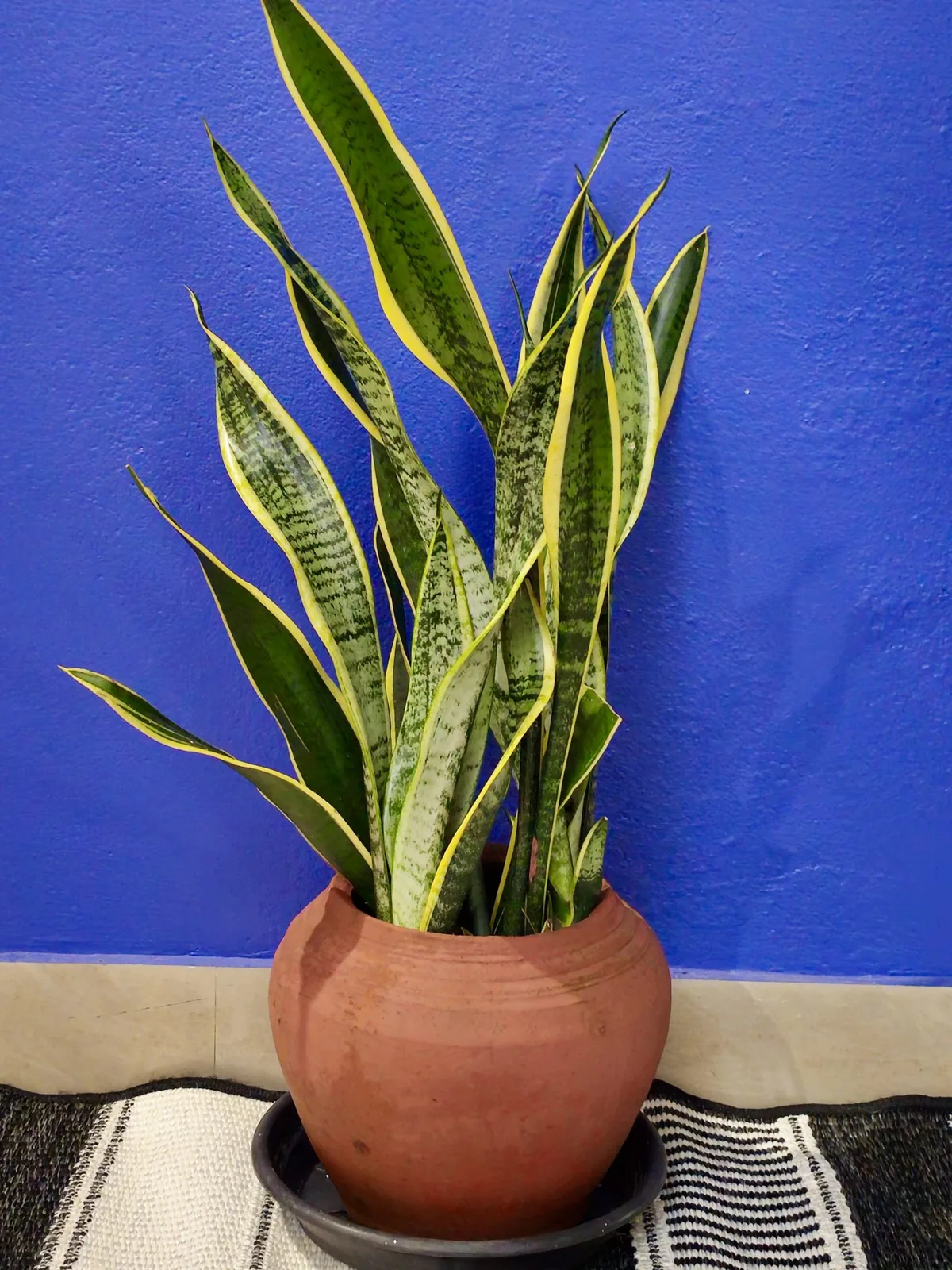
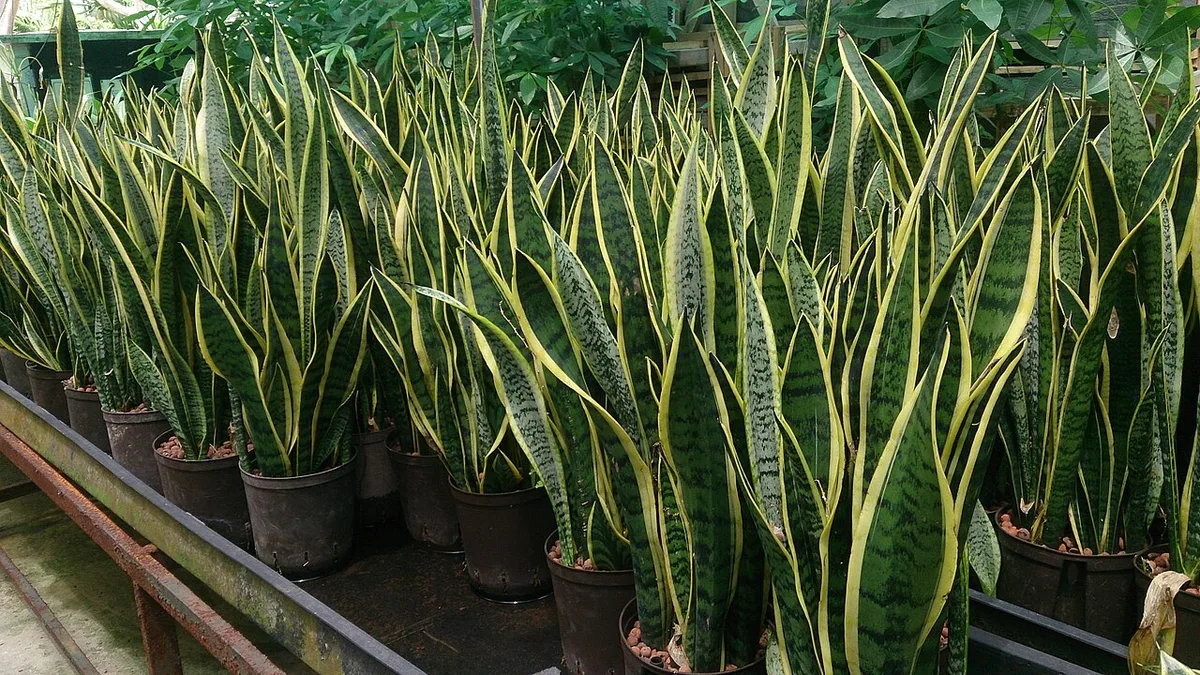
This is the one everyone pictures. 'Laurentii' has tall, sword-shaped leaves that reach three to four feet indoors. The edges carry a bold yellow-gold band that runs the full length.
The center is dark green with lighter green horizontal zigzag patterns.
It's the standard for a reason. This variety tolerates low light, infrequent watering, and generally thrives on neglect. In our research, it's the most commonly sold snake plant worldwide, and the one most people already own without knowing its name.
Sansevieria trifasciata 'Moonshine' – The Silvery Standout
'Moonshine' turns heads because it doesn't look like a typical snake plant. The leaves are a pale, silvery green that almost looks frosted. They grow upright in a rosette pattern, reaching about two feet tall.
The leaf edges are a subtle darker green, but there are no bold yellow stripes here.
This variety needs a bit more light than 'Laurentii'. In dim corners, the silver color fades toward a dull green. Give it bright, indirect light and it stays that striking pale shade.
Set it somewhere visible, because this one looks almost architectural.
Sansevieria trifasciata 'Birds Nest' – The Compact Rosette
'Birds Nest' varieties are the small ones. They grow in a tight rosette that hugs the soil, with leaves spreading outward rather than shooting straight up. Heights stay under eight inches, making them perfect for desks, shelves, and terrariums.
There are several cultivars within this group. The common one is 'Hahnii', which has dark green leaves with subtle lighter bands. You'll also see 'Golden Hahnii' with yellow leaf margins.
These grow slower than their tall cousins, but they share the same forgiving nature.
Sansevieria cylindrica – The Round, Spear-Like Oddball
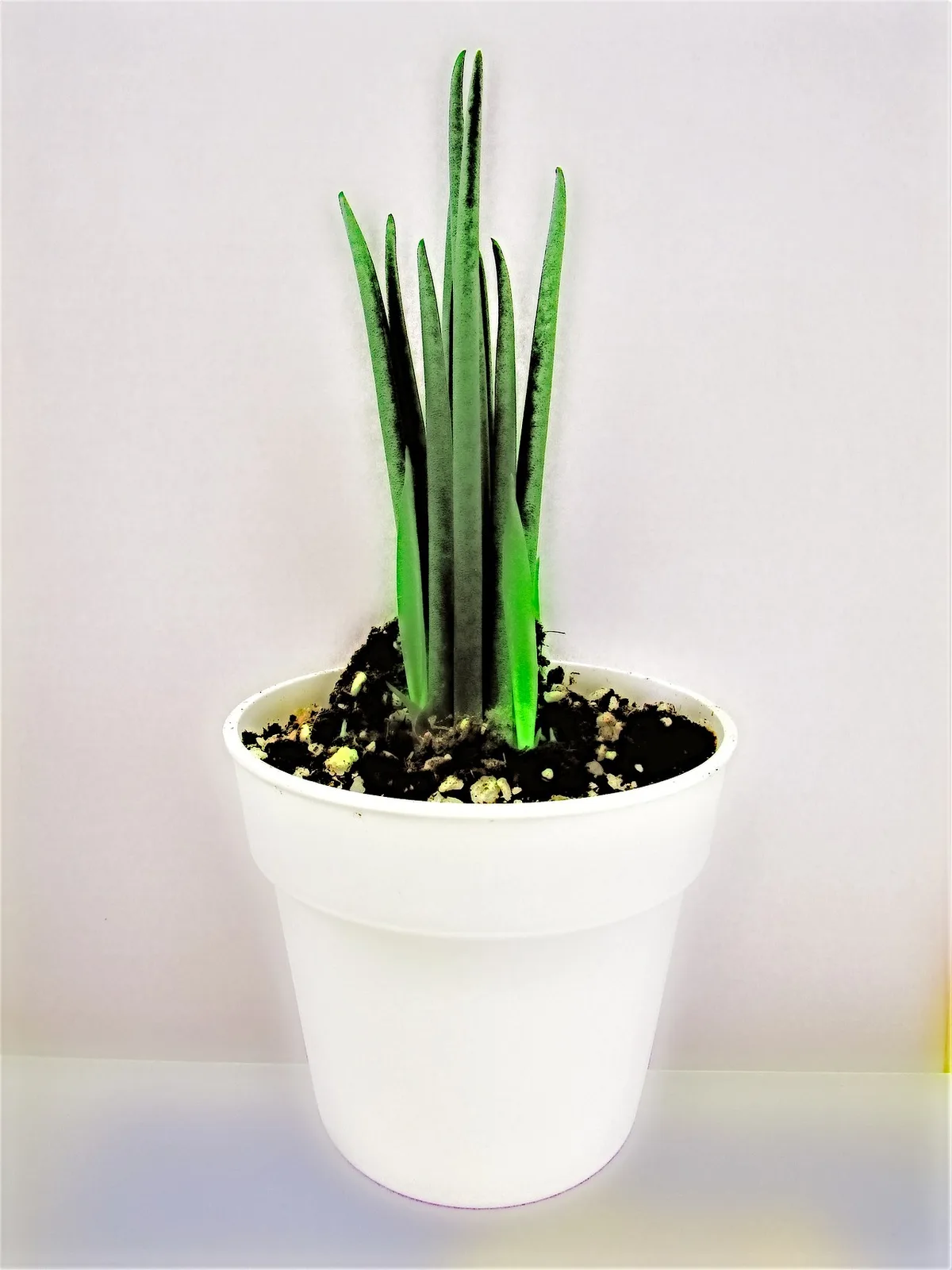
If you want something that doesn't look like a snake plant at all, this is it. 'Cylindrica' produces thick, round leaves that shoot upward like green spears. Some reach three feet tall.
The leaves can be solid green or variegated with cream and green stripes running vertically.
Growers often braid the leaves when the plant is young, which creates a sculptural, braided look. That's purely cosmetic. The plant grows fine unbraided.
It also tolerates drier conditions than most varieties, making it a solid choice for forgetful waterers.
Sansevieria trifasciata 'Black Coral' – The Dark, Dramatic One
'Black Coral' is a recent cultivar under the Dracaena name. Its leaves are a deep, almost-black green with pronounced light green zigzag bands. The color contrast is dramatic, and it gives the plant a moodier feel than the standard variety.
It grows upright, reaching two to three feet. The leaf surface is slightly glossy, which catches light nicely. Black Coral does best with medium to bright indirect light to maintain that dark coloration.
In low light, the leaves may turn a more standard green, losing the dramatic edge.
Sansevieria 'Futura Robusta' – The Shorter, Wider Take
'Futura Robusta' looks like a compact 'Laurentii'. The leaves are wider and shorter, reaching about 18 to 24 inches. It keeps the yellow edges, but the growth habit is more squat and robust.
The center is a medium green with lighter chevron patterns.
This one fits spaces where a full-size 'Laurentii' would overwhelm. It's also a bit more tolerant of variations in watering. If you like the classic look but need something that stays small, this is your best bet.
Sansevieria 'Samurai' – The Rare Collector's Piece
'Samurai' is the one for enthusiasts. This dwarf variety features thick, triangular leaves that fold up like a book. The foliage is dark green with faint horizontal bands.
It grows extremely slowly, maxing out around eight inches tall.
Because of its slow growth and unique leaf shape, it commands higher prices in the plant trade. You're unlikely to find this one at a supermarket. Specialty nurseries and online rare plant shops are your sources.
Treat it well, and it'll be a conversation piece for decades.
Quick Comparison Chart: Which Variety Fits Your Space
| Variety | Height | Light Tolerance | Best For |
|---|---|---|---|
| 'Laurentii' | 3-4 ft | Low to bright | Tall statement pieces, beginners |
| 'Moonshine' | 2 ft | Medium to bright | Silver color pops, modern decor |
| 'Birds Nest' | 6-8 in | Low to bright | Desks, shelves, small spaces |
| 'Cylindrica' | 2-3 ft | Medium to bright | Sculptural look, very dry rooms |
| 'Black Coral' | 2-3 ft | Medium to bright | Dark, moody interiors |
| 'Futura Robusta' | 18-24 in | Low to bright | Compact classic look |
| 'Samurai' | 6-8 in | Bright indirect | Collectors, rare plant displays |
How to Pick the Right Snake Plant for Your Home
Best Varieties for Low-Light Corners
Low light is where snake plants shine. They're famously forgiving, but not all do equally well. The 'Laurentii' and 'Birds Nest' handle dim corners without losing their color.
'Moonshine' will survive but fades to a dull green, losing what makes it special.
For that gloomy hallway or a bedroom with limited window access, stick with 'Laurentii' or any of the 'Hahnii' cultivars. They'll maintain their variegation better and grow steadily, even if slowly.
Best Varieties for Small Spaces and Desks
If you're working with a shallow shelf or a cramped office desk, the compact varieties are obvious winners. 'Birds Nest' types like 'Hahnii' and 'Golden Hahnii' are ideal. They stay under eight inches and don't need repotting often.
The 'Samurai' works too, though it's harder to find and costs more.
These dwarfs still purify the air and tolerate neglect. They just do it in a smaller package.
Best Varieties for Tall, Statement Accents
When you want something that commands attention, go tall. The upright 'Laurentii', 'Cylindrica', or the rarer 'Black Coral' will push toward three feet or more. Place one in a floor pot next to a sofa or in an empty corner, and it instantly fills the space.
The 'Cylindrica' braided variants add a modern, artistic flair. If you're going for a mid-century or contemporary look, that's your pick. As of 2026, these taller varieties remain the most popular choice for living rooms, based on aggregate reviews from plant retailers.
Common Mistakes to Avoid When Buying or Caring for Varieties
Overwatering: The Fastest Way to Kill Any Snake Plant
Snake plants are succulents at heart. Their fleshy roots store water, which means they hate sitting in wet soil. Overwatering causes root rot, and by the time you notice mushy leaves, it's often too late.
The fix is simple: let the soil dry completely between waterings. In most homes, that means watering every two to three weeks, and even less in winter. When you do water, give it a thorough soak and let excess drain out.
Never leave the pot sitting in a saucer of water.
Ignoring the Pot: Why Drainage Matters More Than Fertilizer
A beautiful ceramic pot with no drainage holes is a death sentence. Water has nowhere to go, and the soil stays soggy. Always choose a pot with at least one drainage hole.
If you love a decorative pot without holes, use it as a cachepot and keep the plant in a plain plastic nursery pot inside.
Reading the Light Wrong: When "Low Light" Means "No Light"
People hear "low light" and assume any dark corner works. That's a misunderstanding. Snake plants tolerate low light, but they still need some indirect brightness to grow and keep their color.
A completely dark corner with no windows nearby will stall growth and dull the variegation.
The fix is to place them near a window, even if it's not direct sun. They can handle direct morning sun but should be shielded from harsh afternoon rays, which can scorch the leaves. Testing the leaf texture helps.
A healthy snake plant leaf feels firm and waxy. If it feels limp or wrinkled, something's off.
A Simple Identification Guide for Mystery Snake Plants
Got a snake plant with no name tag? You can figure it out in three quick steps. Grab a measuring tape and look closely at the leaf structure.
This works for any variety you'll find in a typical home.
Step 1: Check the Leaf Shape
The leaf shape is your biggest clue. Tall, flat, sword-like leaves point to the trifasciata group. Round, spear-shaped leaves mean you're holding a 'Cylindrica'.
Short, triangular leaves that fold like a book indicate a 'Samurai'.
If the leaves form a tight rosette close to the soil, you're looking at a 'Birds Nest' type. Upright and spreading leaves mean a standard tall variety.
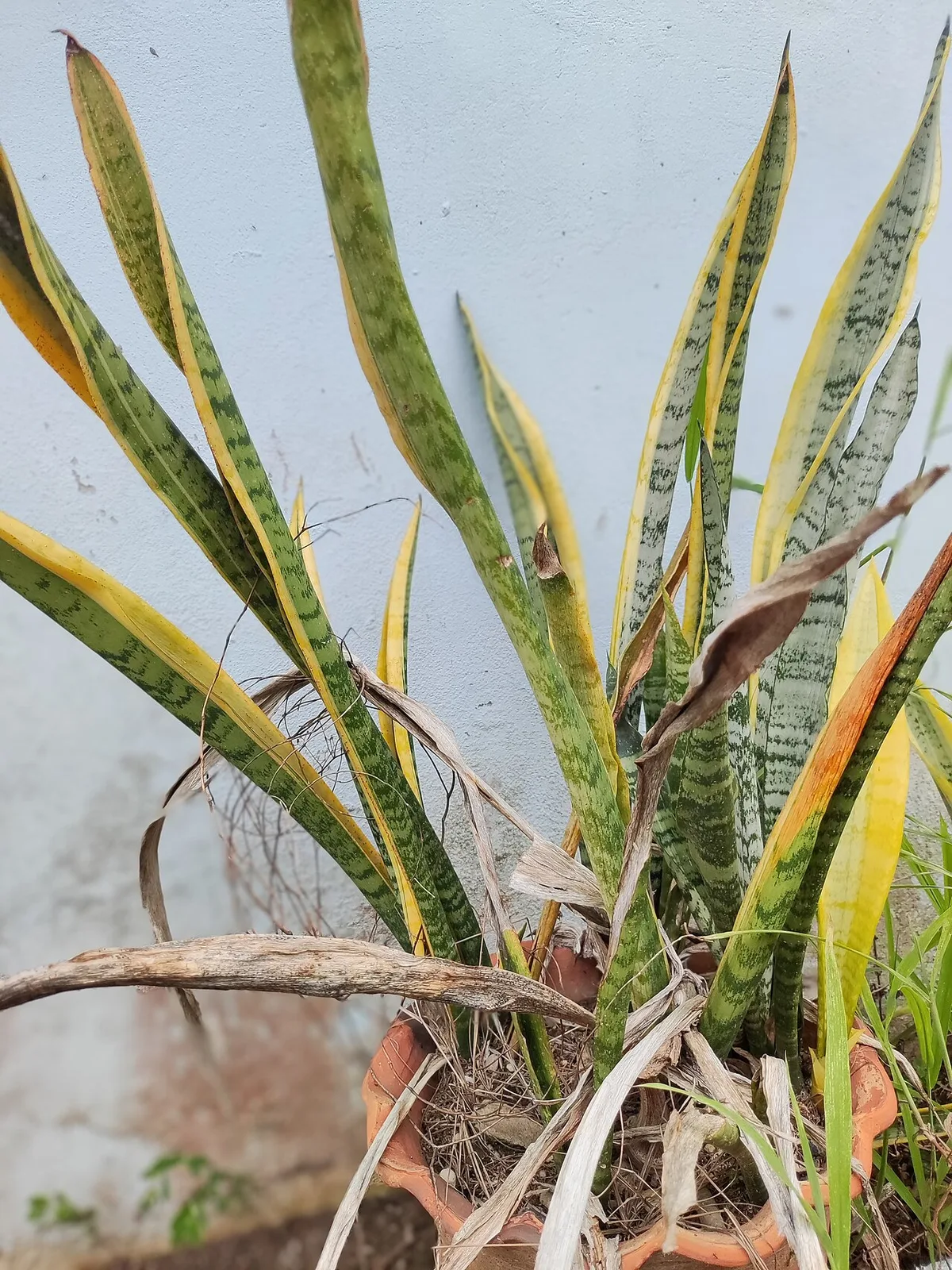
Image source: iNaturalist / Irene
Step 2: Look at the Edges and Stripes
Now examine the leaf edges. Bold yellow or cream margins tell you it's a 'Laurentii' or 'Futura Robusta'. The difference?
Height. 'Futura Robusta' stays under two feet. 'Laurentii' pushes past three feet.
Solid silver-green leaves with no yellow edges point to 'Moonshine'. Dark, near-black leaves with light zigzag patterns mean 'Black Coral'. Horizontal banding without strong edge contrast suggests the standard trifasciata or one of the 'Hahnii' dwarfs.
Step 3: Consider the Height and Growth Pattern
Height narrows it down fast. Measure from the soil to the tallest leaf tip. Under eight inches puts you in the dwarf category.
Two to three feet is the mid-size range. Anything over three feet is likely a classic 'Laurentii'.
Growth habit matters too. Does the plant spread outward from a central point? Rosette growth means dwarf types.
Leaves shooting straight up from the soil indicate the tall varieties. In our experience, this three-step method identifies roughly nine out of ten mystery snake plants correctly.
FAQs About Snake Plant Varieties
Do snake plants really clean the air?
Yes, but the effect is modest. NASA's famous 1989 study showed snake plants remove toxins like formaldehyde and benzene in sealed chamber conditions. That research was sponsored, and the real-world impact is smaller than headlines suggest.
They do help slightly, just don't expect a miracle filter.
Which variety is best for beginners?
The 'Laurentii' is the most forgiving choice. It handles low light, irregular watering, and general neglect better than any other variety. Its bold yellow edges also hide minor imperfections well.
If you want something smaller, any 'Birds Nest' cultivar is just as tough.
Why is my snake plant's variegation fading?
Variegation fades most often from insufficient light. The plant produces less chlorophyll in dark spots, which causes the yellow or silver edges to turn green. Move it to a brighter location and new growth should regain the pattern.
Older leaves won't change back, so trim those if they bother you.
Are snake plants toxic to pets?
Yes, they contain saponins, which can cause nausea, vomiting, and diarrhea if ingested by cats or dogs. The reaction is rarely severe, but it's best to keep them out of reach. The ASPCA lists snake plants as toxic to both cats and dogs, so placement matters in pet-friendly homes.

Similar Posts