Sansevieria Laurentii Care Made Simple
Botanical Horticulturist & Food Preservation Specialist at Brittle Bloom · Certified Master Gardener & Master Food Preserver · 12+ Years in Plant Propagation & Food Preservation
Sansevieria laurentii care seems simple until the leaves start drooping or the base turns mushy. That's when most people realize they've been following a rigid schedule instead of reading the plant's actual signals. The truth is, this plant doesn't need a calendar.
It needs you to understand what its leaves, soil, and roots are telling you.
This variety, often called the variegated snake plant or mother-in-law's tongue, was originally discovered in West Africa and has been a household staple since the Victorian era. As of 2026, it's still one of the top five most popular low-light houseplants globally, partly because the NASA Clean Air Study highlighted its ability to filter formaldehyde and benzene. But popularity doesn't equal proper care.
Let's break down exactly what this plant needs, without the guesswork.
Quick Answer
Give it bright, indirect light. Water only when the soil is completely dry, usually every 2 to 6 weeks. Use a well-draining cactus or succulent mix.
Keep it in a pot with drainage holes. Fertilize lightly in spring and summer. Ignore it the rest of the time.
That's the whole secret. Overwatering causes root rot. Underwatering causes curling leaves.
Temperature below 50°F will damage it. Place it where kids and pets can't reach it, since it's toxic if ingested.
Follow those rules and your Laurentii will thrive for decades.
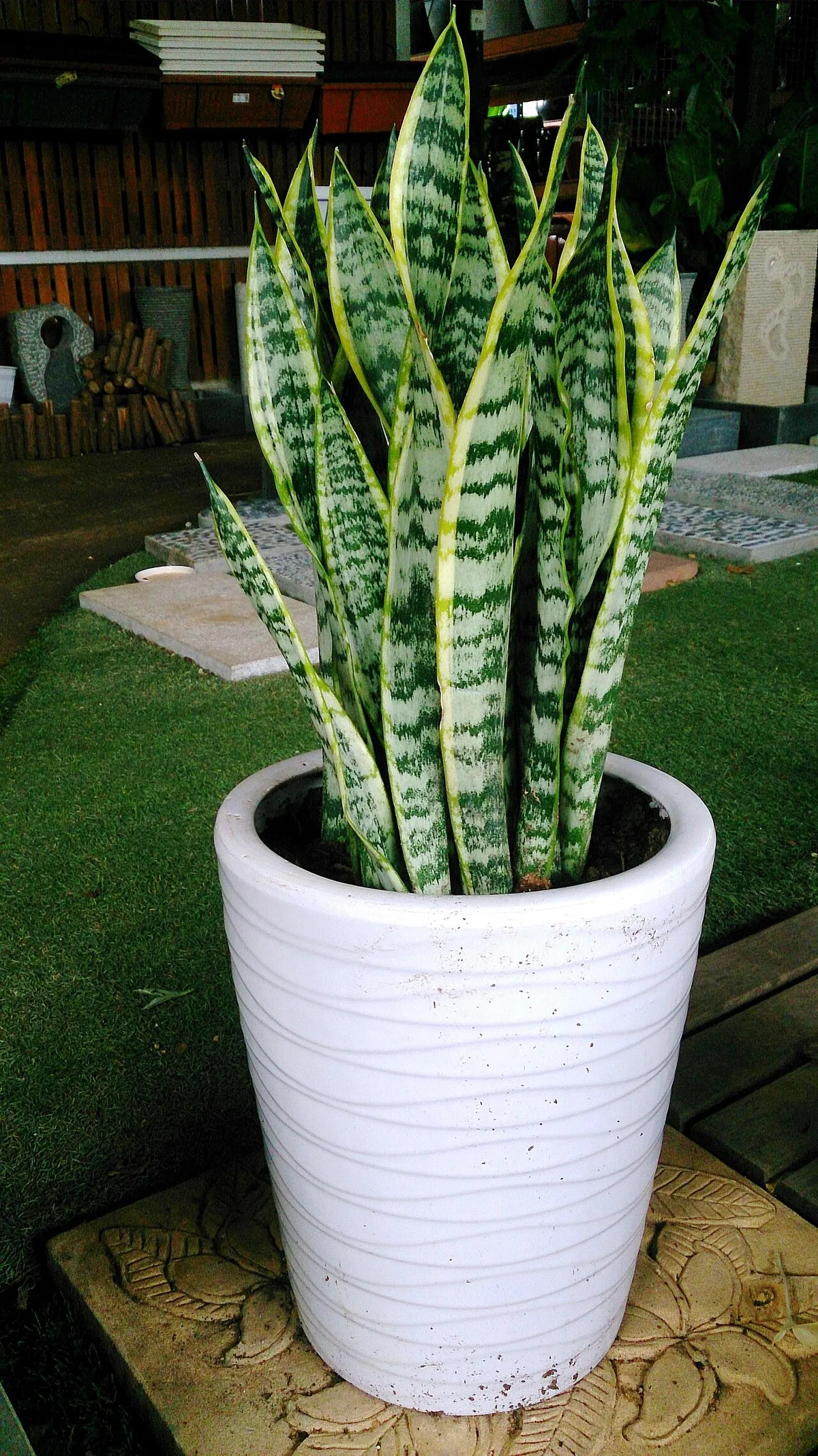
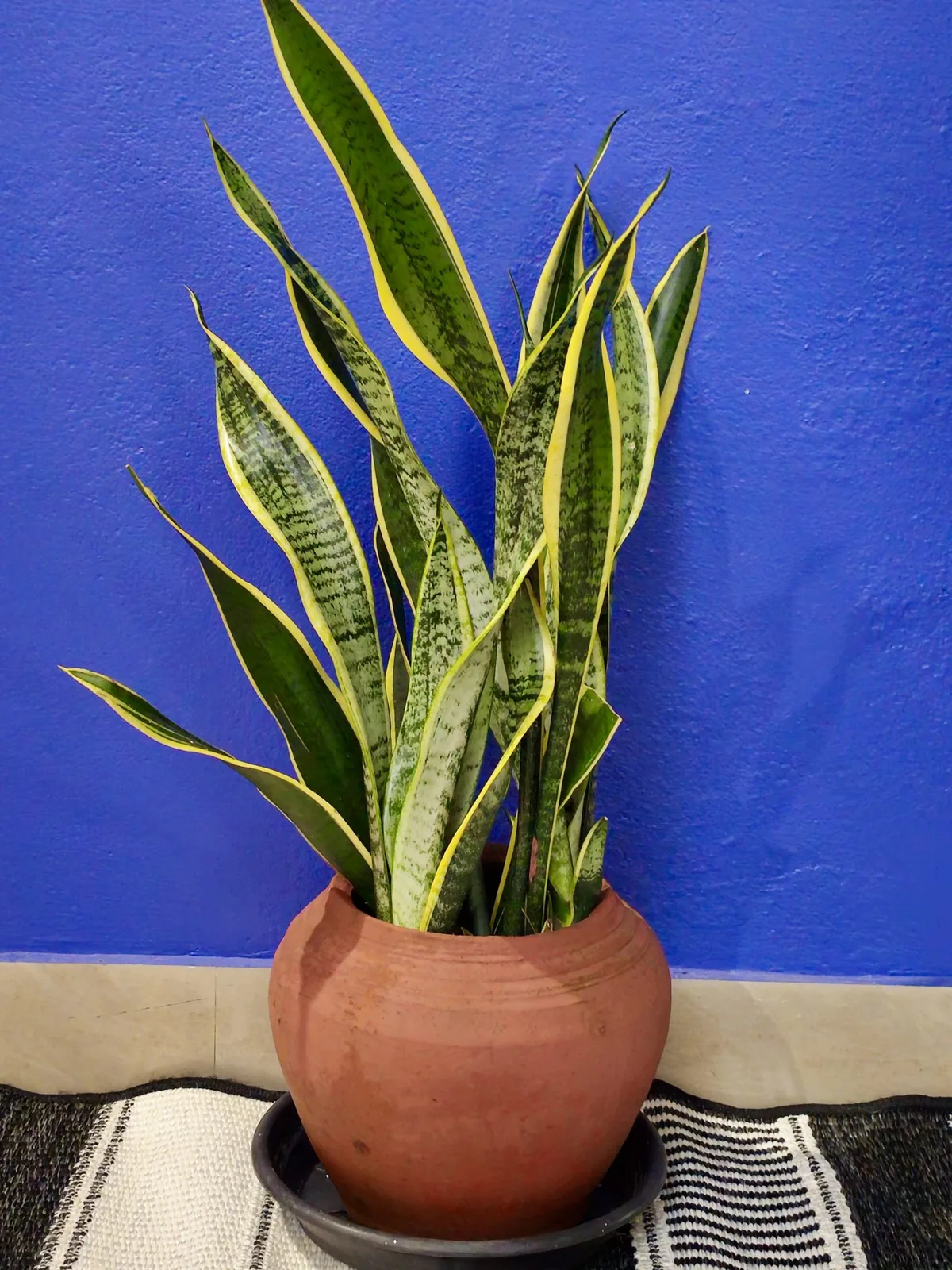
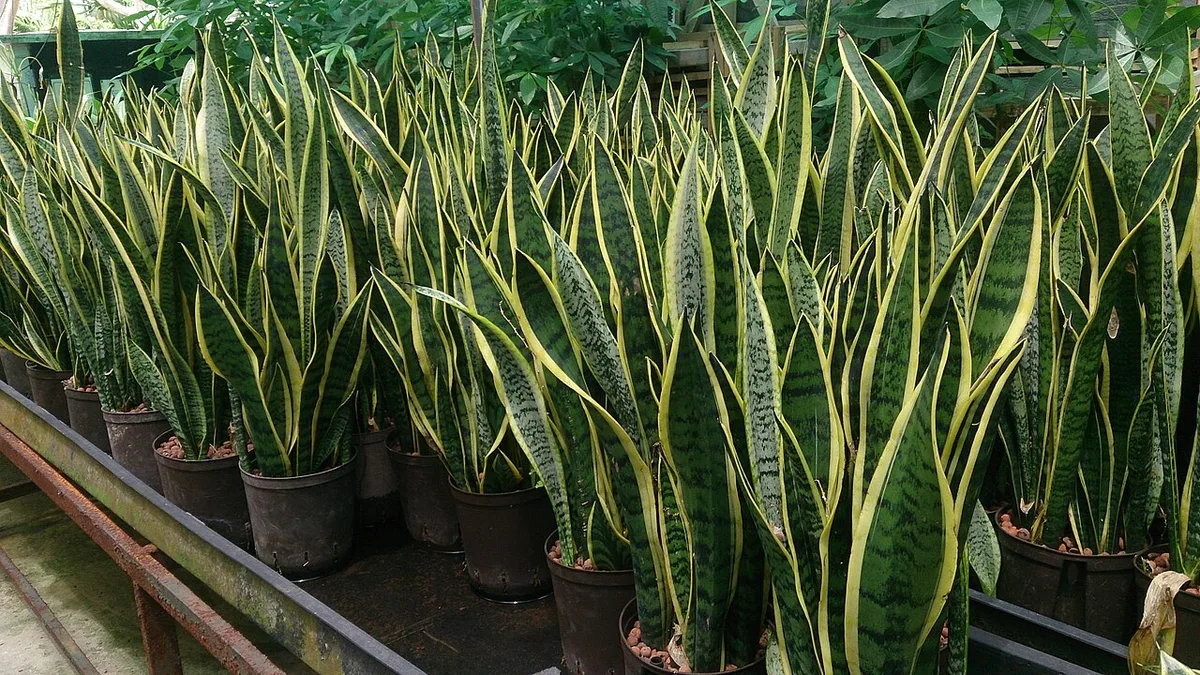
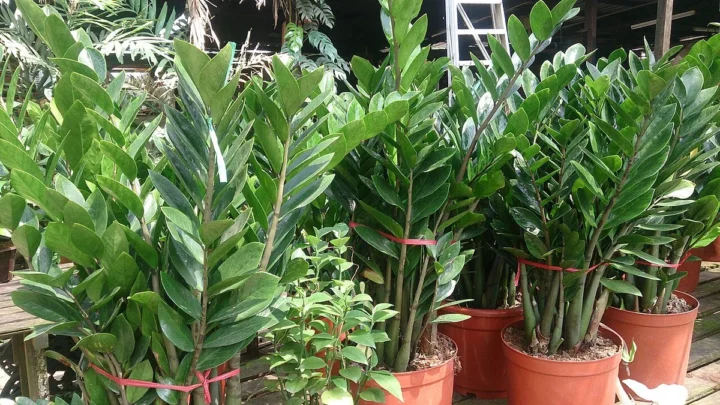
Image source: Wikimedia Commons / Mokkie (CC BY-SA)
The 5 Care Basics That Keep Laurentii Alive
You don't need a greenhouse or a green thumb. You need five things working together correctly. Get these right, and the plant basically manages itself.
Light
Laurentii tolerates low light, but it thrives in bright, indirect light. A spot a few feet away from an east or west-facing window is ideal. Direct afternoon sun can scorch the leaf edges, especially through glass.
In very low light, growth slows dramatically and the yellow margins may fade. If your leaves start looking greener than yellow, move it closer to a window.
Water
This is where most people fail. The Laurentii stores water in its thick, succulent-like leaves and rhizomes. It's built for drought.
Water thoroughly only when the top 2 to 3 inches of soil are bone dry. In winter, that might mean once a month. In summer, maybe every two weeks.
When you do water, pour until it drains out the bottom, then empty the saucer. Never let it sit in standing water.
Soil
Standard potting mix holds too much moisture. You need something that drains fast and doesn't compact. A cactus or succulent blend works well.
You can also mix regular potting soil with perlite or coarse sand at a 2:1 ratio. The goal is soil that dries out completely within a week or two, not soil that stays damp for a month.
Temperature
This is a warm-climate plant. It's happiest between 60°F and 85°F (15°C to 29°C). It can handle brief drops, but sustained exposure below 50°F (10°C) causes cold damage.
Keep it away from drafty windows in winter and air conditioning vents in summer. Sudden temperature swings stress the plant and can cause leaf drop or yellowing.
Pot
Drainage holes are non-negotiable. A pot without holes is a death sentence, regardless of how careful you are with watering. Terracotta pots work especially well because they wick moisture away from the soil.
Plastic pots retain moisture longer, so adjust your watering schedule accordingly. Choose a pot that's slightly snug; Laurentii actually prefers being rootbound and blooms better when tight.
Get these five basics right, and you've solved 90% of the care puzzle. The remaining 10% is troubleshooting when something goes slightly off.
How to Water the Right Way
Watering is where Sansevieria laurentii care lives or dies. The plant doesn't care about your calendar. It cares about moisture levels in the soil.
Here's how to read those levels accurately.
The finger test
Stick your index finger into the soil up to the second knuckle. If it comes out clean and dry, water. If it comes out with soil clinging to it, wait a few more days.
That simple test is more reliable than any watering app or schedule.
The weight test
Lift the pot before watering. Feel how heavy it is. After the soil dries out, lift it again.
You'll notice a significant weight difference. Water only when the pot feels notably lighter. This method works especially well for larger pots where the finger test doesn't reach deep enough.
The moisture meter
If you want more precision, a basic moisture meter costs around $10 and gives you a reading on a scale. Insert it halfway down into the soil. Water only when the meter reads dry or low.
These tools aren't perfect, but they help if you're prone to guessing.
Seasonal adjustments
Laurentii enters a semi-dormant phase in winter. Growth slows, and the plant uses far less water. In our research, most overwatering incidents happen between November and February.
During those months, reduce watering frequency by roughly 50%. If you water every two weeks in summer, shift to every four weeks in winter.
Water quality matters
Tap water containing fluoride or chlorine can cause brown leaf tips over time. If you notice browning edges despite proper watering, switch to filtered, distilled, or rainwater. Letting tap water sit out overnight allows chlorine to evaporate, though fluoride remains.
This is a minor issue, but it makes a visible difference in leaf appearance.
Bottom watering option
Some owners prefer bottom watering. Fill a tray with water, place the pot in it, and let the soil wick moisture upward for 20 to 30 minutes. This method keeps the crown dry and encourages deeper root growth.
Just empty the tray afterward; standing water in the tray invites fungus gnats and rot.
The Complete Step-by-Step Diagnosis Flow
When something looks wrong, don't panic. Work through this logic tree to identify the problem and the fix. Each symptom points to a specific cause, and treating the wrong cause makes things worse.
Is the leaf soft and mushy at the base?
If the bottom of the leaf feels like overcooked asparagus, that's root rot. It happens when soil stays wet too long and anaerobic bacteria attack the rhizomes. Remove the plant from its pot immediately.
Trim away any dark, mushy roots with sterilized scissors. Repot in fresh, dry cactus mix. Hold off watering for at least two weeks.
If the rhizomes are completely black, the plant likely can't be saved, but you can try to salvage healthy leaves and propagate them.
Are the leaves drooping or folding over?
Drooping leaves are almost always a watering issue. If the leaves fold in half like a book, the plant is severely dehydrated. Soak it thoroughly and it should perk up within 24 hours.
If the leaves bend at the base but feel firm, that suggests overwatering has weakened the root system. The roots can't support the leaf weight. In that case, cut back on watering and check for rot.
Are the tips turning brown or curling inward?
Brown tips usually mean inconsistent moisture or water quality issues. Curling leaves indicate dehydration, either from underwatering or from roots damaged by rot. If the soil is bone dry, water deeply.
If the soil is moist but leaves still curl, the roots may be failing. Gently lift the plant from the pot and inspect the root system.
Is the variegation fading or turning pale?
The yellow edges are partly genetic and partly light-dependent. If the margins become pale green or disappear entirely, the plant isn't getting enough light. Move it to a brighter location.
Conversely, if the yellow bands turn white or bleached, that's too much direct sun. Adjust accordingly.
Are there soft spots or sunken patches on the leaves?
This is usually a fungal issue, often from water sitting on the leaves or high humidity with poor airflow. Remove affected leaves at the base. Water at soil level rather than overhead.
Improve air circulation around the plant. In severe cases, a copper-based fungicide can help, but prevention is easier.
Work through these branches one at a time. The plant gives you clear signals if you know what to look for.
How to Fix the Two Most Common Problems
Even with perfect care, things go wrong. Here's how to rescue a plant that's already struggling.
Root rot rescue
Root rot is the number one killer of Sansevieria laurentii. If you catch it early, you can save the plant. First, remove it from the pot and shake off the soil.
Healthy roots are firm and white or light orange. Rotting roots are brown, mushy, and smell unpleasant. Cut away everything that looks suspicious.
Sterilize your scissors with rubbing alcohol between cuts.
After trimming, let the plant sit out on a paper towel for 24 to 48 hours. This allows the cut surfaces to callus over, which prevents further infection. Then repot in fresh, dry cactus mix in a clean pot.
Water sparingly for the first month. You should see new growth within 6 to 8 weeks.
If the rot has reached the crown, the main growing point, the plant faces a tougher battle. You may need to cut the entire leaf from the base and propagate it. Cut the leaf into 3 to 4 inch segments, let them dry for a few days, then place them in water or directly into moist soil.
Roots will form within a month.
Weak growth and stunted leaves
If your Laurentii produces new leaves but they're thin, pale, or barely taller than the pot, the plant is struggling. The most common cause is insufficient light. Move it to a brighter spot and wait two to three months.
Growth is slow, so patience matters.
Nutrient deficiency is another culprit. Laurentii is a light feeder, but it still needs some nutrition. Fertilize once in spring and once in summer with a balanced liquid fertilizer diluted to half strength.
Avoid fertilizing in winter entirely. Too much fertilizer causes salt buildup, which burns the roots and produces brown leaf tips.
Finally, check if the pot is too large. Oversized pots hold excess moisture, which keeps the soil wet longer than the roots prefer. If your pot is significantly larger than the root ball, consider downsizing.
Laurentii prefers snug quarters. It actually blooms more readily when rootbound, producing tall flower spikes with fragrant white blooms.

Similar Posts