How to Repot a Snake Plant: 5 Easy Steps
Botanical Horticulturist & Food Preservation Specialist at Brittle Bloom · Certified Master Gardener & Master Food Preserver · 12+ Years in Plant Propagation & Food Preservation
You’re staring at a snake plant that’s clearly given up on its current pot. Roots are sneaking out of the drainage holes, the soil dries out within days, and new leaves are coming in crooked or stunted. That’s your cue: it’s time to repot.
Repotting snake plant isn’t complicated, but it does require a different approach than most houseplants. This resilient succulent stores water in its thick rhizomes, so the biggest risk isn’t shock, it’s overwatering after the move. In our research, the most common cause of post-repotting failure is watering too soon in a pot that’s too large.
Let’s walk through exactly how to avoid that.
Quick Answer
Repot your snake plant every 2 to 3 years in spring or early summer. Choose a pot 1 to 2 inches wider than the current one. Use a fast-draining succulent or cactus mix.
Wait 5 to 7 days after repotting before watering. Always make sure the new pot has drainage holes.
Do You Actually Need to Repot? (Signs & Timing)
Snake plants are famously forgiving. They can sit rootbound for years and still push out new leaves. But there’s a difference between surviving and thriving.
If you’re seeing any of the following, the plant is telling you it needs more room:
- Roots growing out of the drainage holes
- The soil dries out almost immediately after watering
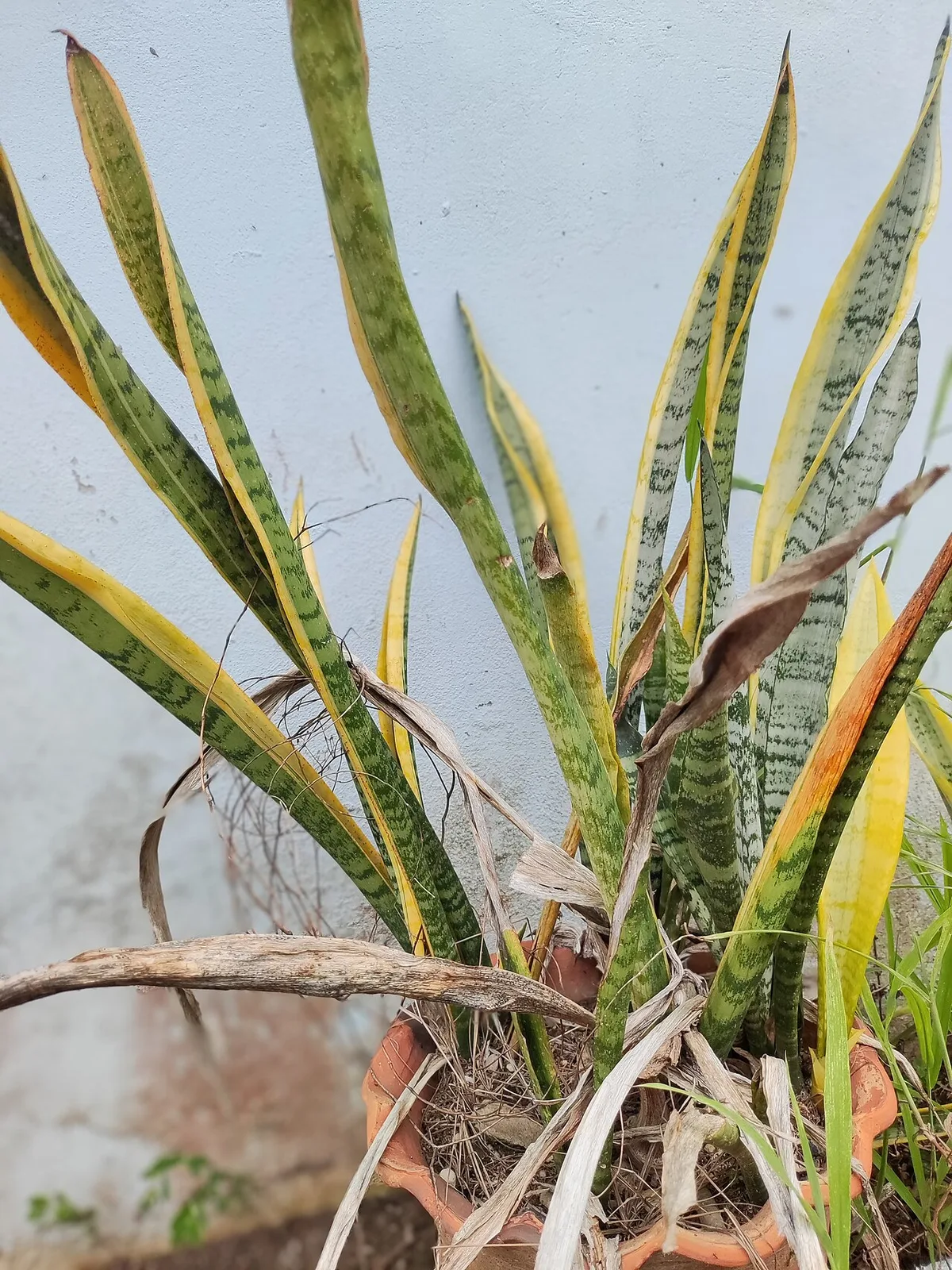
- Leaves are yellowing, bending, or flopping over
- New growth is stunted or deformed
- The pot is cracking or bulging from root pressure
- The plant looks top-heavy and tips over easily
One or two of these signs means you have time. Several at once means it’s time to act.
Timing matters too. The best window for repotting snake plant is spring through early summer, when the plant is actively growing. The warmer days and longer daylight hours help the roots recover quickly.
Repotting in winter isn’t impossible, but the plant will recover much slower. If you can wait, do.
The Root Check: Your Repotting Decision Tree
Before you do anything, you need to see what’s happening underground. Gently slide the plant out of its pot. If it’s stuck, run a knife around the inside edge or squeeze the sides of a plastic pot.
Once it’s free, shake off loose soil and examine the roots.
Here’s what you’ll likely find:
If the Roots Are Rootbound
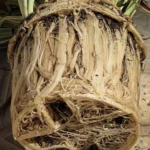
You’ll see a dense, tangled mass of white or yellowish roots circling the pot. Sometimes the rhizomes (those thick, fleshy underground stems) are packed so tightly they’re pushing each other up. This is the classic “needs a bigger pot” scenario.
What to do: Loosen the outer roots gently with your fingers. Trim off any that are dead or mushy. Move up one pot size, about 1 to 2 inches wider, and repot with fresh mix.
If the Roots Show Rot or Smell Bad
This is the serious one. Rotting roots are brown, soft, and often slimy. They might have a sour, swampy odor.
You’ll frequently see this after a period of overwatering or a pot without proper drainage.
What to do: Stop. Remove every bit of rotten tissue with clean scissors. Healthy roots are firm and pale; anything soft goes.
Rinse the remaining roots gently if needed. Let the plant sit out for 24 to 48 hours so the cut areas callus over. Then repot into fresh, dry, well-draining soil.
Do not water for at least a week.
If the Roots Look Healthy and Full
Sometimes the plant looks crowded, but the roots are fine and the pot still has room. In that case, you have two options. You can move it up one pot size for more growth, or you can divide the plant into multiple pots.
What to do: If you want a bigger, fuller plant, repot as usual. If you want more plants, look for the natural divisions between the rhizomes. Each section with its own leaves and roots can become a separate snake plant.
Choosing the Right Pot and Soil Mix
Your pot choice matters more than most people realize. Snake plants don’t need fancy containers, but they do need the right conditions. The two biggest factors are material and size.
- Terracotta pots are porous and let soil dry out faster. They’re excellent for snake plants, especially if you tend to overwater.
- Plastic or glazed ceramic pots hold moisture longer. They work fine, but you need to be more disciplined with watering.
- Pot size matters. One to two inches wider than the current pot is the sweet spot. Going bigger means wet soil sits around the roots, which invites rot.
The soil mix is just as important. Snake plants are succulents. They want a mix that drains fast and never stays soggy.
A good cactus or succulent mix works well. You can also amend regular potting soil with perlite or pumice at a roughly one-to-one ratio.
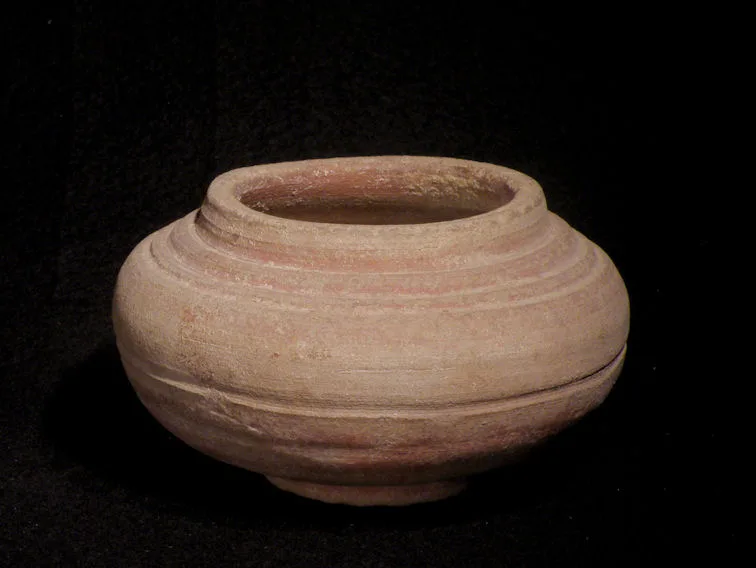
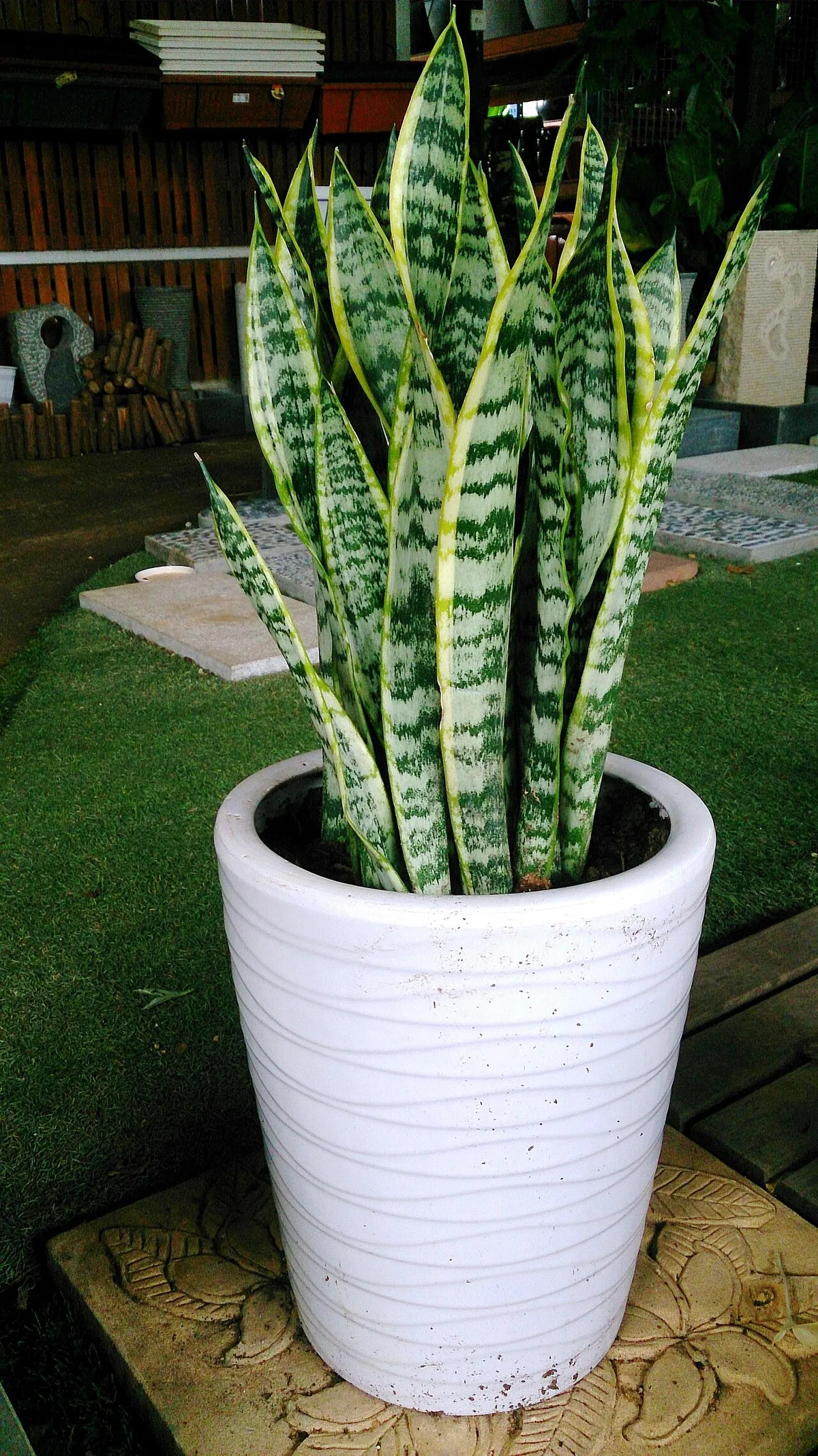
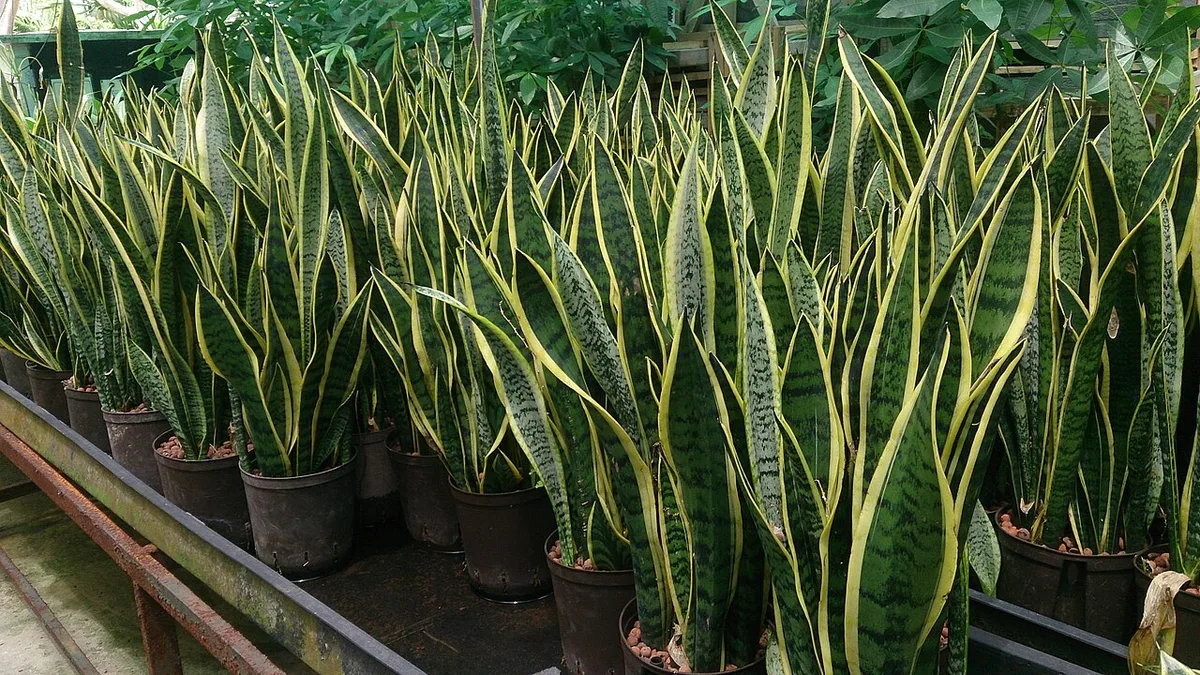
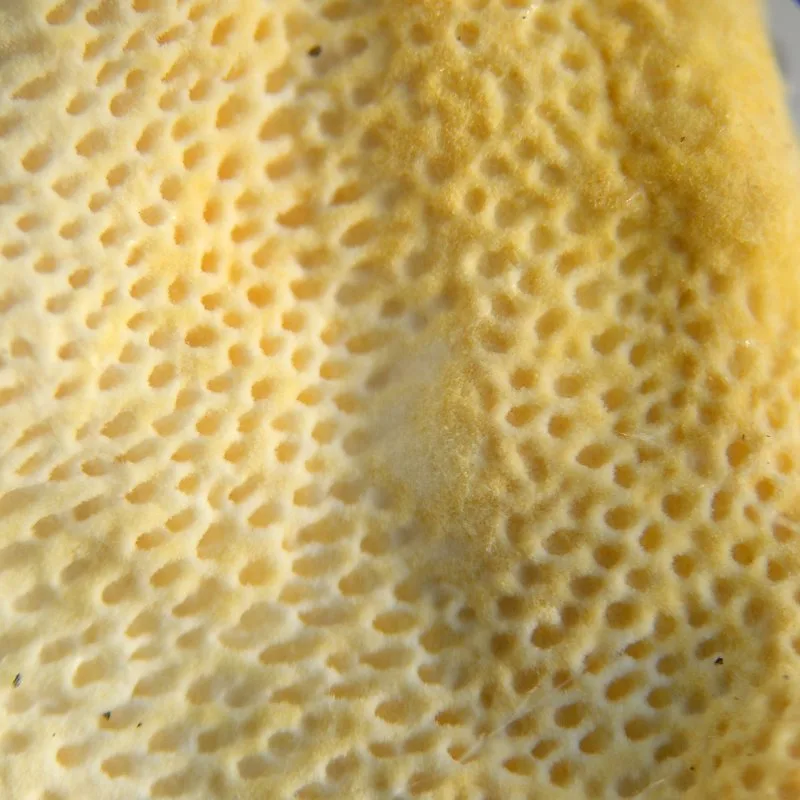
Image source: Wikimedia Commons / C Hazzard (CC BY-SA)
A quick rule of thumb: if the soil stays wet for more than a week after watering, it’s too heavy for a snake plant.
Repotting Step-by-Step: Rootbound, Rotting, or Splitting Pups
Now that you know what you’re dealing with, here’s the actual process. Each path follows the same basic steps, with a few key differences.
If Roots Are Rootbound
- Start dry. Water the plant a few days before you plan to repot, then let the soil dry out. Dry soil is easier to remove and less likely to tear delicate roots.
- Remove the plant. Slide it out of the pot. Squeeze or tap the sides if it’s stuck.
- Loosen the root ball. Gently tease the outer roots apart with your fingers. Don’t panic if you break a few; the plant will recover.
- Trim dead roots. Use clean scissors to remove anything that’s brown, soft, or hollow.
- Add fresh soil to the new pot. Fill the bottom enough so the plant sits at the same depth it was before.
- Position the plant. Place it in the center and backfill around the sides with fresh mix. Press down lightly to remove air pockets. Keep the rhizomes about 1 to 2 inches below the soil surface.
- Wait before watering. This is critical. Give it 5 to 7 days so any damaged roots can callus over. Then water thoroughly and let the pot drain completely.
If Roots Show Rot or Smell Bad
- Remove all soil. Shake or rinse it off so you can see exactly what you’re working with.
- Cut away rotten roots. Be aggressive here. If you leave any mushy tissue, the rot will spread. Sterilize your scissors between cuts.
- Trim damaged leaves. Yellowing or translucent leaves won’t recover. Cut them off at the base.
- Let it callus. Set the plant on a dry surface for 24 to 48 hours. This allows the cut areas to heal and prevents reinfection.
- Repot in dry mix. Use a pot with good drainage, and don’t water. Wait at least 7 days before the first drink.
- Adjust your watering habits. If rot happened once, it will happen again unless something changes. Water only when the soil is completely dry.
If You're Splitting Pups From the Mother Plant
- Remove the whole plant and shake off the soil so you can see the rhizomes clearly.
- Find natural divisions. Pups are connected to the mother plant by a thick rhizome. Look for spots where roots and leaves are already well-formed.
- Cut with a clean knife. Slice through the rhizome at the connection point. Each pup needs its own roots to survive.
- Let the cut ends dry. Same rule as rot treatment: 24 to 48 hours of air time.
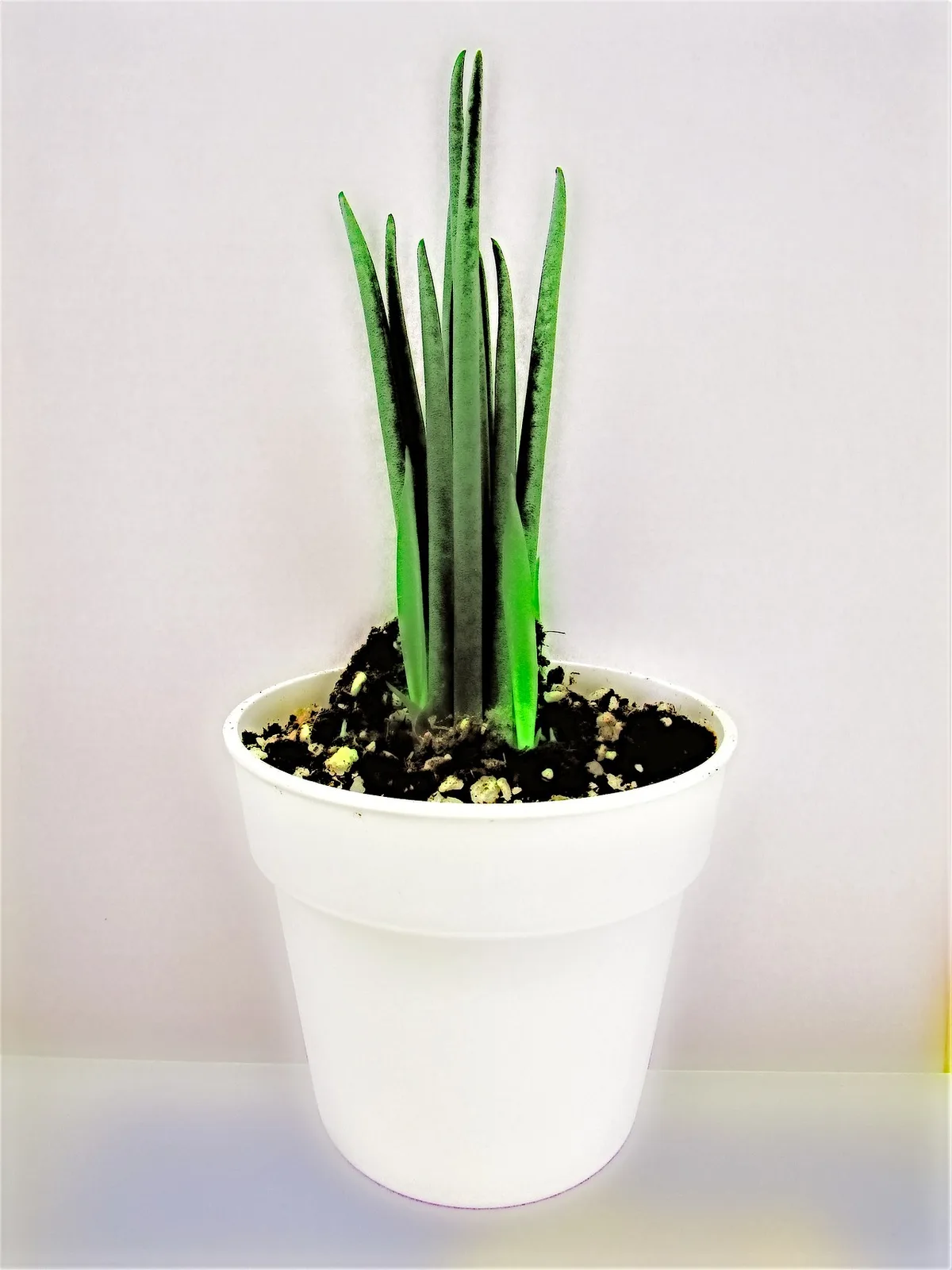
- Pot each division separately. Use small pots for small pups. A 4-inch pot works for most single-pup divisions.
- Wait before watering. Give them a full week. Then water lightly, not heavily, until you see new growth.
Aftercare: The First 7 Days That Matter
The week after repotting sets the tone for the next few months. Here’s what to do.
Keep the plant in bright, indirect light. Direct sun can stress an already-shocked plant. Hold off on fertilizer entirely.
The fresh soil has enough nutrients, and feeding too soon can burn the roots.
Don’t water immediately. We’ve said it twice, and we’ll say it again because it’s the most common mistake. Damaged roots need time to heal.
Watering before that happens invites rot. After 5 to 7 days, water deeply and let the pot drain.
Watch for drooping or yellowing leaves over the next two weeks. Some leaf drop is normal, but if the base of the plant turns soft, you may have watering issues. A healthy snake plant will rebound within a few weeks.
New growth is the best sign that the roots have settled in.
Common Repotting Mistakes to Avoid
Even experienced plant parents slip up. Watch out for these common errors.
- Watering too soon. Damaged roots need time to callus. Watering immediately invites rot. Wait 5 to 7 days.
- Choosing a pot that's too big. Extra soil holds extra moisture. The roots stay wet and rot. Move up only 1 to 2 inches.
- Using dense soil. Regular potting mix stays damp too long. Use a cactus or succulent blend with perlite.
- Burying rhizomes too deep. Keep them 1 to 2 inches below the surface. Deeper planting causes stem rot.
- Splitting too aggressively. Each pup needs its own roots. Tearing apart a healthy root ball stresses the plant.
- Repotting in winter. Growth is slow. The plant struggles to recover. Wait for spring if you can.
Avoid these, and your snake plant will settle in without much fuss. The name of the game is patience, not perfection.
Frequently Asked Questions
How often should I repot a snake plant?
Every 2 to 3 years is the standard interval. Snake plants tolerate being rootbound, so you only need to repot when roots push out of the drainage holes or the soil dries out very quickly. When in doubt, leave it alone for one more season.
What kind of soil is best for repotting?
A well-draining cactus or succulent mix works best. If you have regular potting soil, amend it with perlite or pumice at a one-to-one ratio. Good drainage is non-negotiable for snake plants.
The roots store water; the soil shouldn't.
Should I water immediately after repotting?
No. Wait 5 to 7 days before the first watering. This gives damaged roots time to callus over.
Watering sooner massively increases the risk of root rot. When you do water, do it thoroughly and let the pot drain completely.
Can I divide a snake plant when repotting?
Yes. Look for natural divisions in the rhizomes. Each pup with its own roots can be potted separately.
Let the cut ends dry for 24 to 48 hours before planting. Small pups grow fastest in small pots, around 4 inches wide.
Final Decision Guide: What to Do Next
You've checked the roots. Now choose your path.
| Root Condition | Action | When to Water |
|---|---|---|
| Rootbound | Repot into a pot 1 to 2 inches wider | Wait 5 to 7 days |
| Root rot | Cut rot, let callus 24 to 48 hours, repot in dry soil | Wait 7 days |
| Healthy with pups | Split pups or move up one pot size | Wait 5 to 7 days |
If the roots were rootbound, you're done. The plant will appreciate the extra room. Place it in bright, indirect light and leave it alone for a week.
If you found rot, monitor your watering habits carefully. Let the soil dry completely between waterings from now on. Consider switching to a terracotta pot if you haven't already.
If you split pups, don't be surprised if the mother plant looks a little ragged. That's normal. Give both the parent and the pups time to recover.
New growth in a few weeks means success.

Similar Posts