Peace Lily Drooping? 7 Simple Ways to Revive It
Botanical Horticulturist & Food Preservation Specialist at Brittle Bloom · Certified Master Gardener & Master Food Preserver · 12+ Years in Plant Propagation & Food Preservation
Your peace lily plant drooping is almost never a random event. In our research, nearly every case comes down to one of five triggers: underwatering, overwatering, light stress, temperature shock, or a root problem. The good news?
Most peace lilies bounce back within 48 hours once you fix the actual cause. The bad news? The wrong fix can make things worse.
As of 2026, the Spathiphyllum, better known as the peace lily, remains one of the world's most popular indoor plants. The Royal Horticultural Society names consistent moisture as the single most important care factor. Let's read the clues your plant is sending and then walk through the right rescue move.
Quick Answer
A peace lily plant drooping usually means a watering problem. Check the soil first. If it's bone dry, soak it.
If it's soggy, stop watering. Most peace lilies recover within 48 hours.
Step 1: Read the Soil and Leaves: Underwatered vs Overwatered
Before you change anything, touch the soil. Poke a finger two inches down. That single test eliminates half the guesswork.
You also want to look at the leaves closely. Their texture tells you which kind of stress you're dealing with.
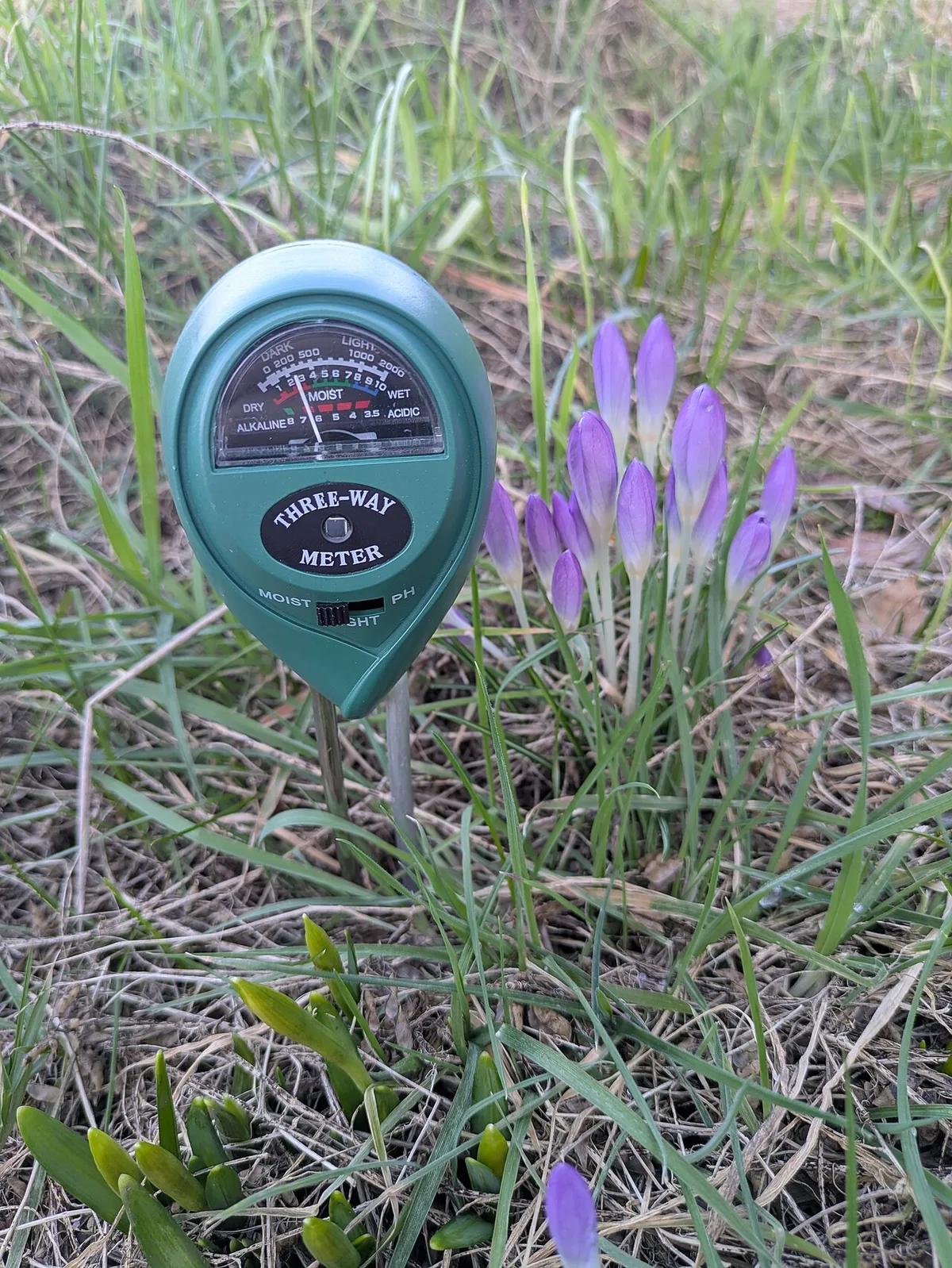
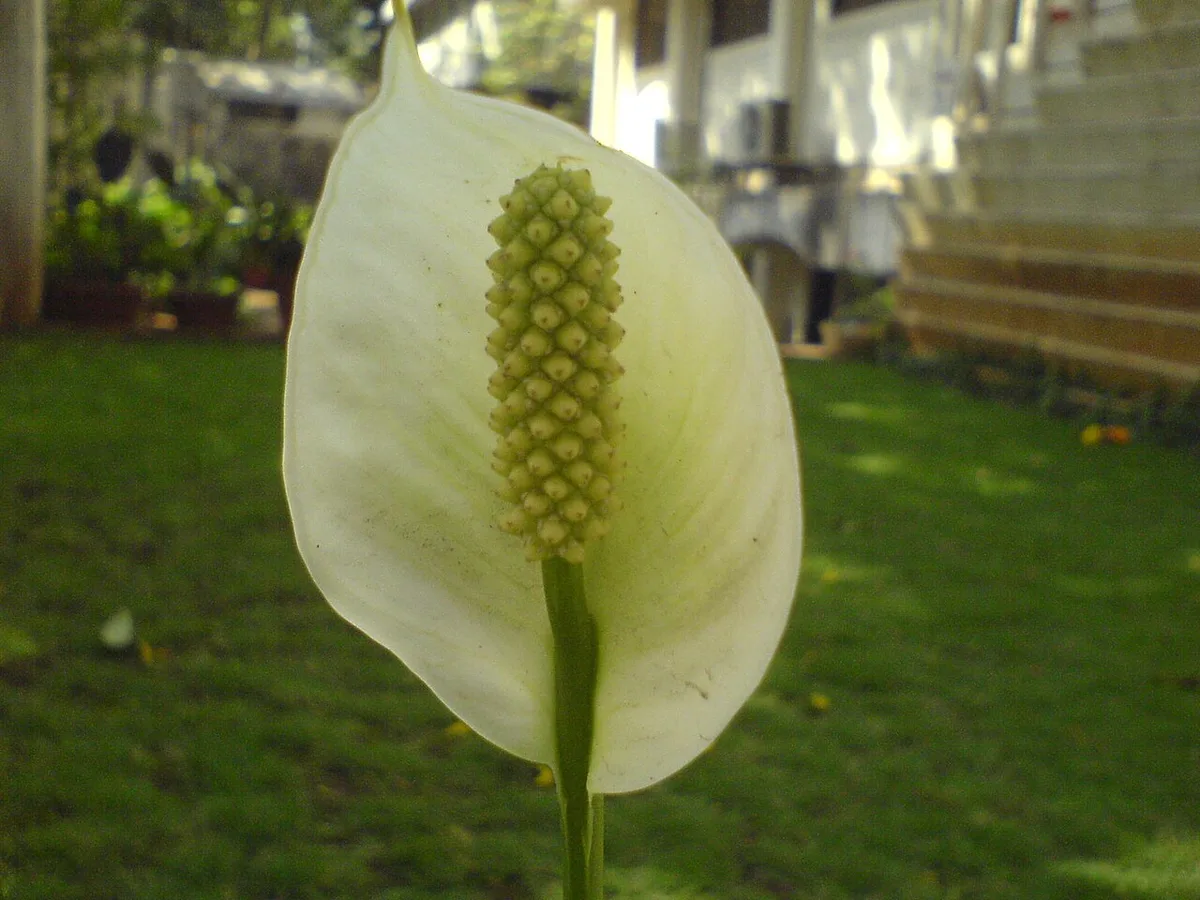
Image source: Wikimedia Commons / PhysicsScotland (CC BY-SA)
Peace lilies are dramatic. They let their leaves flop dramatically when something feels off. But the exact look and feel of those leaves points to a very different problem.
| Clue | Underwatered | Overwatered |
|---|---|---|
| Soil feel | Bone dry, pulls away from the pot | Soggy, heavy, maybe sour-smelling |
| Leaf feel | Crispy, dry, papery | Soft, mushy, limp |
| Leaf color | Pale green, edge browning | Yellowing from the bottom up |
| Plant weight | Noticeably light | Heavy from trapped water |
The Underwatered Peace Lily: Crispy, Light, and Thirsty
Underwatering is the easier fix. The leaves turn droopy and a bit crispy. The soil pulls away from the pot edges.
Sometimes you'll see brown leaf tips appearing. This plant is basically asking for a drink. It should recover within a few hours of a good soak.
The Overwatered Peace Lily: Soggy, Yellow, and Heavy
Overwatering is trickier because the symptoms look similar at first. The leaves droop, but they feel soft, not crispy. The soil stays wet for days.
The roots sit in water and slowly suffocate. If you keep watering an overwatered peace lily, you're pushing it toward root rot. Check that moisture level before you pour anything.
The Rescue Flow: How to Revive a Drooping Peace Lily in 24–48 Hours
Here's where we turn this into a simple workflow. Use if/then logic. Match your situation to the fix, then act.
When It's Just Thirsty: The Soak-and-Drain Fix
If the soil is bone dry, give your plant a room-temperature bath. Place the pot in a sink or basin. Fill with water until it reaches about halfway up the pot.
Let it soak for 30 to 45 minutes. The soil rehydrates evenly this way.
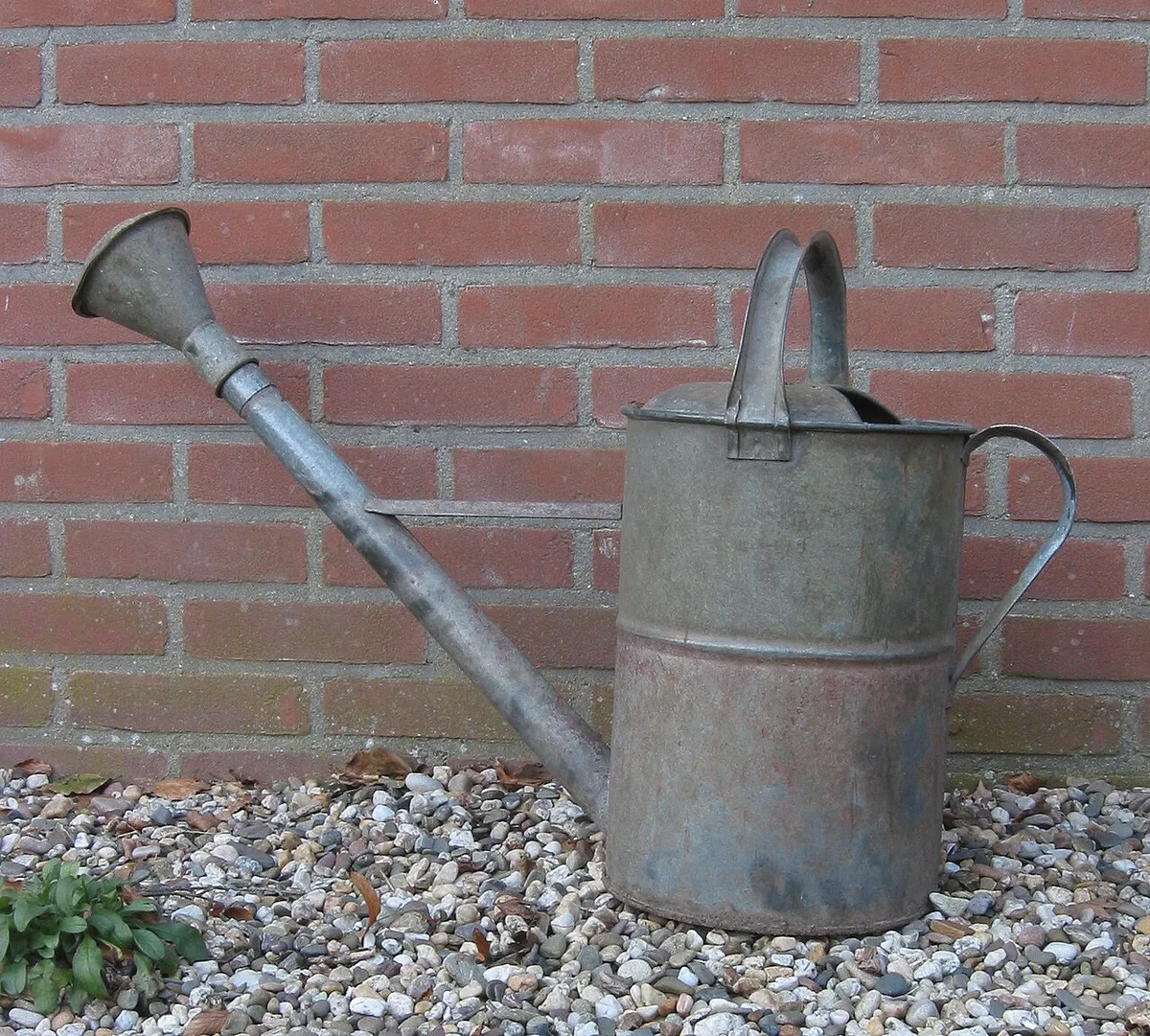
Image source: Wikimedia Commons / Jan Bambach (CC BY-SA)
After the soak, lift the pot and let all excess water drain. Never leave it standing in water overnight. Within 24 hours, you should see the leaves lift.
Full recovery takes a day or two.
When It's Waterlogged: The Root-Rescue Routine
If the soil is soggy, stop watering immediately. You need to check the roots. Gently slide the plant out of its pot.
Healthy roots look white or pale yellow. Rotten roots look brown, black, and mushy. Snip off the damaged parts with clean scissors.
Then repot in fresh, well-draining potting mix. The Royal Horticultural Society recommends a standard houseplant mix with good aeration.
When You've Just Repotted: Handling Transplant Shock
Did you repot recently? Drooping can also be transplant shock. The roots need time to settle into new soil.
Keep the plant in bright, indirect light. Avoid fertilizer for at least a month. Give it a week and it should start standing upright again.
Root Rot vs Pot-Bound: The Two Hidden Causes People Miss
Sometimes watering isn't the issue at all. Two sneaky problems cause drooping that doesn't respond to typical fixes: root rot and being root-bound.
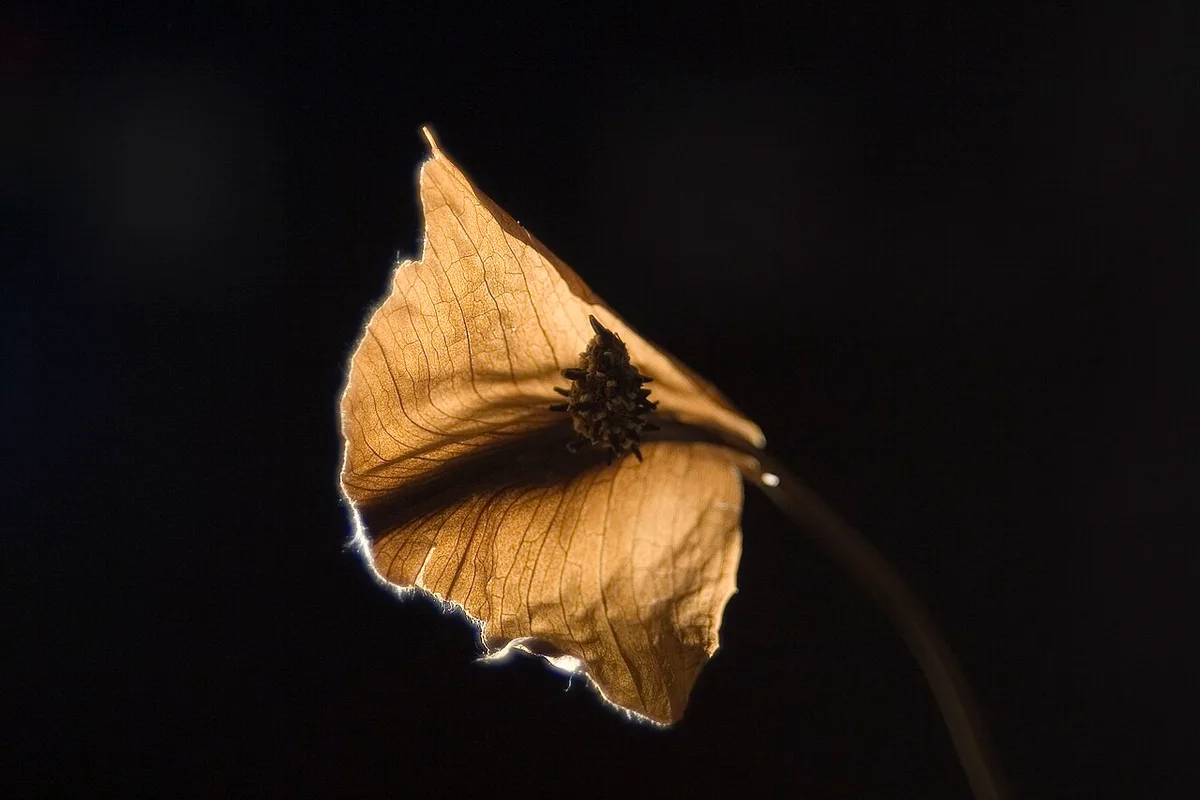
Image source: Wikimedia Commons / Biooid 99 (CC BY-SA)
Root rot happens from long-term overwatering. The roots die and stop sending water upward. The plant droops even though the soil feels wet.
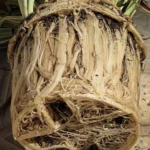
This is why checking the roots matters. If they're brown and mushy, you've got rot. If they're compacted and circling the bottom, you've got a different problem.
A root-bound peace lily is root too big for its pot. The roots form a dense mass in the center of the container. Water runs straight through the sides without soaking in.
The plant can't drink enough, so it droops. This spells "repot me."
Lift the plant and inspect the root ball. If you see more roots than soil, move up one pot size. That's usually two inches larger in diameter.
Use fresh soil, water well, and keep it shaded for a few days.
Common Peace Lily Care Mistakes That Keep the Leaves Sagging
Even with the right watering routine, a few common habits can keep your peace lily in a wilted state.
- Watering on a strict schedule. Plants don't run on calendar days. Check the soil instead.
- Ignoring light levels. Too much direct sun bleaches leaves and causes droop. Bright, indirect light is the sweet spot.
- Leaving it near a draft. Cold air from a window or AC vent stresses the plant fast.
- Skipping drainage. A decorative pot without holes traps water at the roots.
- Shifting it around constantly. Peace lilies are sensitive to location changes. Find a spot and keep it there.
- Forgetting about temperature. Stay between 65°F and 80°F. Sudden swings cause limp leaves.
One more thing. Peace lilies contain calcium oxalate crystals. The ASPCA lists them as toxic to cats, dogs, and children.
That's not a drooping problem, but it's worth knowing before you place one near curious pets.
Long-Term Care: Keeping Your Peace Lily Firm, Glossy, and Droop-Free
Once your peace lily recovers, a simple routine prevents the next droop. Water only when the top inch of soil feels dry. That usually means about once a week, but always trust your finger over the calendar.
Keep the plant in bright, indirect light. A few feet from a north or east window works perfectly. Direct sun burns the leaves and causes repeat wilting.
Our research shows this is the most overlooked factor after watering.
Humidity matters, too. Peace lilies come from tropical rainforests. They love 40 to 60 percent humidity.
If your home runs dry in winter, group plants together or place the pot on a pebble tray with water.
Fertilize every six weeks during spring and summer. Use a balanced houseplant fertilizer at half strength. Skip feeding entirely in fall and winter.
The plant rests then.
| Care Factor | Peace Lily Sweet Spot |
|---|---|
| Light | Bright, indirect |
| Watering | When top inch of soil dries |
| Humidity | 40 to 60 percent |
| Temperature | 65 to 80°F |
| Fertilizer | Every 6 weeks in spring and summer |
Repot every couple of years or when roots start circling the pot. Always use fresh potting mix and a container with drainage holes. A peace lily in the right pot rarely droops.
Watch for early warning signs. A slight loss of leaf firmness toward evening can be normal. If leaves still flop by morning, check the soil.
Steady observation beats any schedule.
Seasonal shifts matter. In summer, plants drink more and grow faster. In winter, they slow down.
Adjust watering to the plant's rhythm, not the date.
One more tip. Water with room-temperature water. Cold water shocks the roots.
This simple habit prevents a lot of confusion. A well-cared-for peace lily can live for decades. Many indoor gardeners keep the same plant for 15 years or more.
Peace Lily Drooping FAQs
Here are the questions peace lily owners ask us most.
How often should I water a peace lily?
Water when the top inch of soil feels dry, usually once a week. Stick your finger in the pot to check. If soil clings to your skin, wait another day.
Peace lilies tolerate dry soil better than waterlogged roots.
Why is my peace lily drooping after repotting?
Transplant shock causes temporary drooping. The roots need time to adjust to fresh soil. Keep the plant in bright, indirect light and away from drafts.
Avoid fertilizer for at least a month. It should recover on its own within one to two weeks.
Can a drooping peace lily recover?
Yes, most drooping peace lilies recover within 24 to 48 hours. Underwatered plants perk up fast after a good soak. Overwatered plants need root care and better drainage.
The longer the roots have sat in soggy soil, the slower the rebound.
Why are my peace lily leaves yellow and drooping?
Yellow leaves with drooping stems usually mean overwatering. Soft, pale leaves point to soggy soil and potential root rot. Remove damaged leaves cleanly at the base.
Let the soil dry out before the next watering. If roots are mushy, repot immediately.
How long does it take a peace lily to perk up after watering?
An underwatered peace lily perks up within a few hours to one day. A full return to upright leaves may take two days. Overwatered plants take longer.
They often need monitoring until the roots dry out and recover.
Should I cut off drooping peace lily leaves?
Yes, once a leaf has turned yellow or brown, it won't recover. Prune it near the soil line with clean scissors. The plant redirects energy toward healthy new growth.
Removing dead leaves also improves airflow around the base.

Similar Posts