Peace Lily Brown Leaves? Causes & Easy Fixes
Botanical Horticulturist & Food Preservation Specialist at Brittle Bloom · Certified Master Gardener & Master Food Preserver · 12+ Years in Plant Propagation & Food Preservation
Peace lily brown leaves are one of the most common houseplant problems. If that’s what brought you here, you’re not alone. Brown tips and edges are almost always fixable, and the plant usually bounces back faster than you’d expect.
The key is figuring out the cause before you start changing everything.
The botanical name, Spathiphyllum, covers a tropical plant that likes consistent moisture and above-average humidity. That baseline matters more than most people think. Our research suggests the fastest fix comes from reading the brown pattern first and reaching for the watering can second.
Let’s walk through it step by step.
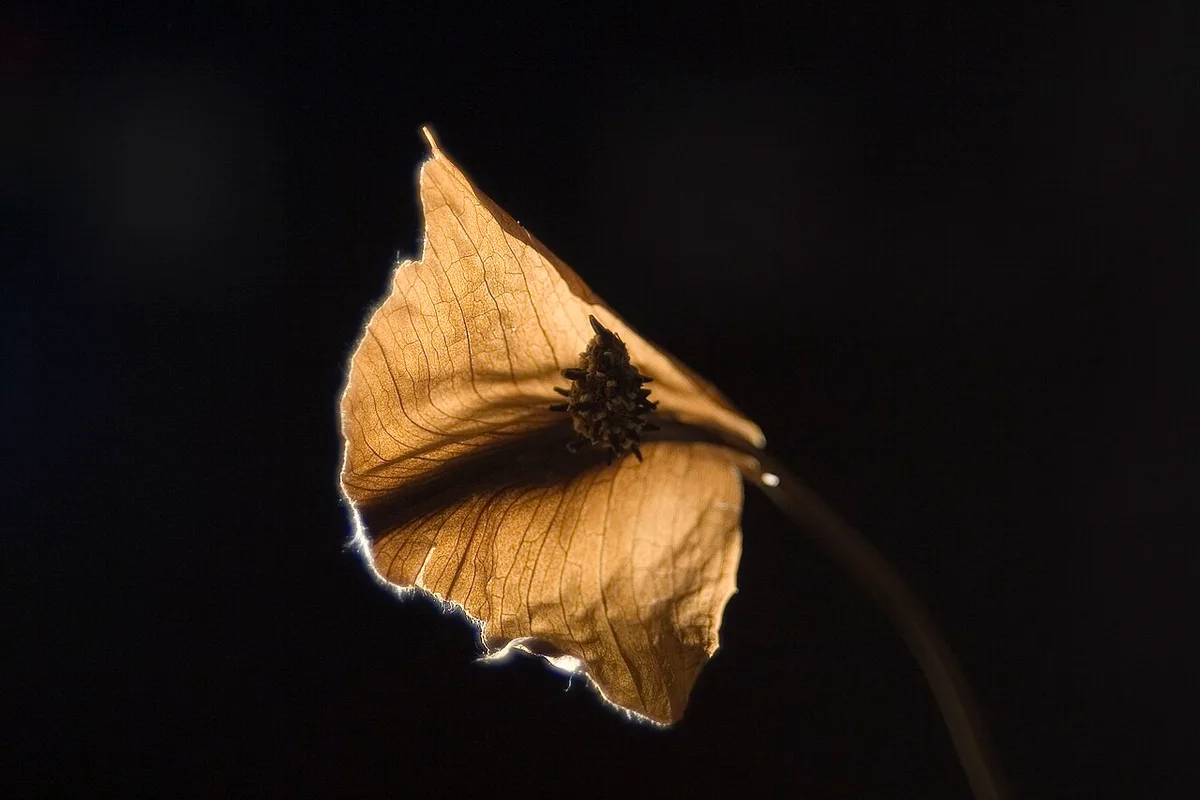
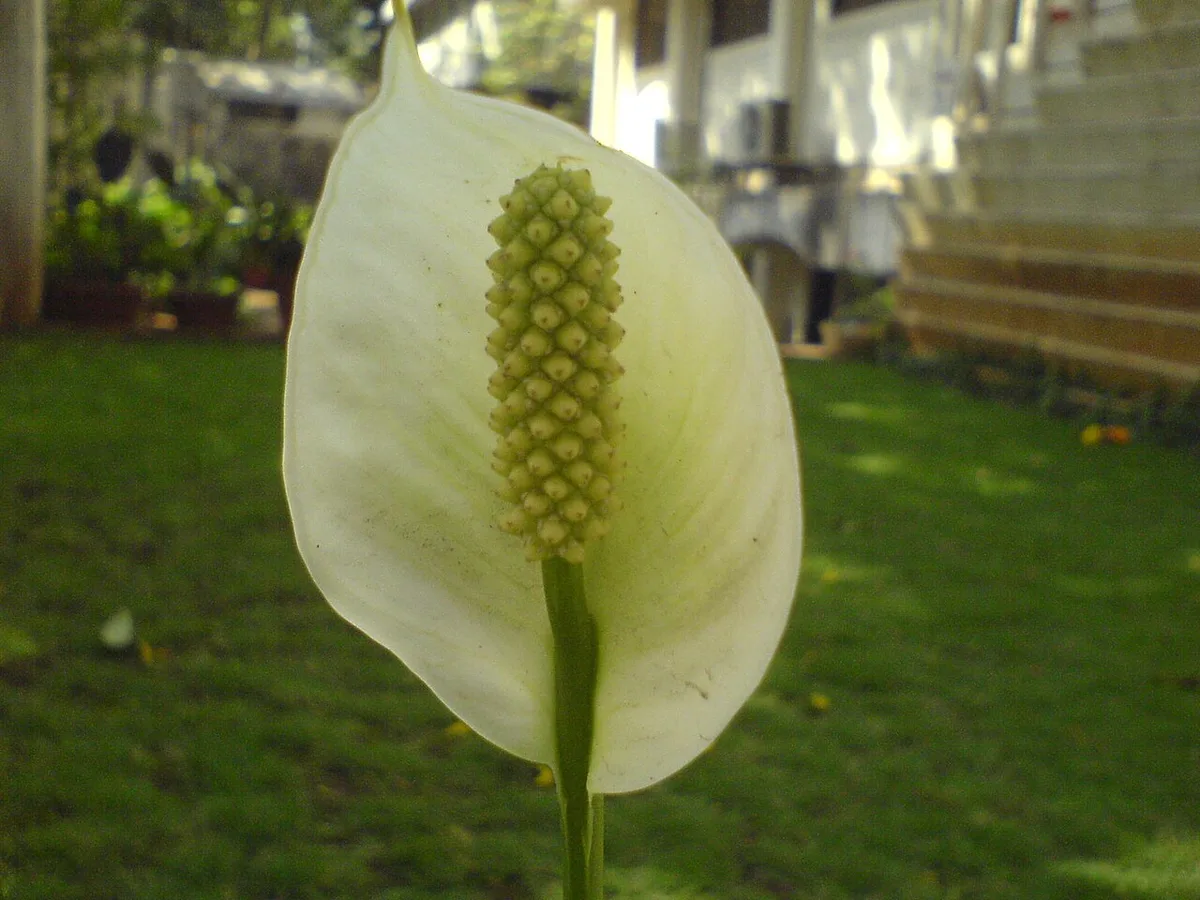
Image source: Wikimedia Commons / Nic McPhee from Morris, MN, USA (CC BY-SA)
The Real Reason Peace Lily Leaves Turn Brown
Brown leaves are a symptom, not a disease. Peace lilies turn brown when something is stressing them out. The most common causes are overwatering, underwatering, low humidity, direct sun, and chemicals in tap water.
As of 2026, university extension resources still point to inconsistent moisture as the number one trigger. The reason is simple. Peace lily roots need a balance of air and water.
Soggy soil suffocates them, and bone-dry soil starves them. Either way, the leaves end up brown.
When the soil stays too wet, root rot sets in. Root rot is a fungal decay of the root system caused by persistently soggy soil. It stops the plant from drinking, so even though the soil is wet, the leaves look thirsty.
That’s the trap most people fall into.
The good news? Brown damage can be stopped and often reversed. New growth will come out clean and green once the real problem is fixed.
Diagnose First: What the Brown Pattern Tells You
The fastest way to diagnose is to look at which part of the leaf is brown and how that spot feels.
- Crispy brown tips with green leaf bodies? That points to dry air, fluoride in tap water, or letting the soil go too dry.
- Soft, dark brown patches that feel mushy? That’s a strong sign of overwatering and possible root rot.
- Brown spots with a pale yellow halo? That usually means a fungal or bacterial leaf spot.
- Browning from the edges inward, with older leaves yellowing first? This is typically a watering issue, often overwatering.
A quick touch test helps, too. Gently bend the damaged area. If it snaps, it’s dry damage.
If it squishes, it’s rot.
The pattern won’t lie. Crispy dry edges mean the plant lost too much water. Dark, soggy patches mean the roots are struggling.
Once you identify which one you’re dealing with, the next decision gets much easier.
Is It Overwatering or Underwatering? The Key Decision
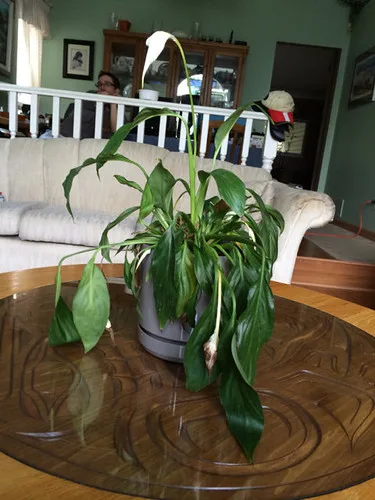
Image source: Openverse / Plant pests and diseases
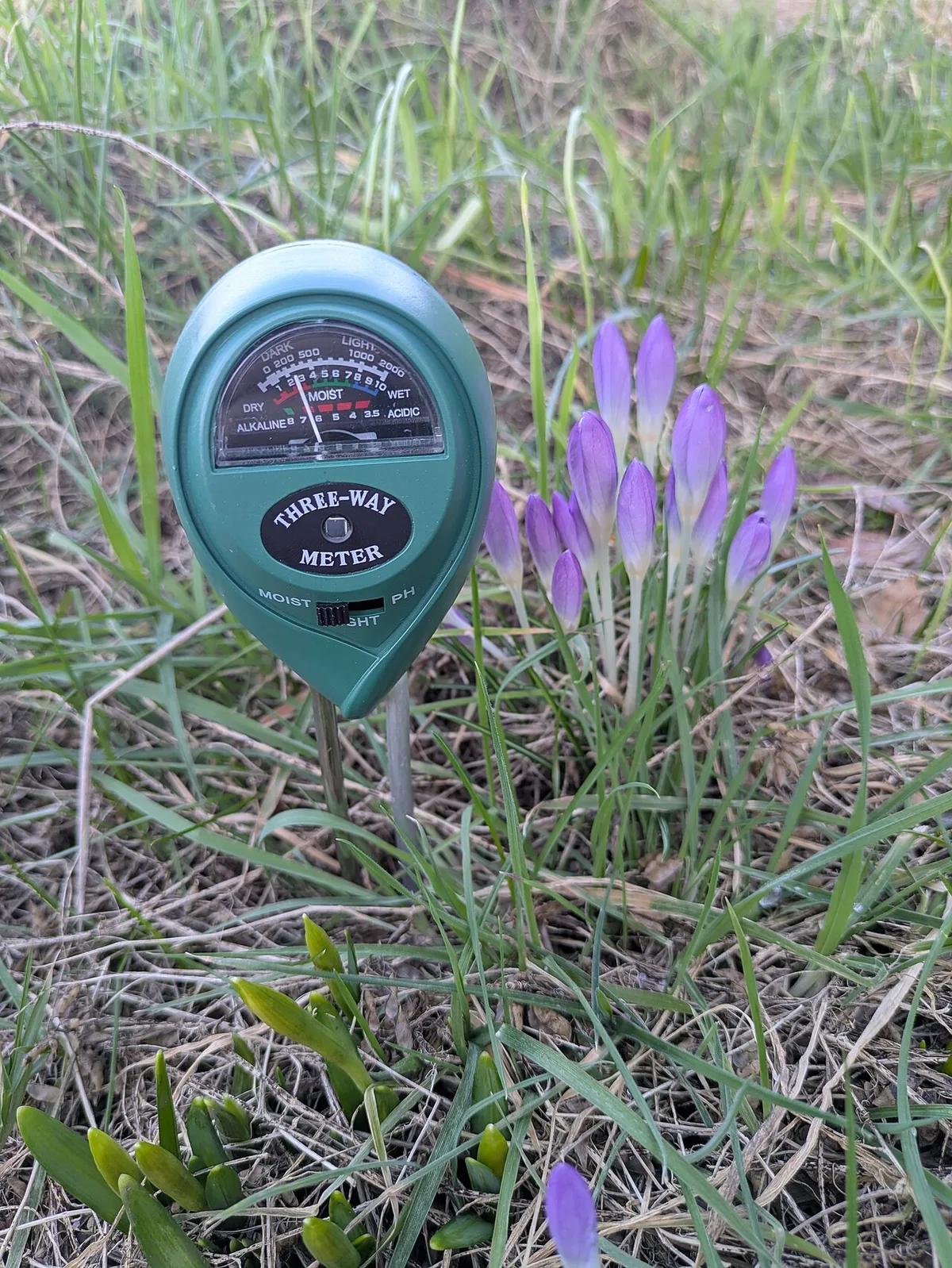
Stick your finger into the potting mix about two inches deep. That single test settles most debates. Wet and soggy means overwatering.
Dry and dusty means you’re underwatering.
| Clue | Overwatering | Underwatering |
|---|---|---|
| Soil feel at 2 inches | Damp or soggy | Bone dry |
| Leaf feel | Soft, limp, sometimes yellow | Dry, stiff, papery |
| Brown pattern | Dark, mushy patches | Crispy tips and edges |
| Root smell | Musty or rotten | No smell |
If the soil feels wet but the leaves look limp and brown, root rot is likely. The roots are dying because they can’t get oxygen. The plant still looks dehydrated because damaged roots can’t move water upward.
If the soil is dry and the leaves have crispy brown edges, simple dehydration is probably the whole story. The plant has been thirsty longer than it should have been.
When root rot is suspected, pull the plant from its pot and inspect the roots. Healthy roots are white and firm. Rotten roots are brown, mushy, and may smell.
That distinction decides whether you simply adjust watering or need to repot.
Checking Your Environment: Light, Humidity, and Tap Water
Peace lilies come from tropical rainforest floors. That means they naturally get bright, indirect light, high humidity, and soft rainwater. Most indoor environments deliver the opposite.
Three environmental factors cause most brown-leaf problems:
- Light. Direct sun scorches the leaves and leaves behind dry, bleached patches. Bright, indirect light is what they need.
- Humidity. Heated rooms often drop below 30% humidity. Peace lilies prefer closer to 40 to 60%. Low humidity shows up first as browning leaf tips.
- Tap water. Fluoride and chlorine in municipal water can build up in the potting soil. That buildup causes brown edges even when watering is perfect.
The good news is that University of Wisconsin-Madison Extension resources confirm that peace lilies are especially sensitive to fluoride. Using filtered, distilled, or rainwater avoids that issue entirely.
If all three conditions are off, start with the easiest fix. Switch your water source, move the plant a few feet away from a window, and raise the local humidity. One of those changes usually makes the difference.
How to Fix Brown Leaves: A Step-by-Step Recovery Plan
Once you know the likely cause, the recovery plan is straightforward. It’s not a one-time action. It’s a short routine that gives the plant a chance to reset.
- Trim the damaged leaves. Use sterilized scissors and cut just below the brown zone, leaving a thin margin. Never cut into the healthy green tissue.
- Adjust your watering. Only water when the top 1 to 2 inches of soil feel dry. Consistency beats a fixed schedule.
- Flush the soil. If tap water or fertilizer salts are suspect, run water through the pot until it drains freely. Repeat two or three times.
- Raise the humidity. A pebble tray with water under the pot works well. A humidifier nearby works better. Misting alone won’t fix chronic dryness.
- Repot if root rot is confirmed. Remove black or mushy roots, then transplant into fresh, well-draining soil.
- Watch for new growth. Expect visible improvement in two to four weeks. New leaves should come out clean and green.
Patience matters. The damaged leaves won’t heal, but the plant will replace them. Your job is to give it healthy conditions so the next round of growth looks the way it should.
Mistakes That Keep Peace Lily Leaves Brown (and How to Avoid Them)
Most brown-leaf problems aren't a single event. They persist because of repeated habits. Here are the ones we see most often in aggregate reviews.
Over-fertilizing. More food doesn't mean more growth. Peace lilies are light feeders. Fertilizer salts build up in the soil and burn the root tips, which shows up as brown leaf edges.
If you feed more than once every 6 to 8 weeks during the growing season, you're likely overdoing it.
Letting the soil dry out completely. Peace lilies wilt dramatically when thirsty, and they recover just as fast. But repeated, severe wilting damages the fine root hairs. Each recovery gets slower, and the browning creeps further up the leaf.
Ignoring water quality. Softened water is especially bad. It adds sodium to the soil, and peace lilies react poorly to it. If your tap water forces you into a constant battle with brown tips, switch to filtered water for a month and see what changes.
Pruning too aggressively. Removing every brown leaf at once shocks the plant. Trim the worst offenders and leave the rest. The damaged leaves still photosynthesize and help the plant recover.
Relying on a fixed schedule. Watering every Tuesday sounds reliable, but winter means slower drying soil. Our research shows that checking the soil before watering beats a calendar every time.
One more: cold drafts. Peace lilies hate sudden temperature swings. A drafty window in winter can cause leaf browning that looks exactly like a watering problem.
Peace Lily Brown Leaves: Decision Guide and Common Questions
Here's the whole decision in one short chain.
- If the soil is wet and the leaves are mushy, stop watering and check the roots for rot.
- If the soil is dry and the tips are crispy, water thoroughly, then wait until the top inch dries out.
- If the tips are brown but the soil feels fine, suspect fluoride or low humidity.
- If the spots are brown with yellow halos, consider a fungal issue and improve airflow.
How often should I water my peace lily?
Usually once a week in summer and every 10 to 14 days in winter. The real rule is simpler. Water when the top 1 to 2 inches of soil feel dry to the touch.
Should I cut off brown leaves?
Yes, but only the brown parts. Leave the healthy green tissue intact. The plant will use it for energy.
Cut at an angle below the brown zone with sterilized scissors.
Can brown peace lily leaves turn green again?
No. Damaged tissue stays brown. But new leaves will come in clean and green once the underlying problem is fixed.
Remove the brown when it bothers you.
Is root rot reversible?
Only in the early stages. Remove the plant, cut away all mushy brown roots, and repot in fresh well-draining soil. If the majority of roots are rotten, the plant may not recover.
Why are my peace lily leaves turning brown after repotting?
Repotting stress is common. Roots were disturbed and may have been damaged. Keep the soil consistently moist, not soggy, and give the plant a few weeks to settle.

Similar Posts