Kombucha vs Fermented Vegetables: Which Is Healthier?
Botanical Horticulturist & Food Preservation Specialist at Brittle Bloom · Certified Master Gardener & Master Food Preserver · 12+ Years in Plant Propagation & Food Preservation
If you're stuck comparing kombucha vs vegetable ferments, you're not alone. Both are probiotic powerhouses, but they live completely different lives in your kitchen. One is a fizzy tea that feels like a soft drink; the other is a salty, savory side dish that pairs with almost anything.
The choice boils down to your taste buds, your time, and your tolerance for sugars. Lacto-fermented vegetables like sauerkraut typically harbor more live bacteria per bite than kombucha, and at a fraction of the cost. Kombucha, meanwhile, ferments in 7 to 14 days and lands around a pH of 2.5 to 3.5, which is why it tastes so tangy.
Let's break down the real trade-offs, so you can pick the right one for your routine.
Quick Answer
Kombucha is a fizzy, sweet-tart tea. Vegetable ferments are salty, savory foods. Veggie ferments offer more probiotics per serving and cost less.
Kombucha wins if you want a drink that replaces soda.
Kombucha vs Vegetable Ferments: Why This Choice Matters
Our research shows most people start fermenting for one reason: gut health. They hear that fermented foods contain live microbes, and they want a daily dose without spending a fortune on supplements. Kombucha and vegetable ferments both deliver that, but they ask very different things from you as a home fermenter.
Kombucha is a brewing hobby. You keep a SCOBY alive, brew sweet tea, wait a week or two, then bottle and refrigerate. It's ongoing, like keeping a sourdough starter.
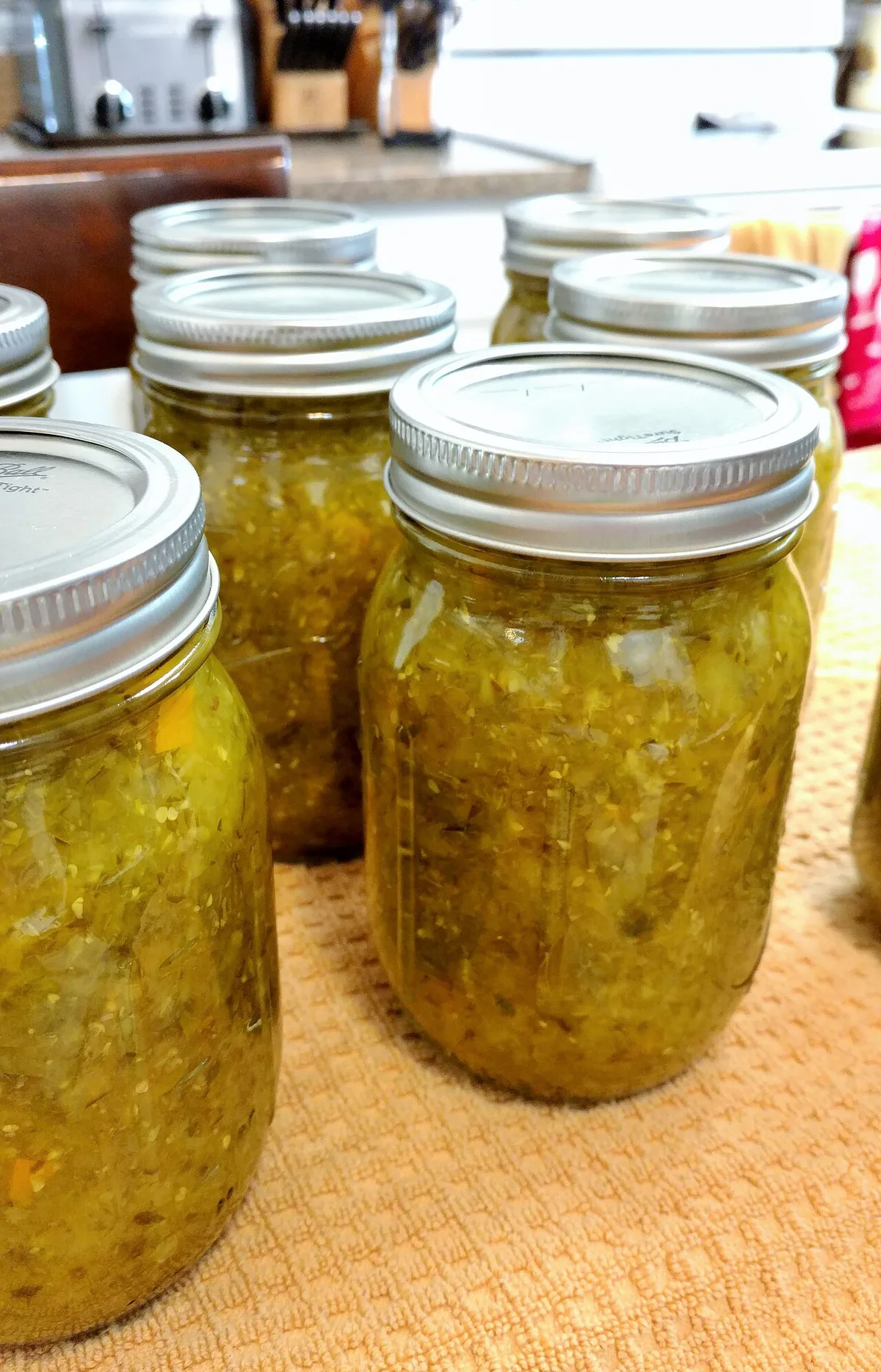
Vegetable ferments, by comparison, are more like a weekend cooking project. You shred cabbage, add salt, pack it in a jar, and let it sit on the counter. In a few days, you have sauerkraut.
The deeper difference is what each does to your food. Kombucha relies on yeast and acetic acid bacteria, which eat sugar and produce carbonation. Vegetable ferments lean on lactic acid bacteria already living on the vegetables, which eat plant sugars and produce a tangy brine.
That's why kombucha tastes sweet-tart and veggie ferments taste salty-sour.
That matters because the learning curves look different. Kombucha requires precise sanitation and temperature control. Vegetable ferments are more forgiving, as long as you keep everything under the brine.
We'll walk through both processes so you can see which one fits your kitchen habits.
What Kombucha Actually Is: SCOBY, Sweet Tea, and Carbonation
Kombucha is a fermented tea made with sugar, a SCOBY, and a bit of liquid from a previous batch. The SCOBY is a tough, rubbery disc made of acetic acid bacteria and yeast. When you drop it into sweet tea, the yeast turns sugar into alcohol, and the bacteria turn that alcohol into organic acids like acetic acid.
That's what gives kombucha its sharp, vinegary bite.
How a batch comes together
The basic process is simple. Brew tea, typically black or green. Add sugar, usually 70 to 100 grams per liter, and let the tea cool.
Then slide in the SCOBY and some starter liquid, cover the jar with a cloth, and wait 7 to 14 days at 70 to 80°F. After that, you bottle it, often with fruit juice for flavor, and let it carbonate for 2 to 4 days before refrigerating.
The catch is sanitation. A contaminated jar or unclean hands can introduce mold or off-flavors. It's worth reviewing clean jar sterilization steps before your first batch.
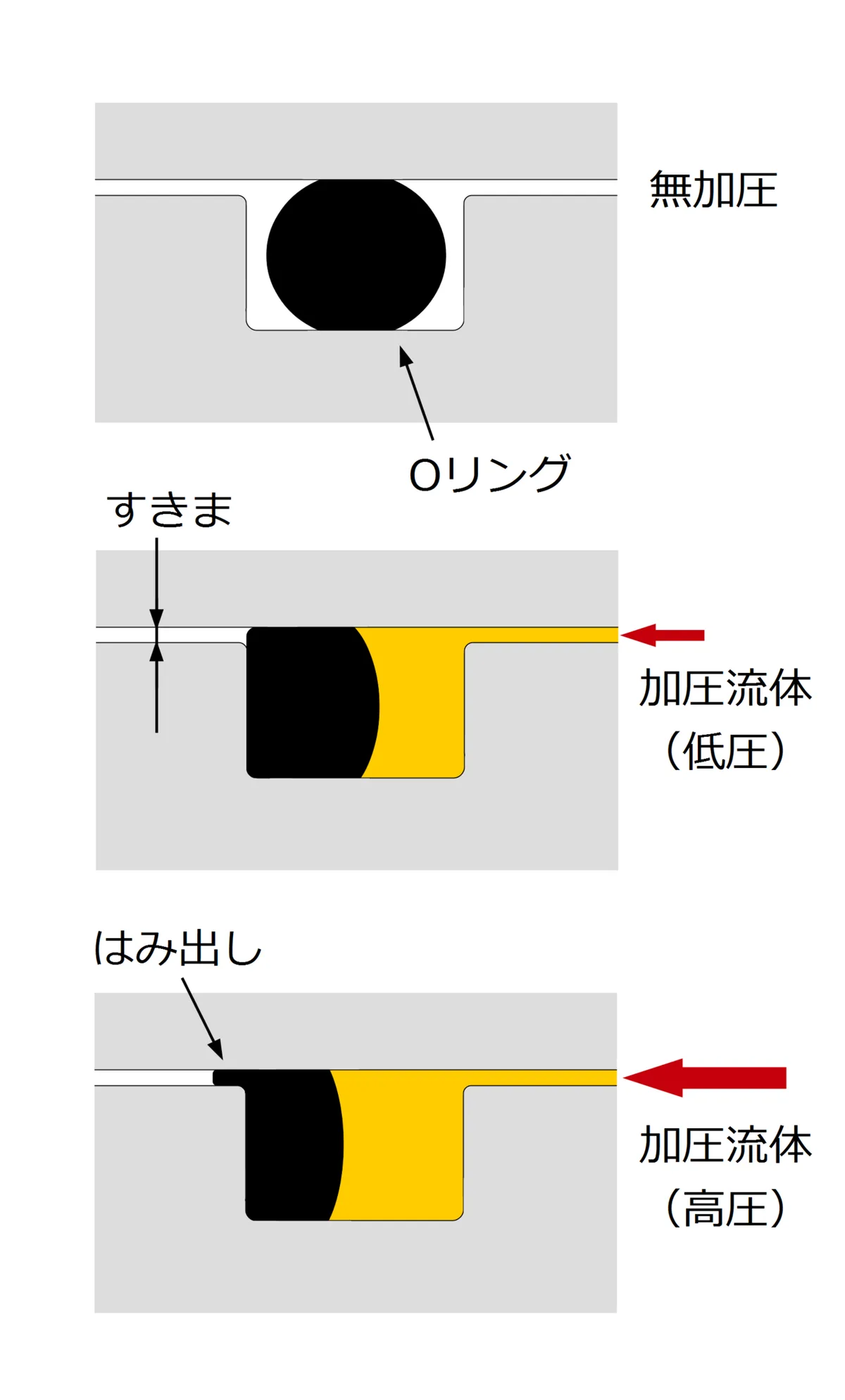
And when you're filling those swing-top bottles, keep an eye on the seals. Many home brewers hit common sealing failures when they over-carbonate and get flat or leaking bottles.
The pros and cons of brewing kombucha
Kombucha is genuinely fun. It's a live, bubbling project you can check every day, and the fizzy result genuinely replaces soda for a lot of people. It's also a good choice if you like experimenting with flavors.
But it has real downsides too. It takes time, it needs constant temperature control, and it carries more sugar than vegetable ferments, even after fermentation. Aggregate reviews from home brewers repeatedly mention that kombucha is less forgiving for beginners, and the ongoing SCOBY care feels like a chore to some.
Vegetable Ferments: Salt, Cabbage, and Hardworking Bacteria
Vegetable ferments are the oldest kind of fermentation in human history. Cabbage, cucumber, carrots, even green beans, you salt them, pack them into a jar, and let naturally occurring lactic acid bacteria do the work. There's no starter needed because the bacteria are already on the vegetable skin.
Salt pulls water out, creates an anaerobic environment, and favors those good bacteria while suppressing spoilage organisms.
How the brine does the heavy lifting
The brine is the whole game. You want salt at 2% to 3% of the total weight of the vegetables and water. For cabbage, you can simply massage salt into the shredded leaves and let it draw out its own liquid.
For firmer vegetables, you'll need to make a saltwater brine and pour it over the top. Everything must stay submerged, or you risk mold. After 3 to 7 days at room temperature, the ferment develops a pleasant sourness, then it goes in the fridge to slow down.
The pros and cons of fermenting vegetables
The biggest advantage is probiotic density. Per USDA data, fermented vegetables tend to have higher lactic acid bacteria counts than tea ferments, because the vegetables provide a richer substrate for bacterial growth. They're also nearly sugar-free, cheaper, and practically foolproof once you learn the brine ratio.
The trade-offs? They're salty, which might be a concern if you're watching sodium, and they take up fridge space. Plus, they don't have the soda-like thrill that fizzy kombucha drinkers love.
If you're new to this, water bath canning basics are worth reading for storage tips, though fermenting doesn't need a canner. For recipe ideas that pair well with ferments, try these tomato and pickle recipes from our kitchen guide.
Kombucha vs Vegetable Ferments: Side-by-Side Comparison
This table distills the differences. Use it as a quick-reference when your gut can't decide.
| Aspect | Kombucha | Vegetable Ferments |
|---|---|---|
| Base ingredients | Sweet tea, SCOBY, sugar | Vegetables, salt, water |
| Fermentation time | 7–14 days | 3–7 days |
| Live probiotics per serving | Moderate | Higher (up to 10x more CFUs) |
| Sugar left in final product | Some residual sugars | Nearly zero |
| Cost per batch | Higher (tea, sugar, SCOBY) | Very low |
| Flavor profile | Sweet, tart, fizzy | Salty, sour, crunchy |
| Storage | Refrigerate after bottling | Refrigerate after fermenting |
| Difficulty for beginners | Moderate, sanitation-sensitive | Low, more forgiving |
| Carbonation | Yes (if bottled correctly) | No, or gas inside vegetables |
As of 2026, the consensus from university extension guides still points to vegetable ferments as the better daily probiotic source. But kombucha holds its own as a beverage that can replace sugary sodas, which is a win many people can't get from sauerkraut.
Who Should Pick Kombucha — and Who Should Pick Vegetable Ferments
Your personality and your kitchen will answer this question faster than any health claim.
Best-fit scenarios for the fizzy tea drinkers
Choose kombucha if you're already a soda drinker and miss that fizz. It also fits if you enjoy caring for a living, rolling project like a houseplant. You'll get consistent results if you like following a schedule and don't mind buying tea and sugar regularly.
If you want a drinkable probiotic that feels like a treat, kapow, that's your lane.
Best-fit scenarios for the savory snack crowd
Pick vegetable ferments if you want a low-sugar, high-probiotic addition to your meals. They're ideal for batch cooking, because one jar of sauerkraut lasts months in the fridge. If you're on a budget or just want a simple kitchen win, start with cabbage and salt tomorrow.
You can skip the SCOBY, skip the sugar, and have a finished product by the weekend.
If your real goal is quick probiotics without a daily sugar hit, vegetable ferments win. If you're looking for a fun hobby and a soda replacement, kombucha wins. Neither is objectively better, but this comparison of food preservation methods can help you decide which one fits your cooking style.
Fermentation Mistakes That Ruin a Batch (and How to Avoid Them)
Both ferments fail in predictable ways. Mold is the scariest, but it's also rare if you keep everything clean and submerged. Kombucha grows a rubbery pellicle on top, which is normal.
A fuzzy patch in green, black, or pink is not. That's mold, and the whole batch goes.

Image source: Wikimedia Commons / Rémih (CC BY-SA)
Kahm yeast is another story. It shows up as a waxy, white film on top of your brine or kombucha. It's harmless but tastes like stale yeast.
You can skim it off and carry on, according to USDA guidance on home fermenting.
The other common mistakes are microbial. Vegetables above the brine go slimy or grow mold. Use a glass weight to keep them submerged.
Kombucha's classic failure is exploding bottles from over-carbonation. Fizzy is fun. Glass shrapnel is not.
Burp your bottles daily during the second fermentation.
Temperature matters too. Ferments prefer 70 to 80°F. Too cold, and they stall.
Too hot, and they turn mushy or sour too fast.
If the flavor goes wrong, you can usually fix it. Too vinegary? Shorten the ferment.
Too salty? Weigh your salt next time. When jars won't seal, common sealing failures explains the fix.
Kombucha vs Vegetable Ferments: Common Questions, Answered
Which is better for gut health?
Vegetable ferments generally provide more live bacteria per serving. A single serving of sauerkraut can hold 10 billion CFUs or more. Kombucha usually sits lower, though it still helps.
For a daily probiotic dose, vegetables win.
Can I drink too much kombucha?
Yes. The residual sugar and acids can trigger bloating or stomach upset. Most research-backed guidance suggests 4 to 6 ounces a day for healthy adults.
Start with half that if you're new to fermented foods.
Do vegetable ferments need a starter culture?
No. Salt and water are enough, because lactic acid bacteria already live on fresh vegetable skin. A 2% to 3% salt ratio creates the right environment.
That's it.
How long do finished ferments last in the fridge?
Kombucha stays drinkable for 1 to 3 months. Vegetable ferments hold quality for 3 to 6 months. Both keep getting more sour with time.
That's normal, not spoilage.
Final Verdict: Your Gut, Your Kitchen, Your Choice
Here's the simple decision guide. If you want a fizzy, soda-like drink and enjoy a small daily brewing ritual, choose kombucha. If you want cheap, low-sugar, high-probiotic food, choose vegetable ferments.
Start with vegetables. They're more forgiving, faster, and cheaper. One head of cabbage costs a few dollars and gives you weeks of sauerkraut.
When you've mastered brine ratios, then try kombucha.
Whichever you pick, rotation beats perfection. Eating both is entirely normal. Many home fermenters keep a jar of kimchi in the fridge and a kombucha brew going at the same time.
The real win is eating live foods daily, not picking the "correct" one.
Our research suggests the best entry point is your own dinner plate. Add a spoonful of sauerkraut to a sandwich. Pour a small kombucha alongside lunch.
Your body will tell you which one wins.

Similar Posts