Tomato and Pickle Recipes
Botanical Horticulturist & Food Preservation Specialist at Brittle Bloom · Certified Master Gardener & Master Food Preserver · 12+ Years in Plant Propagation & Food Preservation
Tomato and pickle recipes often get lumped together, but they’re not one-size-fits-all. The best starting point depends on how much time you have, how long you want the jar to last, and what kind of bite you’re after. Pick the style first.
The recipe follows.
As of 2026, the USDA still treats tomatoes as a borderline high-acid food. That means any shelf-stable tomato pickle needs acidification to stay below 4.6 pH. It’s not complicated, but it’s non-negotiable if you’re canning.
Let’s walk through the four main styles and help you choose the right lane.
Quick Answer
Tomato and pickle recipes split into four styles: refrigerator, canned, fermented, and relish. Refrigerator pickles are fastest. Canned pickles last longest.
Fermented pickles deliver deep sourness and probiotics. Relish adds sweetness to a plate. Choose based on your time and storage.
For shelf-stable pickles, always acidify and follow a tested recipe.
Why Picking a Tomato Pickle Style Is the Real First Step
Why does style matter? Because the recipe, the equipment, and the safety rules all change with it. A refrigerator pickle can be made in 30 minutes and eaten in two days.
A fermented pickle needs up to two weeks on your counter. A canned batch needs a boiling-water bath and a tested recipe. If you start with the wrong method, you waste tomatoes, time, and jars.
Green tomatoes are firm and tart, so they hold up beautifully in vinegar brines. Ripe tomatoes are softer, sweeter, and better for relishes or quick fridge pickles. Aggregated home-canning reviews report the same pattern: people fail when they treat every tomato like the same ingredient.
Think in if/then terms. If you want jars for the pantry, start with the water-bath method. That’s a forgiving entry into shelf-stable tomato pickles.
If you want something for this week’s burgers, skip the canner and make fridge pickles instead.
If you have a big end-of-season harvest, go canned green tomatoes. If you want bright, crisp flavor without heat, use firm cherry tomatoes in a quick brine. If you want sour depth, ferment.
The style you choose narrows the recipe list before you even open a cookbook.
The Four Main Tomato Pickle Styles: Fridge, Canned, Fermented, and Relish
Each style answers a different question. Here’s the short version.
Refrigerator Pickles: Fast, Crunchy, No Canner Needed
These are quick pickles made with a simple vinegar brine and kept cold. They stay crisp because they’re never heated. Use green or firm cherry tomatoes.
They’re ready in 24 to 48 hours and last about two months in the fridge.
Water-Bath Canned Pickles: Pantry-Shelf Longevity
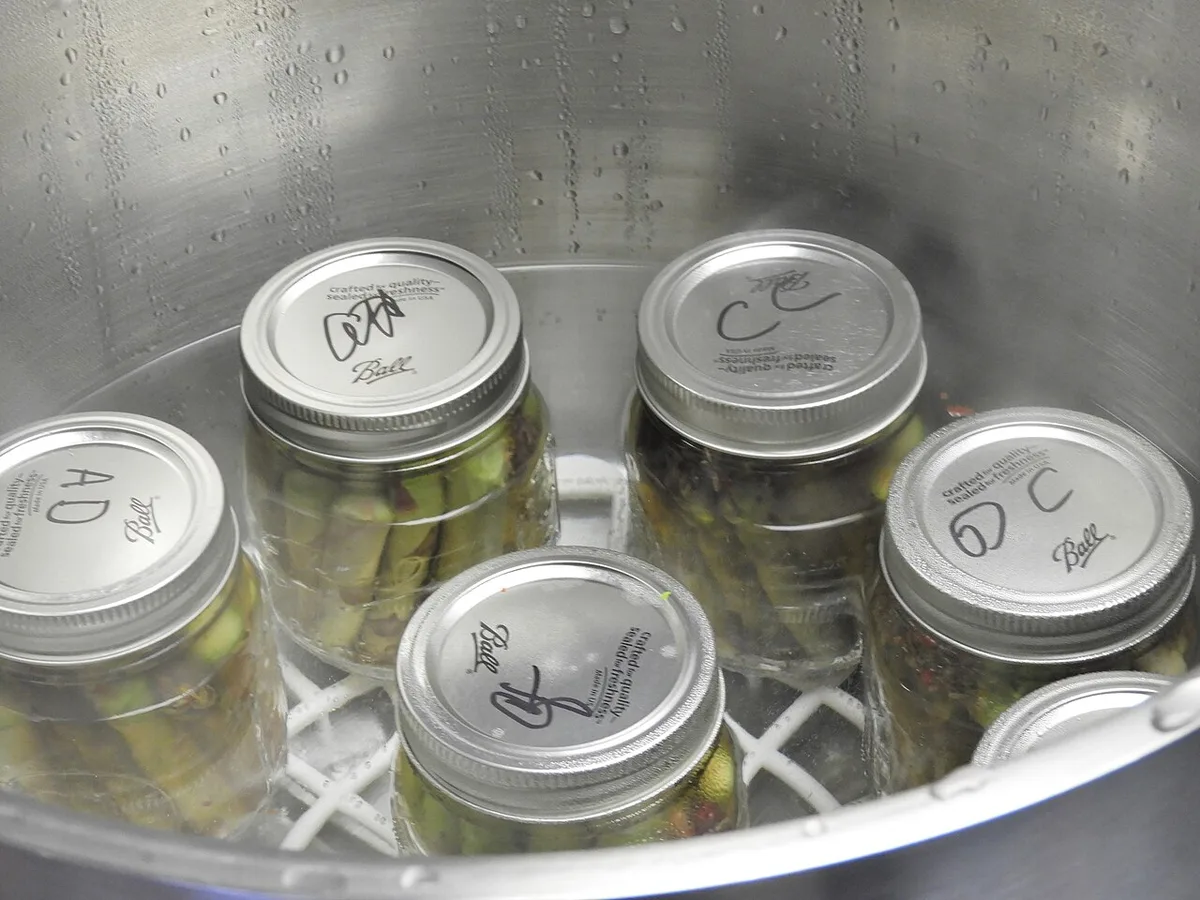
These are processed in a boiling-water bath, so they stay shelf-stable for up to a year. They need a tested recipe, proper jar sterilization, and enough acid. Green and semi-ripe tomatoes work best because they keep their shape.
This is the classic end-of-season project.
Lacto-Fermented Pickles: Probiotic and Deeply Sour
Fermented pickles use salt and water instead of vinegar. Beneficial bacteria create lactic acid, which sours the tomatoes and preserves them. No heat, no canner.
Just a clean jar, a brine, and a few days on the counter. The result is tangier and more complex than vinegar alone.
Tomato Relish and Chow-Chow: The Sweet-Savory Sidekick
Relishes are chopped tomatoes cooked with vinegar, sugar, and spices. Chow-chow is the Southern version, often with onions and peppers. British piccalilli adds mustard and turmeric.
These are usually water-bath canned and taste fantastic on hot dogs, beans, or sandwiches.
Head-to-Head Comparison: Time, Shelf Life, Flavor, and Safety
The table below sums up the tradeoffs at a glance.
| Style | Hands-On Time | Shelf Life | Main Safety Factor |
|---|---|---|---|
| Refrigerator pickles | 20–30 minutes | 1–2 months | Must stay refrigerated |
| Water-bath canned pickles | 60–90 minutes | Up to 1 year | Needs acidification and a tested recipe |
| Fermented pickles | 20 minutes | 4–6 months | Needs the right salt ratio and clean equipment |
| Tomato relish / chow-chow | 45–60 minutes | Up to 1 year | Needs acidification and water-bath processing |
The table makes the tradeoffs clear. Refrigerator pickles are fastest but need cold space. Canned pickles demand more upfront precision but reward you with shelf stability.
Fermented pickles fall in between. Relish is basically a canned pickle in condiment form.
None of these tomato pickles require a pressure canner. But if you’re curious about when pressure canner setups make sense for other projects, that decision guide covers the difference.
Which Style Fits Your Situation? Match the Recipe to Your Kitchen
Still stuck? Work through these questions.
- If you want pickles by the weekend, use a refrigerator brine. Small cherry tomatoes are perfect here.
- If you have empty pantry space, go water-bath canned. Green tomatoes are the classic choice.
- If you love sour flavors, try lacto-fermented tomatoes. They need patience but reward you with serious depth.
- If you have a bushel of ripe tomatoes, make and can a relish. It’s forgiving and uses soft fruit well.
Home gardeners face this every fall. A frost warning hits, and suddenly you have a basket of green tomatoes. Canned or fermented green tomatoes are the best uses.
For ripe extras, relish or fridge pickles.
If you’re a first-time canner, keep the batch small. The process matters more than the volume. Once you’ve done one successful jar, scaling up gets easier.
Common Tomato Pickle Mistakes (and How to Avoid Them)
Even experienced cooks mess up tomato pickles. Here’s what usually goes wrong.
- Using overripe tomatoes for canned pickles. They turn mushy in the jar. Use firm, ripe, or underripe fruit instead.
- Skipping acid in canned recipes. Tomatoes sit right on the pH edge. Per the National Center for Home Food Preservation, add bottled lemon juice even if your tomatoes are acidic. Then process in a water bath.
- Not sterilizing your jars. Dirty jars cause seal failures and wasted batches. Take the time to prep them correctly.
- Using iodized table salt. It can cloud the brine and change the flavor. Pickling salt or non-iodized kosher salt works much better.
- Tasting fermented pickles too early. They need time to build character. Wait at least three days. If you spot mold or a foul smell, toss the batch.
The good news? Most of these mistakes are easy to avoid. Follow a tested recipe, keep the equipment clean, and don’t rush the process.
That alone puts you ahead of most first-time canners.
Tomato Pickle Safety: pH, Acidification, and Water-Bath Rules
Canning tomato pickles safely isn't guesswork. It's chemistry. Tomatoes hover right at the 4.6 pH threshold that separates safe water-bath canning from pressure-canning territory.
Push above that line, and you risk botulism. Stay below it, and your pantry jars are safe for a year.
Per the USDA, shelf-stable tomato pickles need added acid. Bottled lemon juice works best because its acidity is consistent. Use two tablespoons per quart of tomatoes.
Vinegar in the brine also counts, but don't dilute it below the tested recipe ratio.
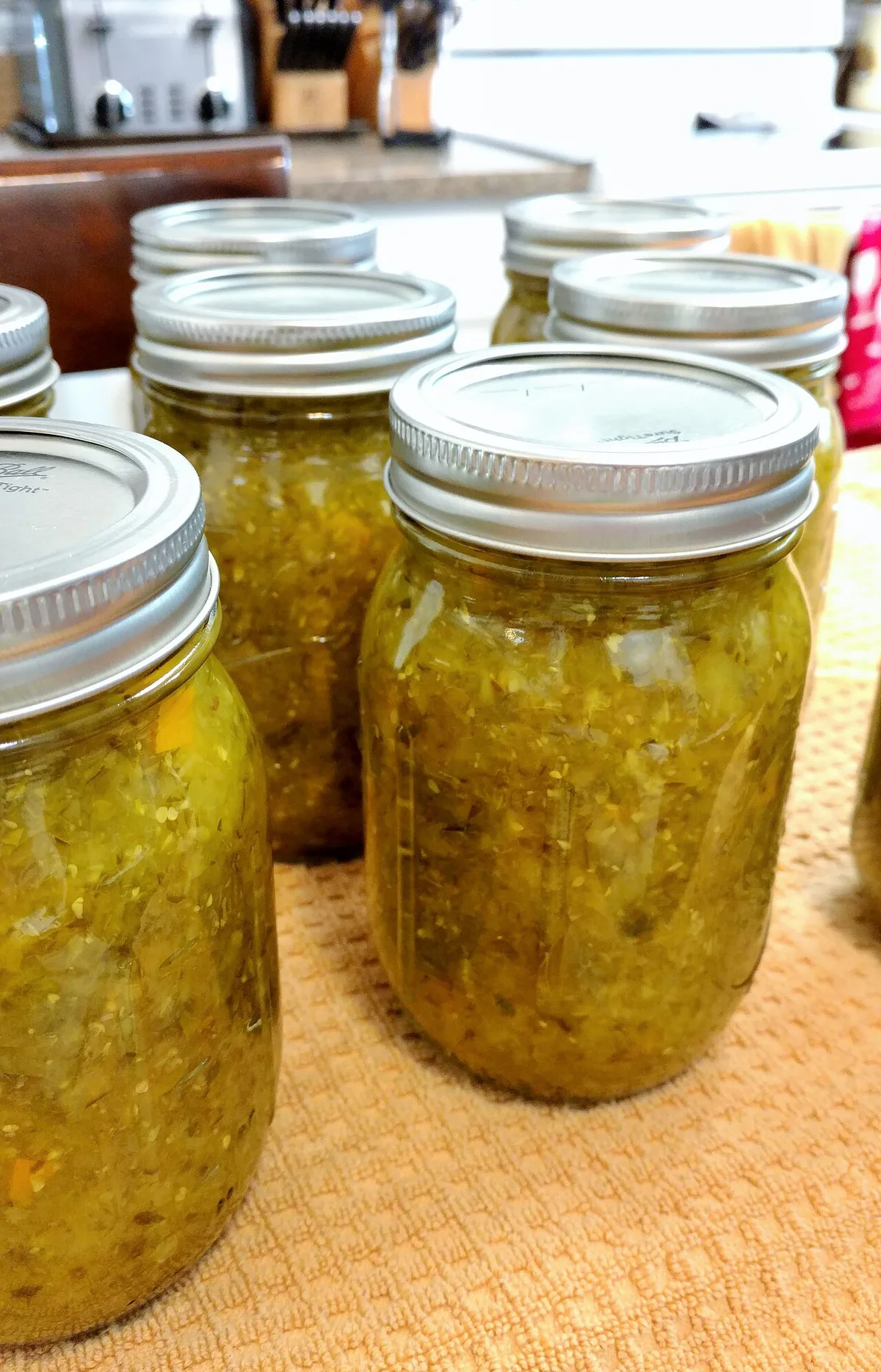
Image source: Wikimedia Commons / Nutrition, Food Safety & Health
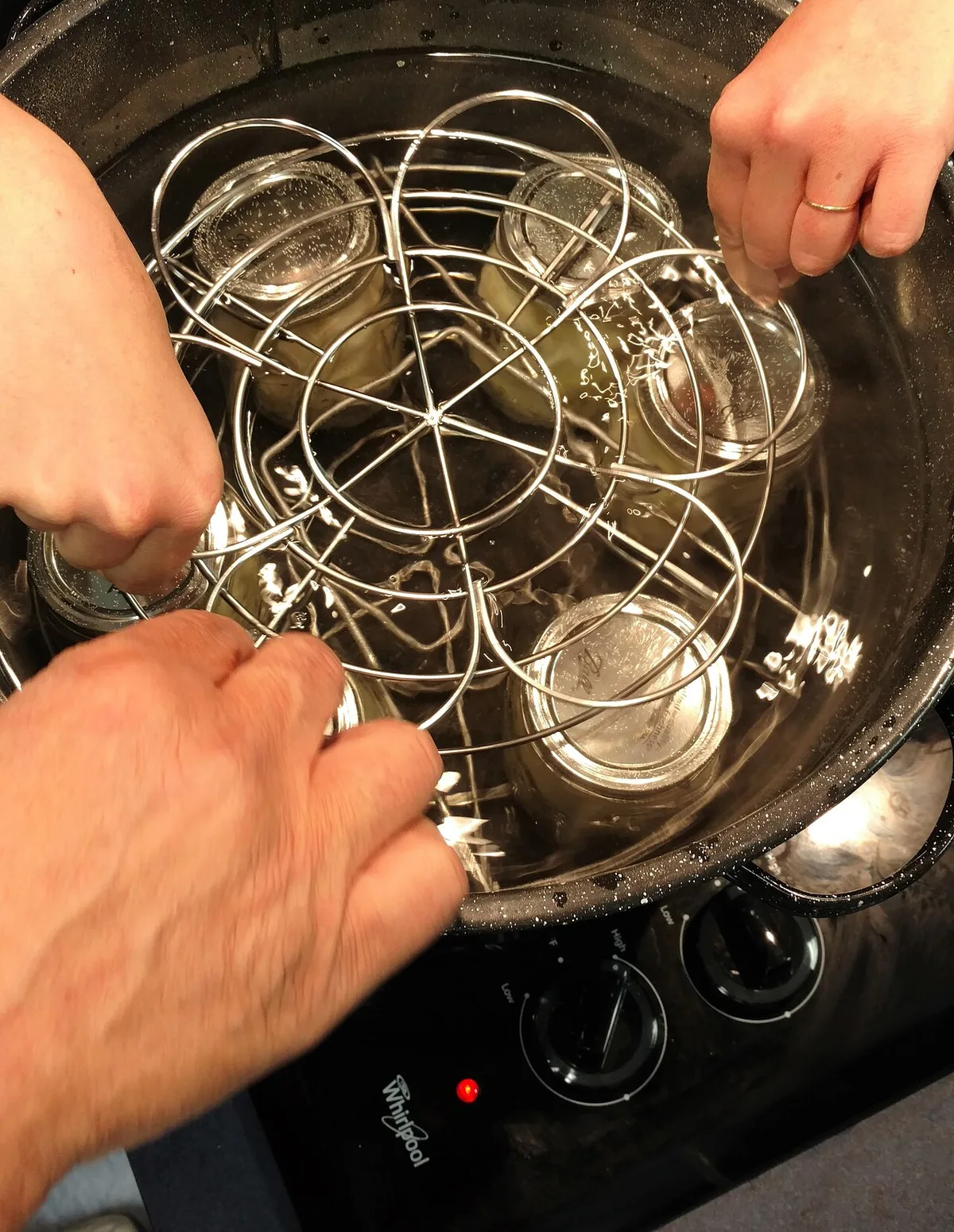
The water-bath method is the right tool here. A pressure canner isn't needed for acidic pickles. That said, understanding when pressure canning becomes necessary helps you grow as a canner.
Different foods have different rules.
Altitude changes processing time too. At sea level, process pints for 15 minutes. Above 1,000 feet, add 5 minutes per 1,000 feet.
Check the latest extension office guidance for your exact elevation. Also, wait 24 hours before checking seals. A properly sealed lid curves slightly downward and won't flex when pressed.
Tomato Pickle FAQ
Can you can ripe red tomatoes as pickles?
Yes, but they turn soft. Ripe tomatoes release more liquid and break down during processing. Use firm, semi-ripe, or green tomatoes for canned pickles.
Save fully ripe fruit for relishes, chutneys, or quick refrigerator pickles.
How long do refrigerator pickles last?
About one to two months, kept cold the entire time. The vinegar brine preserves them, but refrigeration is the real safety net. If you see cloudy liquid or an off smell, toss them.
Never leave fridge pickles at room temperature for long stretches.
Do fermented tomato pickles need special equipment?
No, but they need clean gear. A glass jar, a weight to keep tomatoes submerged, and a breathable cover work fine. Use an airlock system if you ferment often.
The key is keeping tomatoes under the brine to prevent mold.
What is the best vinegar for tomato pickles?
Use 5% acidity vinegars. White vinegar gives a sharp, clean tang. Apple cider vinegar adds a softer, fruity note.
Avoid homemade vinegar or anything below 5%, because the acid level isn't reliable for safe canning.
Should I peel tomatoes before pickling?
No, peeling isn't necessary. The skin helps tomatoes hold their shape. For green tomatoes, it also adds a satisfying crunch.
Just wash them well and remove stems or blemishes before packing jars.
Why are my canned pickles mushy?
Mushiness comes from overripe fruit, overprocessing, or skipping a firming step. Use firm tomatoes and process for the exact recommended time. Calcium chloride added to the brine helps maintain crispness in tested recipes.
Final Verdict: What to Make First
Start with refrigerator pickles, even if cans are your goal. They teach you brine ratios and flavor balance without the pressure of canning safety. Once you've made a batch you love, scale it into a water-bath recipe.
If you want one pantry project, make water-bath canned green tomato dill pickles. They're forgiving, tasty, and teach you every core canning skill. Just follow a tested recipe exactly.
Acid, processing time, and clean jars are non-negotiable.
Fermented pickles are the best second project. They need patience but reward you with depth you can't fake. Relishes and chow-chow are the fun third act.
They use up soft tomatoes and turn them into something you'll crave on hot dogs and sandwiches.
Whichever route you pick, start small. Canning in small batches means small losses if something fails. The skills transfer.
Once you've got the basics down, you'll never look at a tomato surplus the same way again.

Similar Posts