Common Sealing Failures
Botanical Horticulturist & Food Preservation Specialist at Brittle Bloom · Certified Master Gardener & Master Food Preserver · 12+ Years in Plant Propagation & Food Preservation
A seal fails, and suddenly you're chasing a drip, a weep, or a full fluid blowout. Common sealing failures are not random. Each leak leaves evidence in the seal, the groove, and the surrounding fluid.
Read that evidence correctly and you can stop the problem the first time.
Basic rules apply across most elastomer seals, from O-rings and hydraulic lip seals to flange gaskets and canning jar lids. As of 2026, ISO 3601-1 remains the standard reference for O-ring dimensions, and most sealing failures trace back to three root causes: incompatible material, damaged surfaces, or installation error. Diagnose first, then replace.
Otherwise, the second seal dies the same way the first one did.
Quick Answer
Common sealing failures include extrusion, compression set, chemical swelling, and installation damage. Leaks usually start as a small weep or drip. Root causes are often wrong material, rough surfaces, or improper torque.
Inspect the old seal and its groove carefully. Fixing the root cause prevents repeat failure.
Spot the Symptom First: Weeps, Drips, and Full Blowouts
When a seal leaks, the pattern tells the story. A thin weep at rest usually means a static seal losing contact pressure. A drip that pulses with a pump rotation points to a damaged or too-hard dynamic lip.
A sudden spray means extrusion, where the seal is getting pushed through a gap it can't fill.
Take notes before touching a wrench. Where is the fluid? Is it fresh or heat-darkened?
Does it leak at rest, on startup, or only under load? Those three answers decide which diagnostic branch you take.
Here is a quick symptom chart to narrow things down.
| Symptom | What it usually means | | Weep at rest | Compression set or damaged static face | | Drip on startup | Worn lip, wrong hardness, or dry assembly | | Pulsing drip | Shaft scoring or eccentric rotation | | Spray or sudden drop | Extrusion through oversized clearance |
Check the fluid itself too. Contaminated oil with fine metal chips cuts lip seals like sandpaper. Water in hydraulic fluid slowly degrades many elastomers.
High operating temperature can harden a seal in weeks if it exceeds the material rating. Those clues alone can identify the failure mode before you even pull the part.
The 7 Common Seal Failure Modes: What the Damage Tells You
The removed seal is your best witness. Each common sealing failure leaves a signature you can read in under a minute.
- Compression set. The seal looks flat or indented. It has lost its elastic memory.
- Extrusion. One edge is chewed or torn. Too much pressure or clearance for the hardness.
- Chemical swelling. The seal is sticky, soft, or oversized. It absorbed incompatible media.
- Abrasive wear. The contact face is polished or scored. Particles in the fluid did it.
- Heat aging and ozone cracking. Hard, shiny shell with deep cracks. Temperature or UV exposure exceeded the rating.
- Spiral failure. A clean diagonal cut on an O-ring. The seal twisted during reciprocating motion.
- Installation damage. Cuts, nicks, or rolled sections. It never got seated right.
Material ratings matter too. ASTM D2000 classifies elastomers by service temperature and fluid resistance, which is why the same O-ring size comes in dozens of compounds. If a seal has heat cracks, don't just buy the identical size.
Choose a grade rated at least 15 to 20 degrees higher.
For canning jars, compression set shows up as a lid that pops back instead of staying flat. If you're preserving food, the jar rim preparation routine is the static-side checklist that prevents residue-caused leaks.
Decision Tree: Match Your Failure to the Root Cause
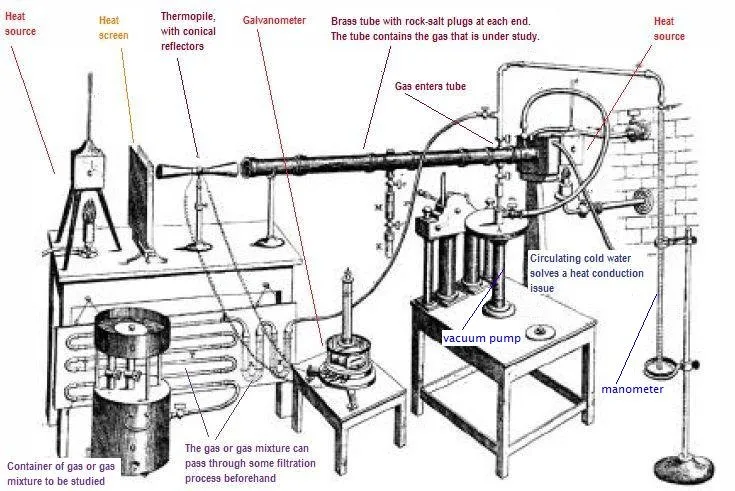
Dropping a new seal in without knowing the root cause is like replacing a fuse after a short circuit. It will burn again. This decision tree points you to the actual problem.
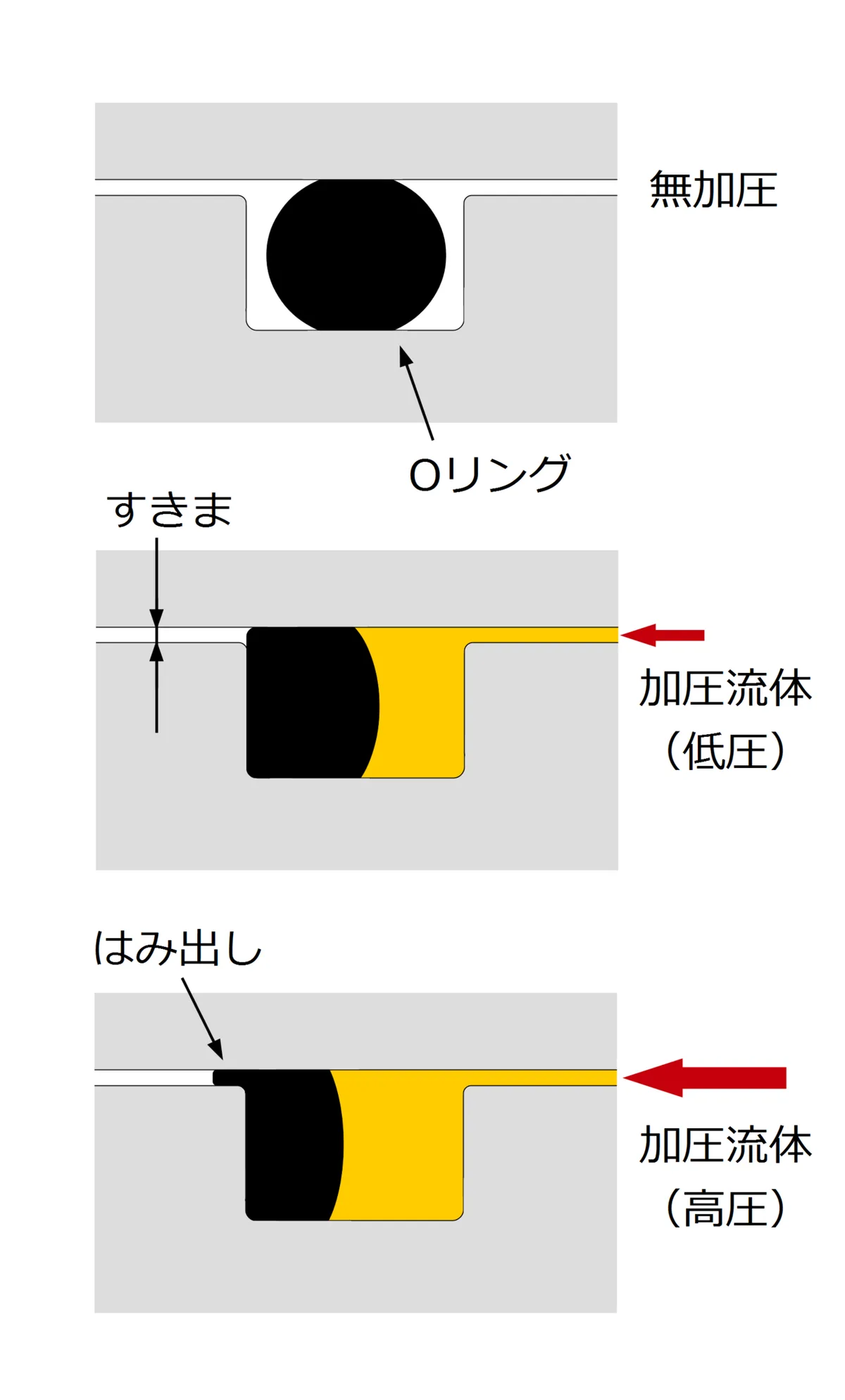
Image source: Wikimedia Commons / Yapparina
Is the leak dynamic or static?
If the leak appears only while the shaft rotates or the piston moves, focus on the lip, surface finish, and lubrication. If it leaks while idle, focus on compression set, chemical attack, or uneven clamping.
Did the old seal lose memory or lose structure?
A flat, hard seal lost memory. It needs a better compound or lower temperature. A torn, nibbled, or extruded seal lost structure.
Check pressure spikes, gap size, backup rings, and chamfer condition. That one distinction solves most industrial seal puzzles.
Leaking only at startup?
Run a clean finger around the shaft. Feel a wear ridge? The shaft needs resurfacing.
No ridge? Test seal hardness with a durometer. A Shore A 90 seal in a groove designed for 70 will weep until it takes a set.
Leaking under high pressure?
Look for extrusion at the low-pressure side. The fix is a harder compound, a smaller clearance gap, or a backup ring. Per ISO 3601-1, the recommended groove clearance depends on seal hardness and pressure.
If you're past those limits, no O-ring will hold.
The Right Fix: Replacement, Resurfacing, or Re-Lubrication?
Once you know the failure mode, the fix is straightforward. You replace the seal, repair the mating surface, or change the lubrication procedure. Sometimes all three.
Replace or resurface?
If a shaft or flange face is scored, pitted, or galled, a fresh seal will fail quickly. Light rust can often be polished with fine abrasive. Deep scoring needs machining or a new shaft.
Static faces may need lapping. The general rule: the mating surface must look almost mirror-smooth for a lip seal, and uniformly flat for a gasket.
Lubricate or assemble dry?
Dynamic seals need a thin lubricant film during assembly, otherwise the lip runs dry before the system fills. Static seals often need lube too, to stop them rolling out of the groove. When possible, use the system fluid itself.
For water-service seals, use a compatible silicone grease instead.
Replace with what material?
Original compound matters more than size. If the old seal swelled, choose a more resistant elastomer, such as FKM instead of NBR. If it heat-cracked, jump to a higher-temperature grade.
The ASTM D2000 classification system helps you compare material ratings without a chemistry degree.
Torque to spec
Most flange gaskets fail from uneven bolt tension, not low torque. Tighten in a star pattern, two or three passes, and re-torque after the first heat cycle. For jar lids, that means "fingertip tight," not cranked down.
If you're preserving low-acid foods, the pressure canning decision guide clarifies when ambient-pressure boiling isn't enough.
Mistakes That Kill New Seals: Why the Same Failure Comes Back
The most common mistake is simple: people replace the seal, not the problem. Here are the seven mistakes that cause repeat failures.
- Reusing a compressed seal. It already took a set. No amount of tightening restores contact pressure.
- Choosing material by color. Black does not always mean NBR or EPDM. Read the compound before installing.
- Ignoring surface finish. A polished seal lip cannot seal a scratched shaft.
- Leaving debris in the groove. One metal chip becomes a leak channel.
- Skipping the backup ring. High-pressure hydraulic systems need that extra support.
- Over-tightening the gland. Too much squeeze causes high wear and spiral failure.
- Dry-assembling dynamic seals. Without lube, the lip shreds on the first stroke.
A classic example is spiral failure. A new O-ring installed on a rough shaft spirals again because the shaft finish is the cause, not the ring. Canning lids behave the same way.
A jar lid that pops back after cooling has compression set from being reused, and no amount of re-boiling changes that. Follow the fresh-lid and headspace rules and the failure disappears.
Seal Failure by Application: Hydraulic Rods, Static Flanges, and Canning Lids
The same failure mode looks different in different settings. We'll cover three common scenarios: a hydraulic cylinder rod, a bolted flange, and a mason jar lid. Each one has its own diagnostic shortcut.
Hydraulic rods: why the wipe keeps wetting
Hydraulic rod leaks are almost always dynamic. The lip seal wears, the shaft scores, or the fluid carries abrasive particles. A visible wear ridge on the rod means no new seal will hold.
Resurface or replace the rod first.
Check the wiper seal before you blame the main seal. If the wiper fails, dirt enters the gland and grinds away the primary lip. Replacing a cheap wiper can save an expensive piston seal.
Flange gaskets: the fit is in the torque
Static flanges fail from uneven bolt tension, not weak gaskets. A fresh gasket leaks when flange faces are warped or bolts were tightened out of sequence. Use a star pattern and three passes.
Re-torque after the first thermal cycle.
Canning lids: it's compression set, not bad luck
A jar lid that clicks when pressed has taken a compression set. The sealing compound lost its elastic memory. Reusing lids is the classic cause.
Use new lids each season, clean the rim, and leave proper headspace. If you're processing low-acid foods, check the safe-boiling-vs-pressure rules first. Nicked rims cause most leaks, so spend time prepping jars properly before filling.
Frequently Asked Questions
Why does my replacement seal leak right away?
Usually because the root cause was never fixed. The old seal failed for a reason, whether it was a scratched shaft, swollen compound, or oversized gap. Inspect the groove, measure the clearance, and verify the material rating before installing the new one.
What does an extruded O-ring look like?
The low-pressure edge looks chewed, torn, or bitten off. Extrusion happens when the seal is forced into the clearance gap under high pressure. Add a backup ring or choose a harder compound to stop it.
Should I lubricate seals during assembly?
Yes. Dynamic seals need a film of compatible fluid to prevent dry running. Static seals benefit from a light coat so they don't roll out of the groove.
Use the system fluid or a compatible grease.
How long should a seal last?
It depends on material, temperature, pressure, and fluid. A static NBR O-ring in clean service can last a decade. A dynamic lip seal in a hot, dusty environment may need annual replacement.
Track failures instead of guessing.
Quick-Reference Diagnostic Cheat Sheet: Diagnose → Fix → Prevent
Print this table and keep it near the toolbox.
| Symptom | Fix | Prevent | | Flat, hard seal | Replace with higher-temp compound | Reduce heat or choose better material | | Torn or nibbled edge | Add a backup ring | Reduce clearance gap | | Soft, swollen seal | Switch elastomer | Verify chemical compatibility | | Scored shaft surface | Polish or resurface shaft | Add fluid filtration | | Diagonal cut ring | Lubricate and reinstall | Check groove edges for burrs | | Hard shell with cracks | Upgrade elastomer | Lower temperature, block ozone | | Nicked fresh seal | Install a new seal | Use a sleeve and chamfered edges |

Similar Posts