Pothos Not Growing? 7 Surprising Reasons Why
Botanical Horticulturist & Food Preservation Specialist at Brittle Bloom · Certified Master Gardener & Master Food Preserver · 12+ Years in Plant Propagation & Food Preservation
Looking at a pothos that just won’t grow is frustrating. You’re watering it, it looks healthy, but the vines haven’t moved in weeks. If you’ve been asking why is my pothos not growing, you’re not alone.
Pothos plants are famously vigorous, so when they stall, something specific is wrong.
As of 2026, the most common culprit is root-bound stress in a pot that’s too small, with insufficient light running a close second. Nursery display standards show these plants pushing out 6 to 12 inches of new vine each year under typical indoor conditions. Let’s work through a diagnostic process to pinpoint exactly what’s holding yours back.
Quick Answer
Your pothos is not growing because it’s usually root-bound, underlit, or dormant. Check the roots first. If they circle the pot, repot into something 2 inches bigger.
Then move it to brighter indirect light. Wait 2 to 4 weeks for new growth.
The 5-Minute Check: Ruling Out the Obvious
Before you repot, fertilize, or panic, run through this basic checklist to narrow things down.
Is the vine actually alive? Snap a stem gently. If it bends, it’s hydrated. If it cracks, that section is dead.
Even with dead vines, cuttings can regrow from healthy nodes. Don’t toss the whole plant just because one or two runners look brown.
Is it just winter dormancy? Epipremnum aureum naturally slows down when daylight drops below a certain threshold. If your plant sits near a cold window in January, that stalled look is expected. Growth resumes as days lengthen and room temperatures climb back above 65°F (18°C).
What are the leaves telling you? Pale or yellow leaves point to overwatering or too much direct sun. Deep green leaves with no new nodes suggest the light is too weak. Brown crispy tips usually mean underwatering or dry indoor air.
Does the pot feel heavy? Lifting the container tells you a lot. A pot that’s heavier than expected means the soil is still wet. A pot that feels light suggests the roots have absorbed everything and the plant is thirsty.
If none of these match, it’s time to dig deeper. The real problem is usually hiding in the roots, the soil, or the pot itself.
Light, Water, and Temperature: The Three Pillars
Three environmental factors control most pothos growth. Get these right and the plant practically grows on its own. Get them wrong and it stalls for months.
How to Read Your Pothos’s Light Signals
Epipremnum aureum is a low-light survivor but a bright-light performer. Aggregate nursery trials show that pothos in medium to bright indirect light produce new vines twice as fast as those in dim corners. The shadow trick works well here.
Place your hand between the plant and its light source. If you see a crisp shadow, the light is sufficient. If the shadow is fuzzy or invisible, the spot is too dark.
Too much direct sun is just as bad. Scorched leaves with pale, bleached patches indicate the plant is burning, not growing. If your pothos faces a south window, pull it back a few feet.
Watering: The Fine Line Between Thirsty and Drowning
Overwatering is the number one culprit. Pothos roots need oxygen. When soil stays soggy, roots suffocate and stop absorbing nutrients.
The classic symptom is a plant that looks fine but simply refuses to push out new leaves.
Use the finger test. Stick your index finger about two inches into the soil. If it comes out dry, water thoroughly.
If it comes out damp, wait another 2 to 3 days. Pot material changes the game too. Terracotta wicks moisture away, so it needs more frequent watering.
Plastic pots hold moisture longer, so they demand restraint.
Temperature and Drafts: The Silent Growth Killers
Pothos comes from tropical regions. It thrives between 65°F and 85°F (18°C to 29°C). Anything below 50°F (10°C) stops growth entirely.
Cold drafts from windows, AC vents, or exterior doors can chill the soil even when the room feels warm.
The fix is simple. Move the plant away from drafty spots. If it sits on a windowsill in winter, slide it a few inches back.
The difference is noticeable within a month.
The Pot and Soil Trap: Why Your Pothos Might Be Suffocating
A pothos can live in the same pot for years, but it won’t grow there forever. The container situation is one of the most overlooked reasons for stalled growth.
When Root Bound Is Actually the Problem (and When It Isn’t)
A root-bound plant has more roots than soil. The roots circle the bottom and sides of the pot, forming a dense mat. When this happens, water runs straight through the root ball without being absorbed.
The plant dries out constantly, so it spends energy surviving instead of growing.
The obvious sign is roots poking out of the drainage holes. But don’t panic if you see a few. Pothos tolerates being snug for a while.
The real problem appears when the root ball is so dense that water can’t penetrate it.
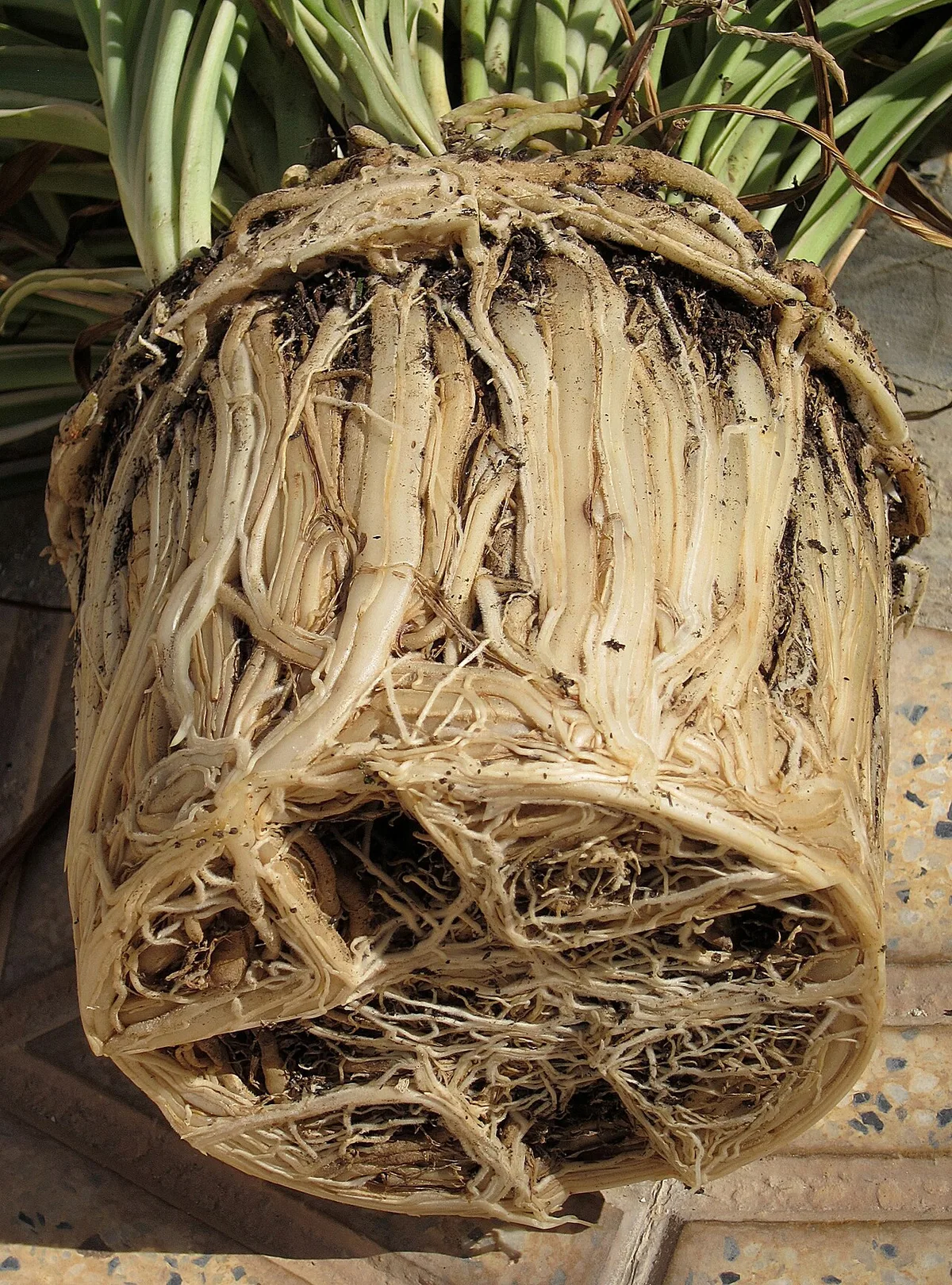
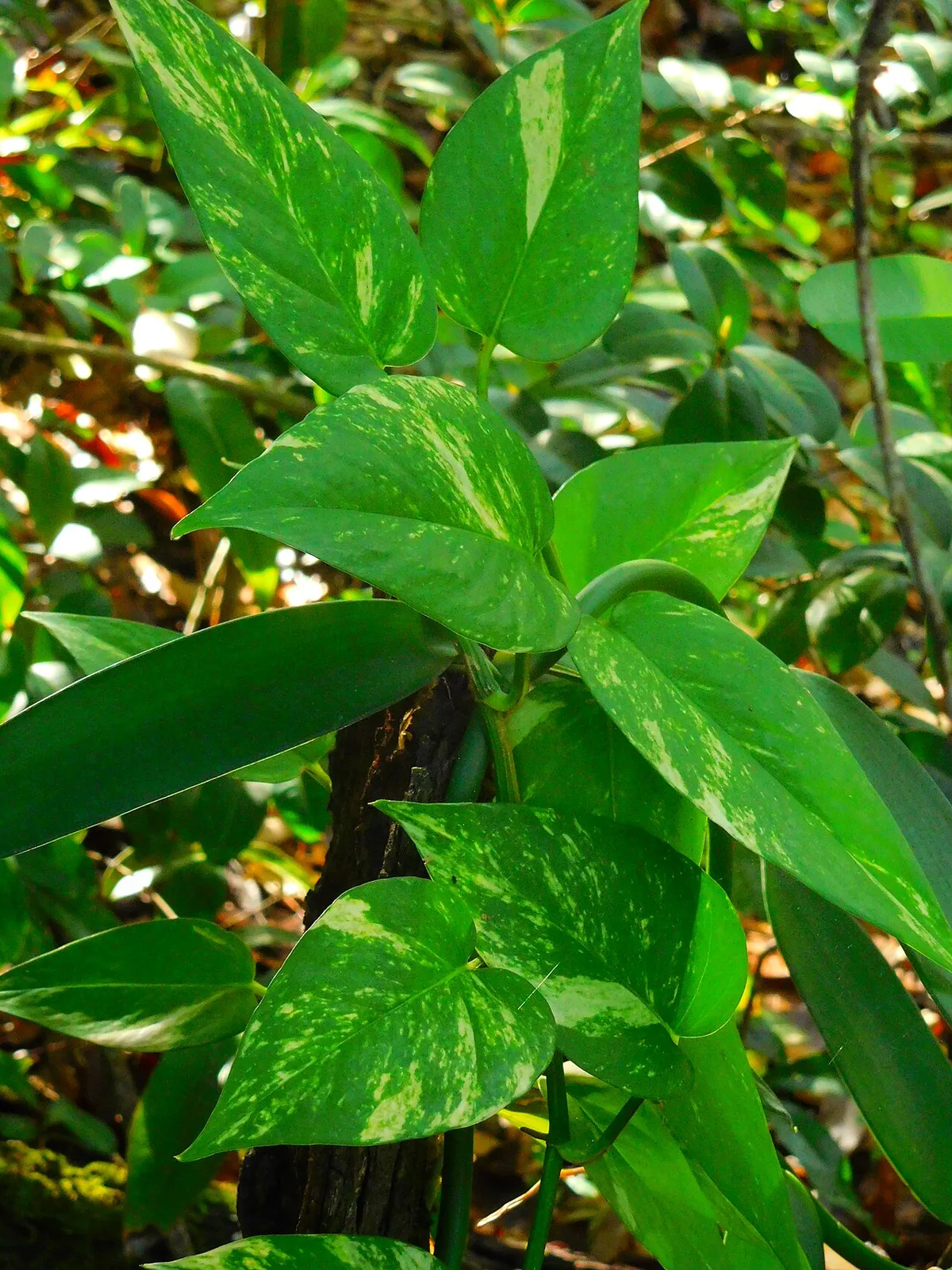
Image source: Wikimedia Commons / Keith Williamson (CC BY)
To check, slide the plant out of its pot. If you see a solid mass of white roots with barely any soil, it’s time to repot. Choose a container 2 inches wider, not bigger.
A pot too large leads to waterlogged soil, which creates the exact opposite problem.
Soil That’s Gone Wrong
Potting mix breaks down over time. After a year or two, the perlite and bark in the mix decompose into fine particles. The soil compacts, and water channels through the gaps instead of soaking evenly.
You’ll notice this when you water and the water immediately flows out the bottom, leaving the middle of the soil dry. That means the roots are thirsty even after watering.
The fix is to refresh the top few inches of soil or repot entirely with a fresh mix that includes perlite and orchid bark for aeration.
A Step-by-Step Diagnostic Workflow
Now that you’ve checked the obvious environmental factors, it’s time to get hands-on. Work through these steps in order. Stop when you find the problem.
The Root Health Check
Slide theplant out of its pot gently. Support the base of the stem with one hand and tip the container sideways. If it won’t budge, run a butter knife around the inside edge to loosen the root ball.
Healthy roots are firm, white or pale tan, and smell earthy. Bad roots are brown, mushy, and may have a sour, rotten odor. That’s root rot, and it happens from chronic overwatering.
If you see rot, trim the affected roots with clean scissors, repot into fresh, well-draining mix, and ease up on watering afterward.
If the roots are healthy but packed in a dense circle with barely any soil visible, that’s your answer. Repot into a container 2 inches wider and backfill with fresh mix.
The Node and Vine Inspection
Look closely at the vines. Healthy growth happens at the tips and at each node, the small brown bump where leaves emerge. If you see tiny, light-green nubs near the nodes, the plant is actively growing.
If the tips are bare and tan, the vine has stopped.
If only the soil surface is dry but the middle is wet, you have a channeling problem. Water slowly, let it soak, and consider repotting into a looser mix with fresh perlite.
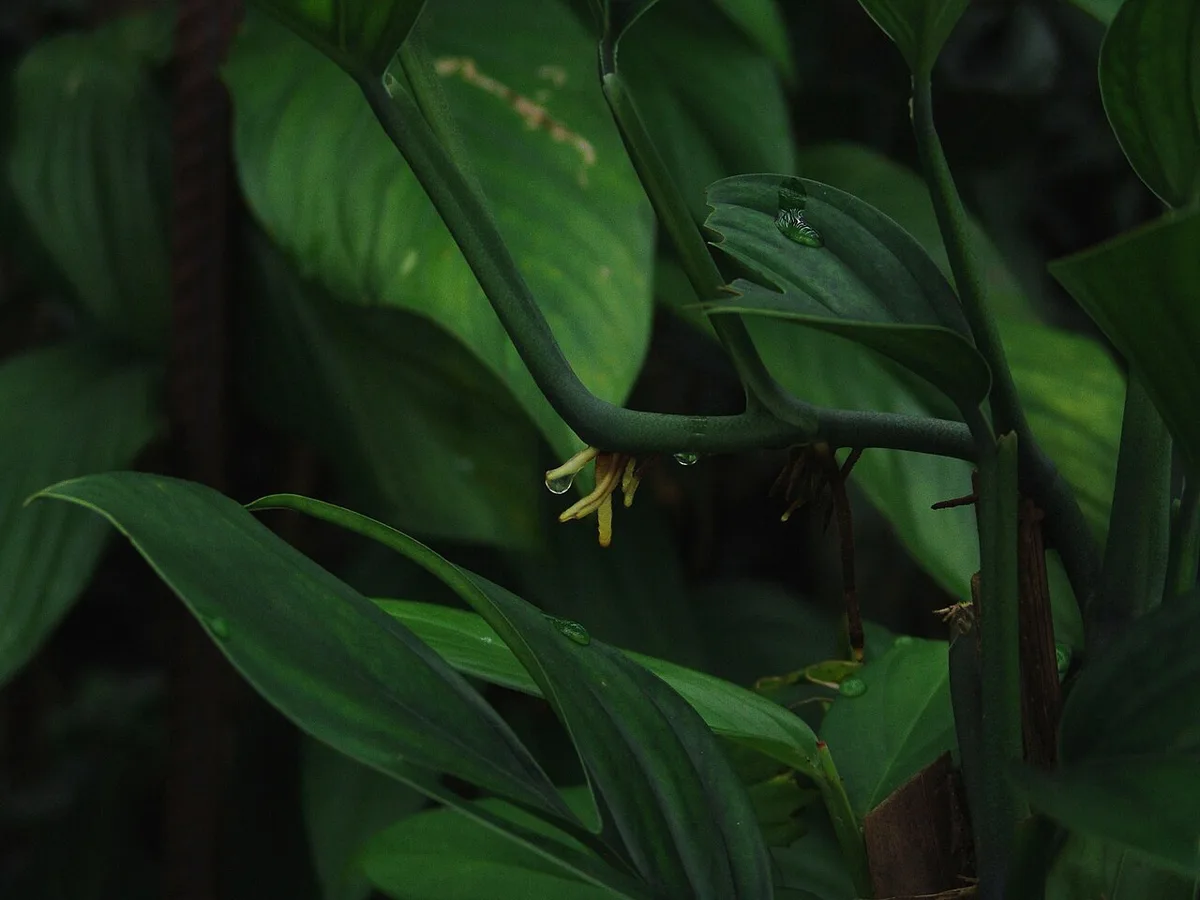
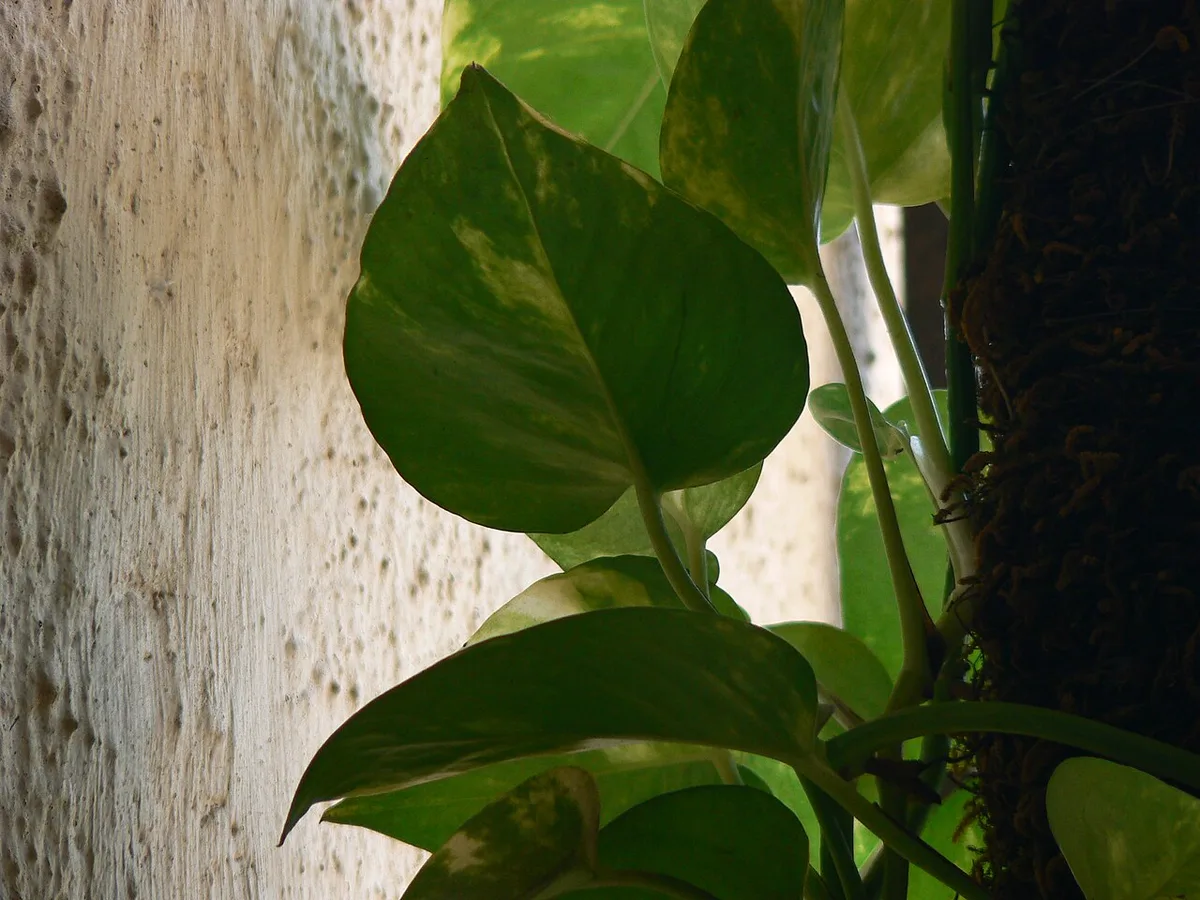
Image source: Wikimedia Commons / Dbxsoul (CC BY)
Aerial roots, the little brown tendrils growing from the stems, are normal. They anchor the plant in the wild and don’t indicate a problem. But if you have long stretches of bare stem between leaves, the plant is getting too little light and stretching for more.
The Fertilizer Equation
Pothos doesn’t need much food. But after months in the same soil, nutrients run out. If your plant is healthy in every other way and still stalled, a lack of fertilization could be the issue.
Use a balanced 10-10-10 liquid fertilizer diluted to half strength. Feed once a month during spring and summer, then stop entirely in fall and winter. More importantly, don’t overdo it.
Excess fertilizer salts accumulate in the soil, turning it toxic and blocking water absorption. That produces the same symptom as a root-bound plant, just with white crust on the pot rim instead.
Mistakes That Stall Your Pothos (Even When You Mean Well)
Even attentive plant parents make these mistakes. They’re common, easy to fix, and worth reviewing before you try anything extreme.
Inconsistent watering schedules. Pothos likes a rhythm. Watering aggressively one week, then forgetting for two, stresses the roots. That stress signals the plant to pause growth.
Stick to a routine where you check soil moisture twice a week and water only when dry.
Moving the plant around too much. Every new location means adjusting to different light and temperature. Constant moves force the plant to redirect energy into acclimating. Pick a spot and leave it there for at least a month.
Ignoring pests until it’s too late. Spider mites and mealybugs are small but devastating. They suck sap from leaves and stems, draining the energy the plant needs to grow. Check the undersides of leaves weekly for webbing or cottony masses.
The “just give it more water” reflex. When a plant looks stuck, the instinct is to water. Resist it. Overwatering kills more pothos than underwatering ever will.
When in doubt, wait two more days.
Season, Pests, and Long-Term Care
Winter Dormancy vs. Actual Problems
Epipremnum aureum slows down when daylight drops. In the Northern Hemisphere, that’s usually November through February. Growth nearly stops even in perfect conditions.
The leaves stay green, but no new nodes appear.
That’s normal. Don’t repot, don’t fertilize, and don’t panic. Reduce watering frequency and wait for spring.
When days lengthen and temperatures rise, growth resumes.
If it’s mid-summer and your plant is still stalled, revisit the earlier steps. Check light exposure, soil moisture, and root health first. Pests are the other common culprit.
Common Pests That Sap Energy
Spider mites and mealybugs are the usual offenders. They’re tiny, but they drain the plant’s reserves. You’ll notice fine webbing on leaf undersides or cottony white masses at stem joints.
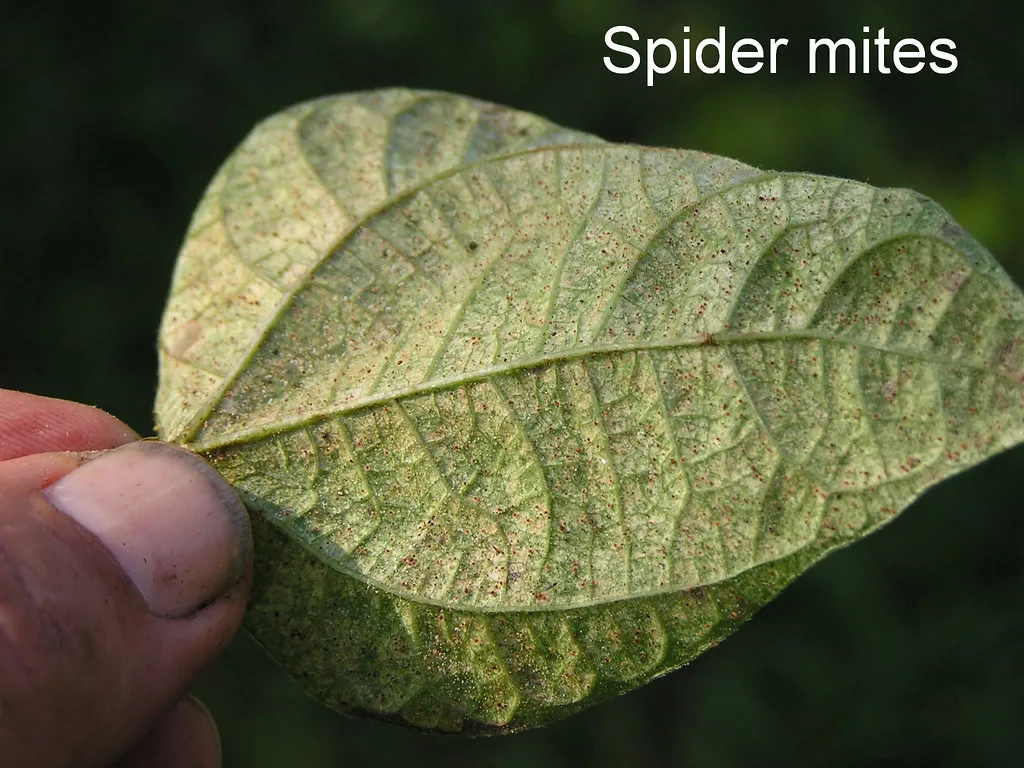
Image source: Openverse / Plant pests and diseases
Healthy plants shrug off small infestations. Stressed plants stall completely. The fix is straightforward.
Wipe leaves with a damp cloth, then apply a diluted neem oil spray weekly for three weeks.
For mealybugs, dab each one with a cotton swab dipped in rubbing alcohol. Check again in a week. These pests reproduce fast, so consistency matters more than strength.
Long-term, keep leaves dust-free. Dust blocks light absorption and gives pests hiding spots. A quick wipe every two weeks prevents most problems before they start.
Frequently Asked Questions
How long does it take for a pothos to start growing again?
Once you fix the underlying issue, expect visible growth within 2 to 4 weeks. New leaves emerge from the vine tips or nodes. If you haven’t seen movement after 6 weeks, revisit your light and watering routine, since those are the most common culprits.
Should I cut off the bare vines?
Yes. Pruning stimulates bushier growth. Cut just above a node where you want new branching.
The cuttings can go straight into water to propagate. Bare vines with no leaves rarely recover, so trimming them redirects energy to healthier sections.
Can I use regular houseplant fertilizer?
Yes, a balanced 10-10-10 liquid fertilizer works well. Dilute it to half strength to avoid salt buildup. Feed once monthly during spring and summer only.
Skip feeding entirely in fall and winter when growth naturally slows.
Does a pothos need a moss pole to grow bigger?
No, but it helps. A moss pole supports vertical growth and encourages larger leaves. Without it, pothos vine downward or trail.
Both are healthy, but trailing vines typically produce smaller foliage than climbing ones.
Why are my new leaves smaller than the old ones?
Smaller new leaves usually mean insufficient light. The plant stretches and produces undersized foliage to reach more sun. Move it closer to a bright window or add a grow light.
Nutrients and root crowding can also contribute.
Final Verdict: Your Quick Decision Guide
Work through these in order. Most plants respond to one of these fixes within a month.
Most common culprit: Insufficient light. Move your pothos to a brighter spot with indirect sunlight. This solves about 40 percent of stalled growth cases.
Second most common: Root bound. Check the drainage holes for circling roots. Repot 2 inches larger with fresh, well-draining mix.
Third: Overwatering. Let the top 2 inches of soil dry out completely before watering again.
Pair these with a consistent watering schedule and monthly feeding during growth season. That combination gets almost any pothos growing again. If you’ve checked all three and still see no movement after 6 weeks, inspect for pests and reconsider the temperature near the plant.
Otherwise, be patient. Healthy pothos reward a steady hand.

Similar Posts