7 Pothos Benefits That’ll Make You Want One
Botanical Horticulturist & Food Preservation Specialist at Brittle Bloom · Certified Master Gardener & Master Food Preserver · 12+ Years in Plant Propagation & Food Preservation
You’ve probably seen this vine somewhere. Maybe a friend’s kitchen, maybe a doctor’s office waiting room, maybe your own grandmother’s windowsill. It’s the plant that refuses to die, the one people hand you as a cutting in a jar of water with zero explanation.
That’s the pothos, and the pothos plant benefits go far beyond “it’s hard to kill.” In our research, this single species checks more boxes for everyday plant owners than almost anything else you can buy for under $20. As of 2026, it remains the top-selling houseplant in most US garden centers for one simple reason: it delivers visible results without demanding expertise. Per NASA’s Clean Air Study, it also demonstrated measurable VOC removal in sealed chamber conditions, though we’ll get into what that actually means for your living room later.
First, let’s figure out if this plant is right for you.
Quick Answer
Pothos offers low-maintenance greenery, fast growth, and easy propagation. It tolerates low light and irregular watering. It trails beautifully from shelves or hangs from baskets.
Research shows it removes some air pollutants in lab settings. It is toxic to cats and dogs if ingested. For most beginners, it is the easiest houseplant to keep alive and thriving.
What Makes Pothos So Popular (And What You’ll Actually Get)
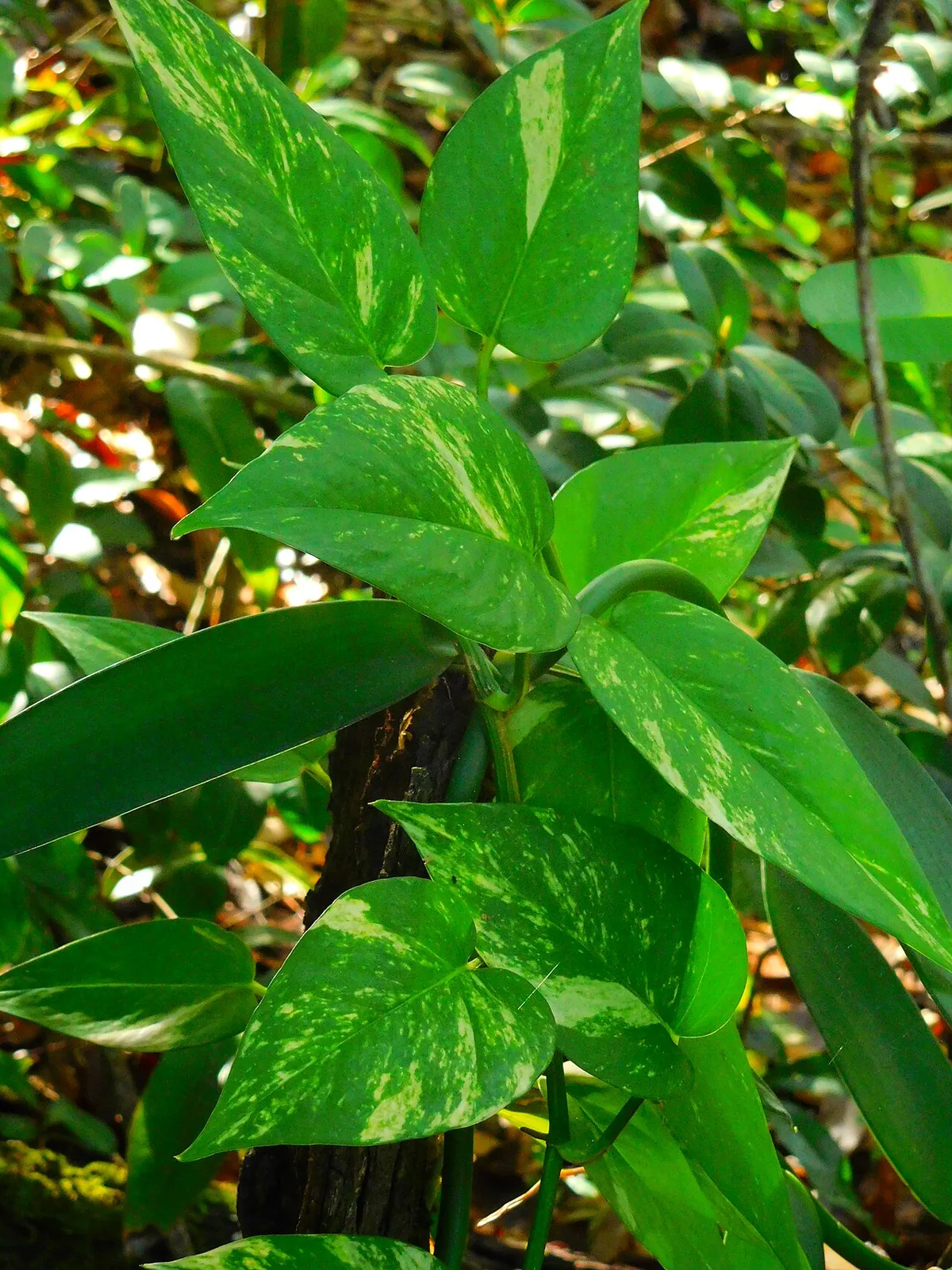
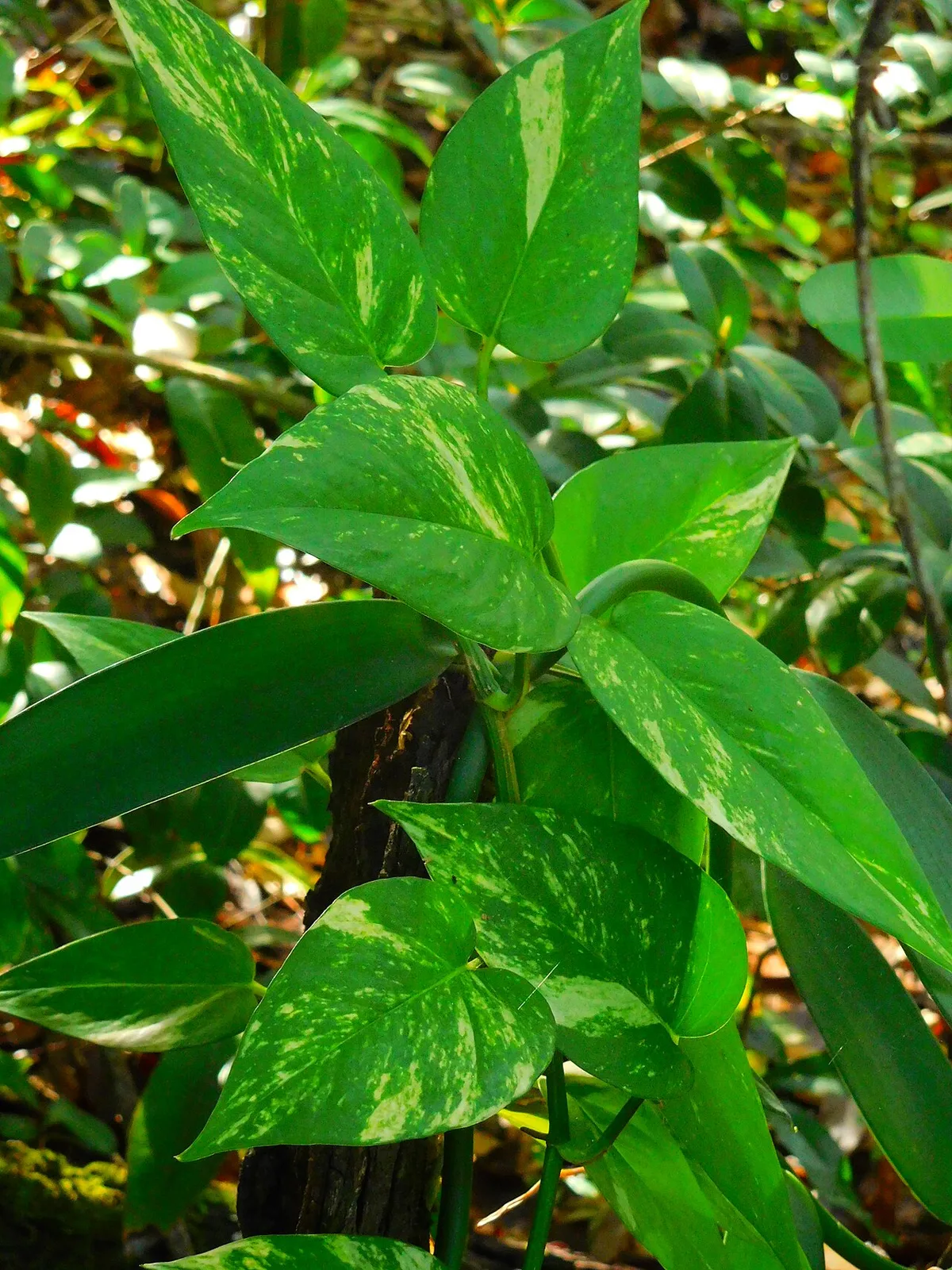
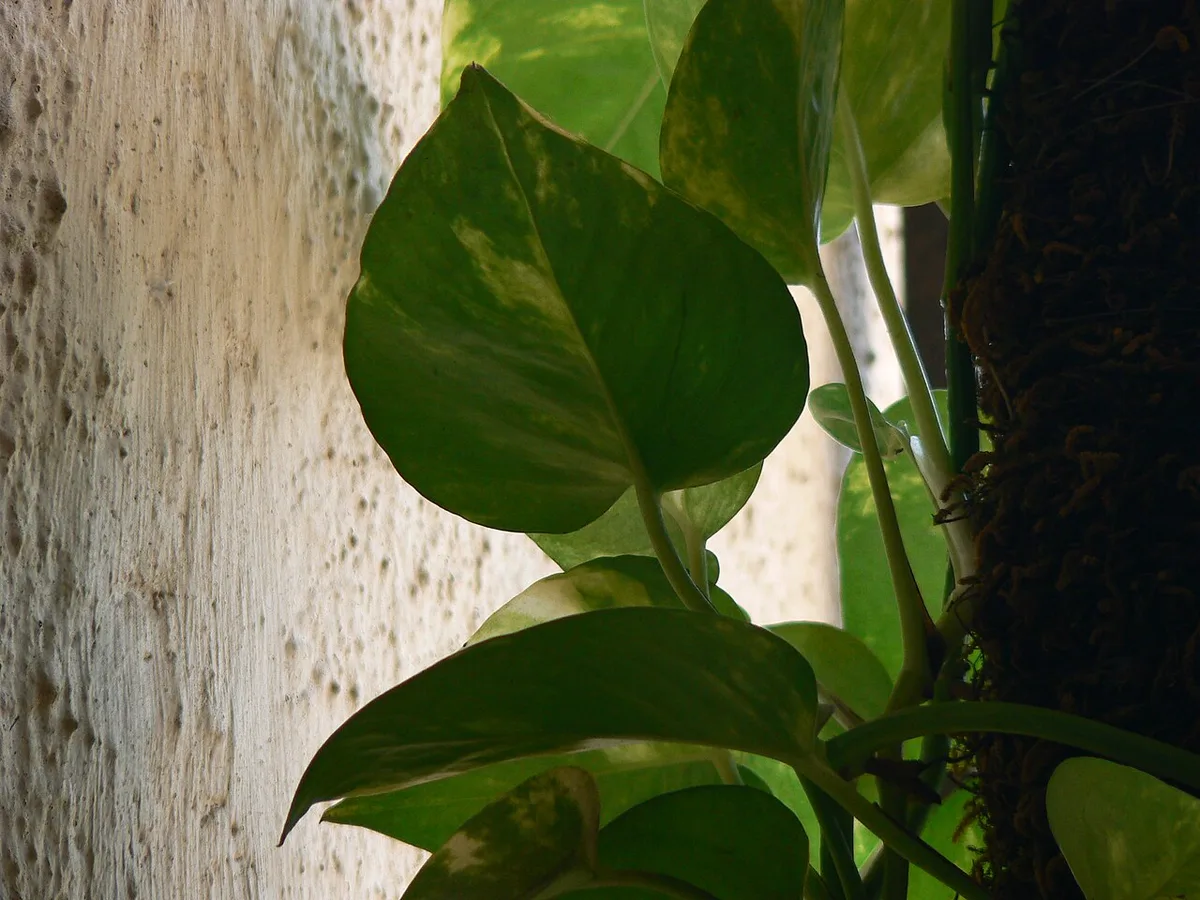
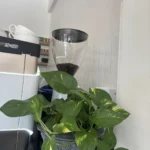
The botanical name is Epipremnum aureum, and it’s a tropical climbing vine native to French Polynesia. In the wild, it climbs tree trunks using aerial roots and can reach absurd lengths. Indoors, it tops out around six to ten feet, which is perfect for shelf edges, bookcases, and hanging pots.
You’ll find several varieties at most nurseries. Golden Pothos has that classic yellow-green variegation. Marble Queen is streaked with white and cream.
Neon Pothos is a striking chartreuse. Jade Pothos is solid green. They all share the same care needs, so pick whichever catches your eye.
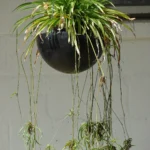
The growth habit is what wins people over. This plant sends out long, flexible vines that cascade down. Those vines grow quickly too, especially in bright indirect light.
Most owners report visible new leaves within two to three weeks of bringing one home.
What really sets it apart is the tolerance range. A pothos survives in a corner where most plants crisp up and die. It handles missed waterings without drama.
It shrugs off average indoor humidity. You don’t need a greenhouse or a careful watering schedule to keep one alive.
The honest caveat is this: “survive” and “thrive” are different things. A pothos in dim light stays alive but grows slowly. The variegation fades if it doesn’t get enough brightness.
Leaves stay small and vines go leggy. You’ll still have a plant, just not a spectacular one.
The Real Benefits, Sorted By Your Situation
If You’re A Beginner
This is the plant that teaches you how to keep plants. You learn to read soil moisture by touch. You learn what “bright indirect light” actually looks like in your home.
You learn to propagate from cuttings. All without the stress of a fussy specimen that dies at the first mistake.
The margin for error is generous. Overwatering causes yellow leaves, but the plant usually recovers once you adjust. Underwatering causes drooping, but it perks back up within hours.
Even severe neglect, months of forgotten watering, can bounce back with a good soak. That resilience is rare in the plant world.
If You’re In A Low-Light Space
Pothos tolerates conditions that kill most houseplants. A north-facing window, an office cubicle with fluorescent lights, a bathroom with one small window, these all work. The plant won’t grow quickly, but it will live.
That’s genuinely useful for renters stuck with poor natural light.
What you sacrifice is speed and color. In very low light, growth slows dramatically. Variegation fades toward green because the plant produces more chlorophyll to compensate.
Vines stretch out with more space between leaves. The plant is fine, but it looks different than the lush specimen on the nursery shelf.
If You’re Worried About Air Quality
The NASA Clean Air Study from 1989 tested common houseplants in sealed chambers. Pothos removed formaldehyde, benzene, and other volatile organic compounds. Those findings sparked the entire “air-purifying plants” trend.
The numbers looked impressive, with pothos removing about 67% of formaldehyde in a sealed chamber over 24 hours.
Here’s the reality check. Those chambers were small and sealed. Real rooms have constant air exchange, much larger volumes, and far more pollutants.
To match the study’s air-cleaning effect, you’d need roughly one plant per square foot of floor space. That’s impractical. Pothos absolutely adds oxygen and some purification, but it’s not replacing an air purifier.
Enjoy the benefit as a bonus, not the primary reason to buy.
If You Have Pets
This is the one genuine downside. Every part of the pothos contains calcium oxalate crystals. When a cat or dog chews the leaves, those crystals cause immediate oral irritation, drooling, vomiting, and difficulty swallowing.
The ASPCA lists pothos as toxic to both cats and dogs.
The reaction is unpleasant but rarely life-threatening. Most pets take one bite and stop because it hurts. However, persistent chewing can cause swelling that blocks airways in extreme cases.
If you have a known plant-eater, either skip pothos entirely or place it somewhere genuinely unreachable. Hanging baskets work well for this.
The Six Common Scenarios (And How To Handle Each)
Scenario 1: You Want A Plant You Can’t Kill
If you’ve killed every plant you’ve ever owned, this is your plant. Buy one, put it in a spot with some indirect light, water when the top inch of soil is dry. That’s the entire care routine.
Aggregate reviews from thousands of buyers consistently describe pothos as “unkillable” and “bulletproof,” and the evidence supports it.
Scenario 2: You Have A Dark Corner That Needs Life
A north-facing corner with no direct sun works fine. Your pothos will grow slower and lose some variegation, but it will stay green and alive. This scenario does best with a Jade Pothos, which handles low light better than the variegated types.
Solid green leaves photosynthesize more efficiently in dim conditions.
Scenario 3: You Want Fast Growth And Quick Wins
This is where pothos shines. In bright indirect light, expect several inches of new growth per month during spring and summer. You’ll see new leaves unfurling weekly.
When a vine gets too long, cut it, pop the cutting in water, and you have a second plant within a month. That rewarding feedback loop keeps new plant owners hooked.
Scenario 4: You Have Curious Cats Or Dogs
Technically, you can have both pothos and pets if you’re strategic. Hang the plant well above jump height, or place it on a tall shelf with no adjacent furniture. Keep the fallen leaves swept up, since those are just as toxic as the ones still attached.
If your pet is a determined chewer, choose a different houseplant entirely.
Scenario 5: You Want Trailing Vines For Shelves Or Baskets
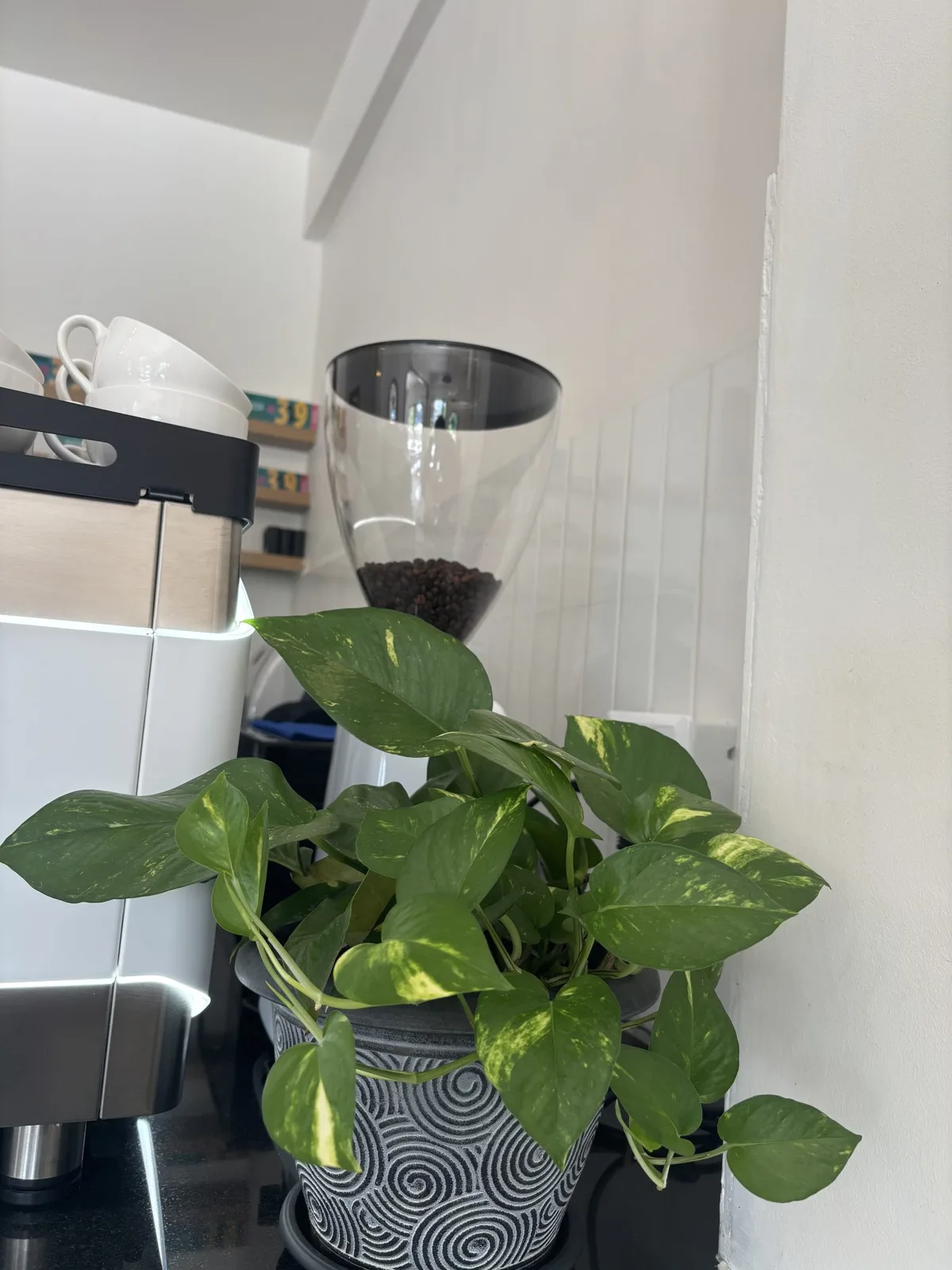
This is the plant’s natural form. Place it on a high shelf and let the vines cascade. Over eighteen months, a healthy pothos can trail three to four feet.
It fills vertical space that other plants can’t reach, which makes it ideal for small apartments where floor space is precious.
Scenario 6: You Want Bigger, Rare Leaves Instead
A pothos will never produce leaves bigger than your hand indoors. If you want dramatic, dinner-plate-sized foliage, you want a Monstera or a Philodendron. Pothos delivers quantity of vines, not size of leaf.
That’s not a downside, just a different aesthetic goal.
Mistakes That Turn A “Low-Maintenance” Plant Into A Problem
Overwatering (The Number One Killer)
More pothos die from too much water than anything else. Soggy soil suffocates roots and causes root rot. The symptoms are yellow leaves, mushy stems, and a sour smell from the pot.
Fix it by letting the top inch of soil dry completely before watering again.
Direct Sunlight Scorch
Pothos are adapted to life under a forest canopy. Direct afternoon sun through a window will bleach and brown the leaves. Morning sun is fine.
Bright indirect light, like near an east window or a few feet away from a south window, is the sweet spot.
Ignoring Pests
Spider mites, mealybugs, and thrips all find pothos attractive. The signs are fine webbing, white cottony spots, or silver speckles on the leaves. Inspect your plant weekly during the growing season.
A regular wipe-down of leaves with a damp cloth prevents most infestations.
Letting It Go Leggy
Without enough light, the internode spaces stretch out. You get long bare stem with a few scraggly leaves at the end. The fix is two-fold: move the plant to brighter light and prune it back hard.
New growth will emerge from the cut points, giving you a fuller plant.
Forgetting To Dust
A layer of dust blocks light from reaching the leaves. That reduces photosynthesis over time. Wipe leaves with a damp cloth every few weeks.
It takes thirty seconds and keeps the plant working at full capacity.
| Common Issue | Visible Symptom | The Fix |
|---|---|---|
| Overwatering | Yellow leaves, mushy stem | Let soil dry out, reduce frequency |
| Direct sun scorch | Brown or bleached patches | Move to indirect light |
| Pest infestation | Webbing, speckles, cotton spots | Wipe leaves, treat with insecticidal soap |
| Leggy growth | Long stems, sparse leaves | Prune hard, move to brighter spot |
| Dust buildup | Dull, dusty leaves | Wipe with damp cloth monthly |

Similar Posts