Pothos Watering
Botanical Horticulturist & Food Preservation Specialist at Brittle Bloom · Certified Master Gardener & Master Food Preserver · 12+ Years in Plant Propagation & Food Preservation
The internet is full of pothos watering advice that sounds simple: "Water once a week." If only it were that easy. The reality is that a fixed schedule is one of the fastest ways to kill this otherwise forgiving plant. Your pothos doesn't care what day it is.
It cares about soil moisture, light levels, pot size, and the season. Learning to read those signals instead of watching the calendar is the difference between a thriving vine and a pot of yellowing mush.
In our research, the most reliable method for pothos watering is the "soak and dry" approach, where you wait until the top 1 to 2 inches of soil feel completely dry before watering thoroughly. This mimics the plant's natural epiphytic habitat, where roots experience periods of heavy rain followed by dry spells. Once you master this simple check, you'll know exactly when your plant is thirsty, no schedule required.
Why "Water Every 7 Days" Is the Wrong Advice
The Myth of the Watering Schedule
Here's the uncomfortable truth: watering on a fixed schedule is a gamble. A pothos in a small terracotta pot with bright indirect light might need water every four days. The same plant in a large plastic pot in a dim corner might go two full weeks between waterings.
Your home's conditions change constantly. Summer heat dries soil faster. Winter heating systems pull moisture from the air.
A plant near a south-facing window drinks more than one in a north-facing hallway. Aggregate reviews from experienced growers consistently report that "once a week" works for some plants and kills others.
The schedule approach also ignores pot size and material. Terracotta is porous and wicks moisture away quickly. Plastic and ceramic retain water much longer, especially if the pot lacks drainage holes.
A pothos in a glazed ceramic pot with no drainage will stay soggy for weeks, and weekly watering is a death sentence.
What Actually Determines When Your Pothos Needs Water
So if the calendar doesn't work, what does? The answer is simple: soil moisture. The only reliable way to know if your pothos needs water is to check the soil directly.
A pothos's root system prefers to dry out between waterings. It's an epiphyte in its native habitat, meaning it grows on trees and rocks rather than in dense soil. Its roots are adapted to periods of dryness followed by heavy rainfall.
Constantly wet soil suffocates the roots, cutting off oxygen and inviting rot.
The key variables that affect drying time include light intensity, temperature, humidity, pot material, pot size, and soil composition. A well-draining aroid mix with perlite or bark will dry much faster than dense potting soil. As of 2026, most commercial potting mixes are too heavy for pothos straight out of the bag, so many growers amend them with extra perlite.
The Golden Rule: Dry Soil, Not Dry Days
Here's the simplest mental shift: your pothos should never be watered because "it's been a week." It should be watered because its soil is dry.
The golden rule of pothos watering is to let the top 1 to 2 inches of soil dry out completely before watering again. This means the surface looks dry and a finger pushed into the soil comes out clean with no damp soil sticking to it.
This approach prevents both overwatering and underwatering. When you wait for the top layer to dry, you're giving the deeper roots time to breathe. When you water thoroughly after that dry period, you're delivering moisture right where the roots can absorb it.
This "soak and dry" cycle is the standard recommendation across horticultural literature and the foundation of healthy pothos care.
The Only 3 Signs You Need to Check Before Watering
The Finger Test: Simple and Reliable
The finger test is the classic method, and it works because it's direct. Push your index finger into the soil up to the second knuckle, about 2 inches deep. If the soil feels dry at that depth, it's time to water.
If it feels cool or damp, wait a few more days.
Soil feels different at different depths, so don't just check the surface. The top inch might look bone dry while the soil below is still holding moisture. That's why checking at least 1 to 2 inches down matters.
One common mistake is pressing too hard and compacting the soil. Gently push down and feel for moisture against your fingertip. You'll notice a clear temperature difference between dry soil (warm) and wet soil (cool).
That temperature sensation is a reliable cue.
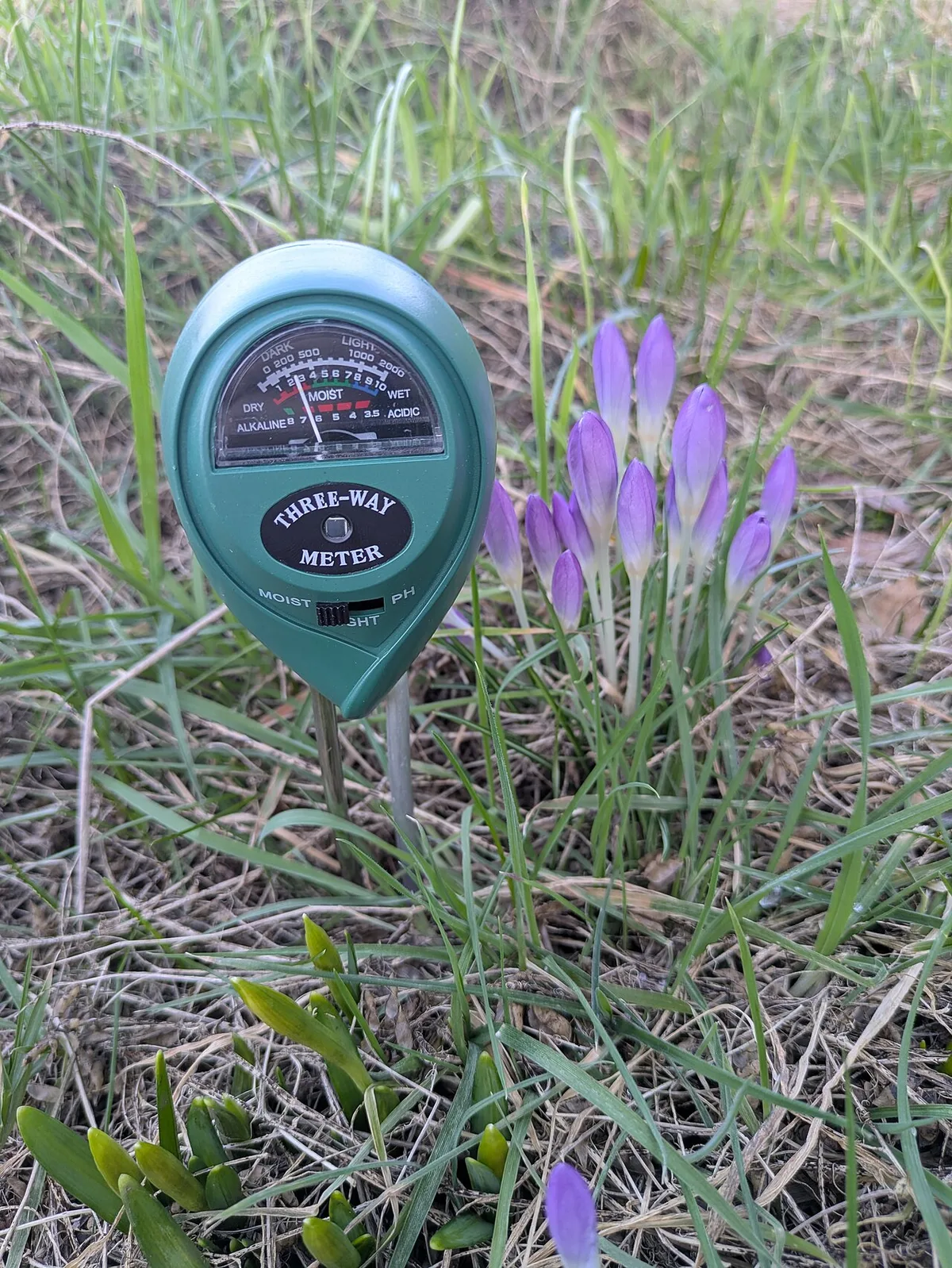
Image source: Wikimedia Commons / PhysicsScotland (CC BY-SA)
The Pot Weight Method: Training Your Intuition
The pot weight method takes a little practice, but it's arguably the most accurate non-digital test. Lift your pothos pot right after watering, noting how heavy it feels. Then lift it again when you think it might need water.
A dry pot is noticeably lighter, often by a substantial margin.
As of 2026, many growers use a kitchen scale to track this. Weigh the pot after watering, record that number, then weigh it daily until it drops significantly. A difference of 20 to 30 percent usually indicates dry soil.
This works even with large pots where the finger test can't reach deep enough.
The trick is consistency. Use the same hand, lift the pot the same way, and make it a habit. Within a few weeks, you'll instinctively know when your plant is thirsty just by holding it.
This method is especially useful for large pothos in deep pots where the topsoil dries quickly but the lower soil stays wet.
Reading the Leaves: Droop, Color, and Texture Cues
Your pothos communicates through its leaves. Learning to read those signals adds another layer of certainty.
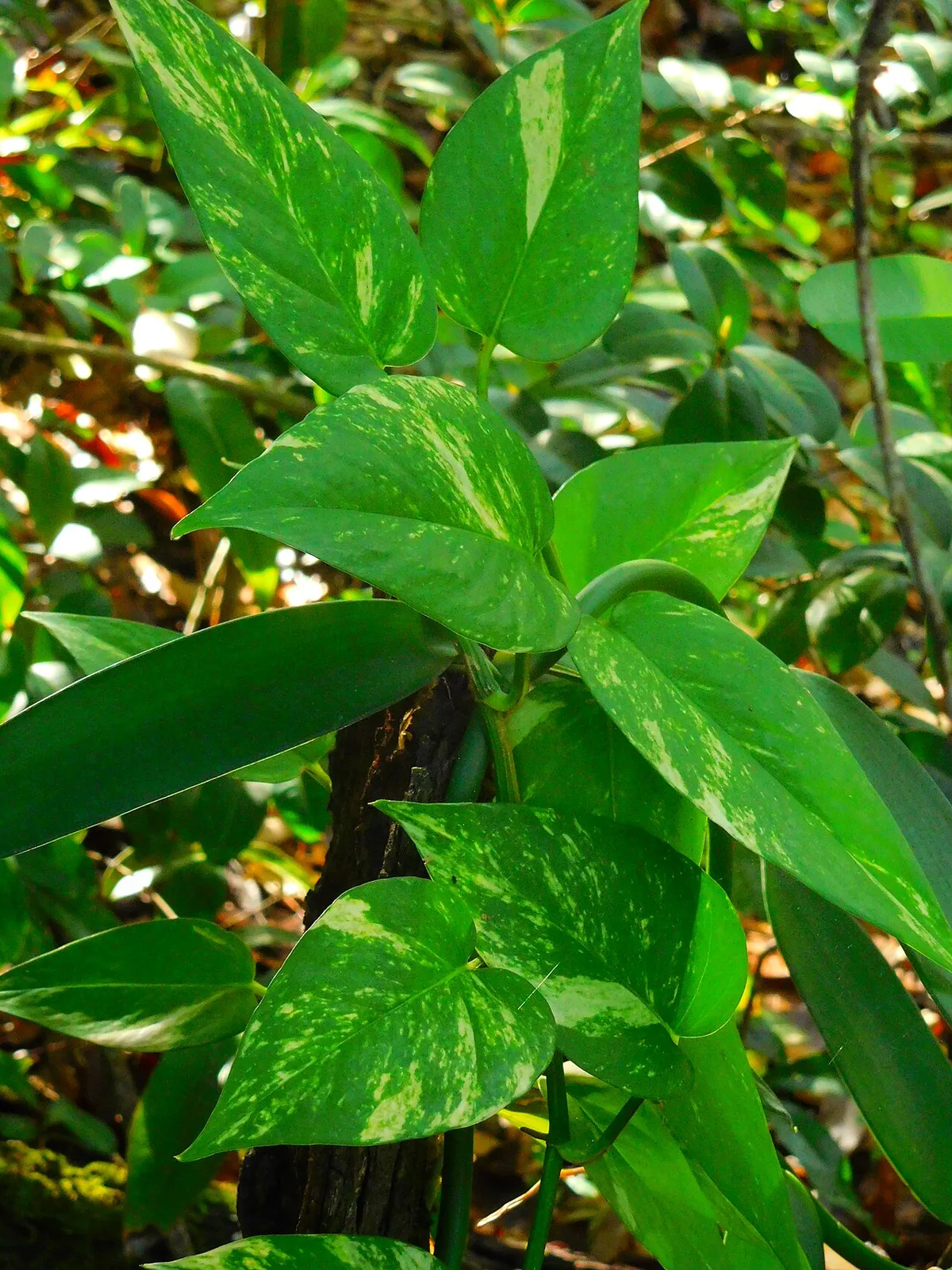
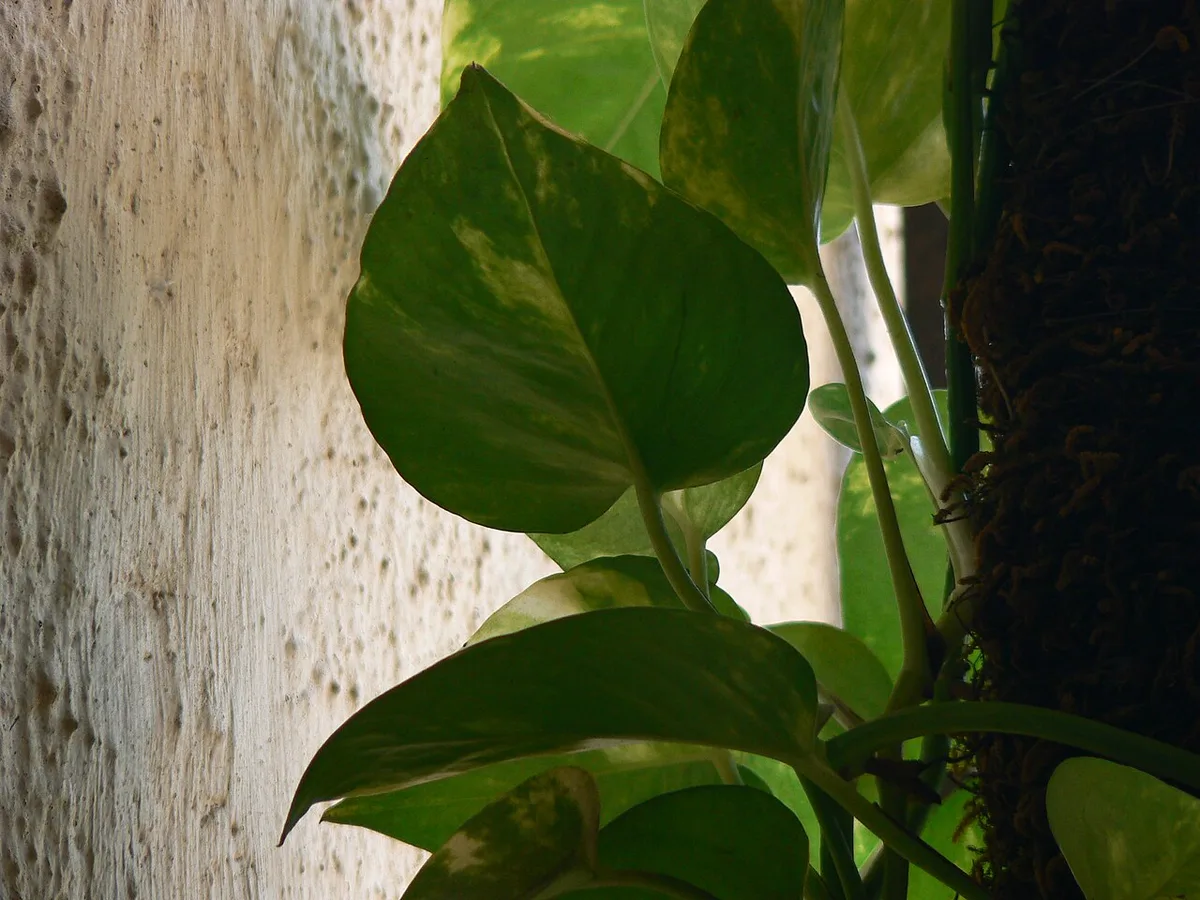
An underwatered pothos will show slightly wilted or drooping leaves that feel soft but not mushy. The green may look slightly duller or lighter than usual. This is your first cue to check the soil and likely water.
An overwatered pothos also droops, but the leaves feel soft and limp rather than just tired. They may yellow from the bottom up, and the soil will feel wet. This is the classic confused state where the plant looks thirsty but actually has the opposite problem.
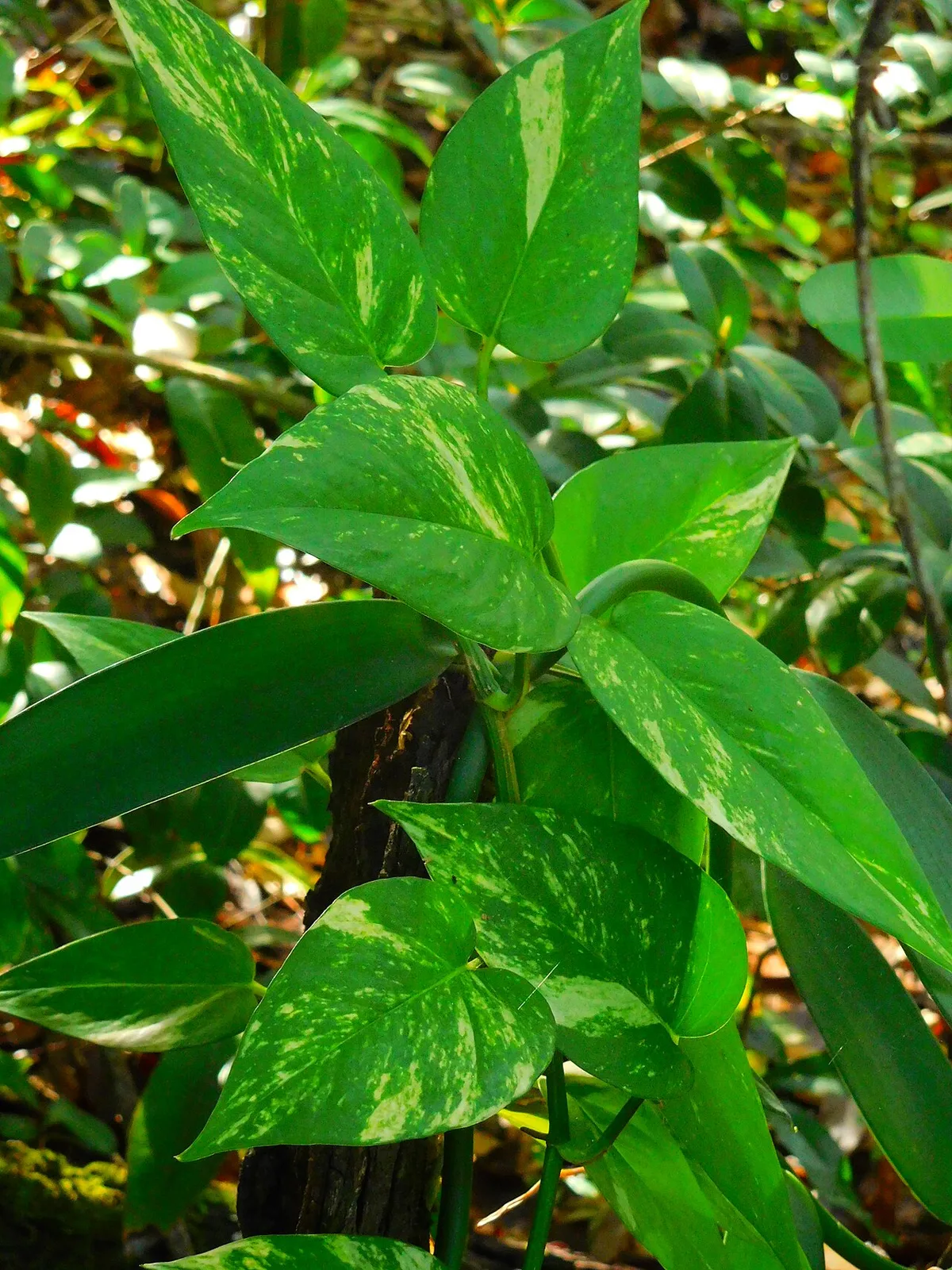
Healthy pothos leaves are firm and waxy to the touch, with a slight sheen. A well-hydrated plant holds its leaves upright with visible turgor pressure. A leaf that bounces back within a few hours of watering confirms it was thirsty.
A leaf that stays limp after watering suggests something else is wrong.
The Decision Tree: What Your Pothos Is Telling You
Branch 1: Wilting or Drooping Leaves
Wilting can mean two completely opposite things. Your job is to figure out which one you're dealing with before you act.
Check the soil first. If the top 2 inches are bone dry and the pot feels light, your pothos is thirsty. Water thoroughly and it should perk up within a few hours.
In our research, most healthy pothos recover from mild drought stress within 24 hours.
If the soil is wet or soggy and the pot feels heavy, you're dealing with overwatering. Do not add more water. Remove the plant from its decorative pot, check the drainage situation, and allow the soil to dry out fully before watering again.
Severe overwatering may require repotting in fresh dry soil.
Branch 2: Yellowing Leaves (The Confusing Middle Ground)
Yellow leaves are the most common distress signal, and they're the trickiest to diagnose because they can mean several things.
If the older, lower leaves are yellowing and the soil is wet, the culprit is likely root rot from overwatering. The roots are dying and can't deliver nutrients to the leaves. If the soil is dry and the leaves are yellowing with crispy edges, the plant is likely underwatered or has suffered from inconsistent moisture.
One or two yellow leaves at the bottom of a mature pothos is also normal leaf aging. Don't panic. Remove them and adjust your watering only if the pattern spreads or accelerates.
Branch 3: Crispy Brown Tips and Edges
Crispy brown leaf tips usually point to underwatering, low humidity, or water quality issues. Tap water containing chlorine or fluoride can cause mineral buildup, which damages the leaf edges over time.
If your pothos shows brown tips and the soil is dry, increase your watering frequency and consider switching to filtered or rainwater. If the soil is consistently moist but tips are still browning, the problem is likely water quality rather than quantity.
Greenhouse studies indicate that pothos are sensitive to excess fluoride. Letting tap water sit out overnight can help chlorine dissipate, but fluoride requires filtration. Distilled water or collected rainwater is the safest option for sensitive plants.
Branch 4: Leaves Feel Soft or Mushy
Soft, mushy leaves combined with a foul smell from the soil are the unmistakable signs of root rot. The roots have been drowning in waterlogged soil, and decay has set in.
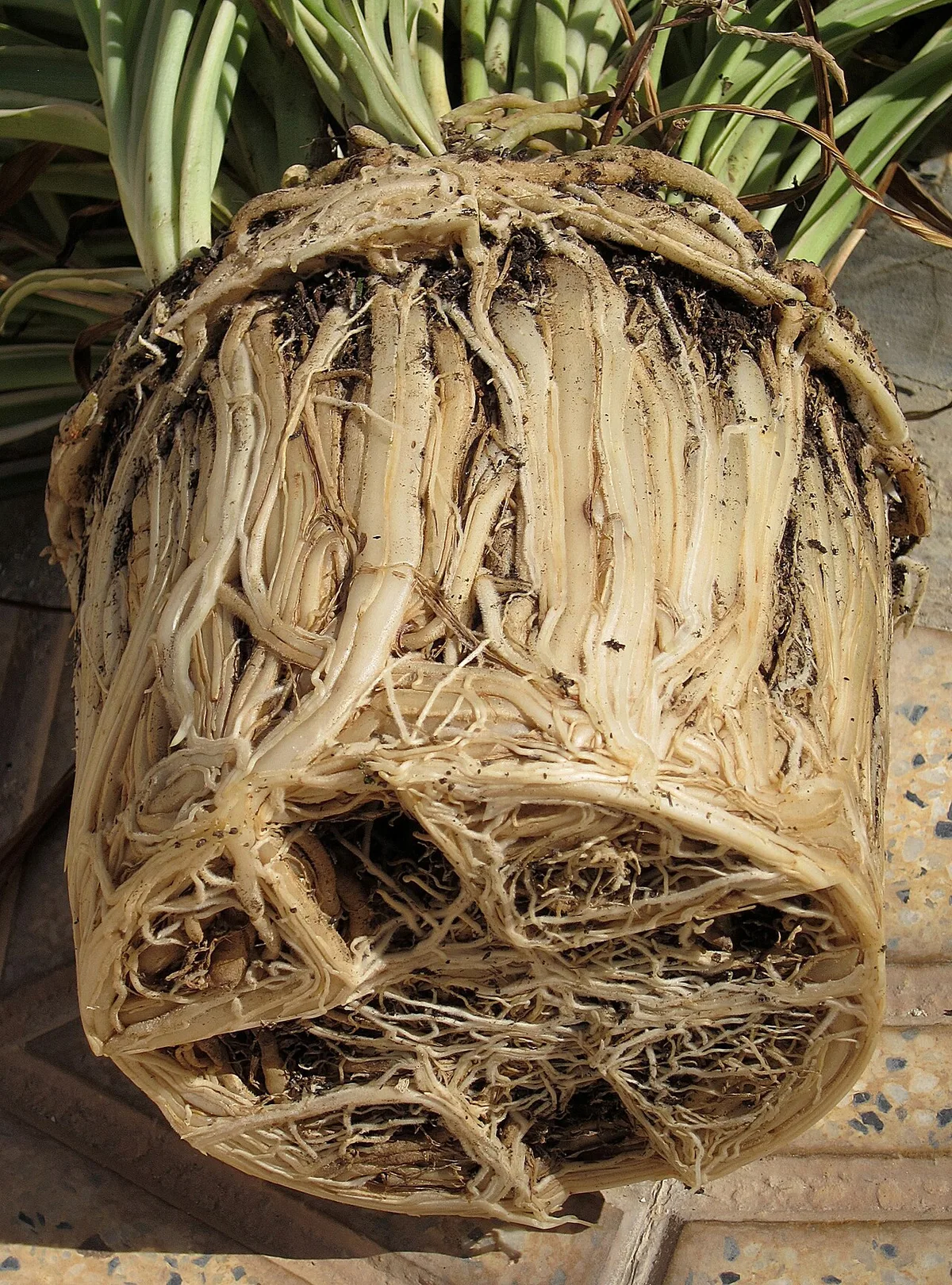
This is an emergency. Remove the plant from its pot, shake off the soil, and inspect the roots. Healthy roots are firm and white or yellowish.
Rotting roots are brown, black, slimy, and often fall apart when touched.
Trim away all affected roots with sterilized scissors, then repot in fresh, well-draining soil. Keep the plant slightly dry for a week to allow any remaining roots to recover. Propagation from healthy cuttings is a good fallback if the root system is beyond saving.
Quick Reference Table: Symptom → Likely Cause → Action
| Symptom | Likely Cause | Action |
|---|---|---|
| Drooping, dry soil | Underwatered | Water thoroughly |
| Drooping, wet soil | Overwatered | Let soil dry, check roots |
| Yellow lower leaves, wet soil | Root rot | Repot in dry soil |
| Yellow leaves, dry soil | Inconsistent watering | Establish regular checks |
| Crispy brown tips | Low humidity / hard water | Increase humidity, use filtered water |
| Soft, mushy leaves | Overwatering / rot | Emergency repot |
How to Water Correctly (It's Not Just Pouring Water In)
Top Watering vs. Bottom Watering: Which Works Better
Top watering is straightforward: pour water over the soil surface until it drains from the bottom. This works well for most pothos and is the most common method. The downside is that it compacts the top layer of soil over time, which reduces aeration.
Bottom watering means placing the pot in a tray of water and letting it wick upward through the drainage holes. This encourages deeper root growth and prevents the topsoil from staying too wet. Many growers prefer bottom watering because it hydrates the entire root ball evenly, and it reduces the risk of fungal gnats that breed in consistently moist topsoil.
Each method has its place. Bottom watering is excellent for maintenance, while occasionally top watering helps flush mineral salts from the soil. In our research, alternating between the two produces the best results, with bottom watering as your primary method and a monthly top water to leach buildup.
The Soak-and-Dry Method Explained
The soak-and-dry method is the gold standard for pothos watering. It's simple and directly mirrors the plant's natural habitat.
Wait until the top 1 to 2 inches of soil are dry, then water thoroughly until water runs from the drainage holes. Let the pot sit in the sink or tray for 10 to 15 minutes so the soil can absorb as much moisture as it needs, then discard any standing water in the saucer.
The critical step is removal of excess water. If you leave your pothos sitting in a puddle, the bottom roots stay soggy, and you've undone all your careful work. This single habit prevents the majority of root rot cases.
How to Handle Tap Water, Chlorine, and Mineral Buildup
Tap water is fine for most pothos, but it can create problems over time. Chlorine and fluoride are the main culprits. Chlorine dissipates if you let water sit in an open container for 24 hours.
Fluoride does not, and it accumulates in the soil, causing leaf tip burn.
If your municipality uses chloramine instead of chlorine, sitting water won't help. You'll need a filtration system or distilled water. Signs of mineral buildup include white crust on the soil surface and around the pot's drainage holes.
Regularly flushing the soil prevents buildup. Every month or two, water thoroughly with three to four times the pot's volume of water, letting it all drain away. This leaches excess salts and resets the soil's balance.
When to Discard Saucer Water (And Why It Matters)
Saucer water seems harmless, but it's one of the most common causes of root rot. Pothos roots need oxygen, and sitting in water suffocates them.
After watering, wait 15 minutes for the soil to absorb what it needs, then empty the saucer completely. Don't let it refill from slow drainage later. This is non-negotiable if you want a healthy plant.
A self-watering planter is the exception. These have a wicking system that draws water only when needed, keeping the soil from staying soggy. But even then, checking moisture levels regularly is essential.
There's no system that replaces consistent observation.
The #1 Mistake That Kills Pothos: Root Rot
How Overwatering Happens (Even With Good Intentions)
Root rot is deadly, and it happens through kindness. You saw droopy leaves and watered. The soil was already wet, so the roots suffocated further.
Then the leaves turned yellow, confirming your worry, so you watered again.
Overwatering happens when the soil stays saturated for extended periods, cutting off oxygen to the roots. Without oxygen, the roots die and begin to decay. Pathogenic fungi like Pythium and Phytophthora thrive in these conditions, accelerating the damage.
The plant can't absorb water or nutrients through rotting roots, so it wilts, which looks like thirst, prompting another fatal watering.
Pot size is a major contributor. A pot that's too large for the plant holds more soil than the roots can dry out. The margin for error shrinks dramatically.
Match your pot size to the root ball, not the plant's height or vine length.
Recognizing Root Rot Before It's Too Late
Early detection is your best chance. The first sign is usually subtle: the soil stays wet for much longer than it should. If it's been over a week and the top 2 inches are still moist, that's a red flag.
The smell is the next indicator. Healthy soil smells earthy. Rotting soil smells sour or musty.
If you notice that smell, check the roots immediately, even if the leaves still look okay.
Yellowing lower leaves and soft, mushy stems near the soil line confirm the issue. As of 2026, no soil additive or root treatment can fully undo established rot. Your actions in the moment determine whether the plant survives.
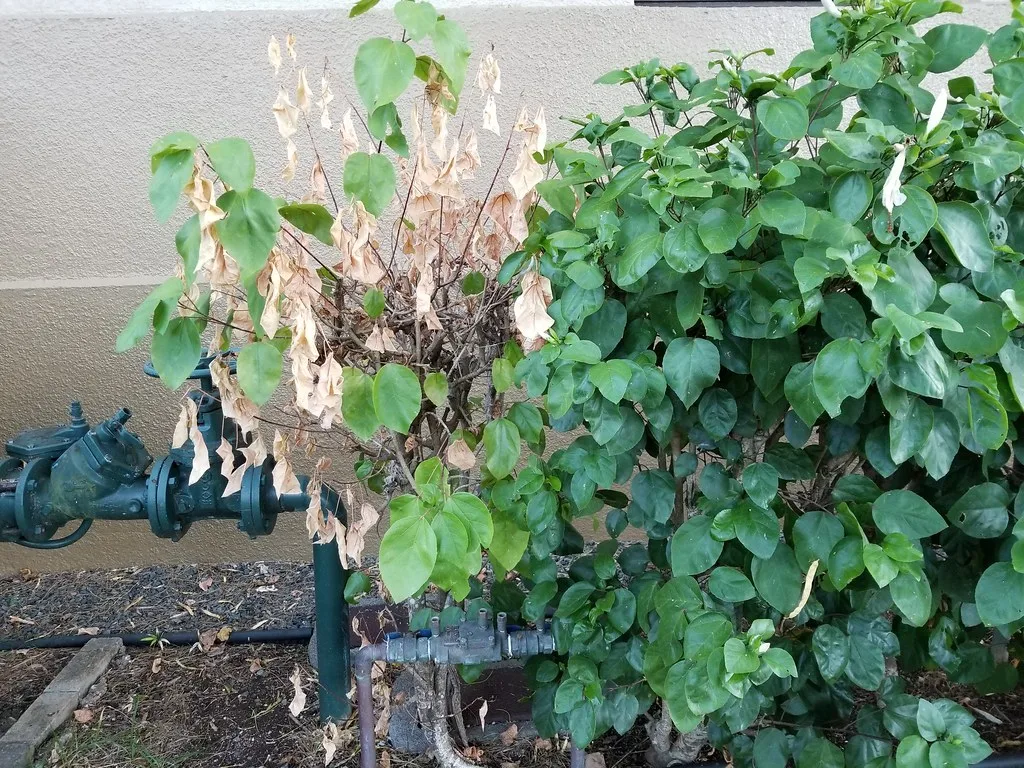
Image source: Openverse / Plant pests and diseases
Emergency Rescue: Can You Save a Root-Rotted Pothos?
Yes, but only if you act fast and you have healthy tissue to work with. Here's the rescue protocol:
Remove the plant from its pot and gently shake off all soil. Rinse the roots under lukewarm running water to expose the healthy versus rotting tissue. Healthy roots are firm and white or yellowish.
Rotten roots are brown, black, and disintegrate when touched.
Using sterilized scissors, cut away all rotten roots. Be aggressive. Any rot left behind will spread.
If the root system is mostly gone, take healthy stem cuttings and propagate them in water. Pothos root readily, and starting fresh is sometimes the best strategy.
Repot what's left in a clean pot with fresh, well-draining soil. Water sparingly for the first week, keeping the soil barely moist. Don't fertilize until new growth appears.
Recovery is slow, but pothos are resilient survivors. Most recover within a month if given proper care and bright, indirect light.
Seasonal Watering Cheat Sheet
Spring and Summer: Active Growth Mode
Pothos grow fastest in spring and summer when light is strong and temperatures sit in the 65-85°F range. That growth demands more water, so check soil moisture every 3 to 4 days. Most plants in this season need watering every 7 to 10 days, though bright, warm rooms can dry soil faster.
Fall and Winter: Dormancy and Reduced Light
Shorter days mean less light and slower growth. Your pothos is resting, so it drinks much less. Watering every 2 to 3 weeks is common, but always trust the soil check over the clock.
Warm indoor heating can dry the air, yet the soil still stays moist longer.
Adjusting for Your Home's Humidity and Temperature
Air-conditioned rooms dry soil quickly in summer. Radiators and forced air do the same in winter. Homes with high humidity, like bathrooms, let soil stay damp longer.
Match your watering frequency to your actual environment, not the season on the calendar.
Vacation Care: Watering Before and After You Leave
Before leaving, water thoroughly and move the plant away from bright window light. A cool, dim spot slows evaporation. For trips over two weeks, set a wick watering system or ask someone to check moisture once.
On return, don't assume it needs water. Check the soil and your established cues first.
Pothos Watering FAQs
Should I mist my pothos?
Misting adds temporary humidity around the leaves, but it's not essential. Pothos tolerate average household humidity fine. If your air is very dry, a pebble tray or a small humidifier works far better than misting.
Does a pothos in water need special watering care?
A pothos grown in water doesn't need soil watering at all. Just top up the container with fresh, filtered water when the level drops. Change the water entirely every 2 to 4 weeks to prevent algae and bacterial buildup.
Why are my pothos leaves turning yellow even though I rarely water?
Yellow leaves with very dry soil usually mean inconsistent watering, not just frequency. The plant has been stressed by long dry periods followed by heavy water. Check if the soil has turned hydrophobic, repelling water.
Soak the pot properly and maintain a more consistent schedule.
Can I use ice cubes to water my pothos?
No. Ice cubes deliver water too slowly and chill the roots, which can shock tropical plants like pothos. Always use room-temperature water for even, healthy hydration.
Final Verdict: Respond to the Plant, Not the Calendar
Your Quick Decision Checklist
Here's your go-to routine for healthy, thriving pothos:
- Check the top 1 to 2 inches of soil before every watering.
- Water thoroughly until it drains from the bottom holes.
- Discard all saucer water within 15 minutes.
- Adjust frequency with the seasons and your room's conditions.
- Watch for droop, yellow leaves, and crispy tips as your cues.
- When in doubt, wait another day. Dry soil is easier to fix than root rot.
The One Habit That Fixes 90% of Watering Mistakes
Make the finger test a daily ritual. It takes five seconds and eliminates the guesswork. Your pothos will reward you with firm, waxy leaves and steady new growth.
Trust the Process: Learning Your Plant's Rhythm
Pothos watering is a skill you build with practice. Every plant is slightly different, and conditions shift through the year. Stick with the soil check, observe how your plant responds, and you'll learn its exact rhythm within a few months.
That's the secret. It's not about perfection, it's about paying attention.

Similar Posts