Can You Freeze Dry Okra?
Botanical Horticulturist & Food Preservation Specialist at Brittle Bloom · Certified Master Gardener & Master Food Preserver · 12+ Years in Plant Propagation & Food Preservation
Can You Freeze Dry Okra? Yes, you can, and it's one of the friendlier vegetables for this method. Freeze drying locks in okra's color, texture, and nutrients far better than dehydrating.
If you've got a harvest that's coming in faster than you can cook it, this is a solid answer.
According to USDA research on freeze-dried vegetables, properly stored freeze-dried okra can keep for 10 to 25 years. As of 2026, home freeze dryers run about $2,000 to $4,000, making the investment real but manageable. Let's walk through when it's worth doing and how to get it right.
Quick Answer: Yes, But It Depends
Yes, you can freeze dry okra easily. Whole pods work better than sliced. Blanching helps preserve color and texture.
Expect a 12 to 24 hour cycle. The result lasts years when sealed properly.
The Core Decision: Fresh vs. Already Frozen Okra
The first branch in this decision tree is simple: where is your okra right now? That answer changes everything downstream.
Starting from the Garden
Fresh okra is the ideal candidate. Pods picked young, around 2 to 4 inches long, freeze dry beautifully. They keep their shape and rehydrate with a tender bite.
Older, woodier pods turn stringy and chewy, so sort them out first. If you're working with a bumper crop, this method handles volume far better than your freezer.
Using Store-Bought Frozen Okra
Pre-frozen okra works, but expect some texture loss. The freezing process ruptures cell walls, so the final product is softer after rehydration. It's still perfectly fine for soups, stews, and gumbo.
Just don't expect the crisp snack texture you'd get from fresh. The tradeoff is convenience. Skip the blanching step since commercial frozen okra is already blanched before freezing.
How the Starting Point Changes the Process
Here's where the if/then logic kicks in. If you have fresh okra, you'll need to wash, trim, and blanching. If you're using pre-frozen okra, you can thaw it slightly, load it directly, and save yourself time.
That's the fastest path to a finished batch.
| Starting Point | Blanching Needed | Prep Time | Best Use |
|---|---|---|---|
| Fresh garden okra | Yes | 10–15 minutes | Snacks, gumbo, whole pods |
| Store-bought frozen | No | 2–3 minutes | Soups, stews, cooking |
| Frozen sliced okra | No | 1–2 minutes | Quick rehydration for dishes |
How to Freeze Dry Okra: Step-by-Step
Now let's get into the actual workflow. This process follows the same basic path as freeze drying most vegetables, and if you've ever tried similar projects like freeze drying eggplant, you'll notice the rhythm.
Prep: Washing, Trimming, and Blanching
Start by washing the pods thoroughly to remove any field dirt. Trim the stems and any blemished spots. Blanching is the step most people skip, and that's a mistake.
Drop the okra into boiling water for 2 to 3 minutes, then shock it in an ice bath. This stops enzyme activity that causes browning and off-flavors during drying. Pat everything dry with a clean towel before moving on.
Slicing and Tray Layout
Slice the okra into uniform rounds, about 1/4 to 1/2 inch thick. Uniform thickness means even drying. No thick chunks that stall the cycle.
Lay the slices in a single layer on your freeze dryer trays. Overlapping pieces will fuse together and dry unevenly. Leave a little space between each round to allow good airflow.
Running the Cycle and Checking for Dryness
Pre-freeze the loaded trays in a standard freezer for a few hours before running the cycle. This shortens the machine's cooling phase. Then set your freeze dryer to a standard vegetable setting.
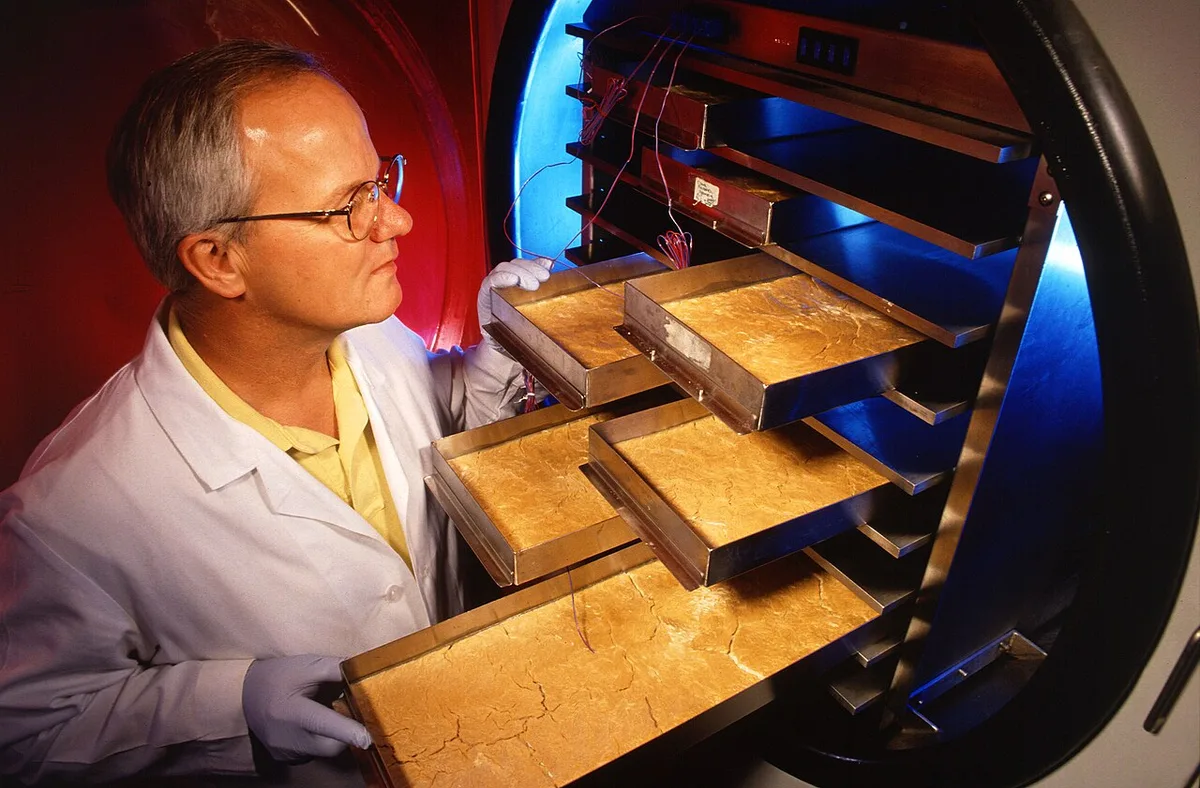
Typical cycle times run 12 to 24 hours, depending on moisture content and pod density. Once the cycle ends, check for dryness by testing a piece at room temperature. It should break cleanly with a snap, not bend or feel cold.
If it flexes, return it for extra dry time.
Freeze Drying vs. Dehydrating vs. Freezing Okra
People often ask before investing the time: why not just use a dehydrator or a regular freezer? That's a fair question, and the answer depends on how you plan to use the okra down the line. Each method has a clear place.
Dehydrating Okra
Dehydrators remove water with heat, leaving okra chewy and leathery. That works okay for snacks, but the texture becomes tough and the flavor concentrates. Dehydrated okra also loses more nutrients because of the heat exposure.
It's a cheaper route, but you'll sacrifice quality.
Freezing Okra
Plain freezing is the easiest method. You blanch, bag, and toss it in the freezer. It keeps for 8 to 12 months at best, and it takes up a lot of space.
If you have a chest freezer and use okra within a year, this is a fine option. But you're tied to preserving that cold chain.
What Freeze Drying Wins At
Freeze drying removes moisture through sublimation, going from solid ice to vapor without melting. That preserves the cell structure and nutrition far better. The result is shelf-stable at room temperature for years, with no freezer space needed.
It's also lightweight, which makes it ideal for camping and backpacking meals. For long-term storage, this method beats the other two by a wide margin.
| Method | Shelf Life | Texture | Storage | Nutrient Retention | Best For |
|---|---|---|---|---|---|
| Freeze Drying | 10–25 years | Crisp, rehydrates well | Pantry, compact | Excellent | Long-term storage, snacks, lightweight meals |
| Dehydrating | 1–2 years | Chewy, leathery | Pantry, compact | Good | Snacks, cooking in moderation |
| Freezing | 8–12 months | Soft, closer to fresh | Freezer, bulky | Good | Short-term use, family meals |
Common Okra Mistakes and How to Troubleshoot Them
Even experienced freeze dryer users hit snags with okra. The good news is that most mistakes are fixable. Here's what typically goes wrong and how to handle it.
Soggy or Chewy Rehydrated Okra
This is the #1 complaint. It happens when the okra wasn't fully dried or the rehydration time was too long. Test your dried pieces before storing.
They should be brittle, not pliable. When you rehydrate, use boiling liquid and check texture after 5 to 10 minutes. Don't soak it overnight.
Clumping on Trays
Sliced okra releases natural mucilage, which gets sticky as it dries. If pieces overlap, they'll glue together. The fix is straightforward: keep a single layer and leave a gap between rounds.
If you pre-freeze properly, the pieces stay separate and don't stick.
Woody Pods That Never Soften
Okra that was too mature when picked won't rehydrate well. Those large, tough pods have a fibrous structure that no drying method can fix. The solution is sorting at the start.
Pick young, tender pods for freeze drying. Reserve the big ones for gumbo or discard them.
Winny Discoloration and Sliminess
Browning occurs when you skip blanching. Sliminess appears when you over-hydrate or rush the process. Both are manageable.
Blanch properly and store your finished okra in an airtight container. For a deeper dive into moisture issues and sticking, you can check out how sticky candy batches happen, but the principles are the same. If your first batch doesn't come out perfect, adjust one variable at a time.
That's the way to dial in your own routine.

Similar Posts