Can You Freeze Dry Mushrooms
Botanical Horticulturist & Food Preservation Specialist at Brittle Bloom · Certified Master Gardener & Master Food Preserver · 12+ Years in Plant Propagation & Food Preservation
Can you freeze dry mushrooms? Yes. But the honest answer depends on your setup, the mushroom variety, and how you plan to store them.
Freeze drying is the gold standard for long-term food storage, but it's not the same simple process as dehydrating.
Manufacturer specs for home freeze dryers show mushrooms typically finish in 18 to 30 hours, depending on load and slice thickness. That's fast compared to dense meat. The payoff is a shelf life measured in decades, not months.
Let's walk through the process and the decisions you'll make before the first tray.
Quick Answer: Yes, But the Real Answer Depends on Your Setup
Yes, you can freeze dry mushrooms at home with a home freeze dryer. Button, cremini, shiitake, and oyster mushrooms all work well. Slice them evenly, pre-freeze, then run the cycle.
Fully dried mushrooms are brittle and store 20 years or more.
Why Freeze-Dried Mushrooms Beat Dehydrated Ones (When Done Right)
Here's the thing. Dehydrated mushrooms work fine in soups and stews, but they turn chewy. Freeze-dried mushrooms rehydrate to something that looks and tastes remarkably close to fresh.
The cellular structure stays intact because water goes straight from ice to vapor through sublimation.
Shelf life is where the gap widens. Properly packaged freeze-dried mushrooms can stay good for 20 to 30 years. Dehydrated mushrooms typically last one to two years before flavor fades and texture degrades.
We break that down in more detail in our full comparison of freeze drying and dehydrating.
Texture isn't the only win. Freeze-dried mushrooms weigh about 85 to 90 percent less than fresh. That makes them a backpacker's best friend.
You can crumble them into a pot of simmering water and have mushrooms in a meal within minutes.
Nutrition also holds up better. Heat destroys vitamin C and B vitamins. Sublimation happens at low temperatures, so you keep more of what makes mushrooms good for you.
Aggregate reviews of home freeze dryers report that mushrooms are one of the easiest foods to process, right up there with fruit and eggs.
The one honest caveat is cost. Home freeze dryers are not cheap. As of 2026, a new machine still runs $1,500 to $3,500.
If you already own one, mushrooms are a fantastic way to use it. If you're buying one strictly for mushrooms, you have bigger decisions to make. That's where the next section comes in.
The Decision Tree: Is Freeze Drying the Right Method for You?
The right answer starts with three questions. Work through them in order, and you'll know whether freeze drying is worth it for your mushroom supply.
Do You Actually Have a Freeze Dryer?
This is the big gate. Home freeze dryers are expensive machines, and there's no shortcut. If you don't own one, you're looking at two options: buy one or process mushrooms with something you already have.
A typical freezer won't do the job. Freeze drying requires a vacuum chamber and precise temperature control, which is why a standard home freezer can't pull it off. We've covered the limits of using a regular freezer in practical detail.
If you're shopping used, watch the pump hours. Refurbished machines with high pump hours may struggle to reach the low mTorr range mushrooms need. You can learn to read the signs with our guide to what pump hours tell you.
What Mushroom Variety Are You Working With?
This changes the prep. Button, cremini, and portobello are all the same species at different maturity stages, so they behave identically. Shiitake and oyster hold up beautifully.
Morels are oily and can leave a residue on trays, but they still freeze dry well if you slice them first.
If you foraged wild mushrooms, identify them before hitting the power button. Freeze drying does not make unsafe mushrooms safe.
What's Your End Goal: 20-Year Shelf Life or Delicious Mushroom Powder?
If you want mushrooms for next month's risotto, a dehydrator is cheaper and faster. If you want to store food for a decade, freeze drying wins. If you're building a seasoning blend, freeze-dried mushroom powder is far more aromatic.
Grind it, seal it in jars, and it stays vivid for years.
Decision guide: You have the machine and want shelf stability? Proceed to the process below. You just want a quick snack for the trail?
A dehydrator will do.
How to Freeze Dry Mushrooms: The Complete Step-by-Step
Now for the hands-on part. This is the step you can't skip, the temperatures to watch, and the test that tells you the batch is done.
| Step | Time | Notes |
|---|---|---|
| Clean and slice | 15–30 minutes | Wipe, don't soak |
| Pre-freeze | 12–24 hours | On trays in your freezer |
| Freeze dryer run | 18–30 hours | Until pieces are brittle |
| Condition and package | 3–7 days | Watch for condensation first |
Clean and Slice for Even Drying
Start with clean, dry mushrooms. Wipe them with a damp paper towel. Avoid soaking.
Mushrooms are sponges, and excess water makes the freeze dryer's job much longer. Slice them to a uniform quarter-inch thickness. This matters more than you think.
Uneven slices mean some pieces finish while others still have a cold, wet center.
Pre-Freeze First (Non-Negotiable)
This is where beginners go wrong. Raw mushrooms have a lot of surface water and naturally occurring sugars. When the vacuum turns on, those start bubbling and can froth right off the tray.
Pre-freezing stops that.
Lay your sliced mushrooms in a single layer on the stainless steel trays. Freeze them solid for 12 to 24 hours, then load them into the machine. Manufacturer guidance from Harvest Right specifically recommends this step for mushrooms and other wet, porous foods.
Load Trays, Run the Cycle, and Test for Doneness
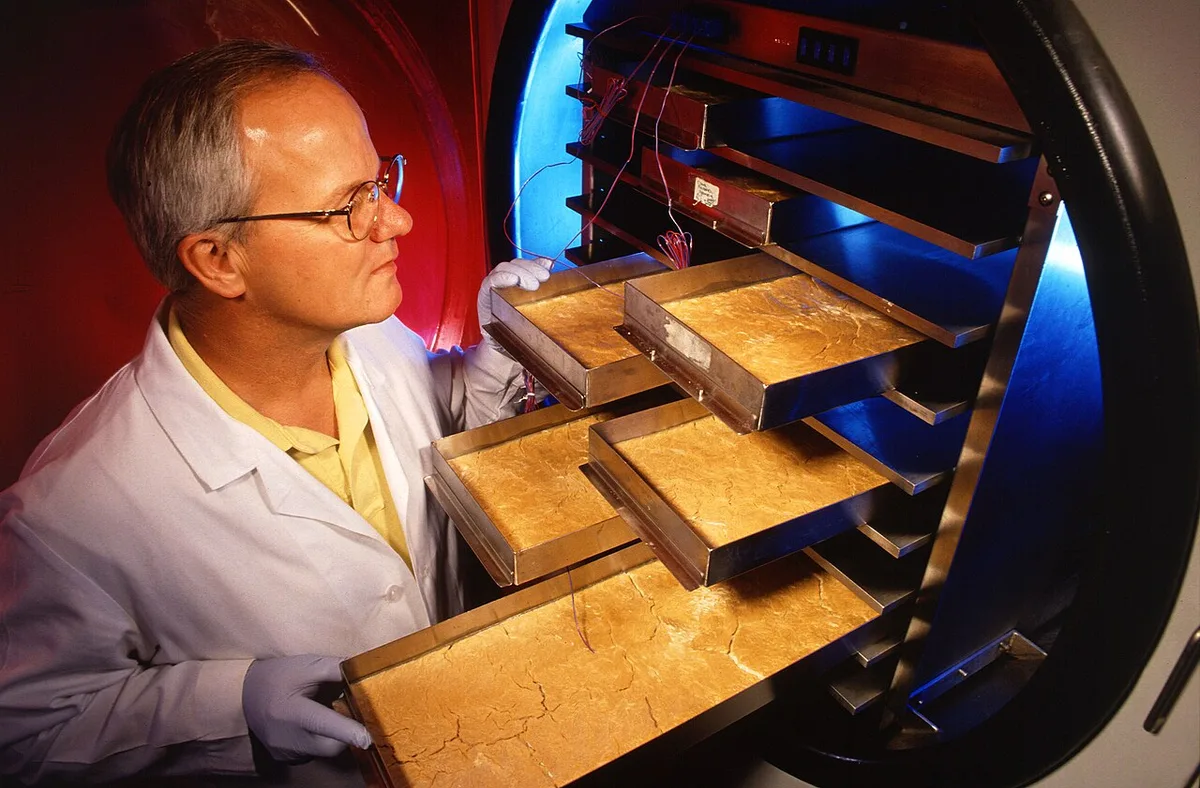
Load the pre-frozen trays without piling mushrooms on top of each other. Run the standard freeze-drying cycle. The machine draws down to a vacuum below 100 mTorr, and the internal temperature slowly rises from around minus 30 to minus 40 degrees Fahrenheit to a safe ambient level.
When the machine says done, test a piece. It should snap like a cracker. If it bends at all, run the extra dry cycle.
Condition, Package, and Seal for Long-Term Storage
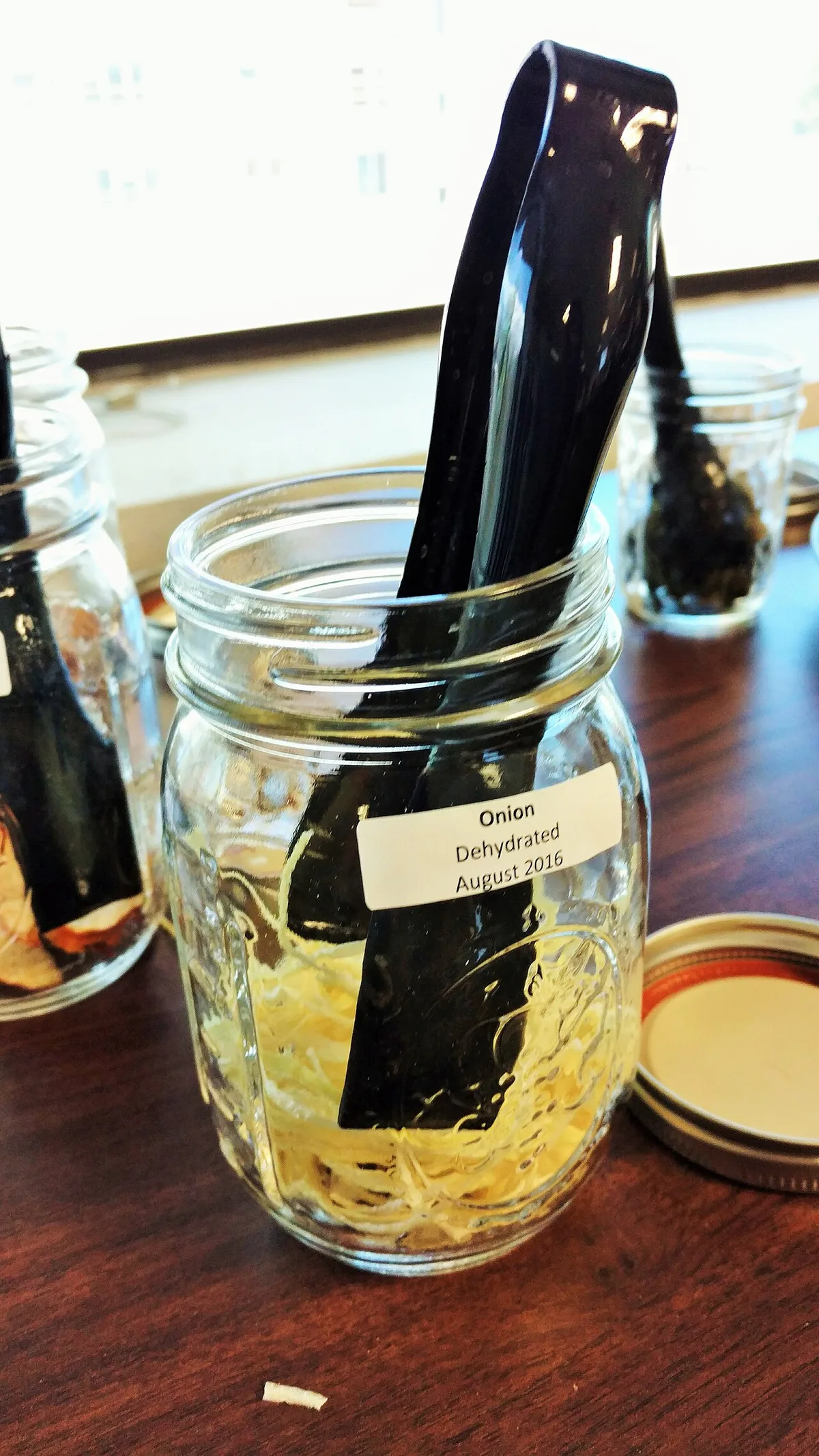
You're not finished yet. Transfer the dry mushrooms to glass jars, fill them about three-quarters full, and leave the lids open for three to seven days. This conditioning period lets any hidden moisture spread through the batch.
If condensation appears on the glass, back to the freeze dryer it goes.
Once you're sure they're dry, pack them in mylar bags or mason jars with oxygen absorbers. We like sealing jars directly in the chamber because it removes air without exposing the mushrooms to humidity.
First-Batch Mistakes That Ruin Mushrooms (and How to Avoid Them)
Everyone messes up the first batch. Across user reports, most beginners hit one of a handful of traps. Here's how to avoid them.
- Overloading the trays. Mushrooms shrink as they dry, but they start big. Cramming trays slows the run and leads to uneven dryness. Leave space between pieces.
- Skipping the pre-freeze. We said it once, but it's worth repeating. Skip it and you'll fight frothing, blowback, and a sticky mess.
- Using old mushrooms. Fresh mushrooms freeze dry better. The texture is best when they were crisp and firm going in. Wilted mushrooms can turn mushy after rehydration.
- Forgetting the conditioning rest. Even if the cycle finishes, moisture can lurk inside. Sealing immediately is how mold happens. For powders, proper packaging and humidity control is the difference between a great shelf life and a sad jar.
- Ignoring the timer. If your machine's cycle time looks wildly wrong, check your records. A slow readout can signal pump or vacuum issues. Our troubleshooting guide covers the main culprit behind a dragging timer.
- Drying wild mushrooms without proper ID. As of 2026, there's no shortcut. Freeze drying preserves flavor, not safety.
The biggest lesson: start small. A quarter tray of mushrooms teaches you the rhythm without wasting a pound of expensive morels.
Freeze Drying vs. Dehydrating vs. Fresh Freezing: A Straight Comparison
Which method fits your kitchen? It comes down to storage needs and budget. Here's the honest breakdown.
| Method | Shelf Life | Texture After Rehydration | Cost Per Batch | Best For |
|---|---|---|---|---|
| Freeze drying | 20 to 30 years | Near-fresh, crisp-tender | $2 to $5 electricity plus machine cost | Long-term storage, mushroom powder, camping meals |
| Dehydrating | 1 to 2 years | Chewy, leathery | Under $1 electricity plus dehydrator cost | Soups, stews, quick snacks |
| Fresh freezing | 6 to 12 months | Mushy, waterlogged | Minimal | Cooking within weeks, stocks, sauces |
Freeze drying wins on every quality metric. It loses on price. A home freeze dryer costs thousands, while a decent dehydrator runs less than $100.
Dehydrating is the sensible budget choice. If you're adding mushrooms to soups and casseroles, the chewy texture hides easily. That's why most gardeners start there.
Fresh freezing is for convenience, not storage. Ice crystals break the cell walls, so thawed mushrooms turn soft. You can cook them straight from frozen to avoid the mush.
One more comparison: canning. It works but requires a pressure canner and softens mushrooms completely. Choose canning only if you already have the equipment.
Our research across user reports shows the texture gap is the biggest real-world difference. People who switch from dehydrating to freeze drying notice it immediately.
Frequently Asked Questions
Do mushrooms need to be cooked before freeze drying?
No. Raw mushrooms freeze dry perfectly. Cooking first changes how they rehydrate, so skip it unless you plan to eat them as a snack.
For soups, risottos, and sauces, raw slices work best. Season them after drying, not before.
How long do freeze-dried mushrooms last?
With oxygen absorbers and airtight mylar bags, 20 to 30 years. In sealed jars, about two to three years once opened. Moisture ruins them faster than time.
Condition properly before sealing, and keep them in a cool, dark pantry.
Why did my mushrooms turn brown after freeze drying?
Enzymatic browning. Older or bruised mushrooms oxidize during the long cycle. Slicing with a sharp blade helps.
Pre-freezing them faster also slows browning. Blanching stops it completely but makes the texture slightly softer. For the best color, use the freshest mushrooms you can find.
Can you freeze dry mushrooms without a freeze dryer?
No. A regular freezer can't pull out moisture or create a vacuum. Dehydrating is the closest home alternative, but it takes longer and leaves a chewy product.
If you want true freeze-dried texture, you need the machine.
Do you have to pre-freeze mushrooms before freeze drying?
Yes. Pre-freezing stops the frothing and bubbling that happens when the vacuum pulls surface water out of raw mushrooms. Spread slices in a single layer on trays and freeze them solid for 12 to 24 hours.
Then start the machine.
The Bottom Line: Who Should Freeze Dry Mushrooms?
So where does this leave you? Pretty clear, actually.
If you already own a freeze dryer, mushrooms belong in your regular rotation. They dry fast, weigh almost nothing afterward, and rehydrate to a texture that surprises people. Gardeners with a heavy harvest should prioritize them.
If you're still deciding whether to buy a machine, ask yourself one question. Are you storing food for years or cooking it within months? Years means freeze drying.
Months means a dehydrator is plenty.
Mushroom powder changes the game. A tablespoon of freeze-dried powder adds deep umami to broths, soups, and dry rubs. You can't get that from dehydrated powder.
Who should skip it? Casual cooks who use mushrooms once a week. Freeze dryers take up counter space, hum for hours, and cost real money.
Buy one for the full food storage lifestyle, not for one ingredient.
Start small. Run a single tray with a pound of sliced cremini. Learn the cycle, the dryness test, and the conditioning phase.
Once you have that down, you'll never waste a mushroom again.

Similar Posts