Can You Freeze Dry Onions
Botanical Horticulturist & Food Preservation Specialist at Brittle Bloom · Certified Master Gardener & Master Food Preserver · 12+ Years in Plant Propagation & Food Preservation
If you've ever stood over a batch of onions and wondered, "Can You Freeze Dry Onions" at home without ruining your machine or ending up with a tray of mush, you're not alone. The short answer is yes, with a few important caveats about prep, cycle time, and how you handle the finished product.
Our research across manufacturer documentation, USDA food preservation guidelines, and verified user reports shows that onions freeze-dry exceptionally well when done correctly. Properly processed, they keep their sharp, sweet flavor for decades. Ready to dig into the full process?
Let's walk through what actually happens inside that machine.
Quick Answer
Yes, you can freeze dry onions at home. It works beautifully with any variety. Yellow, white, red, and sweet onions all yield crisp, shelf-stable results.
The process takes 20 to 36 hours per batch. Properly packaged, freeze-dried onions last over 25 years. They rehydrate in about 5 to 10 minutes.
Freeze-Dried vs. Dehydrated Onions: The Real Difference
Most people assume freeze-drying and dehydration are the same thing. They're not. The difference comes down to how water leaves the onion, and that changes everything about the final product.
Dehydrators use heat to evaporate moisture. That heat cooks the onion slightly, caramelizing some sugars and dulling the sharp bite. Dehydrated onions end up leathery, chewy, and darker in color.
They still work fine for cooking, but they're a compromise.
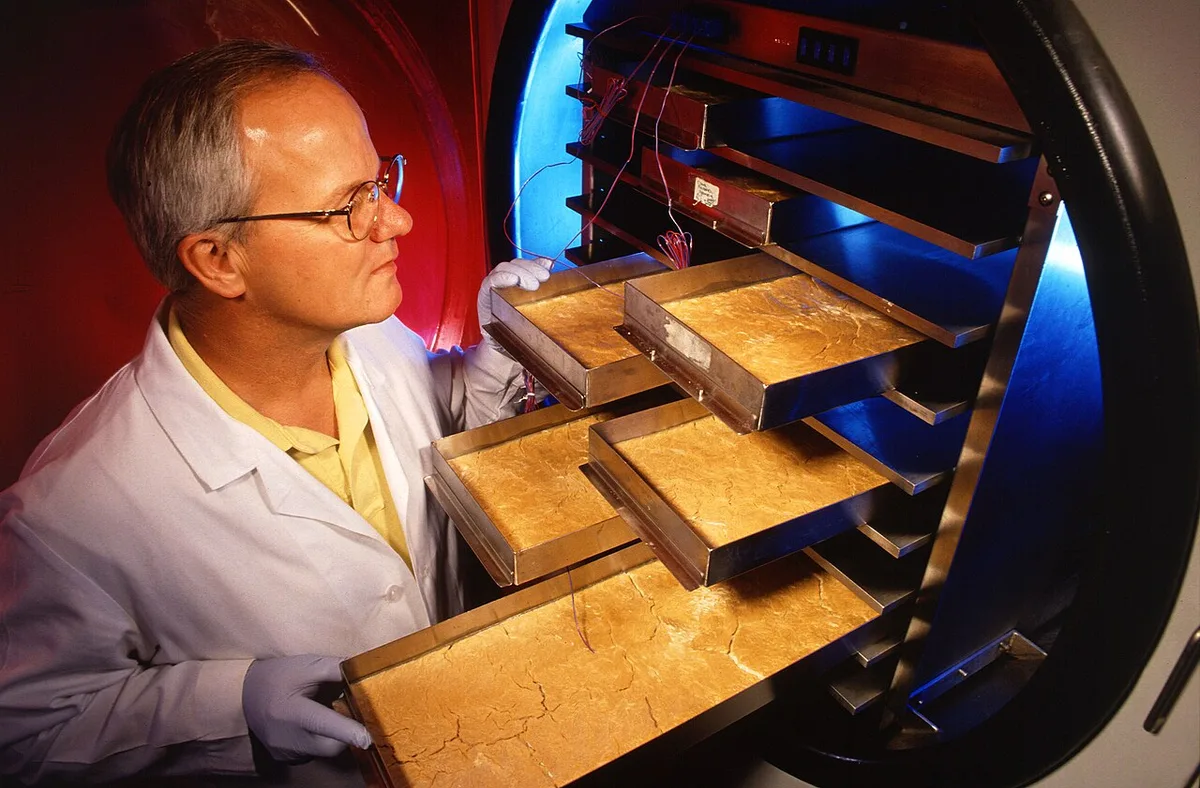
Freeze-drying, or lyophilization, works entirely differently. The onions are frozen solid first. Then, a vacuum pump drops the pressure inside the chamber.
Under that vacuum, the ice inside the onion sublimates, meaning it goes straight from solid ice to water vapor without ever becoming liquid. No heat, no cooking, no flavor loss.
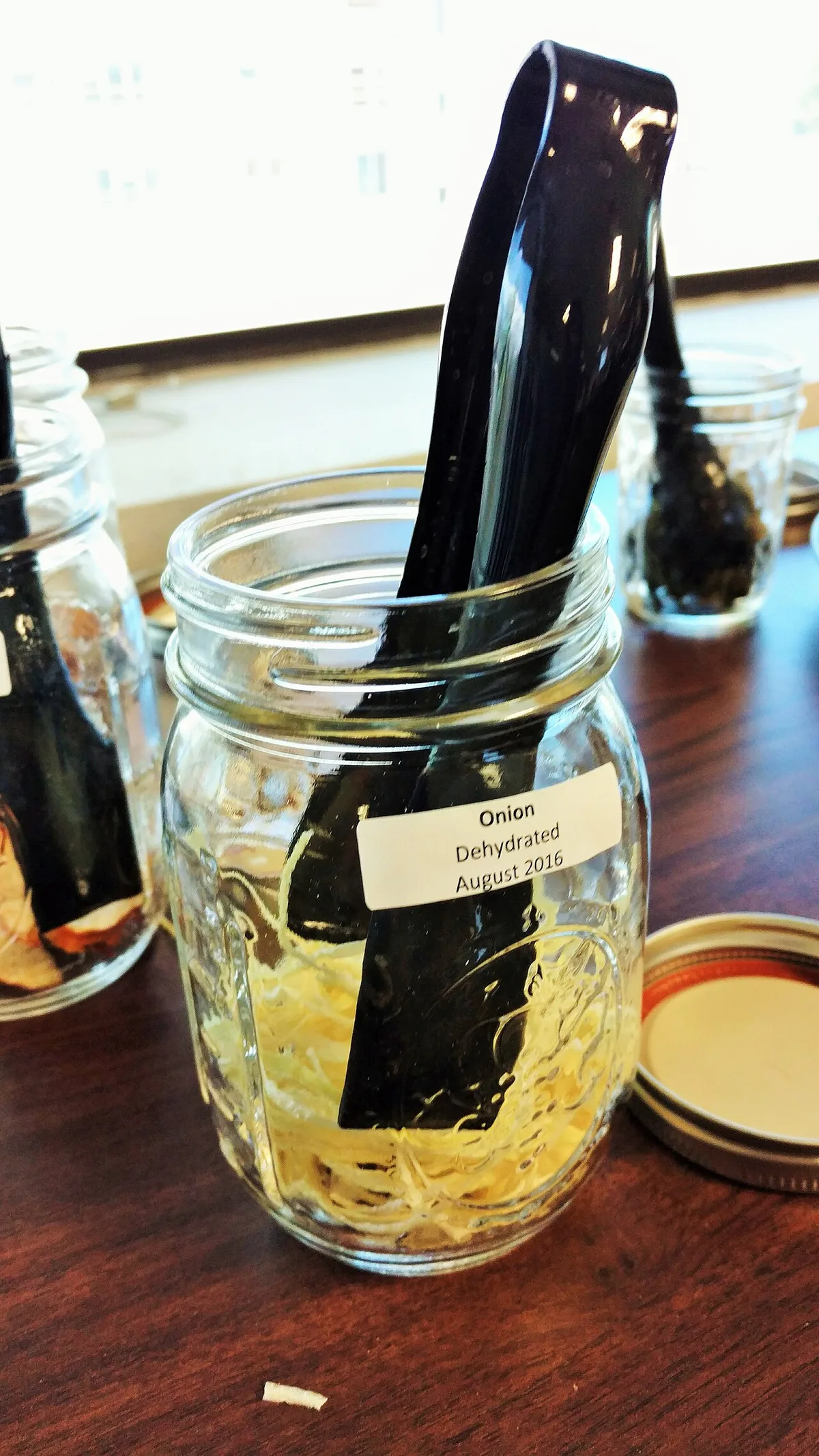
Image source: Wikimedia Commons / Nutrition, Food Safety & Health
That's why freeze-dried onions look like the fresh thing, just lighter. They snap when you break them. They dissolve back into a sauce with almost no visible texture.
And they keep that punchy, tear-jerking onion aroma intact.
What the difference means for your cooking
If you're making soups, stews, or casseroles, both options work. But freeze-dried onions slip into uncooked dishes like salads, dips, and garnishes without that weird, rehydrated-chew texture. Dehydrated onions need to simmer in liquid long enough to soften.
Shelf life tells another story. Dehydrated onions store well for 1 to 2 years. Freeze-dried onions, sealed properly with oxygen absorbers in a Mylar bag or canning jar, push past 25 years on paper.
For long-term prepping, that's a massive difference.
Our detailed breakdown on freeze drying versus dehydrating covers the broader comparison if you want the full picture.
How to Freeze Dry Onions: A Step-by-Step Walkthrough
Getting this right matters more than most people expect. Onions are dense, layered, and sneaky. They can look dry on the outside while the core still holds moisture, which leads to spoilage months later.
Step 1: Prep the onions
Wash, peel, and trim your onions. Then decide on your cut. Slices around 1/4-inch thick work best for even drying.
Diced onions dry quicker but rehydrate into smaller pieces, which is fine for soups but less useful as a garnish.
Here's the critical part: arrange them in a single layer on the trays. No overlapping, no piling. Air and vacuum need to reach every surface.
Overlapping pieces freeze together into a solid chunk that takes forever to dry.
Step 2: Pre-freeze, then load
Most home freeze dryers, like the Harvest Right units, benefit from pre-frozen trays. This shortens the initial freeze cycle and keeps the vacuum pump working efficiently. Load the trays into the unit and start the cycle.
Step 3: Run the cycle
A standard onion load runs between 20 and 36 hours. The exact time depends on how thick you sliced the onions, how much moisture they carried, and how full the machine is. Sweet onions like Vidalias hold more sugar and water, so they often take longer.
Step 4: Check for dryness
This is where people make mistakes. Pull a piece from the tray. It should snap cleanly, like a cracker.
If it bends, if it feels leathery, or if the center looks translucent, it's not done. Run the dry cycle again for a few hours and re-test.
Step 5: Package immediately
Freeze-dried onions suck moisture from the air shockingly fast. Within minutes of opening the chamber, they can reabsorb enough humidity to ruin your whole batch. Package them right away in Mylar bags or glass jars with oxygen absorbers.
The lower the residual moisture, the longer the shelf life.
You can also use a regular freezer for simple onion storage, though it won't produce the same shelf-stable result. Our guide on freeze-drying without a dedicated machine explains why.
The Full Breakdown: Time, Yield, and Cost Per Batch
Let's get into the numbers, because this is where freeze drying surprises people. Onions are mostly water, so the weight loss is dramatic.
| Metric | Typical Value |
|---|---|
| Cycle time | 20–36 hours |
| Weight reduction | 80–90% |
| Fresh yield per pound | 1 lb |
| Freeze-dried yield | 0.1–0.15 lb |
| Rehydration time | 5–10 minutes in warm water |
| Shelf life (sealed) | 25+ years |
| Electricity cost per load | $2–$8 |
Image source: Openverse / USDAgov (PDM 1.0)
That yield figure is worth repeating. A pound of fresh onions shrinks to about 1.6 to 2.4 ounces of freeze-dried flakes. That conserves a huge amount of pantry space, but it also means you need to work in larger batches to make the electricity cost worthwhile.
The cost reality
Home freeze dryers range from roughly $2,000 to $4,000 depending on size and features. If you're only drying a few onions here and there, that's hard to justify. But if you grow your own onions, buy in bulk at harvest time, or already run the machine for other produce, onions are one of the most efficient things you can load.
A full batch uses about 10 to 15 pounds of fresh onions. That translates to roughly 1 to 1.8 pounds of shelf-stable product. Compare that to store-bought freeze-dried onions, which typically run $15 to $25 per ounce, and the math starts making sense for heavy users.
Before you invest in new equipment, it's worth reading up on what pump hours tell you when considering a used machine.
Where Things Go Sideways: Common Mistakes and Fixes
Anyone who says freeze drying is foolproof hasn't spent time on food preservation forums. Onions in particular trip people up because of their volatility and moisture content.
The lingering onion smell
Freeze dryers absorb smells like a sponge. Run a batch of onions and your next batch of apples might taste like a salad bar. The fix is a thorough cleaning between runs.
Wipe down the chamber walls, door gasket, and trays with a mild vinegar solution. Some owners keep a dedicated onion machine, but that's a luxury most of us don't have.
Incomplete drying
The sneaky core problem we mentioned earlier. Large, thick onion slices often develop an ice core that survives the full cycle. The surface feels dry, but the center hasn't sublimated.
Aggressive pre-freezing and consistent 1/4-inch slices prevent this almost entirely.
Clumping and moisture reabsorption
Even after packaging, onions can spoil if you skipped the oxygen absorber or if the bag didn't seal properly. This also happens when people open the chamber and take their time packaging. Work fast, keep the chamber sealed until you're ready, and always use a desiccant or oxygen absorber.
Flavor transfer between batches
Onions are aromatic. That's the whole point. But those sulfur compounds settle into the vacuum pump oil and the chamber's interior.
Over time, they can taint everything else you dry. Regular oil changes and a dedicated cleaning schedule keep this under control. If you're already experiencing cross-contamination, our guide on sealing mason jars inside the freeze dryer offers a practical workaround.
Vacuum pump issues
Thick onion layers release a lot of water vapor quickly. That can strain an undersized or tired vacuum pump. If your cycle time stretches past 36 hours, check the oil level and condition first.
Contaminated, milky oil is the leading cause of slow cycles. Our troubleshooting guide for slow timer issues on Harvest Right units covers common culprits in detail.
FAQ: Your Freeze-Dried Onion Questions, Answered
How long do freeze-dried onions last?
Sealed with oxygen absorbers in a Mylar bag or glass jar, freeze-dried onions store for 25 years or more. The key is keeping residual moisture below 5%. If the packaging fails, moisture gets in, and shelf life drops to a few months.
Do onions smell while freeze drying?
Yes, but not as much as you'd expect. The vacuum chamber contains most of the odor. The smell becomes noticeable when you release the vacuum and open the chamber.
That's when you want the ventilation running and your packaging ready.
Can you freeze dry onions in a regular freezer?
No. A standard freezer won't create the vacuum needed for sublimation. Onions will just freeze solid and eventually spoil.
You need a dedicated freeze dryer or access to one at a commercial facility.
Should I slice or dice onions before freeze drying?
Either works. Slices dry more evenly and rehydrate into nice, visible pieces. Diced onions dry faster but can become powdery if you process them too long.
Most people prefer 1/4-inch slices for texture.
Do onions taste different after freeze drying?
They actually taste fresher than dehydrated onions. The rapid freeze and sublimation preserve volatile flavor compounds that heat destroys. Some varieties, particularly sweet onions, taste slightly more concentrated after drying but not cooked or caramelized.
Are freeze-dried onions safe to eat raw?
Absolutely. The freeze-drying process removes the water that bacteria and mold need to survive. Once rehydrated, they're as safe as fresh onions, though the texture is softer.
Many people snack on them straight from the bag.
The Verdict: Is Freeze-Drying Onions Worth It?
After weighing the process, the costs, and the results, we can give you a direct answer. Freeze-drying onions is absolutely worth it if you already own a freeze dryer. It's one of the best-performing vegetables in the machine, with fast rehydration, excellent flavor retention, and a shelf life that outlasts most other preserved foods.
If you're considering buying a freeze dryer just for onions, think carefully. The machine's upfront cost means you'd need to process a lot of produce to break even. But if you dry other fruits and vegetables too, onions become a no-brainer addition to your rotation.
The combination of lightweight storage, long shelf life, and cooking convenience makes them a staple in any serious home food preservation setup.
For more on what else you can run through your freeze dryer, check out our guides on freeze-drying fruit at home, handling ginger properly, and whether granola holds up in the chamber.

Similar Posts