Can You Freeze Dry Fruit at Home
Botanical Horticulturist & Food Preservation Specialist at Brittle Bloom · Certified Master Gardener & Master Food Preserver · 12+ Years in Plant Propagation & Food Preservation
Can you freeze dry fruit at home? Yes, but there's a catch. The process needs either a dedicated freeze dryer that costs thousands of dollars, or dry ice, a cooler, and several days of patience.
A regular freezer alone won't do it. That's the most common misconception, and it wastes a lot of perfectly good strawberries.
Freeze-drying, also called lyophilization, works through sublimation. Ice goes directly from solid to vapor without ever becoming liquid. Home freeze dryers create that condition with a vacuum pump, which is why they carry the price tags they do.
As of 2026, the dry-ice route costs roughly $50 to $100 in materials per batch. Let's walk through your real options.
The Freezer Myth: Why Freeze-Drying Needs More Than Cold
Why a regular freezer won't work (and what actually happens instead)
Your kitchen freezer is a storage tool, not a drying machine. It holds fruit at 0°F, but the water inside stays right where it is. Ice crystals form, some cell walls rupture, and the fruit turns soft when thawed.
No water actually leaves the fruit.
Freeze-drying needs sublimation, and sublimation needs a vacuum. As pressure drops, frozen water escapes directly as vapor. A freezer has no vacuum pump and no way to capture moisture that escapes.
So fruit stays frozen, and frozen is not the same as freeze-dried.
If you've ever found a bag of frozen berries coated in frost, you've seen the problem. That frost is moisture migrating to the surface. In a freeze dryer, that moisture gets pulled out and removed.
In a freezer, it recrystallizes and keeps degrading the fruit. The USDA's frozen food guidance confirms that freezing preserves food by slowing spoilage, not by removing water.
The quick answer: yes, but there are only two realistic routes
So, can you freeze dry fruit at home? Yes, but you need the right tools. One route is a dedicated home freeze dryer.
The other is the dry-ice method. Both work, and both have trade-offs. Pick poorly, and you'll either overspend or end up with leathery fruit that belongs in the dehydrated category.
Let's map your options.
Map Your Options: Freeze Dryer, Dry Ice, or Just Buying It
The three paths explained without fluff
Route one is the machine. A home freeze dryer costs $1,800 to $4,500 depending on size. It delivers the best, most consistent result, and it runs mostly unattended.
A typical fruit cycle takes 24 to 36 hours.
Route two is dry ice. You layer frozen fruit with dry ice inside an insulated cooler, then wait three to seven days. It's cheap and surprisingly effective for some fruits.
It also needs more hands-on attention than you might expect.
Route three is store-bought freeze-dried fruit. It costs more per ounce, but there's zero equipment, zero risk, and zero cleanup. For small batches, it's often the smartest choice.
Cost and effort at a glance
| Method | Upfront Cost | Time Per Batch | Shelf Life | Best For |
|---|---|---|---|---|
| Home freeze dryer | $1,800 to $4,500 | 24 to 36 hours | 15 to 25 years | Regular, large batches |
| Dry ice + cooler | $50 to $100 | 3 to 7 days | 1 to 2 years | Occasional batches |
| Store-bought | Per ounce | None | Long | Rare use, small volume |
If you're also wondering whether a dehydrator can get you close, a separate comparison shows how much the results differ. Dehydrators use heat, not cold. Texture, nutrition, and shelf life are all in different leagues.
And if you're brand new to this, our companion guide walks through the essentials in more depth. That's a good starting point before you spend any money.
Route One: Using a Dedicated Home Freeze Dryer
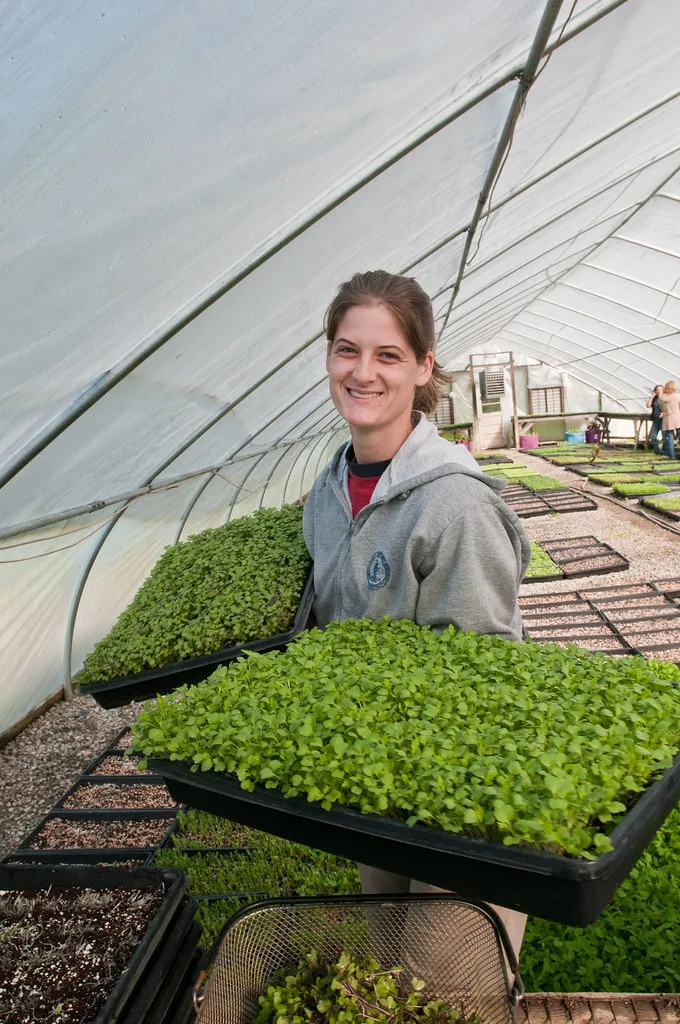
Image source: Openverse / USDAgov (PDM 1.0)
What it actually costs and how long it takes
A home freeze dryer is a serious appliance, not a countertop toy. The smallest new units start around $1,800, and the large ones push past $4,000 before accessories. You'll also buy vacuum pump oil, mylar bags, oxygen absorbers, and extra electricity.
Most machines draw 8 to 12 amps while running.
Fruit cycles typically finish in 24 to 36 hours. That includes freezing, primary drying, and final warm-up. You can't rush it.
Open the chamber early, and moist air rushes back in, undoing the batch.
Step-by-step: prep, load, run, seal
- Wash, peel if needed, and slice fruit evenly. Aim for 1/4 to 1/2 inch thick.
- Pre-freeze the fruit solid. Most manufacturers require this before loading.
- Arrange pieces in a single layer on trays, with small gaps between pieces.
- Load the trays and start the cycle.
- Monitor the pressure gauge. When it stops rising, the batch is likely done.
- Remove fruit right away and seal it in mylar bags with oxygen absorbers.
The machine method's pros and honest cons
Pros are obvious. Consistent results, long shelf life, and very little hands-on time after you hit start. The cons are price, noise, heat, and maintenance.
The vacuum pump needs fresh oil every few batches. If you're shopping used, the pump's condition tells you if the deal is actually good.
For most people, a freeze dryer only makes sense if you're already preserving full meals. If you're doing fruit alone, the payback period is long. But if you've got a garden overflowing with berries, the math changes fast.
Route Two: The Dry-Ice Budget Method
What you need and where to buy dry ice
The dry-ice method is the budget route, and it genuinely works. You need dry ice, an insulated cooler, paper towels, and time. Dry ice is sold at many grocery stores, hardware chains, and specialty ice suppliers.
Expect to pay $1 to $3 per pound, and a batch usually needs 10 to 20 pounds.
Dry ice sits at -109°F, far colder than any home freezer. That's essential because the fruit must stay solidly frozen while moisture slowly sublimates out.
Step-by-step: layer, wait, check, store
- Freeze the fruit solid in your regular freezer first.
- Line the bottom of the cooler with paper towels.
- Layer dry ice, then frozen fruit, then more dry ice. Keep repeating.
- Leave the cooler lid cracked open. Airflow gives moisture an escape route.
- Wait 3 to 7 days, swapping in fresh dry ice if the fruit isn't crisp yet.
- When the fruit shatters like a cracker, package it right away.
Safety basics before you start
Dry ice is not a toy. It causes frostbite on bare skin, and it releases carbon dioxide as it sublimates. Work in a ventilated area and wear insulated gloves.
Never seal the cooler completely, because the expanding gas pressure can force the lid off violently.
The National Center for Home Food Preservation has safety documentation on freezing and drying food, and their guidance aligns with what we've described here. Some fruits handle the dry-ice method better than others. We've covered what happens with apples, and they come out crisp and clean.
High-sugar fruits like peaches can stay sticky and difficult to fully dry. Still, for the cost of a couple of pizzas, you can experiment without a big commitment.
Mistakes That Ruin a Batch and How to Catch Them Early
Why "dry" fruit can still spoil (residual moisture test)
Fruit can look dry outside and still hold moisture in the center. If you seal it anyway, that trapped water creates mold over weeks or months. The fix is simple.
Put the dried fruit in a sealed glass jar for 2 to 3 days. If condensation appears on the glass, it needs more drying time.
For long-term storage, the target is 1 to 3 percent residual moisture. That's what gives freeze-dried fruit its legendary 15 to 25 year shelf life.
Packaging failures and how to avoid rehydration
Mylar bags with oxygen absorbers are the gold standard. Regular plastic bags and non-airtight jars let moisture sneak back in, turning crispy fruit into chewy disappointment. After all that work, that's a brutal ending.
If you're unsure about the process, the detailed storage walkthrough covers packaging, conditioning, and labeling so your stash stays intact.
Slicing, pre-freezing, and loading errors that waste money
- Slices too thick: moisture gets trapped in the center, and the cycle never completes.
- Slices too thin: fruit sticks to trays and tears apart during removal.
- Overlapping pieces: airflow gets blocked, and the fruit dries unevenly.
- Skipping pre-freeze: fruit thaws when the chamber pulls vacuum and collapses into leather.
- Overloading the cooler: in the dry-ice method, crowded fruit dries unevenly and can spoil.
Each mistake costs a whole batch. The same rules apply to other foods, andthe same moisture trap is why candy turns chewy. Trapped water is always the root cause, and the fix is the same every time.
Dry it fully, test it in a jar, and seal it fast.
The National Center for Home Food Preservation backs this up. Their drying guidelines stress the same moisture limits we've described here.
Treat every batch as a test run. Note the fruit type, slice thickness, cycle time, and final texture. If something fails, you'll know exactly what to change next time.
Get those basics right, and you'll be producing crisp, shelf-stable fruit without wasting a single strawberry.
the same moisture trap is why candy turns chewy. Trapped water is always the root cause, and the fix is the same every time. Dry it fully, test it in a jar, and seal it fast.
The National Center for Home Food Preservation backs this up. Their drying guidelines stress the same moisture limits we've described here.
Treat every batch as a test run. Note the fruit type, slice thickness, cycle time, and final texture. If something fails, you'll know exactly what to change next time.
Get those basics right, and you'll be producing crisp, shelf-stable fruit without wasting a single strawberry.
Final Verdict: Which Method Fits Your Situation?
Pick the machine path if…
Choose the freeze dryer when you're preserving more than fruit. If you're already drying full meals, meats, or leftovers, the machine's cost spreads across everything you run. It also makes sense if you want maximum shelf life.
No other home method reaches that 15 to 25 year mark.
The machine is also best for people who want consistent results with minimal babysitting. Slice, load, press start, and return tomorrow. In our research, buyers with gardens or bulk produce suppliers recovered their investment fastest.
Pick the dry-ice path if…
The dry-ice route works when you want to experiment without spending thousands. It's perfect for a one-time batch of strawberries or a test run with apples. You get real freeze-dried fruit for the cost of dry ice and a cooler you probably already own.
It also suits small batches. If you're only drying a few pounds a month, the machine's price tag is hard to justify. Just know the texture may vary between fruits.
High-sugar fruits like peaches can stay sticky.
Pick store-bought if…
Buying freeze-dried fruit makes sense when quantity is low and convenience is high. A $5 bag of store-bought strawberries costs more per ounce, but there's zero cleanup and zero risk. If you need freeze-dried fruit for a specific recipe, not a pantry, just buy it.
A simple decision flow to wrap it up
| Your Situation | Best Choice |
|---|---|
| Large garden, weekly batches, want decades of shelf life | Freeze dryer |
| Occasional batches, tight budget, just learning | Dry ice |
| Rare use, small amounts, need it now | Store-bought |
Still unsure? The full beginner guide walks through the entire setup process in more depth. It's a solid starting point before committing to any equipment.
Frequently Asked Questions
Can I use a dehydrator instead?
Yes, but you'll get a completely different product. Dehydrators use heat to remove water, which changes texture and destroys more vitamin C. Freeze-dried fruit stays crispy and retains its shape.
Dehydrated fruit comes out chewy and leathery. The comparison between the two matters more than you'd think.
How do I know when freeze-dried fruit is fully done?
Crispness is the test. Fruit should shatter or snap cleanly when broken. If any piece bends, it has residual moisture.
Place the batch in a sealed glass jar for 2 to 3 days. Condensation on the glass means it needs more drying time.
How long can home freeze-dried fruit actually last?
With proper packaging, most sources estimate 15 to 25 years. That requires mylar bags, oxygen absorbers, and storage below 70°F. The moisture target is under 3 percent.
Skip any of those steps, and the shelf life drops to months.
Is a freeze dryer worth it for just fruit?
Almost never, if fruit is all you're drying. At a typical batch size, you'd need hundreds of batches to justify the machine's cost. It becomes worth it when you're preserving full meals, meat, or garden surplus.
The equipment's strength is variety, not single-ingredient use.
Can I freeze-dry fruit in my regular freezer?
No. A standard freezer keeps fruit frozen but never removes the water. Freeze-drying requires vacuum pressure for sublimation, which a freezer can't create.
If you want shelf-stable fruit, choose the machine or dry-ice method instead.
What fruits freeze-dry best at home?
Strawberries, blueberries, raspberries, apples, and mangoes give the best results. Their low sugar content means clean, crisp finishes. High-sugar fruits like peaches and bananas work but can stay sticky and need longer drying cycles.
Slice everything thinner than half an inch for even results.

Similar Posts