Freeze Dry vs Dehydrated
Botanical Horticulturist & Food Preservation Specialist at Brittle Bloom · Certified Master Gardener & Master Food Preserver · 12+ Years in Plant Propagation & Food Preservation
If you're weighing freeze dry vs dehydrated food for your pantry, you're not alone. Both methods remove water to preserve food, but they go about it in completely different ways. Those differences decide texture, nutrition, and how long your food actually stays good.
Per USDA guidelines, freeze-drying removes about 98% of moisture through sublimation, while dehydrating leaves roughly 10% to 20% behind. That's why freeze-dried meals carry a 25-year shelf life claim, while dehydrated foods typically last 1 to 5 years. Understanding that gap is the first step in choosing what fits your kitchen and your budget.
Quick Answer: What's the Real Difference Between Freeze-Dried and Dehydrated?
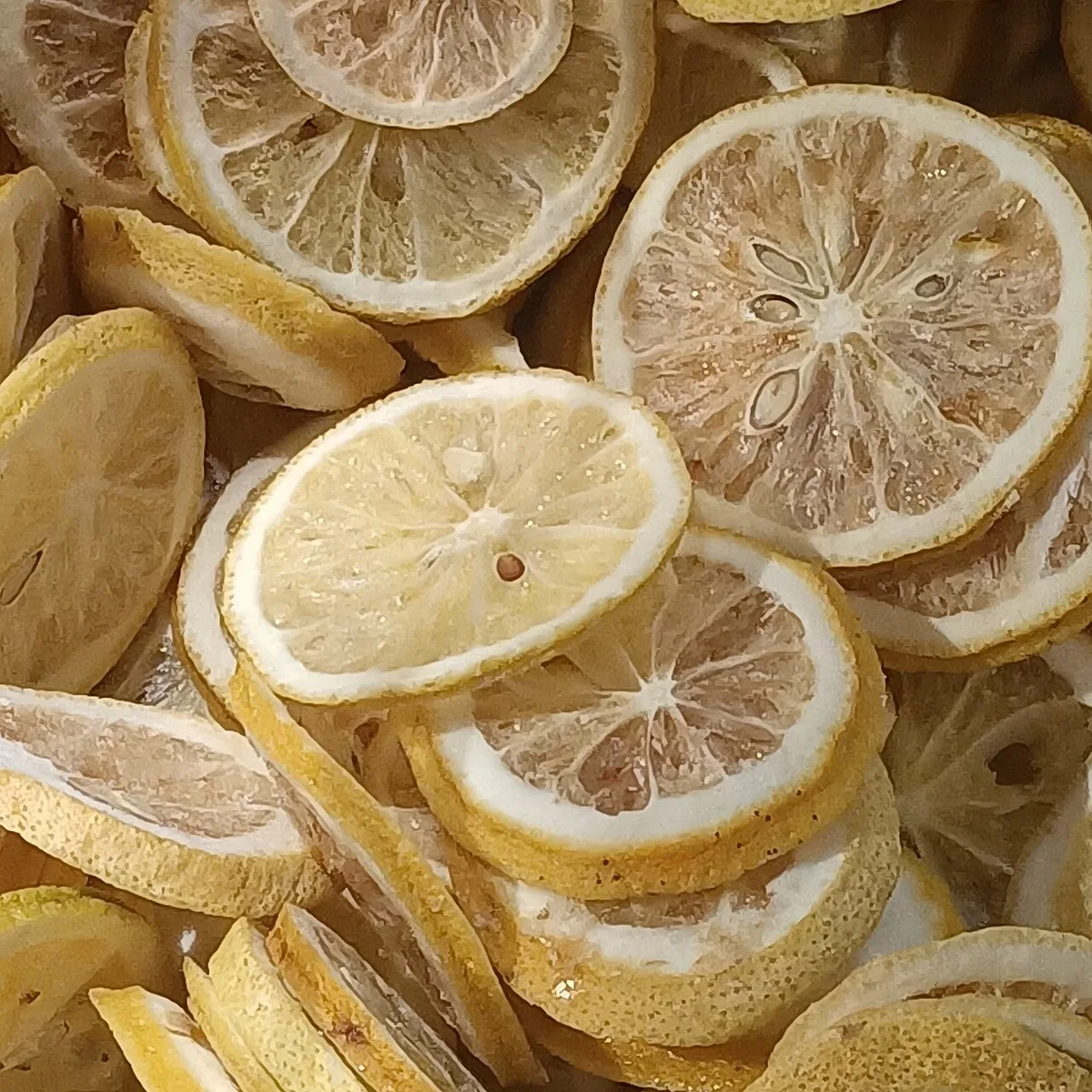
Freeze-dried food is frozen first, then placed in a vacuum so the ice turns directly into vapor. This process, called sublimation, preserves the food's original shape and cellular structure. You end up with light, crispy pieces that rehydrate in minutes.
Dehydrated food, by contrast, is slowly dried with warm circulating air. The result is denser, chewier, and tougher, with more moisture still locked inside.
So the short version: freeze-drying is the premium preservation method, and dehydrating is the budget-friendly classic. If you only need snacks for the next year, dehydration is plenty. If you're building a long-term pantry, freeze-drying is worth the investment.
How Each Method Works: Sublimation vs Heat Drying
Freeze-drying works through sublimation. Food is frozen solid first, usually to about -40°F. Then the chamber pulls a strong vacuum, and gentle heat makes the ice turn directly into vapor.
This bypasses the liquid phase entirely, keeping cell walls intact. The whole cycle runs 20 to 40 hours, depending on load size.
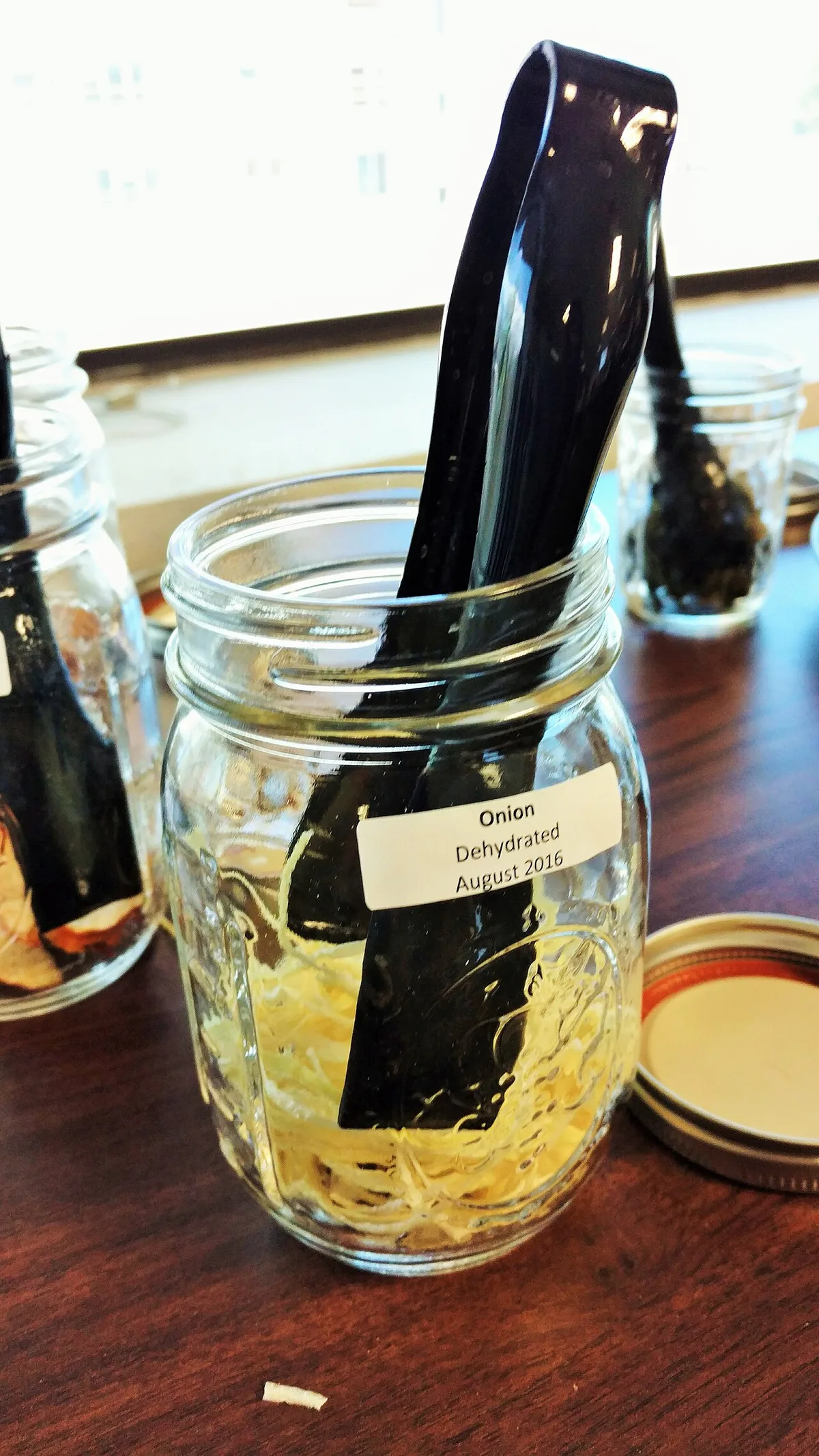
Dehydrators take a simpler approach. Warm air, typically 125°F to 165°F, circulates over sliced food for 4 to 12 hours. That heat evaporates liquid water from the cells.
It's quicker and dramatically cheaper, but it also shrivels the food and destroys more heat-sensitive vitamins like vitamin C.
The remaining moisture is why dehydrated items spoil sooner. It's also why the texture is so different. Heat collapses cell walls, leaving that familiar leathery fruit-strip bite.
If you're comparing sealing options after the drying is done, our notes on sealing methods walk through what actually keeps food fresh long-term. The USDA's food safety guidance spells out official moisture targets for dried foods.
Head-to-Head Comparison: Freeze-Dried vs Dehydrated
Here's the honest side-by-side. Neither method is universally better. The right call shifts depending on your storage goals and budget.
| Factor | Freeze-Dried | Dehydrated |
|---|---|---|
| Shelf life | 25+ years | 1-5 years |
| Texture | Crisp, airy | Chewy, leathery |
| Rehydration | Minutes, near-original | Slower, denser |
| Nutrient retention | High | Moderate |
| Equipment cost | $2,000-$5,000 | $30-$300 |
| Cycle time | 20-40 hours | 4-12 hours |
| Moisture left | About 2% | 10-20% |
Freeze-Dried Pros and Cons
Pros: light and crispy, rehydrates fast, keeps color and flavor, ideal for long-term emergencies. Cons: heavy upfront cost, long runtimes, and the machine is loud while it works.
Dehydrated Pros and Cons
Pros: affordable, quick, and perfect for jerky, fruit leather, and herb drying. Cons: denser texture, shorter shelf life, and heat takes a toll on sensitive nutrients.
Best Use Cases: Which One Fits Your Life?
Freeze-drying shines when weight, quality, and longevity matter most. Backpackers love it because a full meal weighs a fraction of its fresh weight and rehydrates with just hot water. Emergency preppers love it for the 25-year shelf life.
And if you grow your own food, freeze-drying lets you store the harvest without cramming freezers.
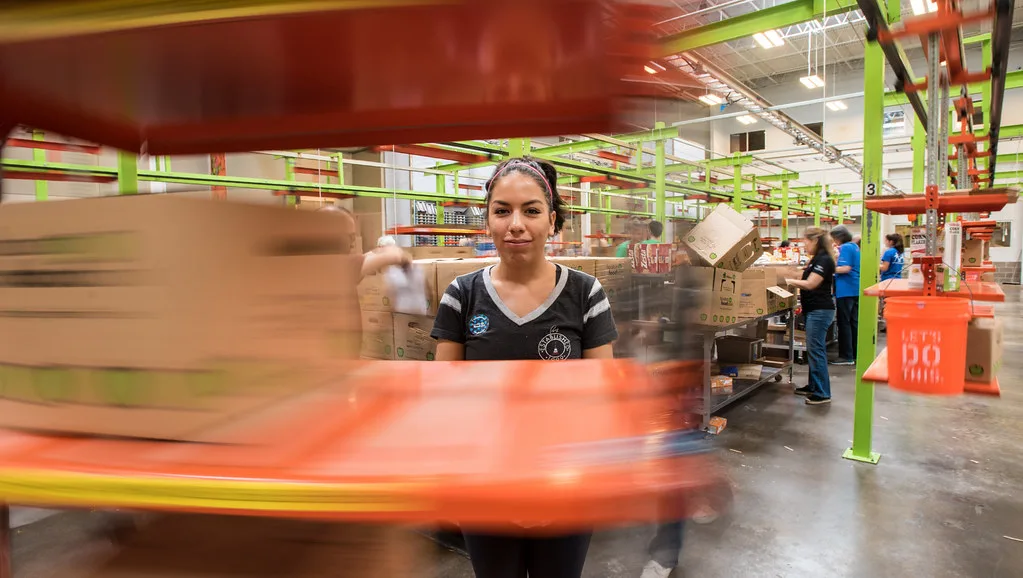
Image source: Openverse / USDAgov (PDM 1.0)
Dehydration wins in the day-to-day kitchen. It's perfect for beef jerky, apple chips, banana slices, herbs, and fruit leather. These are snacks you'll eat within a year, so the shorter shelf life never becomes a problem.
If you plan to preserve sweets, expect humidity to fight you. That's the main reason candy comes out tacky unless you seal it fast.
If you're torn, ask what you're actually storing. Hiking meals or an emergency pantry? Go freeze-dried.
Jerky and fruit snacks? Stick with a dehydrator.
For the practical details, our breakdown of setting up a home freeze dryer covers equipment and space needs. And once the drying is done, don't skip proper storage. Our long-term pantry setup notes explain the airtight packaging side.
Costs and Real Numbers: What You're Actually Paying
Here's where the freeze dry vs dehydrated decision gets real. As of 2026, a home freeze dryer runs roughly $2,000 to $5,000 depending on size. Add accessories, oil, and extra trays, and the starting price creeps higher.
A solid dehydrator, by comparison, costs $50 to $250.
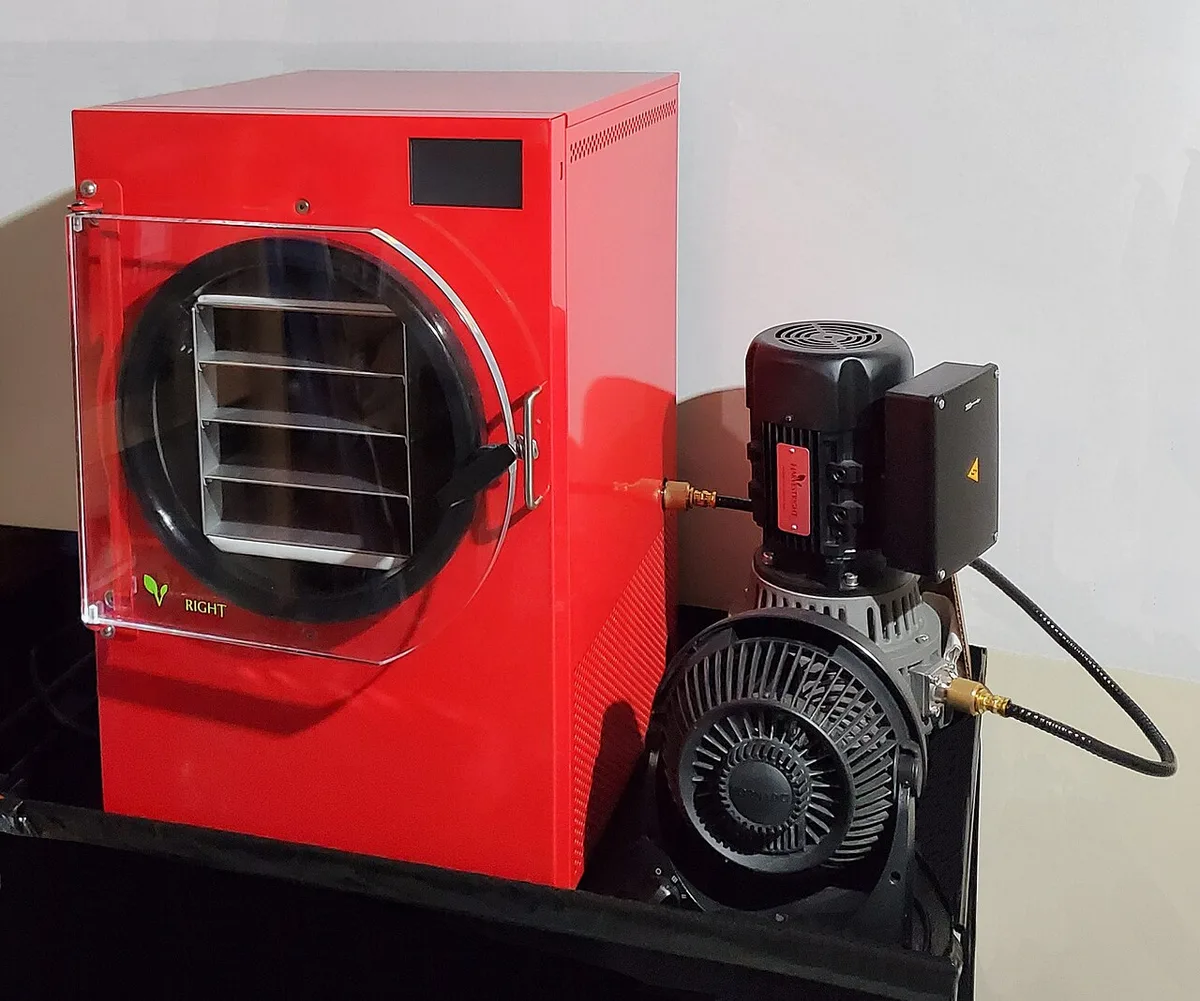
Image source: Wikimedia Commons / JK Nair (CC BY-SA)
Freeze dryers also draw serious power. Each 20 to 40 hour cycle can add a noticeable chunk to your electric bill. This is especially true if you run several loads a week.
Dehydrators use far less energy per batch, though they still run for hours.
Before buying used, check the pump hours. It's the best single predictor of remaining machine life. Our notes on buying a used freeze dryer explain what to look for.
The National Center for Home Food Preservation publishes current guidance on safe drying methods. Its recommendations align with what you'll see from manufacturers. Worth bookmarking before you spend money.
Common Mistakes to Avoid
The biggest mistakes happen before the machine even turns on. Most buyers pick a method first and think about their actual needs second. That gets expensive fast.
- Buying a freeze dryer for snack-sized batches. If you only want jerky and fruit leather, a $3,000 machine won't pay for itself. A dehydrator handles those jobs perfectly for a fraction of the cost.
- Packing before the food is fully dry. Trapped moisture is the number one cause of spoilage in both methods. Freeze-dried food should crack like a crisp chip. Dehydrated food should show zero signs of flexibility in the center.
- Overlooking tricky foods. High-fat items like cheese and chocolate behave poorly in both machines. They need careful temperature control and often come out greasy. Our notes on high-fat items like cheese explain the finicky parts.
- Leaving freeze-dried food exposed to open air. It reabsorbs moisture and turns limp within hours. Seal it immediately in airtight containers with oxygen absorbers.
FAQ: Quick Answers to Common Questions
Which method lasts longer?
Freeze-dried food wins by a wide margin. Properly sealed, it stays safe to eat for 25 years or more. Dehydrated food typically holds up for 1 to 5 years, depending on moisture and storage conditions.
Is freeze-dried food healthier?
Generally, yes. Freeze-drying happens at low temperatures, so heat-sensitive vitamins like vitamin C and B-complex survive better. Dehydration exposes food to hours of sustained heat, which degrades more nutrients.
What foods can't you freeze-dry?
Pure fats, alcohol, and very sugary syrups don't work well. That said, the surprising range of foods that freeze-dry successfully is broad, from apples to full cooked meals.
Do I need both machines?
Not unless you're a serious prepper or homesteader. Most people get more value from one method based on their goals. Dehydrators cover everyday snacks.
Freeze dryers handle long-term storage.
Final Verdict: What Should You Choose?
If you're a backpacker, emergency prepper, or home gardener with surplus harvests, freeze-drying wins. The 25-year shelf life, light weight, and fresh taste justify the upfront cost. It's the closest thing to fresh food in a pouch.
If you're a home cook who wants jerky, herb drying, and fruit snacks, a dehydrator is the smarter buy. It's quick, affordable, and perfectly suited for food you'll eat within a year.
Our research shows most households start with a dehydrator, then graduate to a freeze dryer when storage goals shift. That's a reasonable path. Start small.
Match the machine to the meals you actually store, not the ones you imagine storing.

Similar Posts