Can You Eat Sunflower Petals?
Botanical Horticulturist & Food Preservation Specialist at Brittle Bloom · Certified Master Gardener & Master Food Preserver · 12+ Years in Plant Propagation & Food Preservation
Can You Eat Sunflower Petals? Here's What You Need to Know
You've probably stared at a sunflower in your garden or on your plate and wondered, can you eat sunflower petals? The short answer is yes, most sunflower petals are safe to eat. But there's a catch, and it's worth understanding before you start adding them to your salads.
Sunflowers belong to the Asteraceae family, one of the largest plant families in the world. This same family includes lettuce, chicory, and artichokes, along with mugwort and ragweed. As of 2026, edible flower use in home cooking has grown steadily, but most home gardeners still aren't sure which flowers are safe to eat raw.
The truth is, eating sunflower petals is more about knowing what to avoid than what to pick. Let's walk through everything you need to know before you harvest.
Quick Answer
Yes, you can eat sunflower petals. They're safe for most people and add a mild, earthy flavor with a slightly bitter edge to dishes. That's the simple answer.
The bigger question is whether the specific flowers you have are safe to eat. Ornamental sunflowers sold at florists often carry pesticide residues. Culinary sunflowers or homegrown organic varieties are your best bet.
Petal color and condition matter too. Fresh, vibrant petals from young blooms taste better than older, browning ones. The green base where petals attach is bitter and tough, so remove it before eating.
What Sunflower Petals Actually Taste Like
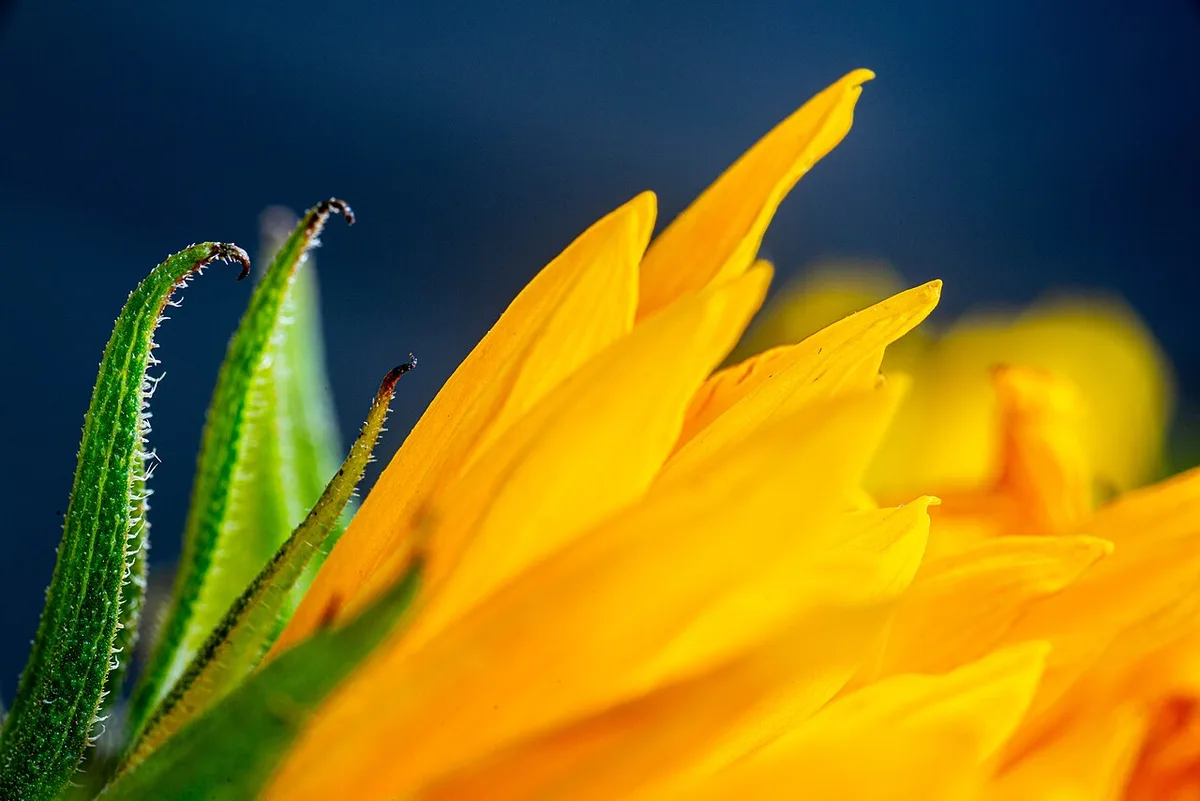
Sunflower petals taste like a cross between a mild green vegetable and raw artichoke. They're not sweet, not floral, and not particularly strong. Think of them as a subtle, vegetal garnish rather than a flavor-packed ingredient.
The bitterness you might notice comes mostly from the green parts. The petal itself has a gentle earthiness, but the white or green base where it connects to the flower head is noticeably bitter. If you're eating them fresh, pinch off that base section.
Variety plays a huge role in taste. Culinary sunflower varieties like 'Mammoth Grey Stripe' or 'Sunbeam' tend to have milder, more pleasant petals. Ornamental varieties bred for looks rather than taste can be more bitter or fibrous.
Some red and bi-colored varieties like 'Ruby Eclipse' have a slightly more intense flavor.
Texture is worth mentioning too. Fresh petals are soft and delicate, almost silky. They wilt quickly after harvesting, losing that crispness within a few hours.
If you pick them early in the morning when they're fully hydrated, they hold up better.
The Real Risks: Pesticides, Allergies, and the Bitter Bit
Let's talk about what could actually go wrong. Because while sunflower petals are edible, they're not automatically safe to eat just because they're flowers.
Pesticide residue is the biggest concern. Most sunflowers sold at florists, nurseries, or big-box garden centers are treated with fungicides, insecticides, or growth regulators. These chemicals aren't approved for human consumption. Eating petals from these plants means ingesting whatever was sprayed on them.
Even a small amount can cause stomach upset or worse.
The safest options are homegrown sunflowers you've never sprayed or those explicitly labeled as culinary. Farmers markets sometimes carry edible flowers, but always confirm how they were grown.
Allergy cross-reactivity is the second risk. Sunflowers are part of the Asteraceae family, which includes ragweed. If you have hay fever triggered by ragweed, you may also react to sunflower petals. Symptoms range from mild oral itching to more serious reactions.
The University of Nebraska-Lincoln Extension notes that people with known ragweed allergies should exercise caution with any Asteraceae family flower.
The green parts are the third issue. The calyx, the green structure holding the petals, is tough and bitter. The center disc where seeds develop is woody and not pleasant to eat. Stick to the colorful petals themselves.
If you've never eaten sunflower petals before, try a tiny piece first. Wait a few hours to see if you have any reaction. This is especially important for children or anyone with existing food allergies.
How to Harvest and Prepare Sunflower Petals Safely
Harvesting sunflower petals is straightforward, but a few steps make the difference between a pleasant garnish and a disappointing mouthful.
Step 1: Pick the right flower. Choose sunflowers at their peak bloom, when petals are fully open but not yet drooping. Younger blooms have better texture. Avoid flowers with browning petals or visible pollen dust coating the surface, as they're past their prime.
Step 2: Harvest in the morning. Early morning, after dew has dried but before the sun gets intense, is ideal. Petals are fully hydrated and less likely to wilt immediately.
Step 3: Remove the petals gently. Hold the flower head with one hand and grasp petals at the base with the other. A gentle tug usually releases them cleanly. Or you can use scissors to snip petals where they attach to the head.
Step 4: Remove the green base. This is the most important step. The white or green section where the petal attaches is bitter. Trim it off with kitchen shears or your fingernail.
It's tedious but worth it.
Step 5: Rinse and dry. Place petals in a colander and rinse gently under cool running water. Pat them dry with paper towels or a clean kitchen towel. Excess moisture speeds up wilting.
Step 6: Store properly. Fresh petals last 2 to 3 days in the refrigerator. Layer them between damp paper towels in an airtight container. Check daily for any signs of sliminess or browning.
For longer storage, you can dehydrate petals at a low temperature around 95°F to 110°F. Dried petals work well for teas or as a crumbled topping, but they won't have the same fresh texture.
Ways to Use Them (And When to Skip It)
Sunflower petals shine as a visual garnish. Their bright yellow or orange color adds instant appeal to salads, desserts, and drinks. In our research, most home cooks use them precisely this way.
Salads are the most straightforward application. Toss a handful of fresh petals into a green salad right before serving. They pair well with vinaigrette dressings and mild greens like butter lettuce or spinach.
Desserts benefit from candied petals. Brush petals with a light egg white wash, dust with superfine sugar, and let them dry on parchment paper. The result is a delicate, slightly sweet decoration for cakes and pastries.
Cocktails and mocktails get a festive touch from floating petals. Drop them into the glass just before serving. They won't change the flavor much, but they look beautiful.
Infusions are another option. Steep a handful of petals in warm water for a light, floral tea that's low in caffeine but pleasant in flavor. You can also add petals to white vinegar and let it sit for a week to create a subtly flavored vinegar.
Here's when to skip them entirely. If the flower shows any sign of mold or insect damage, if you don't know the growing history, or if you have a known ragweed allergy, skip the petals.
Also, don't bother trying to cook them into dishes. Heat destroys their delicate texture and bright color. They're a finishing ingredient, not a cooking ingredient.
Raw sunflower petals are best used fresh, within a day or two of harvesting. Sunflower buds cooked like artichoke hearts are a completely different dish worth trying, but that's a different conversation entirely.

Similar Posts