Can You Freeze Dry Hops
Botanical Horticulturist & Food Preservation Specialist at Brittle Bloom · Certified Master Gardener & Master Food Preserver · 12+ Years in Plant Propagation & Food Preservation
Every September, hop growers face the same dilemma. Fresh cones come off the bine in a glut, and they degrade fast. Within 24 hours of harvest, quality starts dropping.
Within a week, you've lost most of that bright, aromatic character that makes wet-hop beer special.
So can you freeze dry hops to fix this? Yes, you absolutely can. Freeze drying preserves the volatile oils much better than conventional heat drying, but there are real tradeoffs you need to see before buying or firing up a machine.
As of 2026, home freeze dryers run roughly $2,000 to $4,000, and a single batch of wet hops takes 24 to 48 hours to process. That's a significant investment in time and money. The real question isn't whether it works.
It's whether it's worth it for your specific brewing setup.
Quick Answer
Yes, you can freeze dry hops. It preserves aroma and essential oils better than heat drying. Whole cones work best.
Pellets can be freeze dried too, but they lose some lupulin. The process takes 24 to 48 hours. Store the finished product in vacuum-sealed bags with oxygen absorbers.
What Changes the Answer: Hop Form, Batch Size, and Brewing Use
The short answer to "can you freeze dry hops" is yes. But the useful answer depends entirely on your situation. Three variables change everything: what form your hops are in, how much you're processing, and what you plan to brew with them.
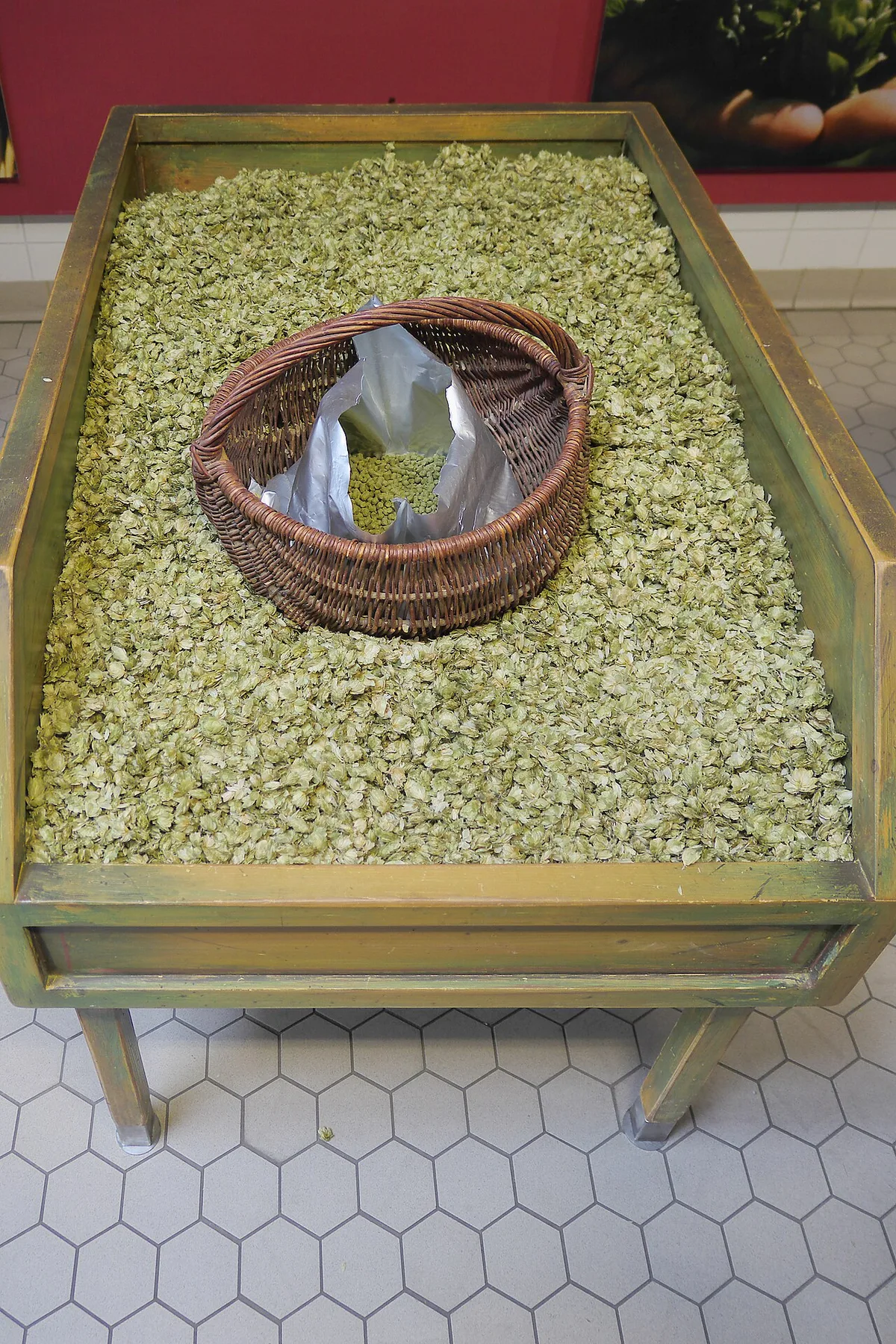
Image source: Wikimedia Commons / Membeth
Hop Form
| Hop Form | Freeze Dry Suitability | Key Consideration |
|---|---|---|
| Fresh whole cones | Excellent | Best retention of volatile oils; extremely brittle when finished |
| Wet hop pellets | Good | Holds shape well; slightly longer cycle time |
| Dried whole cones | Fair | Low moisture already; less benefit over standard storage |
| Commercial T-90 pellets | Fair | Freeze drying can rupture compressed lupulin glands |
Fresh whole cones are the clear winner. They carry the most moisture and the most volatile aroma compounds, so lyophilization gives you the biggest preservation payoff. Pellets work, but commercial pellets are already dried and sealed for long-term storage.
The benefit shrinks dramatically.
Batch Size
Home freeze dryers vary in capacity, but most models handle 4 to 6 pounds of wet material per load. A typical backyard harvest of 2 to 5 pounds of wet cones fits in one or two batches. A commercial grower with 50 pounds of fresh hops would need dozens of back-to-back cycles, which makes little practical sense.
If you're processing more than 10 pounds of wet hops a season, a home freeze dryer becomes a real time commitment. Some growers split it across multiple runs, spacing them out over a week.
Brewing Use
Whole-cone freeze-dried hops shine in dry hopping. The open structure rehydrates quickly, releasing aromatics into the beer. For bittering additions, they work fine too, but you'll need to recalculate alpha acid utilization since the moisture content differs from standard pellets.
The same applies if you plan to boil them. Freeze-dried cones weigh less per volume, so your measured addition needs adjusting.
Decision Branch: Freeze Drying vs. Standard Freezing Your Hops
If you're trying to decide between these two preservation routes, the decision tree is straightforward. It comes down to how long you need to store the hops and how much processing you want to do.
Choose Standard Freezing If:
- You're storing hops for under 12 months
- You have consistent freezer space available
- You want minimal handling and prep work
- You're preserving commercial pellets, not fresh cones
Standard freezing, with vacuum-sealed bags, keeps hops in excellent shape for up to a year. Many homebrewers report good results at 18 months. The cold simply slows the oxidation process.
Choose Freeze Drying If:
- You need storage beyond 18 months
- You want shelf-stable hops that don't require a freezer
- You're preserving fresh-picked cones
- You plan to make hop powder or experimental brewing ingredients
- You're already running a freeze dryer for other foods
Freeze-dried hops store for several years when packaged correctly. They also ship and travel without cold chain concerns. That's the real edge: independence from a freezer and long-term stability.
The Middle Ground
Some brewers freeze fresh hops first, then freeze dry them later. This works, but the texture can change slightly. Expect more lupulin loss during handling.
If you have 12 months or less of storage ahead, vacuum sealing and freezing is cheaper, faster, and simpler. If you're building a multi-year stash, freeze drying makes sense.
One thing worth noting: the machine does all the heavy lifting, but it isn't a background appliance. Home freeze dryer cycles run uninterrupted, and the total processing time includes your setup and packaging. If your unit has an issue like the timer running slow, you're double-checking cycle lengths manually.
That's a common complaint among owners who push long batches.
How to Freeze Dry Hops: Step-by-Step
Once you've decided to go ahead, the workflow is simple. It's also unforgiving. Here's the full process, with the detail that matters.
Step 1: Prep Your Hops
Start with fresh cones at their peak. Pick out stems, leaves, and damaged cones. You can rinse them gently if they're dusty, but let them air dry on a towel first.
Excess water just extends cycle time and wastes freeze dryer capacity. Aim for whole cones, not crushed material. Broken lupulin glands lead to resinous mess.
Step 2: Pre-Freeze the Trays
Spread the cones in a single layer on stainless steel trays. Avoid overlapping where possible. Place the loaded trays in a standard freezer for 12 to 24 hours.
This flash pre-freeze stops the enzymes and slows degradation before the vacuum phase starts.
Step 3: Load the Freeze Dryer
Transfer the frozen trays into the freeze dryer chamber. Set the machine for a standard cycle. Manufacturer specs typically recommend a shelf temperature of -10°F to -20°F for the freeze phase, with a final target of -30°F to -40°F during primary drying.
Run the vacuum pump continuously throughout the cycle.
Step 4: Monitor the Cycle
Total cycle time for wet whole hops runs 24 to 48 hours. You're watching two things: the ice condenser temperature and the vacuum level. A frozen water layer builds up as moisture sublimes off the hops.
When the readings stabilize and the product weight stops dropping, primary drying is done.
Step 5: Test for Dryness
Weigh a sample before and after a 30-minute rest on your kitchen counter. If the weight stays the same, it's done. If the sample gains weight, it absorbed ambient moisture.
That means it never fully dried. Re-run the dry phase for a few more hours and test again.
Step 6: Package Immediately
Freeze-dried hops are hygroscopic, meaning they pull moisture from the air. Package within minutes of removing them from the chamber. Vacuum seal them in Mylar bags with oxygen absorbers.
Store in a cool, dark cabinet. For long-term storage, this beats refrigerating them.
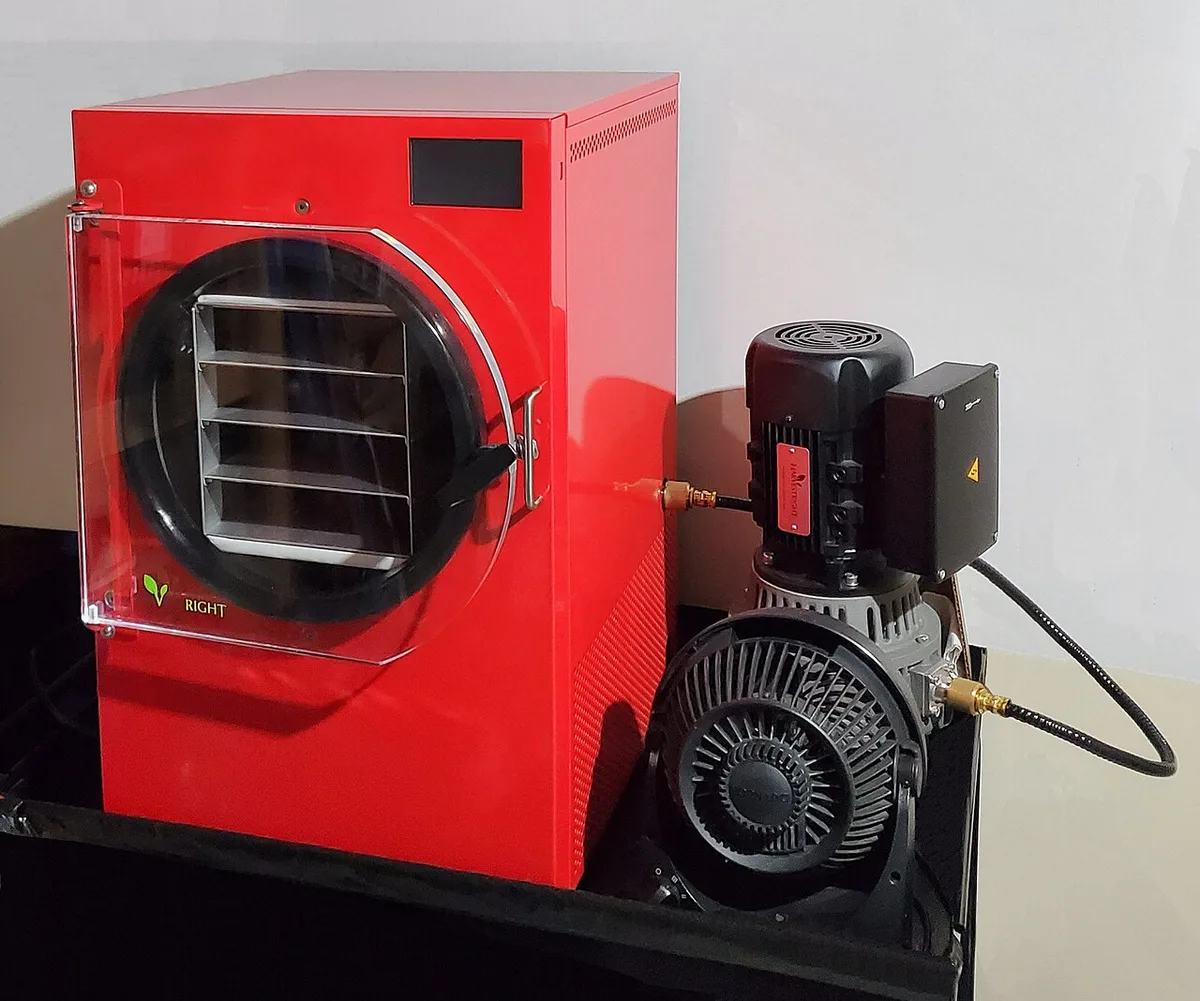
Image source: Wikimedia Commons / JK Nair (CC BY-SA)
Step 7: Clean Up Before It Hardens
Hop resins stick to stainless steel when warm. Wipe tray surfaces and the chamber interior promptly after each run. Use warm, soapy water and avoid abrasive scrubbers that scratch the surface.
Residue left too long becomes sticky and difficult to remove.
Step 8: Crush or Store Whole
Freeze-dried cones are brittle. They shatter with light pressure. That's convenient if you want hop powder for dry hopping.
Crush them carefully into a bowl, then add to your fermenter. If you'd rather keep whole cones, handle with soft tongs and transfer directly into bags.
Mistakes That Ruin Freeze-Dried Hop Cones
Even experienced freeze dryer owners hit some hop-specific pitfalls. These are the ones that cost you aroma, time, or both.
Overloading the Trays
Stacking cones too thickly traps moisture between layers. The outer cones dry, but the inner ones stay damp. That leads to extended runtimes and inconsistent final product.
A single loose layer is non-negotiable.
Running the Cycle Too Warm
Freeze drying only works when the product stays frozen during primary drying. If the vacuum chamber warms up too fast, ice crystals melt and collapse. That ruins the structure completely, and you're left with a soggy, resinous mess.
Crushing Before You Should
Crushing while the cones are fully dehydrated releases lupulin, which sticks to fingers, bags, and grinders. Crush gently, and only when you're ready to use the hops. If you need powder for a dry hop charge, crush it right before adding to the fermenter, not days in advance.
Skimping on Oxygen Barrier
Hops oxidize quickly, especially once dried. The freeze dryer only removes moisture. It does nothing to protect against oxygen.
Use vacuum-sealed Mylar bags or foil-lined pouches with oxygen absorbers rated for a quart jar or larger. A standard freezer bag isn't a barrier.
Storing Near Heat
Even properly dried hops degrade at warm temperatures. The hop storage index (HSI) doubles with every 18°F increase in storage temperature. Keep your sealed hops below 70°F.
Ideally, you're looking at 50°F or cooler. A basement cabinet works well; a shelf above a radiator doesn't.
Ignoring Weight Loss
Wet hops contain 75% to 80% water. A 1-pound charge of wet cones yields roughly a quarter pound of freeze-dried material. That's a major difference when you're planning recipes.
If you don't account for this weight shift, you'll dramatically over-hop your brew. Always weigh the finished product and adjust your additions based on the dry weight.
Troubleshooting Common Issues
| Problem | Likely Cause | Fix |
|---|---|---|
| Rubber-textured cones | Cycle ended too early | Run secondary dry phase longer |
| Sticky residue on trays | Resin warmed before cleanup | Wipe down immediately after unloading |
| Pellets crumbled to dust | Vacuum pressure rose too fast | Use gentler vacuum ramp on next run |
| Hop aroma smells grassy | Oxidation in storage | Re-check bag seals and absorber freshness |
One more note: if you're new to this and wondering whether the same technique applies to other pantry foods, the principles do transfer. The process we've covered here is essentially the same one used for cheaper staples like applesauce or bread, just with sensitive volatile oils at stake. The hops are less forgiving than most fruits or vegetables, so precision matters.
If you're comparing preservation methods more broadly, freeze drying holds up well against dehydrating. It just costs more in equipment and time. But for hops specifically, the aroma retention difference matters more than it does for, say, apple slices.
That's the tradeoff worth understanding before you commit.
Is a Freeze Dryer Worth It? The Verdict
So here's the bottom line. Freeze drying hops makes sense only when you're preserving fresh, wet cones for long-term storage. If you're working with commercial pellets, skip the machine and keep them in a freezer instead.
Run the numbers first. A home freeze dryer costs $2,000 to $4,000. A standard cycle runs 24 to 48 hours and costs about $2 in electricity.
Add the price of Mylar bags, oxygen absorbers, and your own time. Each batch carries real overhead.
Vacuum-sealed freezer storage is far cheaper. A quality sealer costs under $100, and whole cones keep their character for 12 to 18 months at 0°F. Most homebrewers never need more than that.
The math changes when you have a surplus of backyard hops or you want shelf-stable cones for experimenting. Freeze-dried hops last years without refrigeration. The brittle texture also makes hop powder effortless.
We've walked through the whole workflow in our general freeze-drying guide, and hops behave similarly to other high-moisture produce.
Compared to dehydrating, freeze drying holds far more of the volatile hop oils. That's the whole point.
Use this decision rule. One-year horizon or less: freeze. Multi-year stash, fresh harvest, or powder production: freeze dry.
Both methods work. They just serve different calendars.
Research from the USDA shows that properly dried products hold quality far longer than frozen ones. That holds for hops when packaged with oxygen absorbers. And remember, the machine isn't single-purpose.
The same unit handles freeze-dried food storage for the rest of your pantry.
That's the verdict. Freeze drying wins for long-term, aroma-first preservation. Standard freezing wins for simplicity and cost.
Freeze-Drying Hops: FAQs
Can you freeze dry fresh hops at home?
Yes. Use whole cones and a home freeze dryer. Pre-freeze the cones on trays for 12 to 24 hours, then run a standard 24 to 48 hour cycle.
Package them immediately in vacuum-sealed Mylar bags with oxygen absorbers. The process matches what you'd do with other wet produce, like eggplant, but hops demand faster packaging.
Do freeze-dried hops keep their aroma?
Freeze drying preserves more volatile oils than heat drying. The lupulin glands stay mostly intact, though the cones turn brittle. Crushing them releases the same citrusy and piney notes you'd expect from fresh hops, provided you seal them in an oxygen barrier quickly.
How long do freeze-dried hops last?
Stored in a cool, dark place, freeze-dried hops keep quality for 3 to 5 years. The hop storage index rises slowly at room temperature. Keep the sealed bags below 70°F to maximize shelf life.
Should I freeze dry hop pellets?
You can, but it's rarely worth the effort. Commercial pellets are already processed and sealed for long-term storage. A freezer preserves them well for a year or more.
Freeze drying pellets mainly helps if you want a finer powder for dry hopping.

Similar Posts