Pothos Plant Care: 5 Tips for Lush, Healthy Vines
Botanical Horticulturist & Food Preservation Specialist at Brittle Bloom · Certified Master Gardener & Master Food Preserver · 12+ Years in Plant Propagation & Food Preservation
Your pothos plant didn't look like this when you brought it home. Maybe the leaves are yellowing, or the vines have gone leggy, or that beautiful variegation you loved has faded to plain green. You're not alone.
This is the most common houseplant on the planet, and yet it still manages to confuse people.
Here's the thing: pothos care isn't about following a rigid schedule. It's about reading the signals your plant gives you and adjusting accordingly. Per horticultural research, pothos plants in optimal indoor conditions can grow 12 to 18 inches per month.
That's the benchmark for a truly happy plant. The rest is just listening to what the leaves are saying.
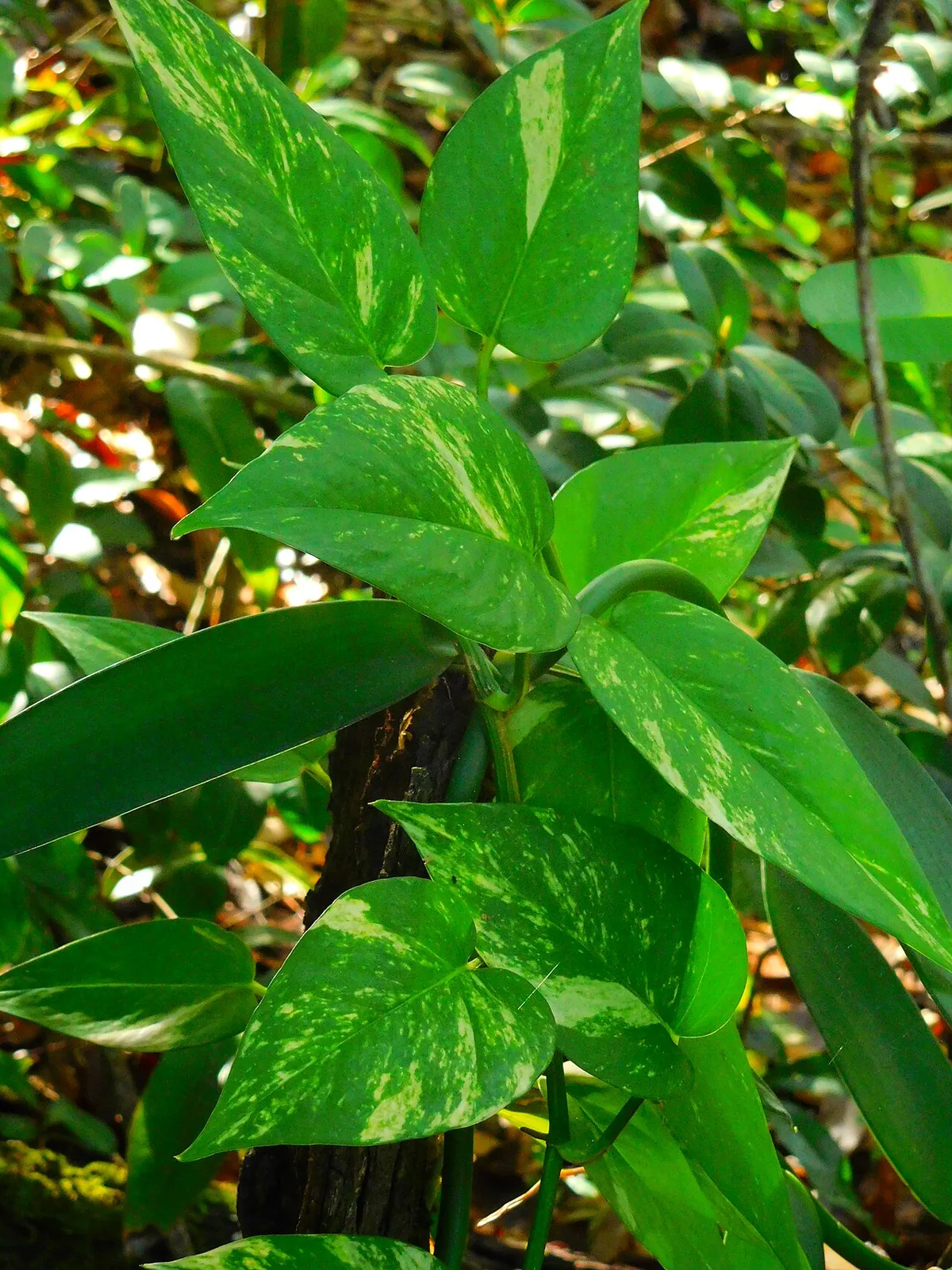
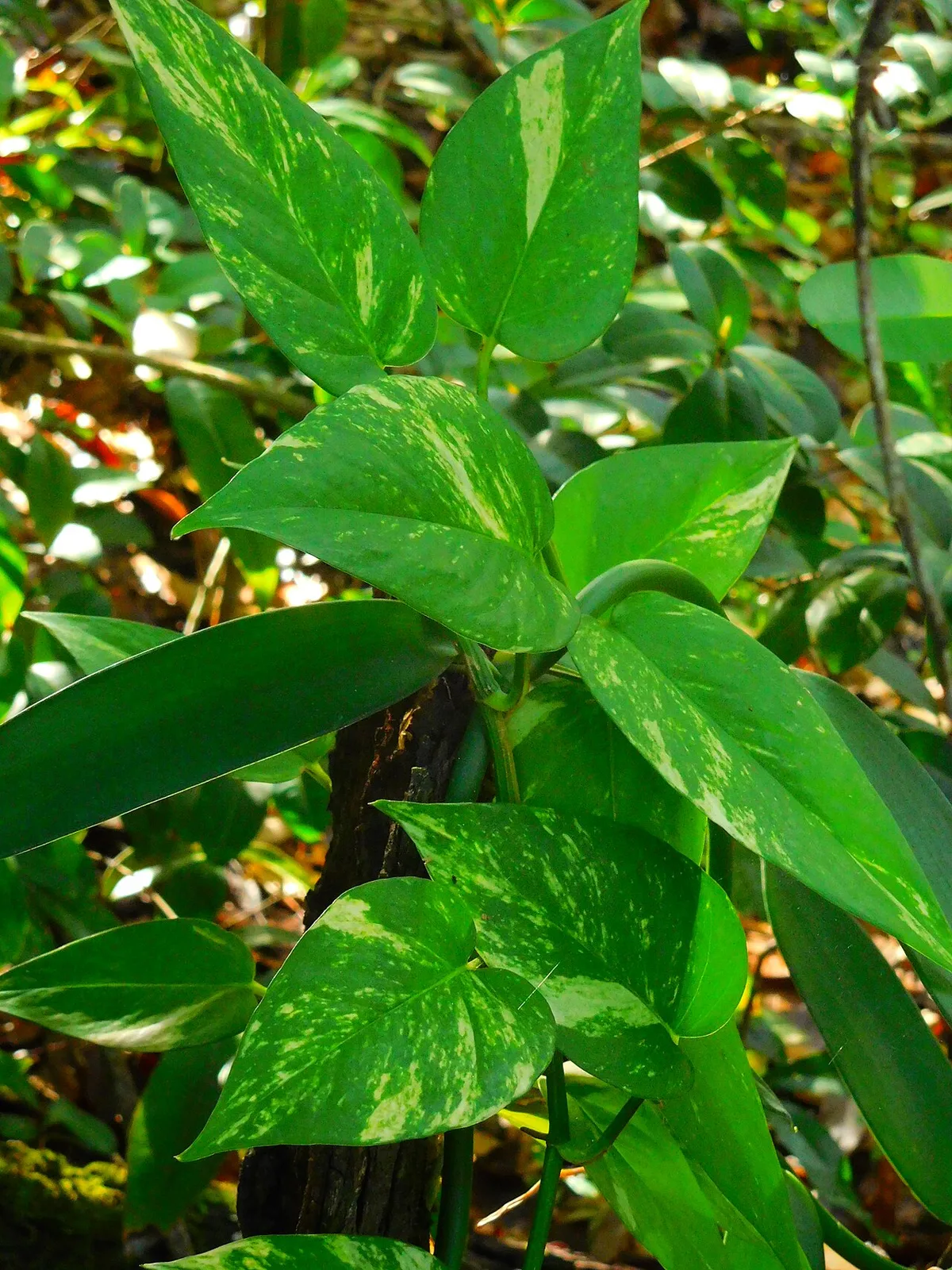
Image source: Wikimedia Commons / Filo gèn' (CC BY-SA)
Read Your Pothos in 30 Seconds: What the Leaves Are Telling You
The secret to pothos care is simple: your plant communicates through its leaves. Every color change, every droop, every crispy tip is a message. You just need to learn the language.
Most people treat their pothos on autopilot. They water every Sunday because that's what someone told them to do. But your plant doesn't care what day it is.
It cares about the soil moisture, the light levels, and the temperature in your specific home.
Here's the mindset shift that changes everything: you're not following a routine. You're responding to conditions. When you accept that, every problem becomes solvable.
Start by looking at your plant right now. Don't just glance. Really look.
Notice the leaf color, the texture, the way the vines are growing. Check the soil with your finger. Is it bone dry two inches down?
Is it soggy on top? These are your clues.
The golden rule: a pothos will tell you exactly what it needs. Your job is to listen before you act.
The Pothos Symptom Checker: A Quick-Fire Decision Table
Let's get practical. Below is the fastest way to diagnose your plant's most common issues. Find your symptom, check the likely cause, then follow the recommended action.
| What you see | Likely cause | What to do |
|---|---|---|
| Yellowing lower leaves | Overwatering or root rot | Let soil dry completely before watering again |
| Drooping, wilted leaves | Underwatering | Bottom-water thoroughly and let it rehydrate |
| Pale, washed-out leaves | Too little light | Move to brighter indirect light |
| Brown, crispy leaf tips | Low humidity or tap water chemicals | Use filtered water, add humidity tray |
| Loss of variegation | Insufficient light | Move closer to a bright window |
| Leggy, sparse vines | Not enough light or needs pruning | Move to brighter spot, prune to encourage bushiness |
| Leaves curling inward | Thirst or root stress | Check soil moisture, adjust watering |
This table covers about 90 percent of common pothos problems. If your plant matches one of these rows, you have your answer. If it doesn't, keep reading because the next sections go deeper into each issue.
Watering 101: The Overwatering vs. Underwatering Crossroads
This is where most pothos owners go wrong. Overwatering is the number one killer of pothos plants, responsible for more dead houseplants than any pest or disease. It's also the most common mistake because we mean well.
We see dry soil and panic.
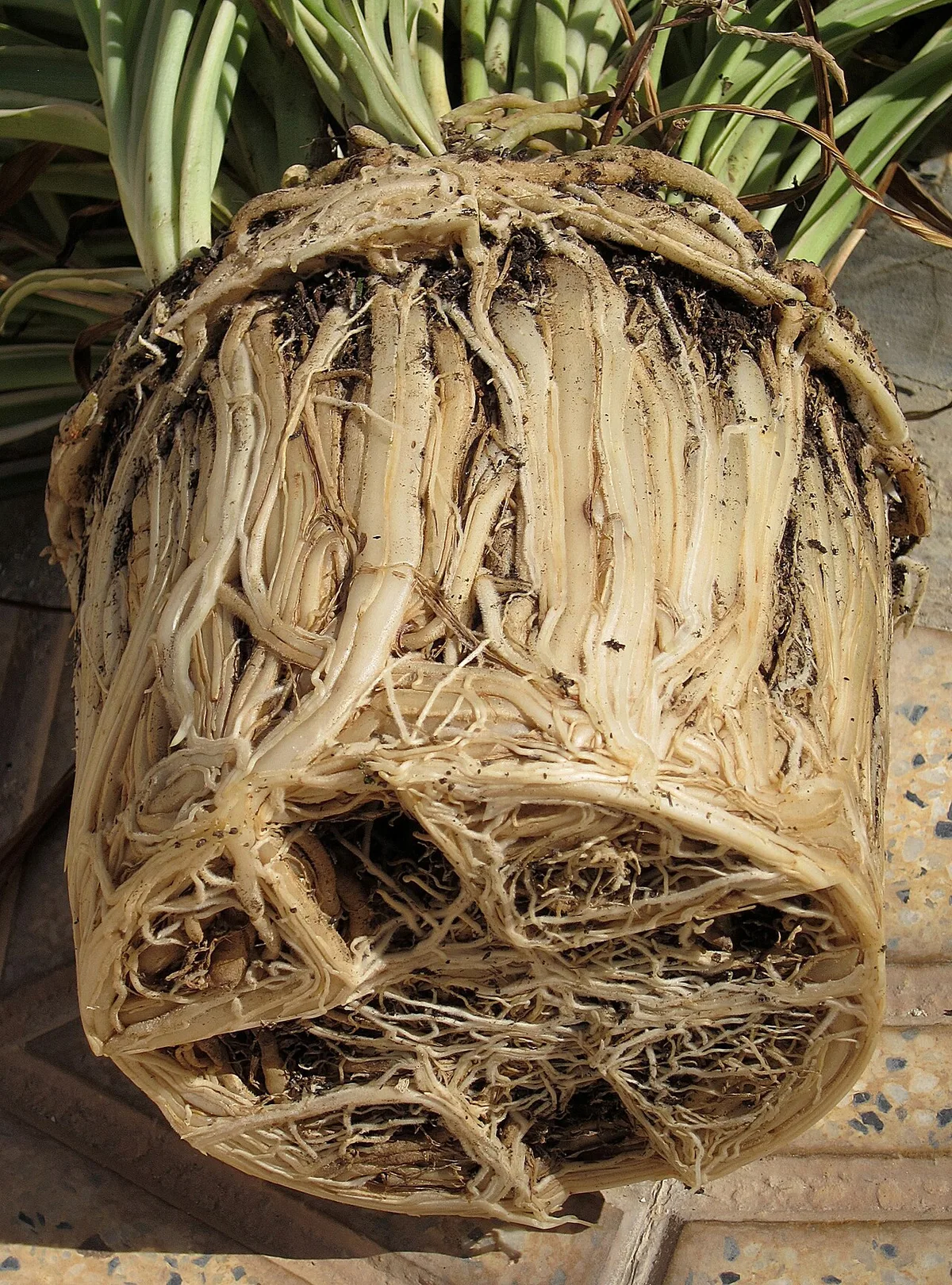
Here's the problem with overwatering: pothos roots are thick and waxy, designed to store water. They need air circulation around them. When soil stays soggy, those roots suffocate.
Then they rot. And before you know it, you've got yellow leaves and mushy stems.
The if/then logic is simple:
- If leaves are turning yellow and the soil feels wet, you're overwatering. Stop. Let the top two inches go completely dry before watering again.
- If leaves are drooping and the soil feels bone dry, you're underwatering. Give it a proper soak.
The finger test is your best friend. Stick your index finger into the soil up to the second knuckle. If it comes out dry, water.
If it comes out damp, wait two or three days and check again. This takes ten seconds and eliminates guesswork entirely.
For a severely underwatered plant, bottom-watering works best. Fill your sink with a couple inches of room-temperature water and set the pot in it for 15 to 20 minutes. The roots will pull moisture from below, rehydrating evenly.
Your plant should look dramatically better within 24 hours.
If you suspect root rot, the fix requires surgery. Pull the plant from its pot. Trim away any brown, mushy roots with clean scissors.
Repot in fresh, well-draining mix. Most pothos bounce back from this with time.
Light: The Variegation Factor and Growth Engine
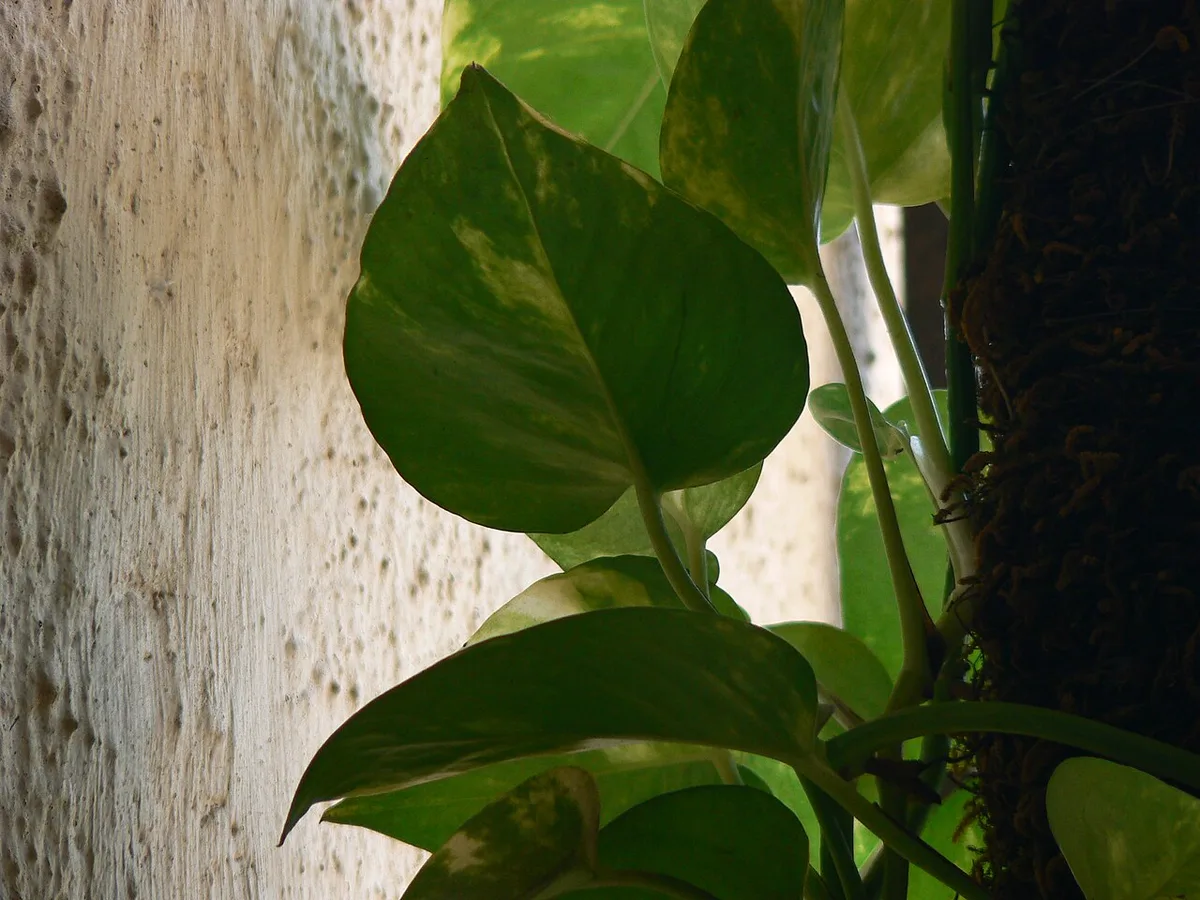
Light determines everything about how your pothos looks and grows. Too little light, and the plant stretches out, gets leggy, and loses its vibrant coloring. Too much direct sun, and you'll see scorched, bleached leaves.
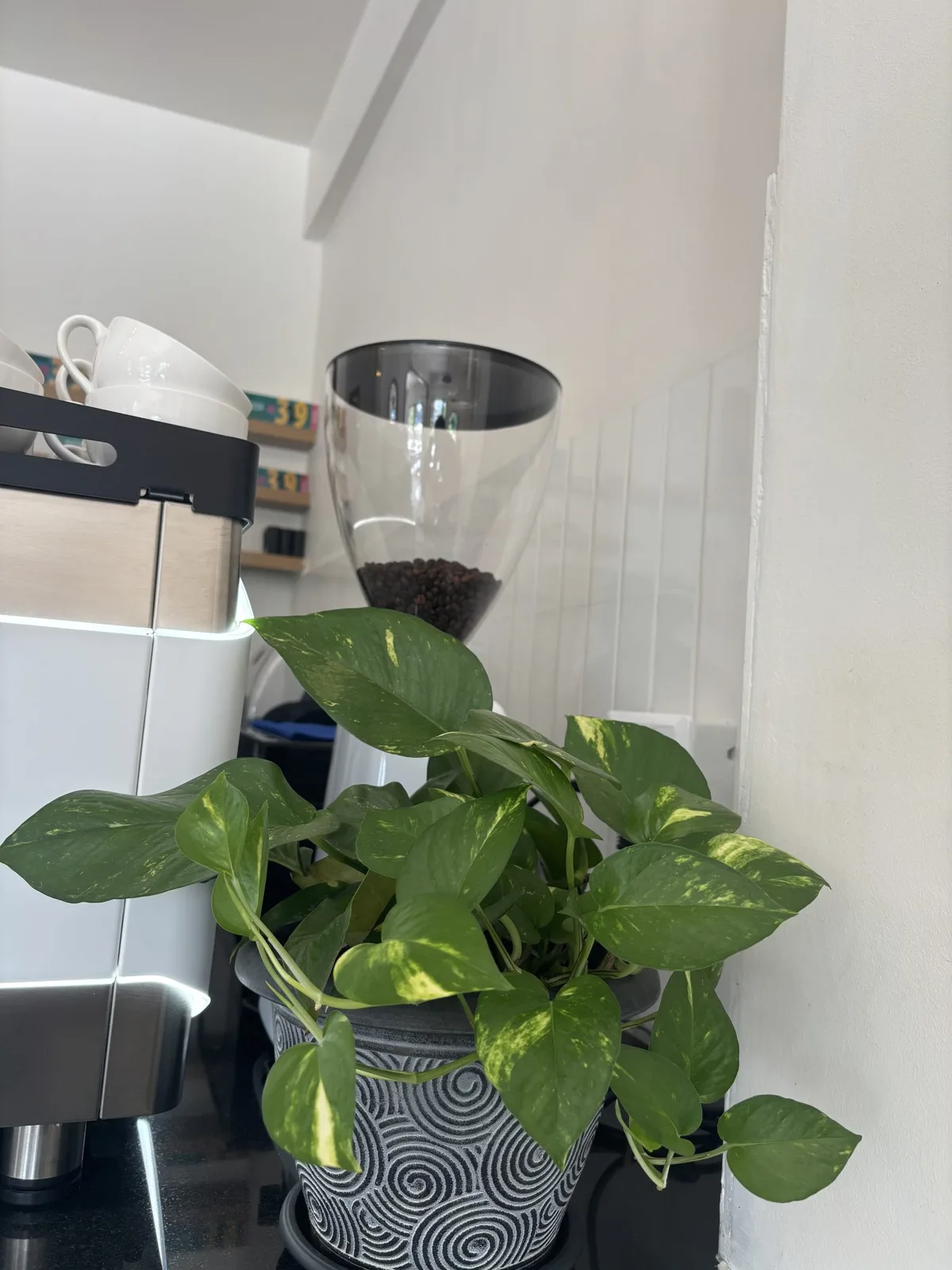
The sweet spot is bright, indirect light. Think of a spot a few feet away from an east-facing window, or near a north-facing window. That's where pothos thrives.
It's enough light to drive photosynthesis without the harshness of direct afternoon sun.
Here's what your plant is telling you about light:
- Pale leaves, slow growth: Not enough light. Move it closer to a window.
- Green leaves losing variegation: This is the plant maximizing chlorophyll production because it's too dark. Move it to a brighter spot to restore those white and yellow patterns.
- Brown, crispy patches on leaves: Too much direct sun. The leaf tissue is literally burning. Pull it back from the window or filter the light with a sheer curtain.
One common misconception is that pothos thrives in darkness. It doesn't. It tolerates low light, but it won't thrive there.
The difference is survival versus flourishing. If you want those gorgeous trailing vines with vibrant variegation, give it the light it craves.
For reference, aggregate grower reports suggest pothos performs best at light levels between 400 and 800 foot-candles, which you can measure with a simple light meter app on your phone. That's roughly the brightness of a well-lit room during the day.
Pruning, Repotting, and Encouraging Bushy Growth
A pothos left alone eventually becomes a tangle of long vines with leaves only at the ends. That leggy look happens when the plant focuses energy on vine extension rather than filling out. The fix is pruning, and it's one of the most satisfying parts of pothos care.
When you prune, two things happen:
- The cut point sends out new growth, often producing two vines where one was.
- The plant redirects energy into the remaining leaves, making them larger and healthier.
The rule here is that you should always cut just above a leaf node, which is that little bump on the stem where leaves attach. Use clean, sharp scissors. You can cut back as much as a third of the vine length without stressing the plant.
Those cuttings aren't waste. Put them in a glass of water on your windowsill, and within two to four weeks you'll see roots forming. Once those roots reach about two inches, you can plant them in soil.
That's how you turn one pothos into five.
Repotting happens when you see roots coming out of the drainage holes. That's the plant saying it's ready for more room. Move up one pot size, no more than two inches larger in diameter. Use fresh potting mix with good drainage.
Standard indoor mix blended with about 20 percent perlite works perfectly.
After repotting, give the plant a few weeks to settle in before fertilizing. Its roots need time to establish in the new soil. When growth resumes, that's your signal to start a regular feeding schedule.
One more thing: prune during the active growing season. Spring and summer are ideal. If you prune heavily in winter, the plant may not bounce back as quickly because growth naturally slows when light levels drop.

Similar Posts