Peace Lily Watering
Botanical Horticulturist & Food Preservation Specialist at Brittle Bloom · Certified Master Gardener & Master Food Preserver · 12+ Years in Plant Propagation & Food Preservation
If you've ever owned a peace lily, you already know the drama. One day the leaves are standing tall and glossy, the next they're flopped over like a tired umbrella. Peace lily watering is the single most important part of caring for these plants, and it's also where most people go wrong.
The good news? These plants actually tell you what they need if you know how to look.
Most peace lilies need water roughly once every 7 to 14 days, depending on your home's light, humidity, and pot type. The soil should dry out about one to two inches deep before you water again. That simple rule prevents more plant deaths than any other advice we can give.
Let's walk through exactly how to read your plant's signals and build a watering routine that works.
Quick Answer
Water your peace lily when the top 1 to 2 inches of soil feel dry. Use room-temperature filtered water. Water until it drains from the bottom.
Empty the saucer afterward. Never let the plant sit in standing water. Adjust frequency based on light, season, and pot material.
Drooping Leaves Don't Always Mean "Thirsty"
Peace lilies are dramatic, but they're also honest. When something's wrong, they droop. The tricky part is figuring out which kind of droop you're seeing.
Underwatering produces a limp, lifeless collapse where the whole plant leans over. Overwatering produces a similar droop, but the stems often feel mushy near the soil line.
Here's the fastest way to tell them apart. Push your finger into the soil. If it's bone dry, your plant is thirsty.
If it's soggy or heavy, you've got the opposite problem. One quick check prevents you from making things worse.
Overwatered peace lilies droop because the roots are suffocating. They can't take up oxygen or water properly. That's why watering a drooping plant without checking the soil first can kill it.
You're adding water to already drowning roots.
The visual difference matters too. Underwatered leaves tend to curl slightly at the edges and feel papery. Overwatered leaves feel soft and limp, almost like cooked spinach.
Get familiar with both textures and you'll never second-guess again.
| Signal | Underwatered | Overwatered |
|---|---|---|
| Leaf feel | Crispy, dry, papery | Soft, mushy, limp |
| Soil moisture | Bone dry | Soggy, heavy |
| Stem base | Firm | Soft, brownish |
| Smell | None | Musty, sour |
The Quick Answer: How Often to Water a Peace Lily
There's no single magic number for peace lily watering. The classic advice is once a week, but that's a starting point, not a rule. Your home's conditions change everything.
A peace lily in bright, indirect light near a south window drinks far more than one sitting in a dim corner.
Here's a practical baseline. Check the soil every three to four days during the growing season (spring and summer). When the top two inches feel dry, it's time to water.
During fall and winter, growth slows, so you might only water every 10 to 14 days.
Your pot matters more than you think. Terracotta pots pull moisture out of the soil continuously, so they dry faster. Plastic pots hold moisture longer.
A plant in a small pot dries out quicker than one in a large pot. Match your watering frequency to your pot's behavior, not a calendar.
Light is the biggest variable. More light means more photosynthesis, which means more water uptake. As of 2026, indoor LED grow lights have made it easier to give peace lilies consistent bright conditions year-round.
That's great for growth, but it also means you'll water more often than someone relying on a north-facing window.
The best approach is simple. Stick your finger in the soil before you reach for the watering can. Let the plant tell you when it's thirsty, and you'll avoid both root rot and crispy leaves.
What Actually Changes Your Watering Frequency
Several factors influence how quickly your peace lily drinks. Understanding them helps you stop guessing and start knowing.
Light exposure. Bright, indirect light speeds up soil drying. Low light slows everything down. A peace lily near an east-facing window might need water every five days.
One in a dark hallway might go two weeks. Match your schedule to your light situation.
Pot material and size. Terracotta breathes, so it dries fast. Glazed ceramic and plastic retain moisture longer. Small pots hold less soil and dry quicker.
A six-inch pot needs more frequent attention than a ten-inch pot with the same plant.
Humidity and temperature. Peace lilies love humidity above 50 percent. In dry winter air or air-conditioned rooms, soil dries faster. Warm rooms above 75°F also increase evaporation.
Bathrooms and kitchens with steam from showers and cooking are naturally more forgiving.
Seasonal shifts. Spring and summer bring active growth and higher light. Plants drink more. Fall and winter bring dormancy.
Growth slows, and so does water uptake. Cutting back in winter prevents the dreaded root rot.
Soil mix. A chunky, well-aerated mix with perlite or bark drains quickly. Dense, compacted soil holds water for days. If your peace lily came from a nursery in heavy soil, you'll water less frequently until you repot into something airier.
| Factor | Dry Soil Faster | Keep Soil Moist Longer |
|---|---|---|
| Light | Bright, indirect | Low, dim |
| Pot material | Terracotta | Plastic, glazed ceramic |
| Room temp | Above 75°F | 60–70°F |
| Humidity | Below 40% | Above 50% |
| Soil mix | Chunky, with perlite | Dense, peat-heavy |
How to Know When to Water: The Decision Workflow
This is the part that makes peace lily watering foolproof. Run through these four tests in order, and you'll always make the right call.
Test 1: The finger test. Stick your index finger into the soil up to the second knuckle. That's about two inches deep. If the soil feels dry at that depth, water.
If it's still damp, wait two to three days and check again. This is the single most reliable method.
Test 2: The lift test. Pick up your pot. A well-watered peace lily feels noticeably heavy. A thirsty one feels light, almost like the pot is empty.
After a few weeks, you'll learn the weight difference automatically. It's the same skill baristas use to judge espresso shots.
Test 3: Visual cues. Watch the leaves. The first hint of drooping means your plant is getting thirsty. You don't need to wait for full collapse.
Slight leaf angle changes are your early warning system. Check the soil immediately when you see it.
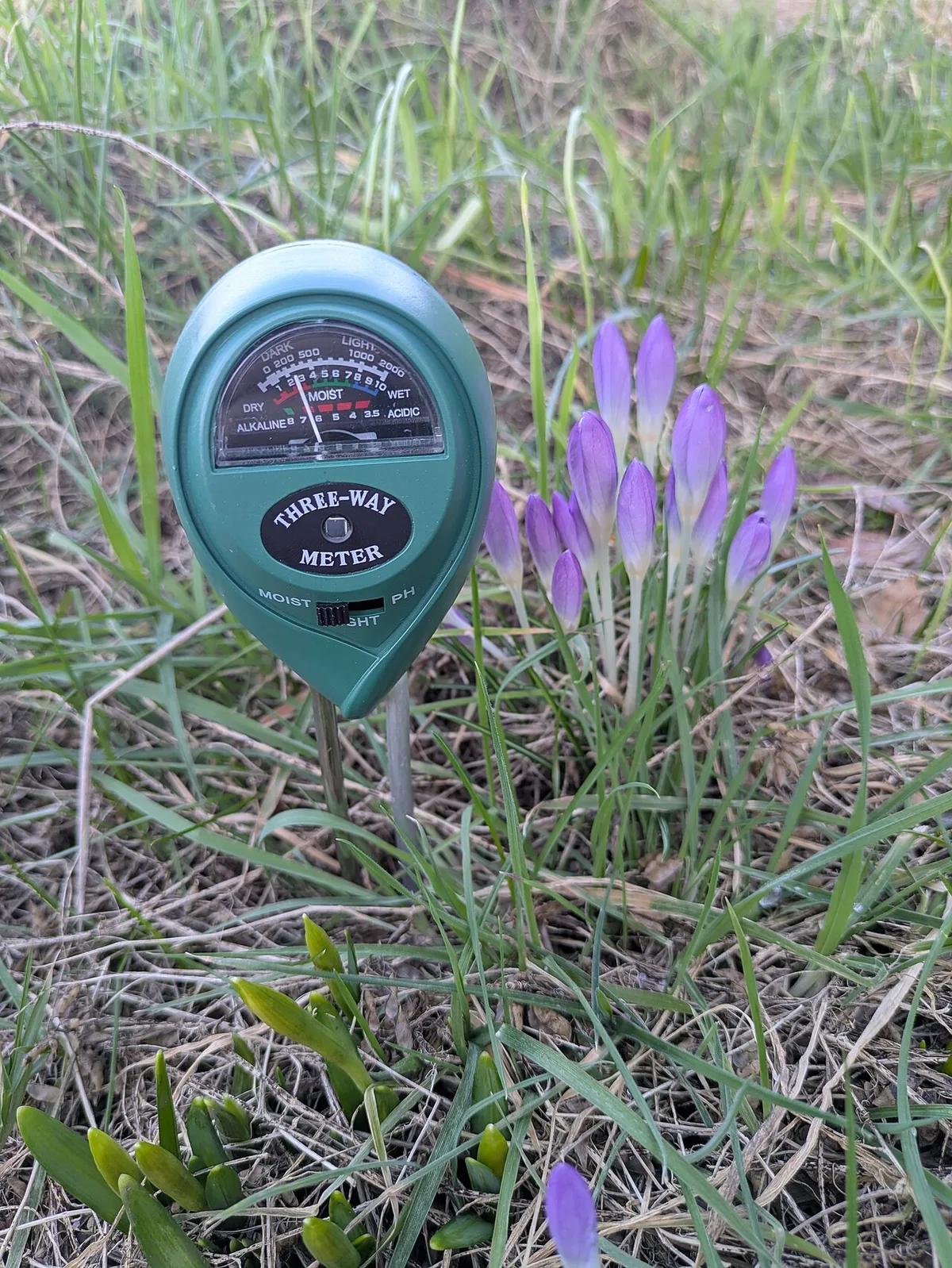
Test 4: Moisture meter. These tools work, but only if you use them correctly. Insert the probe halfway into the soil, near the root ball, not right at the edge. Read the scale.
If it shows 1 or 2, water. If it reads 4 or above, wait. Just calibrate it against the finger test a few times first.
Here's the decision logic. If the soil is dry, water. If the soil is damp, wait.
If the leaves droop but the soil is wet, you're overwatering and need to let it dry out. If the leaves droop and the soil is bone dry, water immediately and watch for recovery within hours.
The Right Way to Water (Step-by-Step)
When it's time to water, technique matters as much as timing. Peace lilies prefer a thorough soak over frequent sips. Shallow watering encourages weak surface roots and leaves the deeper roots thirsty.
Step 1: Prepare your water. Use room-temperature water, not cold tap water. Cold water shocks the roots. Let tap water sit out for 24 hours to allow chlorine to evaporate, or use filtered water to avoid fluoride issues.
Peace lilies are sensitive to fluoride, which causes brown leaf tips.
Step 2: Water deeply. Pour slowly over the soil surface, moving around the pot to ensure even coverage. Keep going until you see water running out of the drainage holes. That guarantees the entire root ball is saturated.
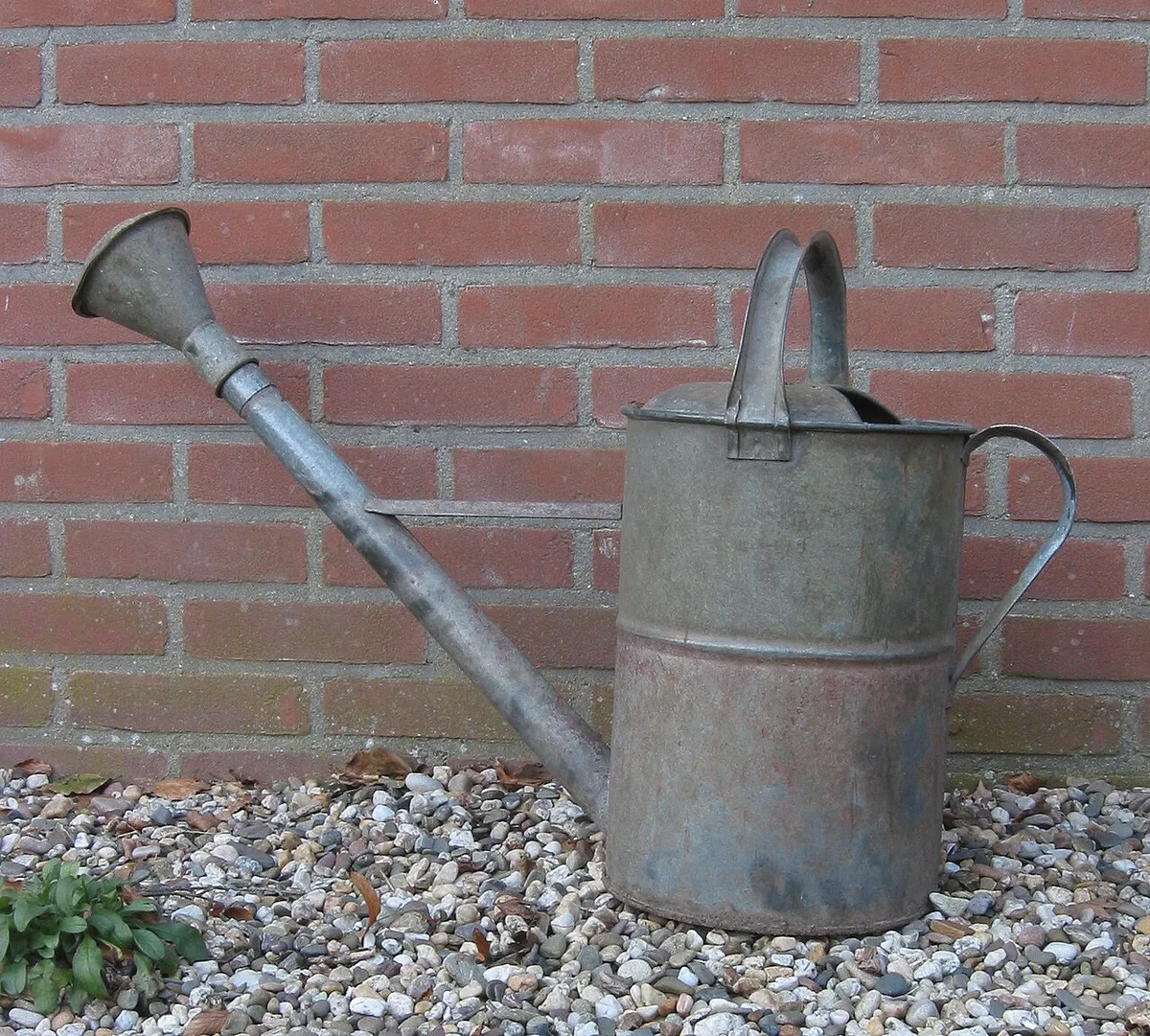
Image source: Wikimedia Commons / Rasbak (CC BY-SA)
Step 3: Empty the saucer. This step is non-negotiable. Let the pot drain for about 30 minutes, then discard any standing water. Peace lilies sitting in water develop root rot faster than almost any other houseplant.
Step 4: Skip the mist. Many people think misting helps. It doesn't meaningfully raise humidity around the plant. A pebble tray with water or a nearby humidifier works far better.
Misting can even encourage fungal spots on the leaves.
Step 5: Consider bottom watering. For plants with severe root issues or compacted soil, bottom watering works wonders. Place the pot in a shallow tray of water and let it soak up moisture for 20 to 30 minutes. This encourages roots to grow downward and prevents over-saturation of the top layer.
After watering, give your plant a day to recover. Healthy peace lilies often perk up within hours. If they don't, revisit the soil moisture and check for drainage problems.
A well-watered peace lily should stay perky for several days before the soil starts drying out again.

Similar Posts