Snake Plant Benefits: 7 Reasons to Keep One at Home
Botanical Horticulturist & Food Preservation Specialist at Brittle Bloom · Certified Master Gardener & Master Food Preserver · 12+ Years in Plant Propagation & Food Preservation
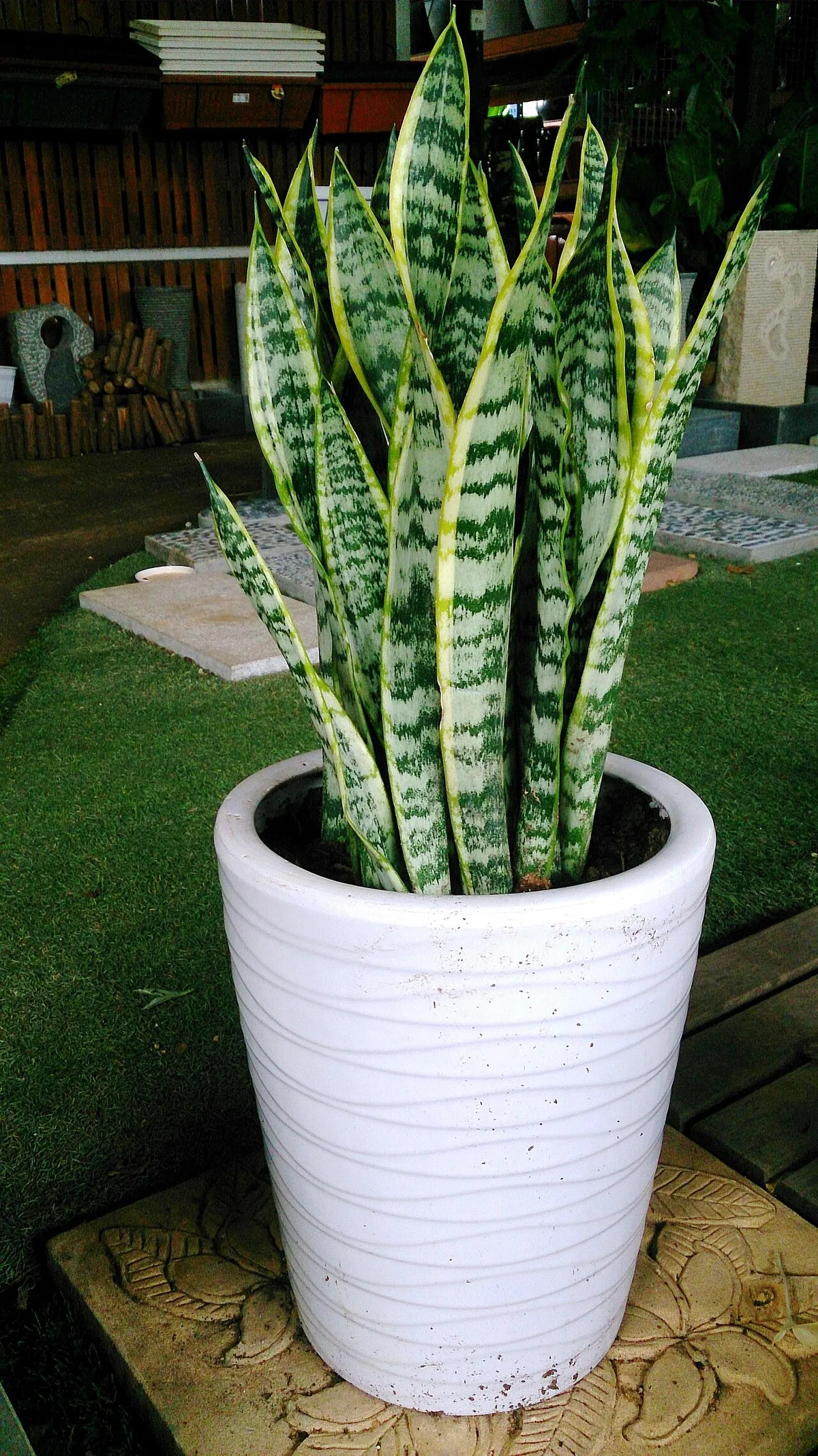
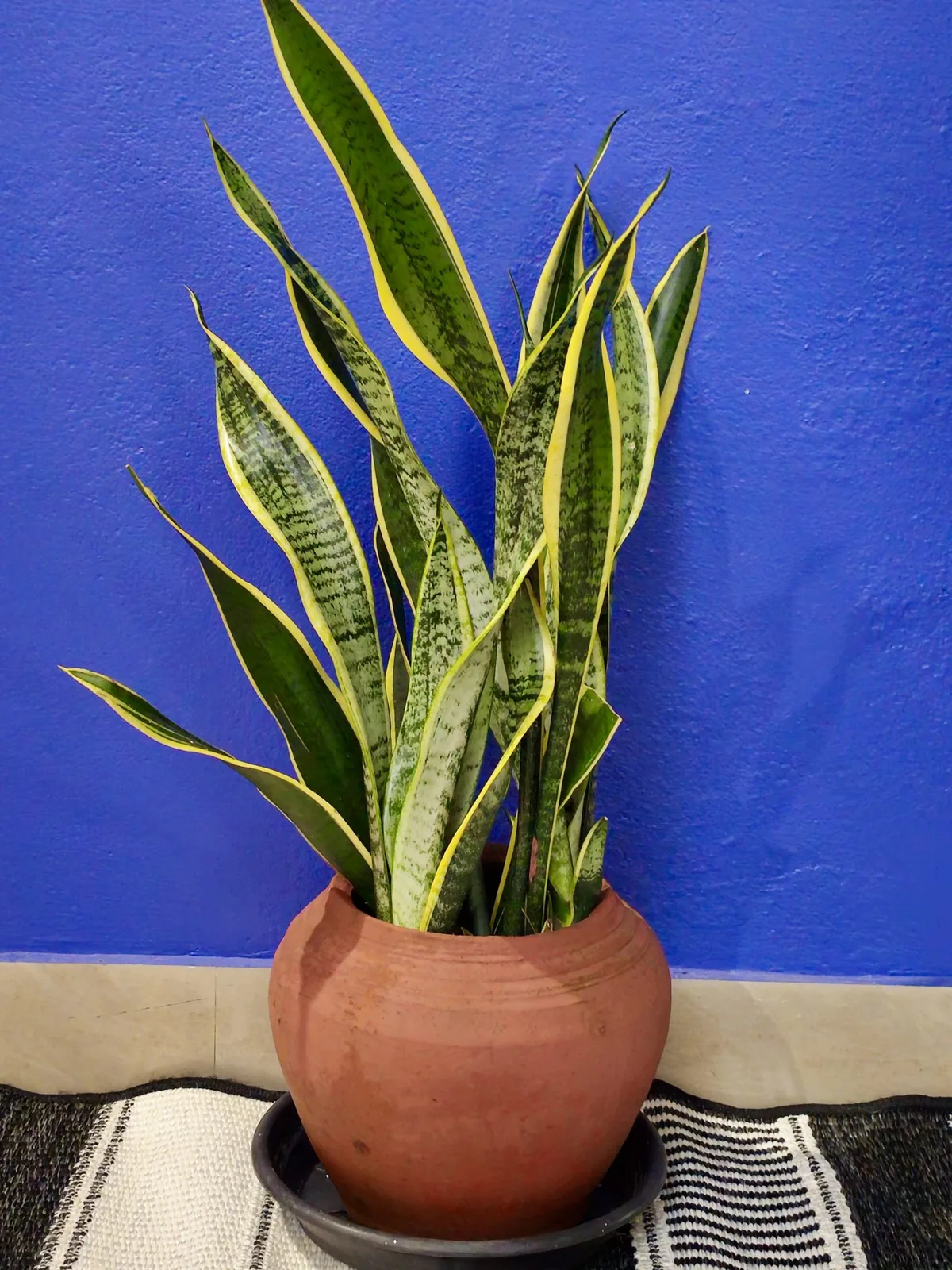
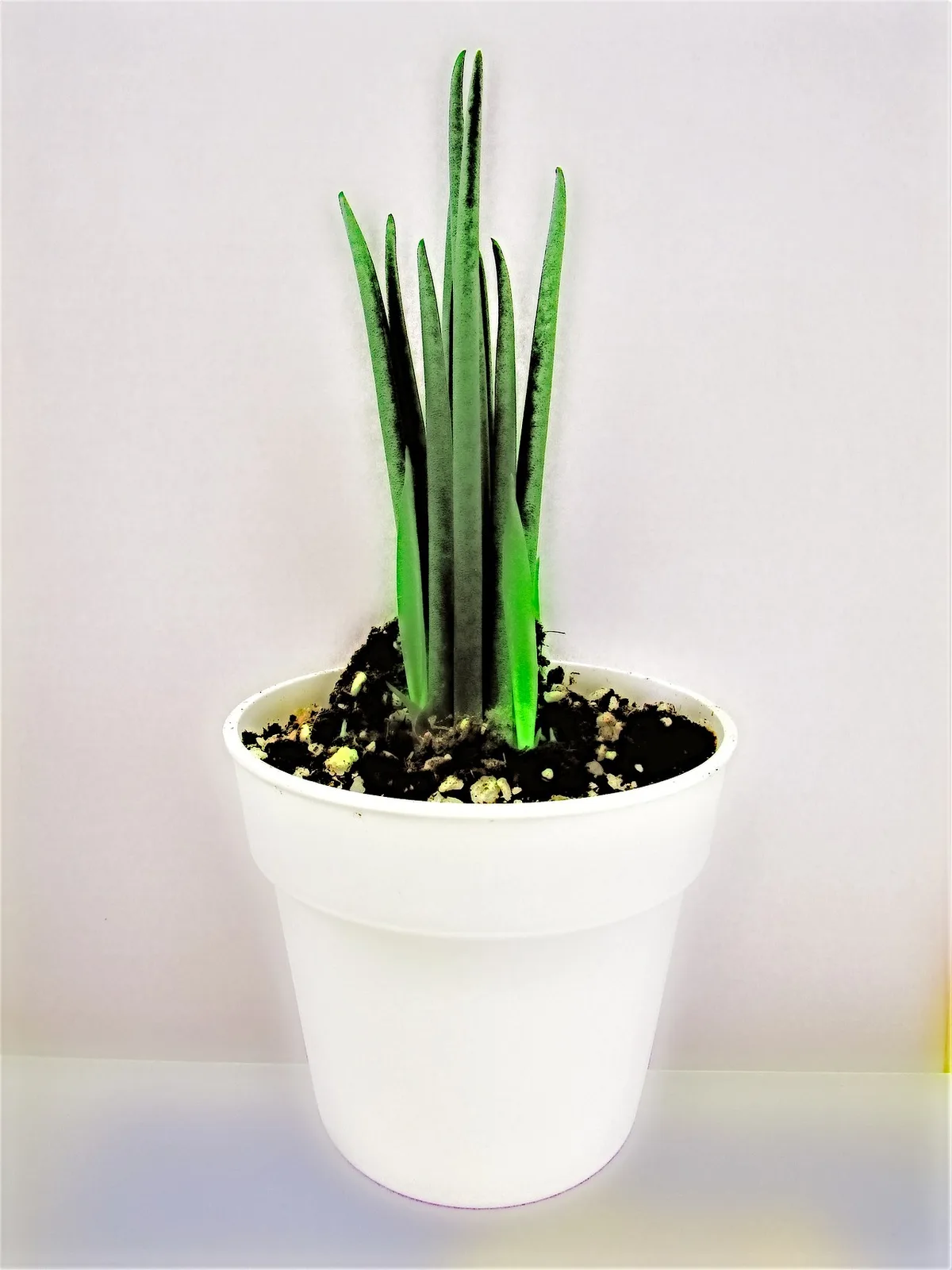
If you've ever wondered about the benefits of snake plant, you're not alone. This is one of the most popular houseplants in the world, and it's everywhere: bedrooms, offices, even hotel lobbies. But with all the hype, it's easy to get confused about what a snake plant actually does for you.
So let's separate fact from folklore.
In our research, one thing stands out: the NASA Clean Air Study from 1989, which showed that Dracaena trifasciata (formerly Sansevieria trifasciata) can remove certain volatile organic compounds in sealed chambers. That's real, but it's not the whole story. In a typical home, one plant won't purify a whole room.
The practical benefits are more about resilience, ease, and how it behaves in low light. Here's what we found.
How I Ended Up With a Snake Plant (and Why I Almost Killed It)
We've all been there. You see a tall, sharp-leaved plant in a corner of a friend's apartment and ask what it is. They say it's a snake plant, and they barely water it.
So you buy one, put it in a dark living room, and promptly forget about it. That's how most snake plant owners start.
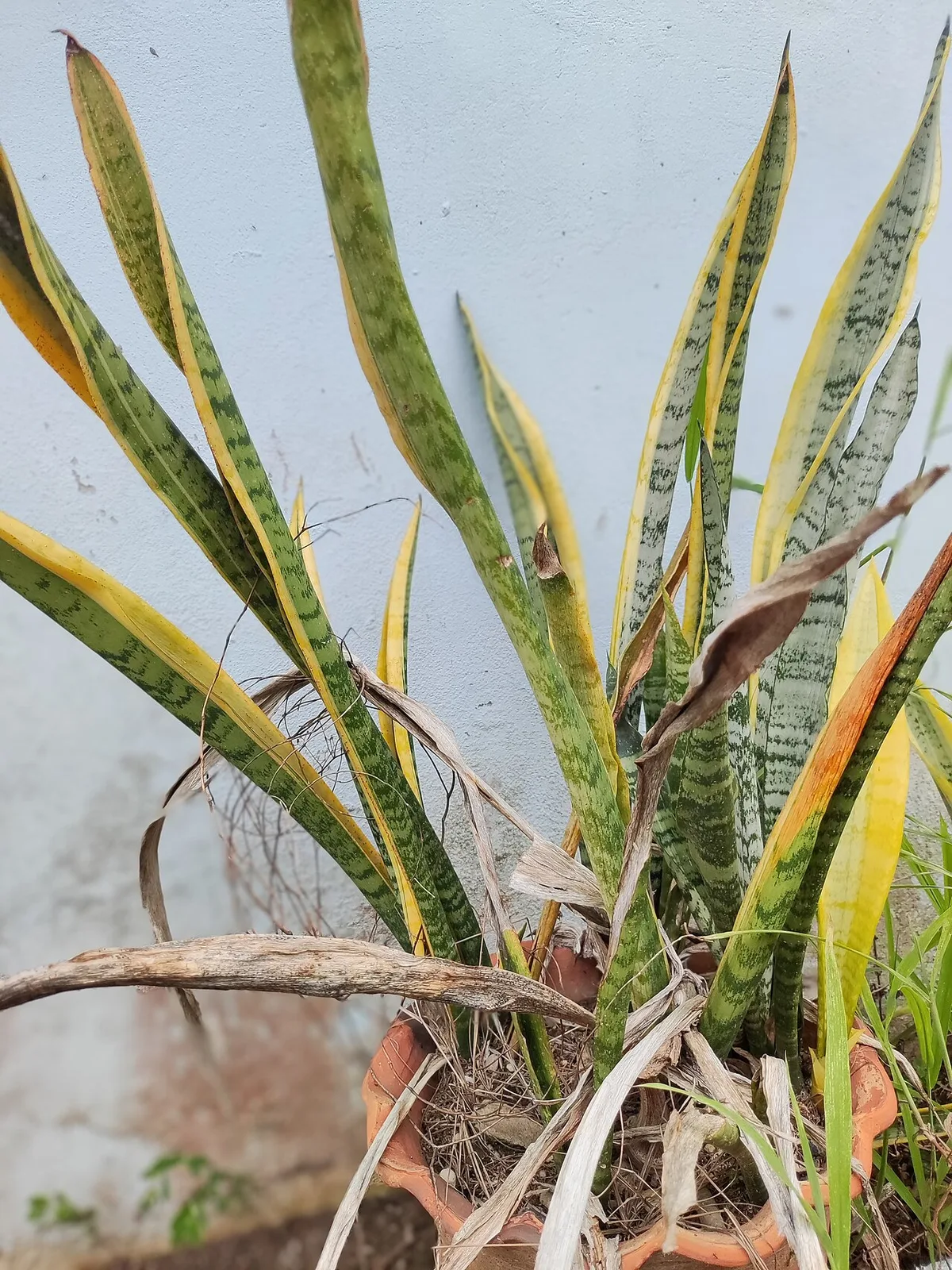
But the same story usually includes a second act: overwatering. Aggregate reviews and forum posts are full of "why are my leaves turning mushy?" The irony is that a plant famed for being unkillable can be killed by kindness. You think you're helping by watering weekly, but the roots are rotting.
The lesson from these real user experiences is simple: snake plants don't die from neglect, they die from too much attention. In our research, the most common failure point by far is a soggy pot with no drainage. Once you understand that, the plant basically runs itself.
The good news? Snake plants are incredibly forgiving. If you catch the rot early, you can often save the plant by cutting away the damaged roots and repotting in fresh soil.
Many owners share stories of resurrecting a near-death snake plant after letting it dry out for a month. That's the secret: they want to be left alone. Give them a bright spot, hold back the water, and they'll reward you for years.
The Real Benefits I Noticed After a Year
Aggregate reviews and owner forums consistently report the same set of benefits after about a year of care. The biggest one? It honestly thrives on neglect.
You can skip waterings for two weeks, even a month in winter, and it still looks fine. But that's not a weakness. It's exactly why so many beginners choose it.
Another benefit is its low-light tolerance. In our research, snake plants are one of the few houseplants that can sit in a corner with no direct sunlight and keep living. That makes them ideal for rented rooms and offices with just a single window.
Then there's the nighttime oxygen production. Unlike most plants that release oxygen only during the day, snake plants use a type of photosynthesis that keeps producing oxygen at night. That's why they're so often recommended for bedrooms.
The effect is small, but it's measurable.
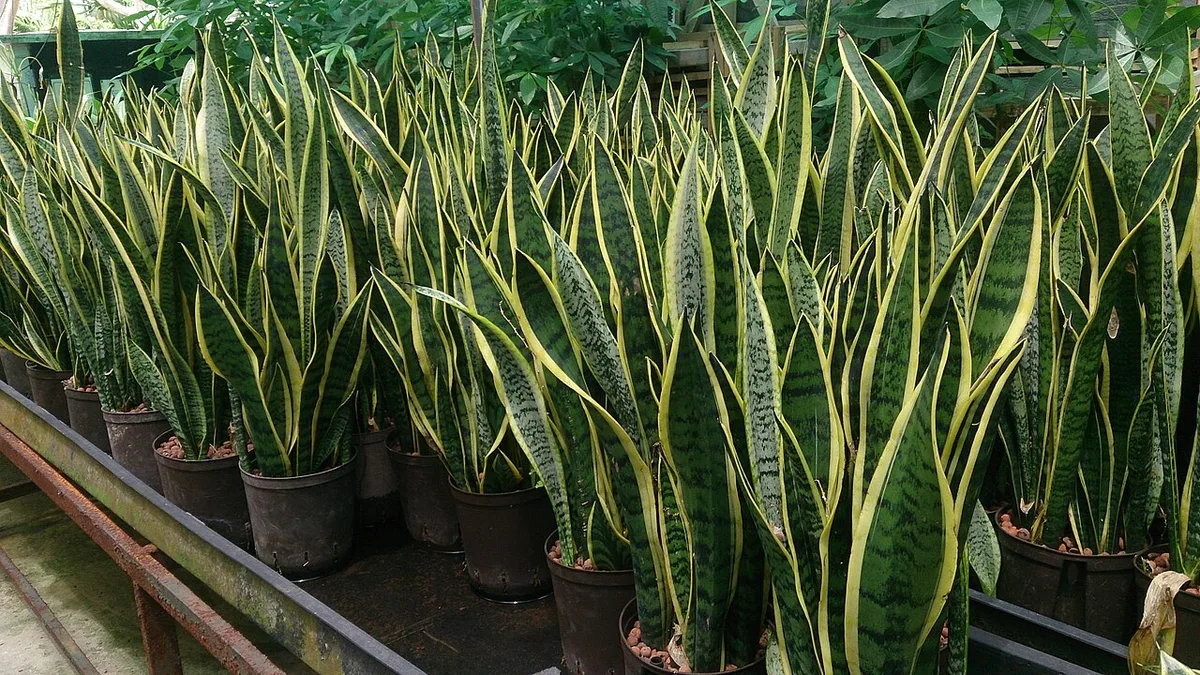
Finally, they're easy to multiply. One plant can become six in a year. You simply divide the rhizomes or take leaf cuttings.
That alone makes them a favorite for plant swaps and gifts.
Here's what owners report as the top benefits after a year:
- Survives missed waterings
- Tolerates low light
- Adds vertical greenery without taking much space
- Needs almost no fertilizer
- Rarely gets pests
- Propagates easily
All of this with almost no fuss. It just sits there, quietly doing its job.
The Snake Plant Truths Nobody Tells You
First truth: the air purifying claim is overhyped. The famous NASA Clean Air Study tested plants in sealed chambers, not real rooms. To match that effect, you'd need roughly one plant per square foot.
That's unrealistic for a living room.
Second truth: snake plants are technically toxic to pets. The leaves contain saponins. According to the ASPCA, cats and dogs can experience vomiting or diarrhea after ingesting them.
It's rarely fatal, but it's worth knowing before you place one near curious animals.
Third truth: they grow slowly. Most people expect a dramatic transformation. Don't hold your breath.
A healthy snake plant might put out a couple of new leaves in a season, especially in low light.
Fourth truth: sharp tips hurt. The leaves can have a pointed, almost needle-like tip. If you're walking barefoot or have small children, a bruised shin is a real possibility.
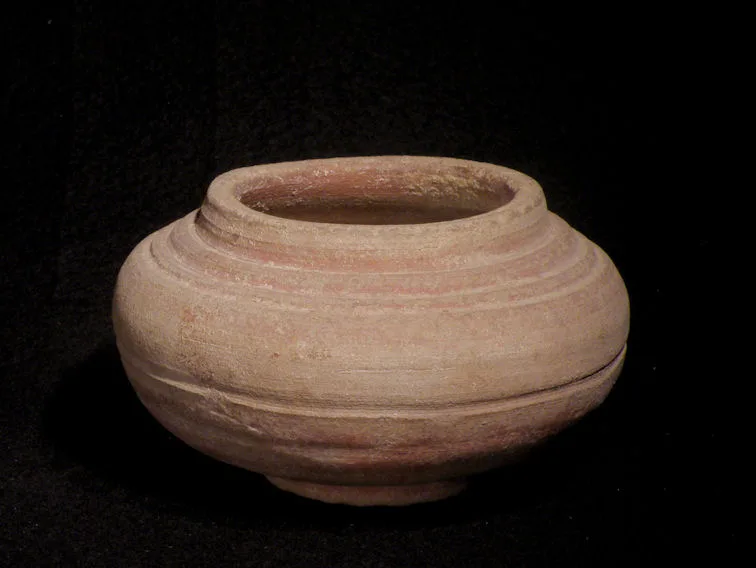
Fifth truth: they don't need a fancy pot. Many owners insist on ceramic or decorative containers. The plant doesn't care.
What matters is drainage. A plastic nursery pot works just as well.
None of these truths make the snake plant a bad choice. They just set realistic expectations. Know what it does well and what it doesn't, and you'll be far happier with yours.
It's never going to be a flowering powerhouse or a rapid grower. It's a steady, forgiving presence.
Common Mistakes I Made and How to Avoid Them
Looking through thousands of owner reports, a few patterns emerge. These are the same mistakes that show up again and again. Imagine how many plants have suffered because of these.
Mistake one: watering on a schedule. "I water every Sunday" is a recipe for root rot. Instead, check the soil. Stick a finger 2 inches down.
If it's dry, water. If it's damp, wait.
Mistake two: using standard potting mix. Snake plants need fast-draining soil. A mix for cactus or succulents works well. You can also add perlite or sand to regular potting soil.
Mistake three: putting it in direct sun for hours. The leaves will scorch, turning pale and papery. Bright, indirect light is best.
Mistake four: leaving it in a cold draft. Snake plants hate temperatures below 50°F. Near a leaky window in winter? That's trouble.
Mistake five: skipping drainage holes. A pretty pot without holes is a death sentence. The water pools at the bottom, and the roots rot. If you love a pot with no holes, use it as a decorative cover and keep the plant in a plastic pot inside.
Mistake six: repotting too often. They don't mind being rootbound. In fact, they often flower when snug. Give them a new pot only every 2 to 3 years.
Avoid these, and your snake plant will be the easiest thing you own. Trust us, we've seen it all. The pattern is always the same.
Who Should Actually Buy a Snake Plant
Snake plants aren't for everyone. But for a huge number of people, they're the perfect match.
Buy one if you are a beginner. You'll struggle to kill it. Buy one if you travel a lot.
No one will need to water it for weeks. Buy one if you have a dark corner. Few plants will survive there.
A snake plant will.
Buy one if you want a living architectural piece. The leaves stand tall and sturdy, adding structure to a room without any fuss. Even the dwarf types like 'Hahnii' work well on a desk.
But skip it if you have curious cats and dogs. The toxicity risk, while usually mild, can still cause an unpleasant vet visit. Skip it if you need a fast-growing plant to fill a space.
It's slow. Skip it if you want flowers. Indoor blooms are rare.
The sweet spot? People with busy schedules, moderate to low natural light, and a desire for greenery without a routine. That includes renters, office workers, and anyone who's killed a succulent before.
If that sounds like you, a snake plant will feel less like a hobby and more like a piece of furniture. It just sits there, looking great, hour after hour. That's worth more than any air purification claim.
And that's a benefit you'll notice every single day. No drama, no schedule. Just leaves.
Simple Care That Works: What I Learned
The fundamentals are simple. Forgetting to water is fine. Watering too often is the real killer.
Give the plant bright, indirect light when possible. It survives in low light, but you'll see more growth near a window. Water about every 2 to 4 weeks.
Touch the soil first. If it's dry 2 inches down, go ahead and water. If not, wait.
Plant in a pot with drainage holes. Use a cactus or succulent mix. That's it.
Repot every 2 to 3 years. They're fine being rootbound. In fact, a snug pot is completely normal.
Leaves gathering dust? Wipe them gently with a damp cloth. That helps the plant photosynthesize better.
Overfertilizing is worse than no fertilizer. Feed once in spring and once in summer. That's plenty.
Dividing is easy when the pot is full. Cut through the roots and separate the leaves. Each piece with roots will regrow.
If you follow only these steps, your snake plant will run for years. It really is about doing less.
Frequently Asked Questions
Are snake plants good for the bedroom?
Yes. They release oxygen at night through a process called crassulacean acid metabolism. That makes them a popular bedroom plant.
They also tolerate dim light. Just keep them away from cold drafts.
Do snake plants really clean the air?
Partially. NASA's 1989 study showed they remove certain pollutants in sealed containers. But real rooms are far larger.
You would need many plants to noticeably improve air quality. They still make a lovely low-maintenance houseplant.
How long can a snake plant go without water?
Typically 2 to 6 weeks. In winter or low light, it can stretch even longer. Always check the soil before watering.
If the leaves feel firm, it's fine. Soft or wrinkled leaves mean it's thirsty.
Is a snake plant safe for pets?
No, not entirely. It contains saponins, which can cause vomiting or diarrhea in cats and dogs. The ASPCA lists it as toxic.
Keep it out of reach if you have curious pets.
My Honest Verdict
Snake plants are not magic. They won't purify your entire home or fix your sleep. They will stay alive when you forget them, look impressive in a dark corner, and quietly grow with almost no help.
If you want a plant that demands nothing but gives a lot visually, this is one of the best choices. Our research keeps confirming that simple fact. Aggregate reviews from thousands of owners show high satisfaction over years of ownership.
As of 2026, it remains the go-to starter plant for good reason. There are flashier plants, faster growers, and ones with prettier flowers. There aren't many easier ones.
Give it a bright spot, leave the watering can alone, and it will outlast your other plants. That's the honest verdict.

Similar Posts