Snake Plant Yellow Leaves? 5 Causes and Quick Fixes
Botanical Horticulturist & Food Preservation Specialist at Brittle Bloom · Certified Master Gardener & Master Food Preserver · 12+ Years in Plant Propagation & Food Preservation
Noticed your snake plant yellow leaves and wondering what went wrong? You're not alone. This is one of the most common problems houseplant owners run into, and the good news is that it's almost always fixable if you catch it early.
The tricky part is figuring out which cause you're dealing with, because the fix is completely different depending on what's actually going on.
In our research across university extension guides and aggregate grower reports, the most frequent culprit by far is overwatering. But here's the thing: snake plant yellow leaves can also come from underwatering, poor light, cold drafts, fertilizer issues, or pests. Getting it right means playing plant detective for a few minutes.
As of 2026, the diagnosis process hasn't changed, it starts with your hands, not a test kit. Let's walk through exactly how to figure out what your snake plant is telling you.
Quick Answer
Snake plant yellow leaves are almost always caused by overwatering and root rot. Other triggers include underwatering, too much direct sunlight, temperature shock, and fertilizer burn. Check the soil moisture first.
If it's soggy, roots are likely rotting. If it's bone dry, the plant is thirsty. Feeling the leaves tells you the rest.
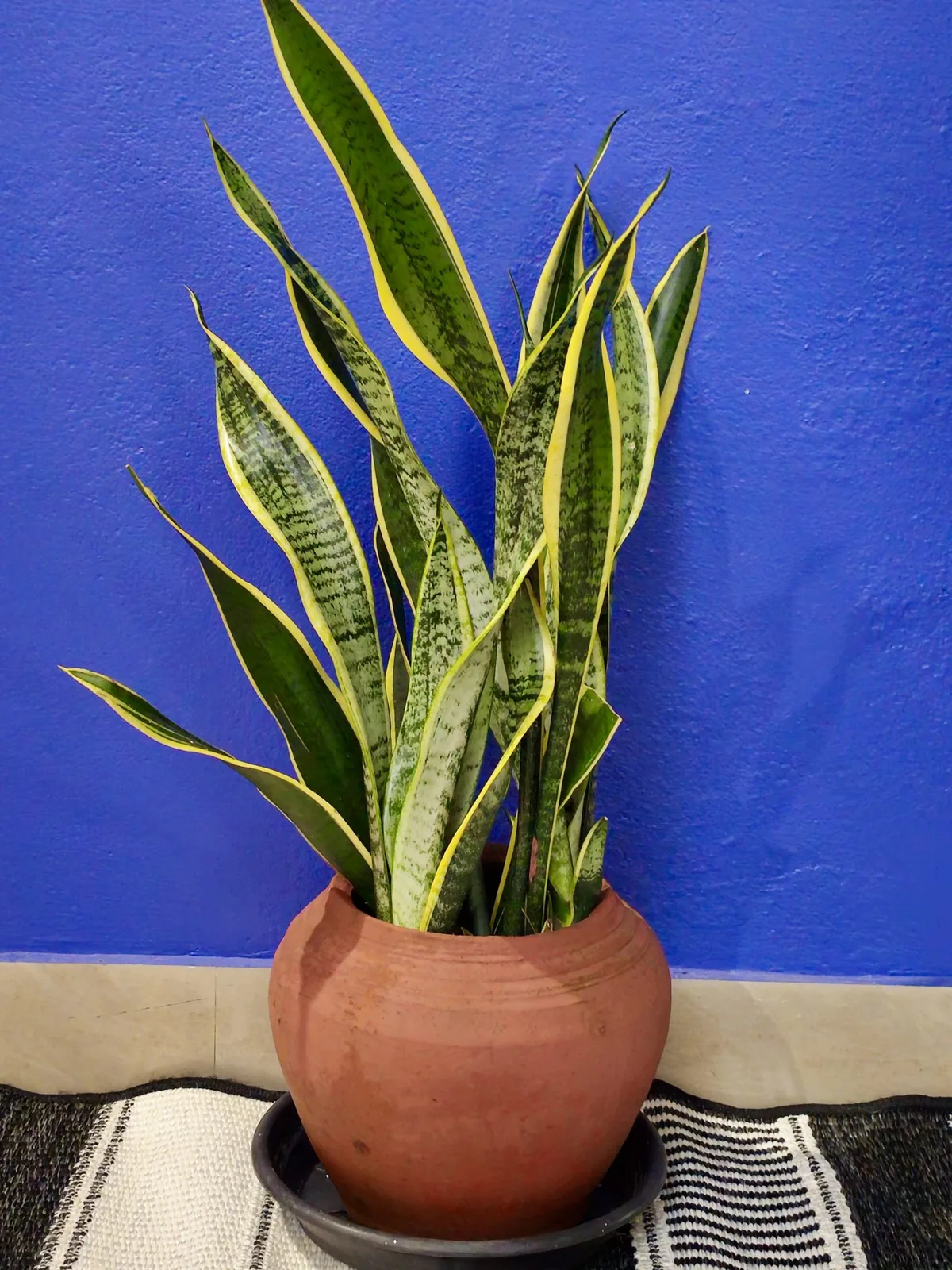
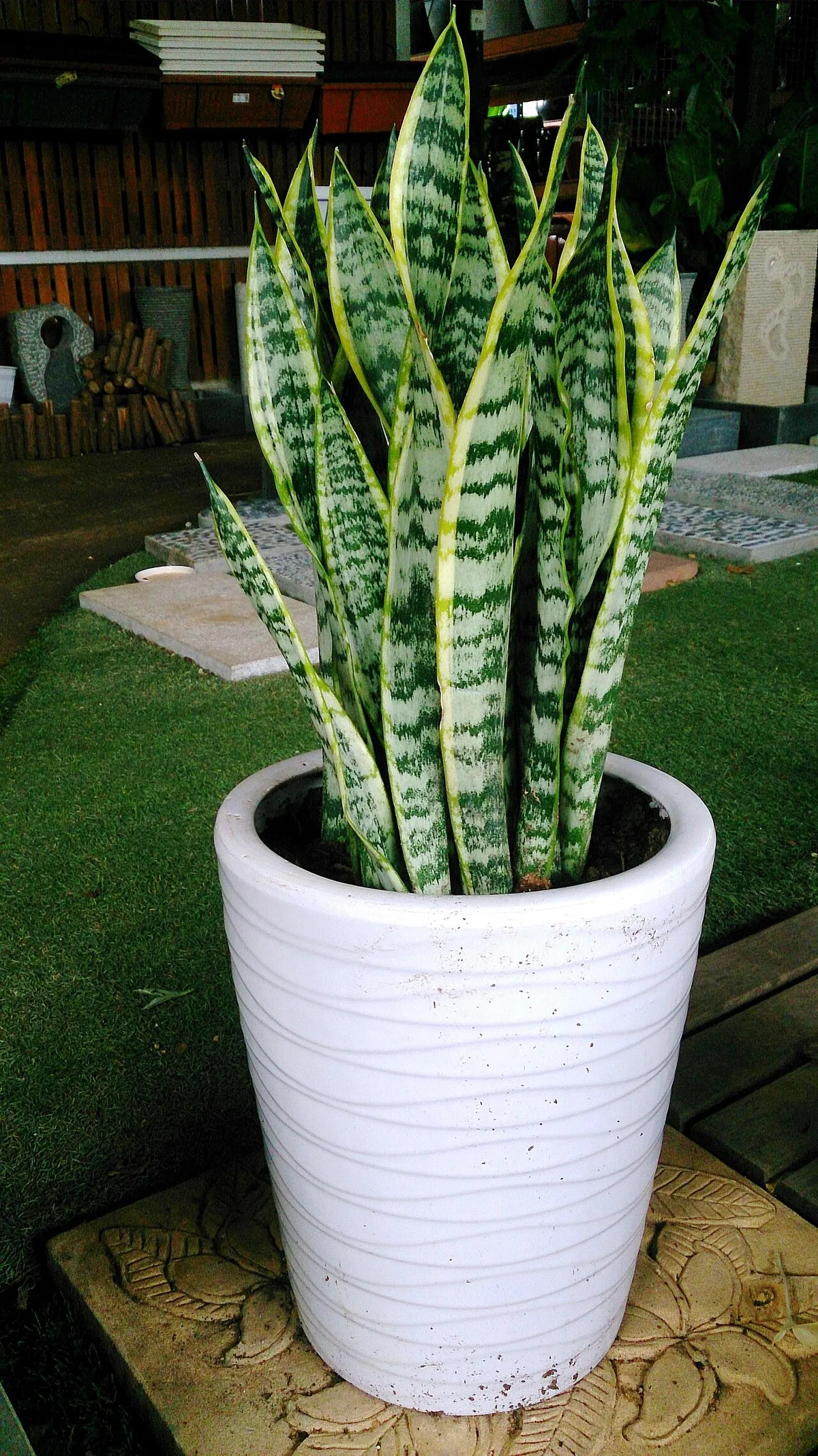
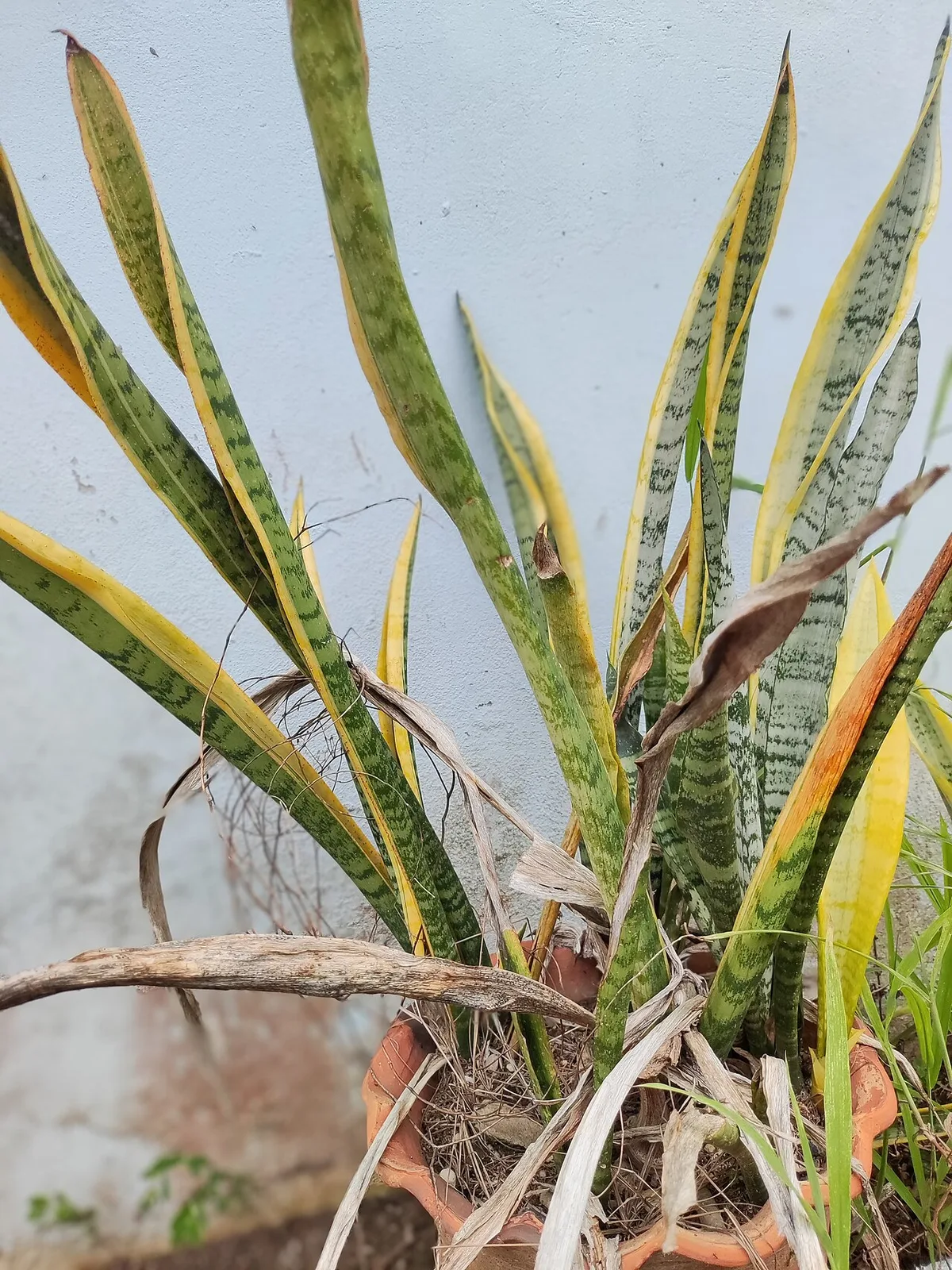
Image source: Openverse / Bigul Malayi
Where Are the Leaves Yellow? A Visual Diagnostic Checklist
The location and texture of the yellowing points directly to the problem. Your snake plant doesn't need to talk. The leaves tell you everything.
Here's what to look for.
Soft, Mushy Leaves Near the Base
This is the classic overwatering sign. If the yellow leaves feel soft, squishy, or almost translucent, the roots are drowning. The plant is sitting in soggy soil and the roots are beginning to rot.
If it smells sour when you dig a finger in, root rot has already set in. This needs immediate action, so jump straight to the Root Rot Rescue section below.
Wrinkly, Curling, or Folded Leaves
That points to underwatering. The leaves might look yellow but they'll feel dry, stiff, and papery. They may bend sideways or look a bit thinned out.
Snake plants are drought-tolerant, but they still need water sometimes. If the soil is bone dry and pulling away from the pot edges, you've waited too long between waterings.
Yellowing From the Bottom Up
If the lower, older leaves are turning yellow while the top leaves stay green and firm, this could be gradual overwatering or simply natural shedding. Snake plants do drop old leaves eventually. The key distinction is how the rest of the plant looks.
If the upper leaves are tight and healthy, it's probably a lifecycle thing. If everything looks tired, check the soil moisture.
Brown-Yellow Crispy Tips
Burnt-looking leaf tips usually mean fertilizer burn or water quality issues. Tap water high in fluoride or chlorine can cause this. So can over-fertilizing.
If the yellow starts at the tip and works its way down the edges, flush the soil with distilled water and stop feeding.
Here's a fast comparison to help you narrow it down:
| Symptom | Likely Cause | First Action |
|---|---|---|
| Soft, mushy, yellow base leaves | Overwatering / root rot | Unpot and inspect roots immediately |
| Dry, wrinkled, folded leaves | Underwatering | Water deeply and thoroughly |
| Yellowing bottom-up, rest is healthy | Natural shedding or excess moisture | Check soil; adjust watering rhythm |
| Brown-yellow crispy leaf tips | Fertilizer burn or tap water chemicals | Flush soil; switch to filtered water |
| Patchy yellow with small webbing or spots | Pests or fungal disease | Quarantine and treat the leaves |
Root Rot Rescue: Step-by-Step Fix for Overwatered Snake Plants
If you've confirmed your plant is drowning, act fast. Root rot spreads quickly and the longer the roots sit in soggy soil, the less chance you have of saving it. Don't panic, though.
Snake plants are surprisingly resilient. You can turn this around in a couple of weeks.
Step 1: Get the Plant Out of the Pot
Slide the plant out gently. If it's stuck, run a knife around the inside edge of the pot. Once it's out, brush away as much soil as you can.
Do this over a trash bag or newspaper. You'll want to see the root system clearly.
Step 2: Inspect and Trim the Roots
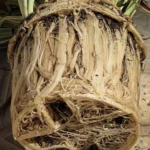
Healthy roots are firm and pale, whitish or light orange. Rotten roots are brown, black, mushy, and may fall apart when touched. Sometimes they're slimy.
Trim away everything unhealthy with clean, sterilized scissors. Cut until you hit healthy tissue. Don't be shy.
Leaving a single rotten root can spread the infection to the rest.
Step 3: Repot Into Fresh, Dry Soil
Throw away the old soggy soil. It's garbage now. Choose a pot with drainage holes and fill it with a well-draining cactus or succulent mix.
You can add extra perlite or coarse sand to improve drainage. Place the plant back in, no higher and no lower than it was before.
Step 4: Watering After Repotting
Here's the hardest part for most people. Don't water after repotting. Wait at least three to five days.
Let any nicks on the roots callus over. Then water lightly, or only water when the top two inches of soil feel dry. If you start watering immediately, you'll undo all your work.
Other Causes That Turn Snake Plant Leaves Yellow
Overwatering gets most of the blame, and rightfully so. But it's not the only reason your snake plant is struggling. Sometimes the fix is simpler than a full root surgery.
Underwatering
Snake plants store water in their leaves and rhizomes, so they survive dry spells. But drought stress still shows up. Catching it early means paying attention to the soil, not a calendar.
Stick your finger in the soil. If it's dry down to your second knuckle, water thoroughly until water drains out the bottom. If the soil has pulled away from the pot edges, that's a clear sign the plant has been dry for too long.
Too Much Direct Sunlight
Snake plants like bright, indirect light. Direct summer sun through a south-facing window can scorch the leaves, leaving yellow or pale patches that turn brown over time. The yellowing usually appears in a pattern that matches your window's sun path.
Move the plant a few feet away from the window, or filter the light with a sheer curtain.
Cold Drafts and Temperature Shock
These are tropical plants. They don't enjoy chilly window sills, air conditioning blasts, or sitting near a door that opens to cold weather. Sudden temperature drops can cause yellowing across the entire leaf.
Fertilizer Burn
More fertilizer is not better. Snake plants are light feeders. They want a balanced, diluted houseplant fertilizer once or twice during the growing season, maximum.
If you've been feeding monthly or using a strong concentration, flush the soil with clean water several times.
Pests and Fungal Issues
Pests like mealybugs, spider mites, and thrips can cause yellow stippling, spotty patches, and weak growth. Check the undersides of leaves and in the crown of the plant. Fungal leaf spot appears as round yellow or brown lesions.
Both need quarantine and treatment.
Mistakes to Avoid When Reviving a Yellowing Snake Plant
Once people figure out the issue, they often over-correct. That causes a second round of problems. Here's what not to do.
- Watering on a set schedule. Plants don't care about the calendar. They care about soil moisture. Always check the top two inches before watering.
- Leaving yellow leaves on the plant. Dead tissue invites pests and fungus. Trim yellow leaves off at the base with clean shears.
- Using regular potting soil. It holds too much moisture for snake plants. A cactus or succulent mix with added perlite is a must.
- Watering right after repotting. Newly trimmed roots need time to heal. Give them five days before the first drink.
- Moving the plant to full sun to "dry it out". That can scorch the leaves and add stress. Use bright, indirect light instead.
- Repotting into a much bigger pot. Oversized pots hold too much soil and keep it wet. Move up just one or two inches at most.
- Ignoring the pot's drainage. A pot without drainage holes is a death trap. If your decorative pot has no holes, keep the plant in a nursery pot inside it and take it out when watering.

Similar Posts